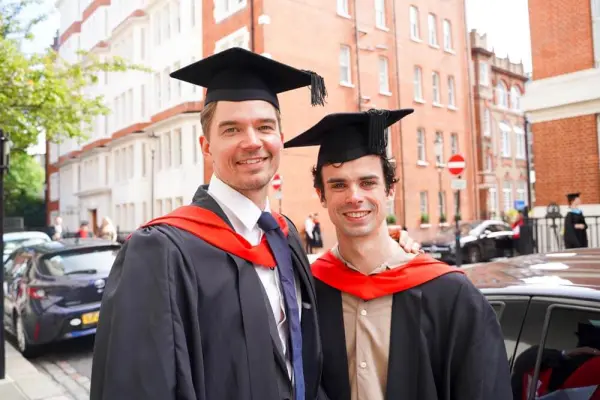
There is much to celebrate after all your focus and hard work. Here you are, poised to begin the journey. Who knows where it will take you? 

I also trained as a dance teacher, but life took me on a path I never expected, involving more creativity than I envisaged but also many opportunities to teach and guide. Without the skills acquired in my teacher training I would never have been able to tackle the range of experiences that came my way.

‘Dance,’ said the philosopher RG Collingwood, ‘is the mother of all languages.’ This to me suggests that as teachers you impart knowledge in a world where learners understand things mainly through their bodies and dancing. Of course, spoken language matters, but the special thing about dance is that it is in the tacit, unspoken exchanges of knowledge and countless embodied experiences in which learning takes place. The learner needs room and time to experience how their dance can communicate as bodily expression. 

Thinking back to my own teachers I feel privileged to have met some remarkable individual artists, teachers and pioneers – encounters which stay with me to this day. Leo Kersley, the former Vic-Wells dancer, taught ballet to me as a teenager. He always referenced the expressive potential of ballet directly back to the historic theatre dance form it is – with its great music, choreographers and performers. During my training at the Royal Ballet School, Dame Ninette de Valois was an exacting and demanding teacher (and rather terrifying!). But she truly encouraged curiosity. She arranged Q&A sessions every term, enabling us trainee teachers to ask her whatever we wanted. 
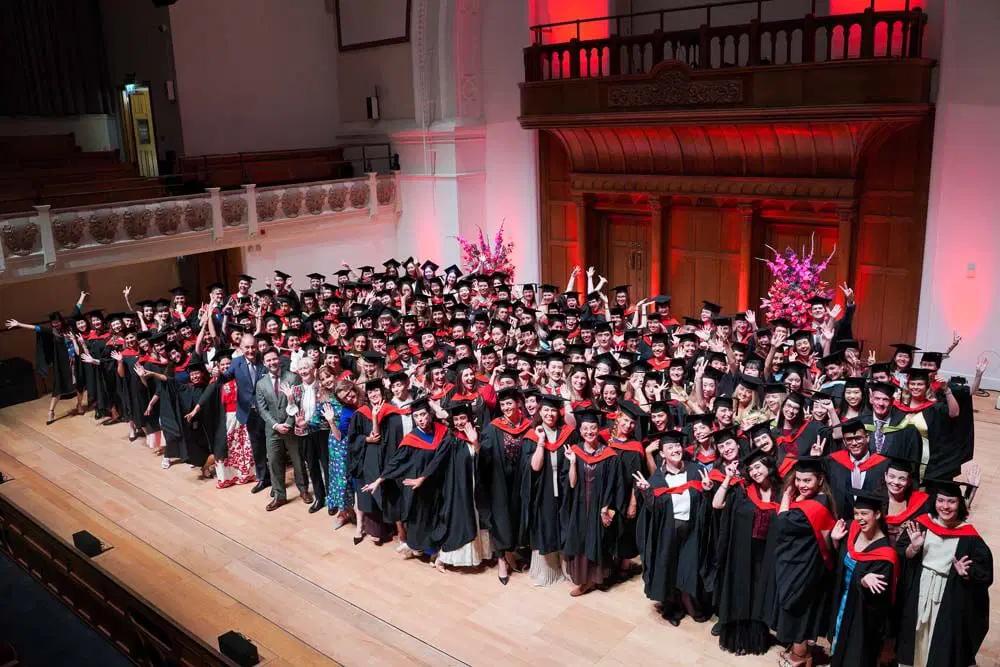
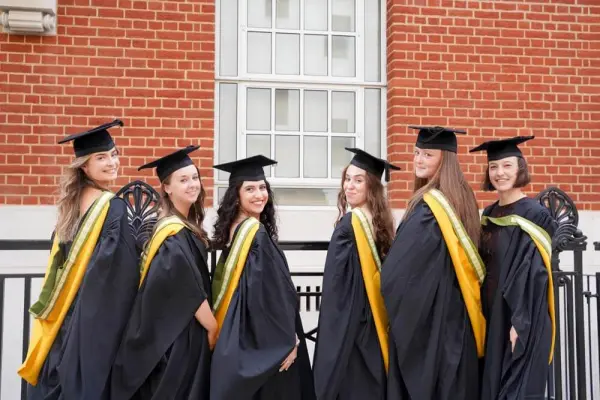
The assembled graduates at Cadogan Hall. Photo: Katie Butcher

‘I feel privileged to have met some remarkable teachers – encounters which stay with me to this day’

In my later contemporary dance training, Robert Cohan, who danced with Martha Graham, emphasised the economy of effort and the expressive power found in movement. He also stressed the importance of individual authenticity of expression, from the moment a movement impulse begins within your body. 

Resilience acquired through training, discovery and curiosity have taken me through many a daunting situation. Working in theatre, I encountered a director who asked that the movement language for the actors should encompass ballet. So for Strindberg’s A Dream Play at the National Theatre, I taught a daily ballet class to rather unwilling actors with limited prior experience. They made startling progress, and went on to perform enchaînements in the play: even the male actors wore long tutus. 

When I began work on the musical staging for Les Misérables in 1985, few plans had been made in advance. The musical score was still being finished, with no dance numbers as such, but of course there was Victor Hugo’s great story to be told through action. This situation demanded that I was open to discovery, using improvisation as well as movement shaping as I engaged with the performers to bring the characters and story to life through physicality and bodily expression. 
‘Teaching dance is about engaging with people – giving them space as they develop and learn’

As teachers, your responsibility is a great but rewarding one. You are fortunate to guide learners in their moments of discovery. Learners you encounter may not intend to become dancers, but they may be excited young children, performers from other disciplines, adult learners, the differently abled or seniors discovering the joy and sensation of dance. Teaching dance is first and foremost about engaging with people – giving them the space to go on a journey as they develop and learn as dancing human beings.

I don’t doubt that you have arrived at this point in your lives because you love dance. I trust you will share that love with all those learners you encounter in your career as a teacher, guide and artistic friend. I always carry these words from the great teacher Robert Cohan: ‘Teach all you know and teach it with love.’
SEND YOUR FEEDBACK

Congratulations on the award! Did you expect it? 

Never in a million years did I think I would win. I’m very grateful and honoured. You don’t always have a clear path for success when you’re working with difficult subjects, that are tricky to navigate and to get across to a wider audience. I have been a ballet dancer always and forever, and I’ve always been with the RAD, but never thought something like this would catch the eye of this huge organisation in the world of dance. I feel very humble.

How did you start working with difficult subjects?

As an educator, I feel a deep sense of responsibility towards the young women in my class. What sort of young adults are we putting out in the world? Students don’t belong to us. They come to us for a while. We hold their hands and guide them, and teach them all we can, and we aim for them to reach their full potential, and to experience the sheer joy of having dance in their lives. We are such an important part of their lives for these years, so shouldn’t we also worry about turning them into independent, beautiful human beings, rather than just beautiful dancers? Later on, as citizens of the world, they will carry the things you taught them. They will carry them for life. 

Sometimes people view dance as superficial. That irritates me as an artist, because we feel so deeply, and we are as deeply affected as any other citizen. But we have a vessel, our body, and can make a huge change using social media. I thought: okay, this is what we’ll do. We will talk about difficult subjects. We will teach young girls to speak up and to be independent. We will teach young women to worship the body they’re in, to set healthy boundaries in their romantic and professional relationships. Through dance, I’m teaching them the importance of being informed and of having a voice, without treating them as fragile little humans that just twirl to music. We are so much more than that.

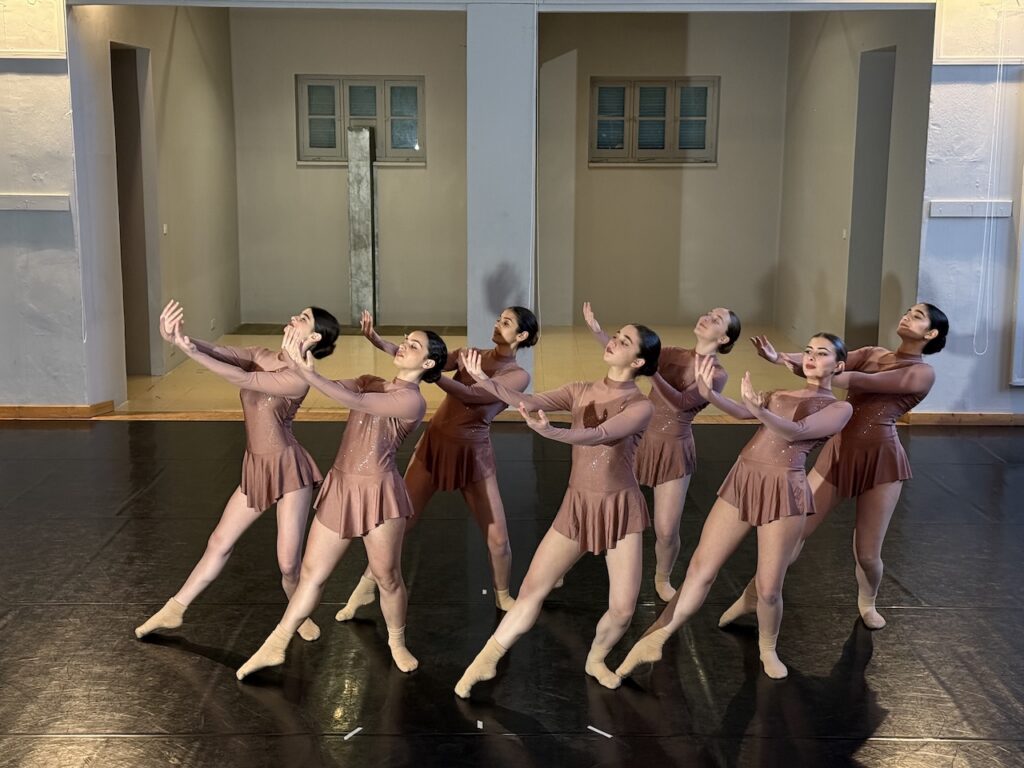
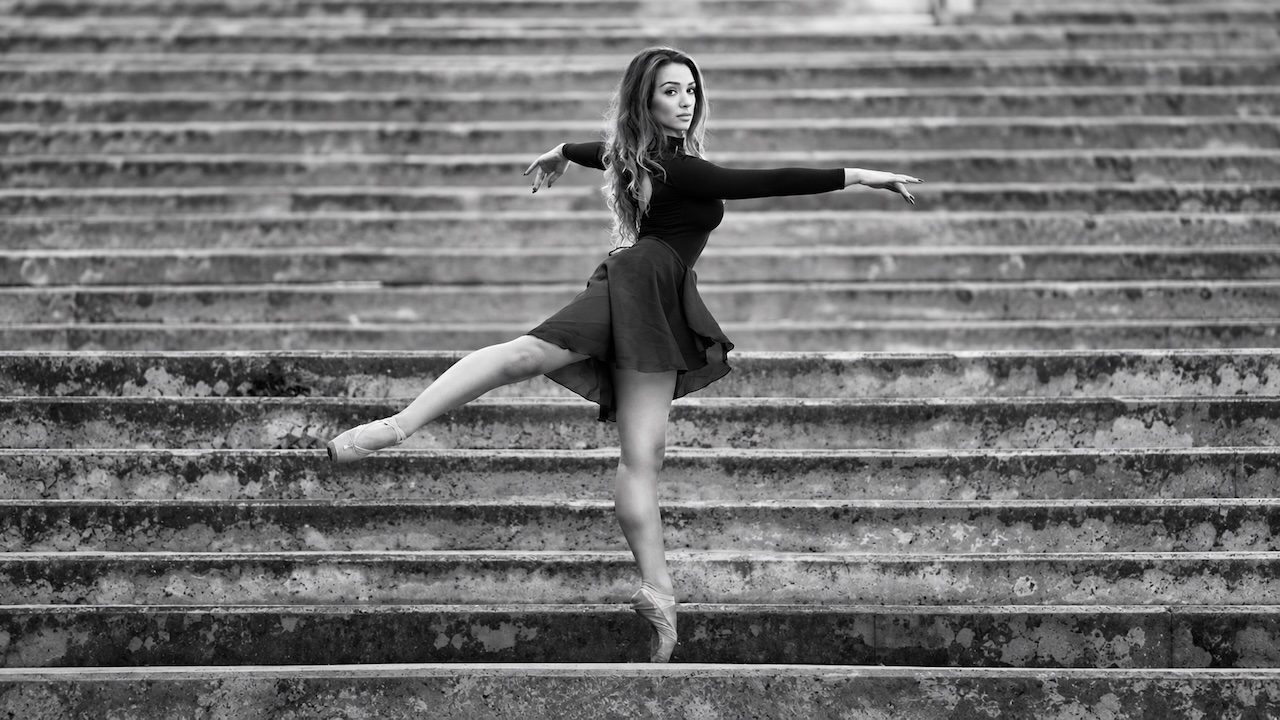
Citizens of the world… Galatia Savva’s choreography. Photo: Dance Flow Studios

How do these conversations become choreography?

I teach every single RAD level from Pre-Primary all the way up to Solo Seal. We also have neoclassical ballet and contemporary classes, and that’s where these conversations come in. We make research-led choreography, so I will research a story – it could be something in the news or a past event that has been on my mind. The subjects I research can be brutal, so I will make sure I have a very clear understanding: I will watch interviews and read court documents. Then comes the music, and then we’ll sit in a circle and start discussing the story. 

The first time we talked about something was on Women’s Day. A song had come out of protests that were happening in Greece. Women were on the streets, and the open air orchestra of Athens created a piece based on their chants. It was such a powerful message of unison, it sent chills down my spine, and made the students feel they were a part of this powerful, dynamic group. 

The next year two students lost their mothers to cancer. I was heartbroken for these children who had been my students for over 12 years. One mother had already asked me to help her child who was auditioning for professional dance schools. When she passed, I thought, how can I help this child process her feelings? She wouldn’t cry or talk about it, she was very closed off. I asked a psychologist for guidance about how I could help her without meddling? That inspired me to create a piece about the loss of a parent – I thought, this child communicates through music, so that is what we did. The way it opened up the pathway to conversations was incredible. It gave her the freedom to think the thoughts and feel the feelings without having to speak them. 

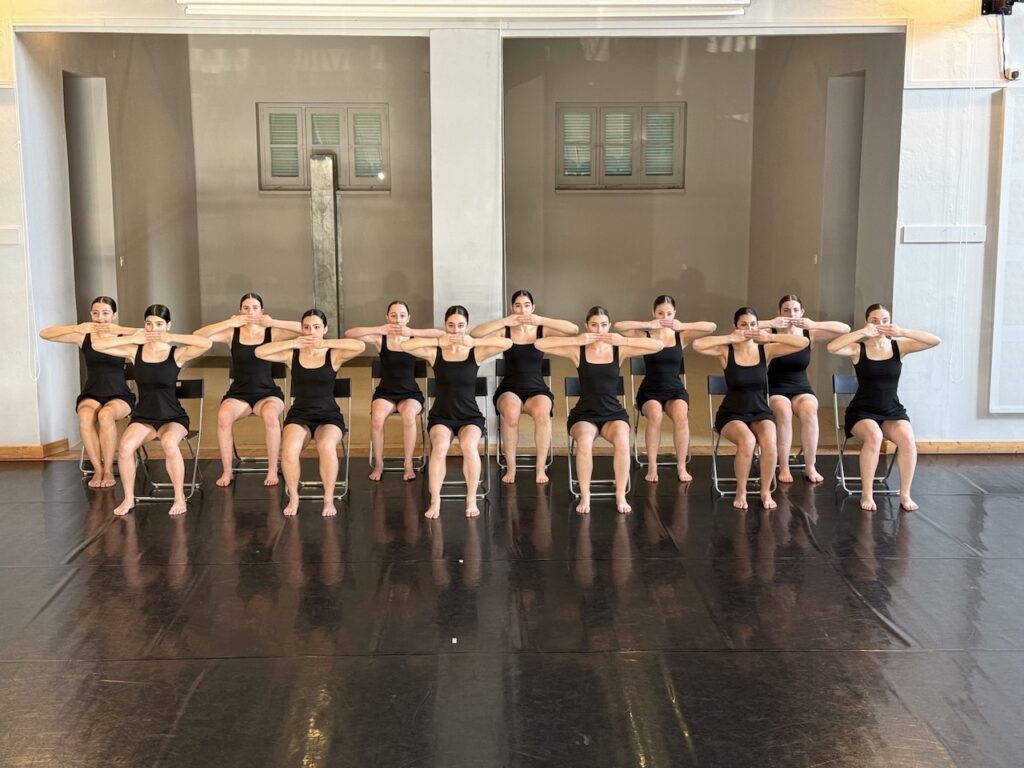
Fierce, confident women… Galatia Savva’s students. Photo: Dance Flow Studios

Do you see how your students change through this work?

It makes me very emotional. I have dancers, young women ready to take on the world. Some started training with me as timid eight and nine year old children. I had to do so much work to enhance their confidence – you have to dig deep and think individually about each student to bring the best out of them. I now see these fierce, confident women – the change is immense. They’re constantly sending me stories they think we should cover. It’s amazing that we have opened the door for communication about dance, creativity, and dancing about things that matter.

What has this work given you?

It’s given me a pathway to express thoughts and feelings. I feel very deeply, which has helped me a lot in my dance career – but can also cause a lot of heartache and sleepless nights. This work has given me a release, where I can pour all these thoughts, feelings and ideas. It has also given me a deep gratitude for the parents who are so interested and grateful for me teaching their young girls the realities of today’s society. The feedback and support I’ve had from them has been incredible. And it also gives me a sense of belonging. Ballet will always and forever remain my greatest passion, but I have found a calling in creating contemporary and neoclassical work about issues that need to be addressed. To pass that along to the next generation, I can’t think of anything more rewarding.

WATCH

Galatia Savva’s choreography for Dance Flow Studios

RESOURCES

SEND YOUR FEEDBACK

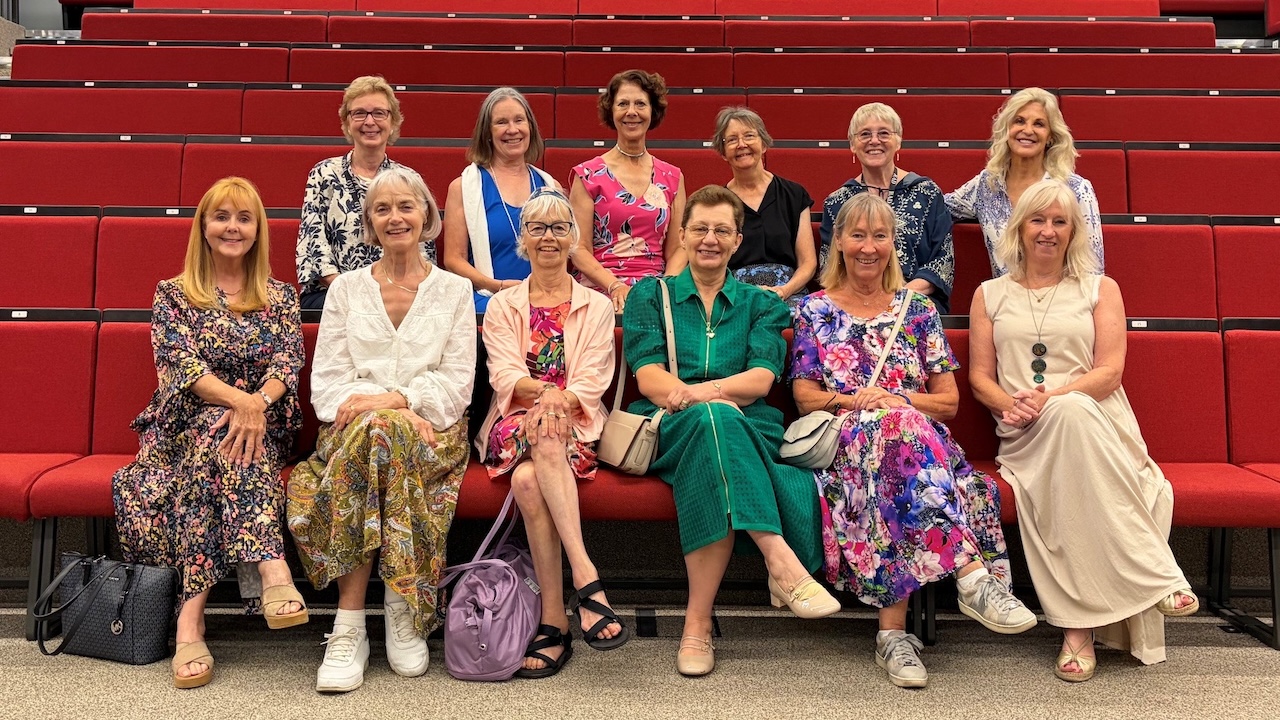
The 50th anniversary of the graduating class of 1976 from the Royal Academy of Dance College was held from 18–19 July. Twelve graduates attended from New Zealand, California, Norway, Spain, Malta, France, Cyprus, Wales and England.

Celebrations included a tour of the new RAD headquarters and a reacquainting chat in the Rittner Room. The surprise visit of Alexander Campbell wishing us well further added to the festivities!

Much reminiscing took place, particularly remembering the old Vicarage Crescent premises (only partially built when we started) and the wonderful, inspirational teaching staff who will forever be in our memories.

The graduates at the reunion were: Catherine Dawson, Teresa Foster, Heather Hebbert, Valerie Hewitson, Marion Highmore, Tamzin Howell, Annie Lawler, Lesley Ovenden, Karen Plambeck, Narelle Stevens, Charmian Thomas and Gina Wright. Janet Small was sadly unable to attend.

Teresa Foster

SEND YOUR FEEDBACK

1 Petrushka by Igor Stravinsky

How music that’s now 115 years old can sound this modern is beyond me. I totally love the first three ballets that Stravinsky wrote for Diaghilev and the Ballets Russes. For me, Firebird is one of the most beautiful things ever made, and The Rite of Spring surely the most original. But in some ways I find Petrushka the most intriguing of all. Stravinsky here invents an entirely new way of telling a story through music and, in so doing, revolutionises the entire genre of narrative music in dance.

2 Spartacus by Aram Khachaturian

I maintain that the adagio melody from Spartacus may be the best tune ever written. I could happily listen to it forever. Khachaturian understood what all the great classical ballet composers knew very well: when it comes to putting big emotions on the dance stage, less is definitely not more.

3 MGV (Musique à Grande Vitesse) by Michael Nyman

I went through a period of being pretty obsessed with this work of Michael Nyman’s, a massively ambitious piece of music which was written for the opening of the Paris to Lille TGV high-speed rail link. Years later I fell in love with it all over again when Christopher Wheeldon switched out the ‘M’ for a ‘D’ in his high-octane one-act ballet DGV: Danse à Grande Vitesse.

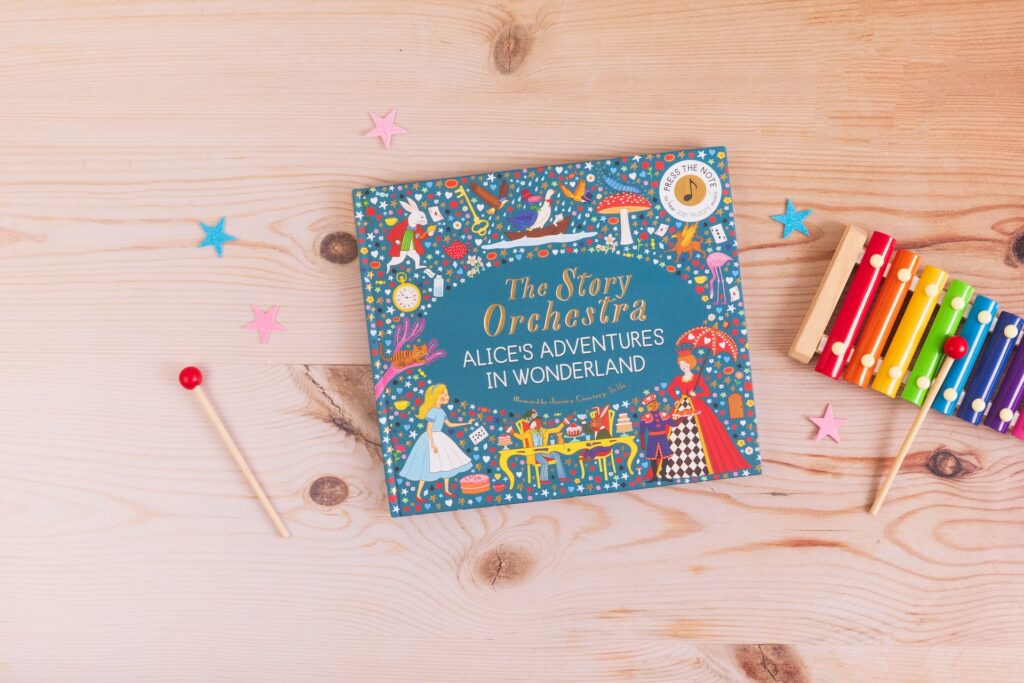
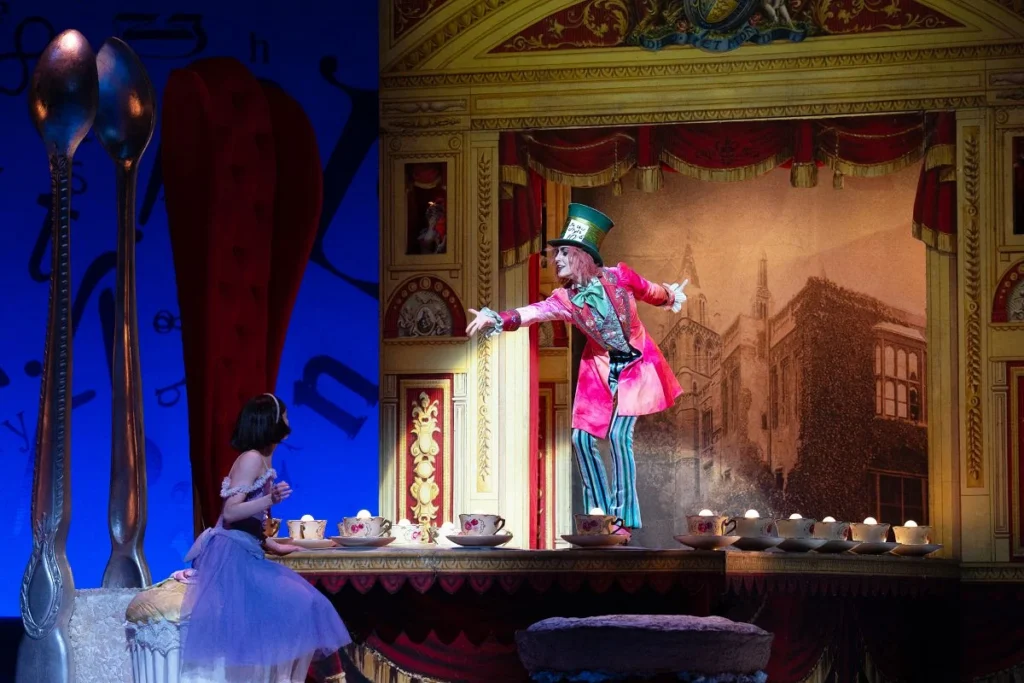
4 Alice’s Adventures in Wonderland by Joby Talbot

Alice was the first of the four story ballets Christopher Wheeldon and I have so far made together and is the one that’s travelled the furthest. In recent weeks I have attended Alice opening nights in La Scala, Milan and Teatro Colón, Buenos Aires, and the show is currently in the repertory of multiple companies across five continents. Having the opportunity to hear orchestras from all around the world interpret my music and make it their own is thrilling beyond belief.


5 The Hardest Button to Button by The White Stripes/Aluminium

When Wayne McGregor chose to use a combination of my compositions and arrangements I’d made of songs by The White Stripes for his ballet Chroma it was a life-changing moment for me – the first time I got to see the super-human artists of the Royal Ballet dancing to my music and the first time I got to work with the incomparable orchestra of the Royal Opera House. The White Stripes re-imaginings came from an album Richard Russell and I put out on XL Recordings called Aluminium. 

RESOURCES


SEND YOUR FEEDBACK

The best advice I ever received 

One of the greatest challenges in my career as a dancer was learning to step outside my own nature. I was naturally quite introspective and, in many ways, a little shy.

My favourite advice I ever received was not to be afraid to be vulnerable, imperfect, even ugly if that is what the role demanded. To be truthful. To surrender to the character rather than protect my own image. It taught me that great artistry is not about looking beautiful all the time. It is about being authentic, honest, courageous, and allowing yourself to be seen without inhibition.

That advice became one of the most important lessons of my career. It helped me push through barriers I had unknowingly created for myself and gave me permission to explore emotions and qualities that did not come naturally. Some of my most meaningful performances came from those moments when I stopped trying to control everything and simply trusted the work.

It is still something I practice today, not only as an artist but as a person. Being fearless is never effortless. It is a discipline that requires constant intention. Life, much like ballet, is an ongoing exercise of learning, growing, and having the courage to begin again.

Photo: Emily Cooper

The advice I would pass on 

I often share that same advice with young dancers because I know how transformative it can be. Do not be afraid of vulnerability. Do not fear imperfection. Those are often the very places where authenticity and artistry are found.

I would also encourage them never to give themselves excuses. Growth does not come from waiting until you feel ready or confident. It comes from showing up, doing the work, and having the courage to try. The simple act of trying already makes you better than you were yesterday.

We often underestimate how much progress is made through persistence rather than perfection. Every class, every rehearsal, every setback, and every success shapes who we become. If you remain curious, disciplined, and willing to embrace the uncomfortable moments, you will continue to grow, not only as a dancer but as a human being.

For me, that has always been one of ballet’s greatest gifts. It teaches us that excellence is not a destination. It is a daily practice of courage, humility, and the willingness to keep learning.

RESOURCES

SEND YOUR FEEDBACK
Previous

Where are you speaking from?

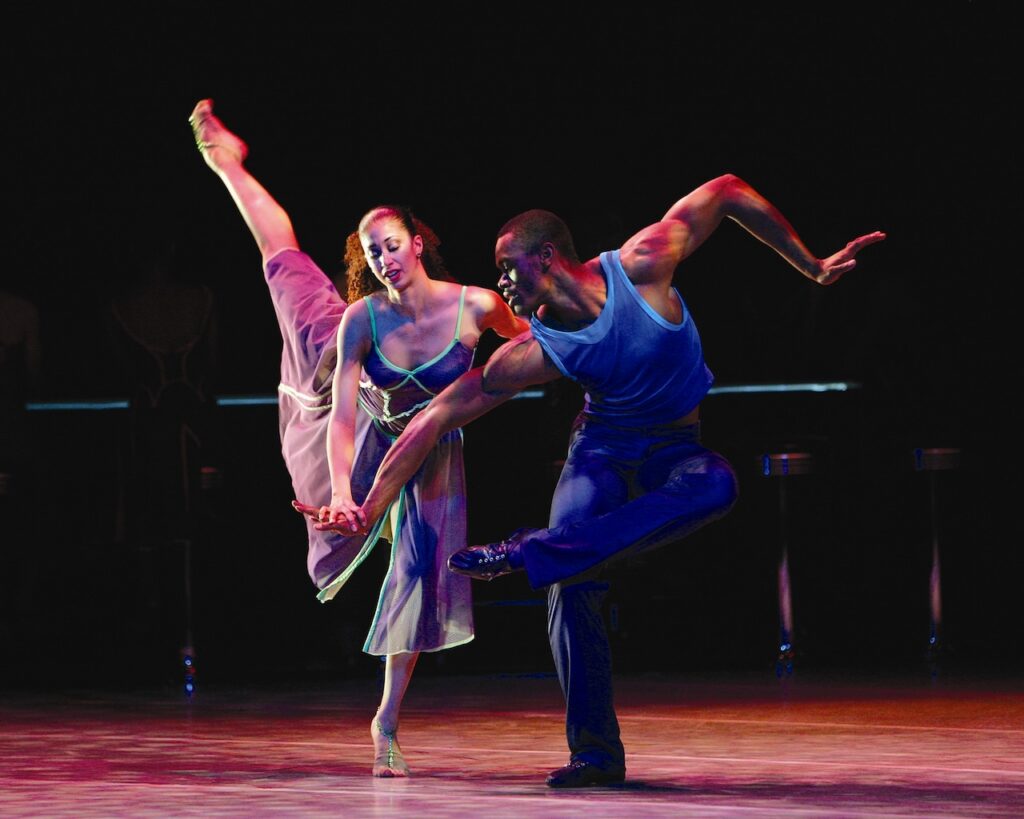
I am sitting in the office of the artistic director: I call it Ms Jamison’s office. It sits in the Joan Weil Center for Dance – Ms Jamison’s glass palace that she brought to life in 2005. It is one of the largest buildings dedicated to dance in the world, and certainly in New York City. When I walk into this space, I feel her spirit with me. Her furniture is here. There’s a beautiful chaise lounge, which has gorgeous upholstery of kente cloth and bright coloured fabric. I’m sitting at Mr Ailey’s desk. So I feel very blessed to come into this space, a reminder of the responsibility and of the gift.

Was it intimidating to follow Alvin Ailey, Judith Jamison and Robert Battle at the head of the company?

Of course. The Ailey organisation is so important to American culture and to dance culture around the world. Mr Ailey stands as an icon, someone who has been able to define what it means to affect change through your artistry. Ms Jamison and the organisation remained my north star for so many years. When I joined the company in 2005, I saw firsthand how she led with such integrity. It does not feel clichéd when I say that I stand on the shoulders of giants. I intend to help to see this organisation forward as a means of service, because she and the organisation have given me such a beautiful, rich life.

What gave you joy when you were growing up in Maryland?

By the time I could walk, I was dancing. My mother is a professor of social science, but she had a career on the side as a model. By the time I was two and a half, I had started dance classes because her modelling school was in the same community centre as the dance school. I just fell in love. 

What was it that hooked you? 

I realised, even as a very shy young person, that dance was my superpower. When I danced, people would stop and watch. That feeling was so empowering. As a kid, I was unusually tall, so I had posters of tall ballerinas in my room – mainly dancers of colour, to remind me that we can do this. In fact, I painted my own mural of a ballet dancer on my wall because I couldn’t find a poster large enough to fill the space. It is still there. Representation matters. 

I’ve always said I’m made to move – literally and emotionally. The most fulfilling aspect of my job is to sit in the audience and see the magic unfold. Our Ailey audiences are so special. To feel that very full silence when people are engaged and invested emotionally in what’s happening on stage, and we’re creating community in those two hours – there’s nothing like that. It’s a sacred space and a sacred time.

It seems a challenging time to be an artistic director – how do you find a path through?

My past experiences have allowed me to see how I would like to lead with an open heart and mind, and also with intentional focus and strategic planning. I do understand the organisational side of things, and I also had the great privilege of working with the world’s most gifted young people at the Juilliard School. I encourage the dancers to think of themselves as future leaders. To be part of Ailey means that you are always representing something larger than yourself. 

Ailey is more than a dance company – what is its wider social purpose? 

Our mission stands to inspire and empower through the performing arts to demonstrate the beauty and the richness of our world – especially for young people, to develop their self-esteem and sense of self-worth through dance. Thousands of people a year come through the building to experience Ailey and all we have to offer. Diversity, equity, and inclusion is what Ailey has been centred on since its inception. It is at the heart of everything we do. 

Revelations closes almost every Ailey show – what is its enduring power?

I think everyone who has been part of this company joined because of Revelations. Mr Ailey tapped into what it means to be human in this work. His genius lies in his ability to take abstract ideas and make us feel that everyone has had this experience. He takes his blood memories of growing up in rural Texas in the segregated South during the Jim Crow era. He takes his experiences of what it was like to struggle, to be oppressed, to hold on to your faith, and what joy the promise of tomorrow brings. That is his Black American experience, but this experience is universal to all. There’s something so beautiful about its simplicity. Like when a singer hits a perfectly pitched high note, it just rings true to your ear and your heart. For the dancers who perform this piece night after night, it’s a prayer. You can pour whatever you are experiencing into it, whether it’s a day of joy, whether it’s a day of struggle. 

Why does dance matter to you?

Dance is everything to me. The ability to move my body, to communicate, to inspire, and to transform lives is not only important to me, but to the legacy that I am responsible for.

Alicia’s book Introducing Rhythm will be available from November 15.

Why Dance Matters

Why Dance Matters is the RAD’s podcast – a monthly series of conversations with extraordinary people from the world of dance and beyond. Please do listen and subscribe.

LISTEN

Hear the full interview with Alicia Graf Mack

RESOURCES

SEND YOUR FEEDBACK
Previous

October marks two-and-a-half years since I became Artistic Director of the Royal Academy of Dance. In that time, I have learnt that there is an enormous judgement call surrounding how best to meet the needs of today’s learners and teachers whilst balancing and respecting what has come before us. 

Sometimes, as with our pioneering Musical Theatre syllabus, a completely new product needs to be written and designed. But not everything needs to start from scratch. Part of this role, and all our roles as custodians of an artform, is understanding what should be protected, while recognising that heritage work needs to evolve to meet the aspirations of today’s dancers and audiences. 

Recently, I was delighted to be in a position to plan and carry out the creation of video resources to support teachers and students engaging with the Grade 6, 7 and 8 syllabi. Introduced in the mid-1990s, the Higher Grades syllabus has long been a valued and distinctive part of the RAD’s examination offer and enjoyed by a wide range of learners across the world. 

While the content itself has stood the test of time, the original filmed resources no longer met current expectations, so we had a wonderful opportunity to revisit the work and make sure we were meeting the needs of participants and teachers.

‘When decision time arises, we ask ourselves: what will be of most benefit to our learners?’

First question: did we need to create a new syllabus? No! What we had was rooted in wonderful foundations and is absolutely relevant today. The music and its relationship to the movement is wonderful, so too the use of character work to further enhance performance quality and deeper understanding of presentation. 

The team have made some subtle tweaks, all with the purpose of aligning with current expectations and needs. But those changes couldn’t be made without in-depth understanding and knowledge of the original ethos. We had the benefit of working closely with some of the original panel, but it’s not just about access to information – it’s also about approach. I was delighted that the lead on this project, our Chief Examiner Jennifer Hale, referenced the words of one of the original creators: ‘think more about “movement” than “positions”; let it come from the heart first and the muscles second.’

Determining when to stick or when to twist is a judgement call but I’ve found that by having clear guiding principles – that is, ‘the heart’ – the path we need to take becomes clear. 

In the last two-and-a-half years my guiding principle – my heart – has become clearer and more easily accessed when decision time arises. ‘What will be of most benefit to our learners?’ Whenever we reach a 50/50 call this is the question we ask ourselves – and it has unlocked many a difficult decision!

SEND YOUR FEEDBACK
Previous