Where are you speaking from?
I am sitting in the office of the artistic director: I call it Ms Jamison’s office. It sits in the Joan Weil Center for Dance – Ms Jamison’s glass palace that she brought to life in 2005. It is one of the largest buildings dedicated to dance in the world, and certainly in New York City. When I walk into this space, I feel her spirit with me. Her furniture is here. There’s a beautiful chaise lounge, which has gorgeous upholstery of kente cloth and bright coloured fabric. I’m sitting at Mr Ailey’s desk. So I feel very blessed to come into this space, a reminder of the responsibility and of the gift.
Was it intimidating to follow Alvin Ailey, Judith Jamison and Robert Battle at the head of the company?
Of course. The Ailey organisation is so important to American culture and to dance culture around the world. Mr Ailey stands as an icon, someone who has been able to define what it means to affect change through your artistry. Ms Jamison and the organisation remained my north star for so many years. When I joined the company in 2005, I saw firsthand how she led with such integrity. It does not feel clichéd when I say that I stand on the shoulders of giants. I intend to help to see this organisation forward as a means of service, because she and the organisation have given me such a beautiful, rich life.
What gave you joy when you were growing up in Maryland?
By the time I could walk, I was dancing. My mother is a professor of social science, but she had a career on the side as a model. By the time I was two and a half, I had started dance classes because her modelling school was in the same community centre as the dance school. I just fell in love.
What was it that hooked you?
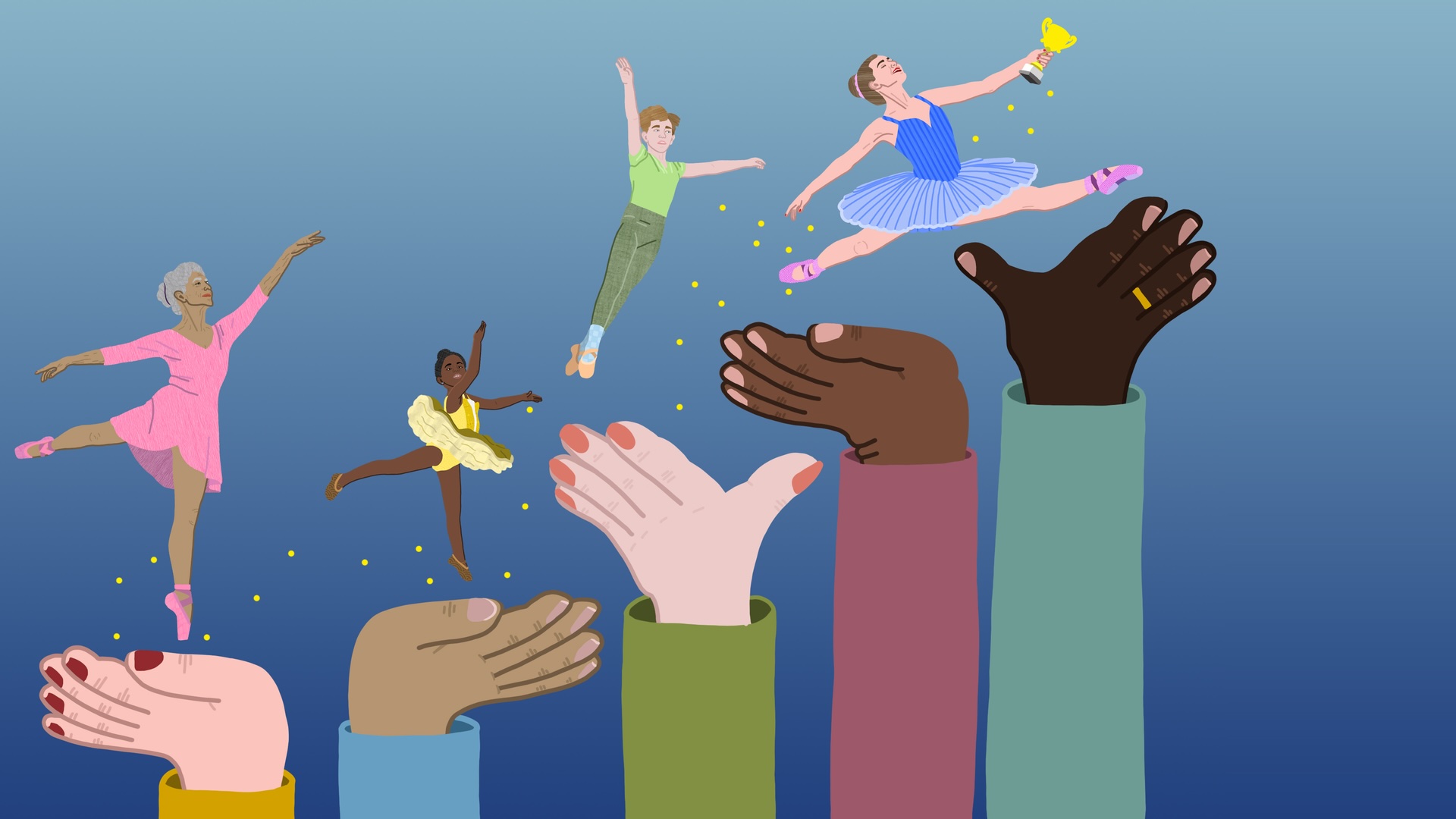
I realised, even as a very shy young person, that dance was my superpower. When I danced, people would stop and watch. That feeling was so empowering. As a kid, I was unusually tall, so I had posters of tall ballerinas in my room – mainly dancers of colour, to remind me that we can do this. In fact, I painted my own mural of a ballet dancer on my wall because I couldn’t find a poster large enough to fill the space. It is still there. Representation matters.
I’ve always said I’m made to move – literally and emotionally. The most fulfilling aspect of my job is to sit in the audience and see the magic unfold. Our Ailey audiences are so special. To feel that very full silence when people are engaged and invested emotionally in what’s happening on stage, and we’re creating community in those two hours – there’s nothing like that. It’s a sacred space and a sacred time.
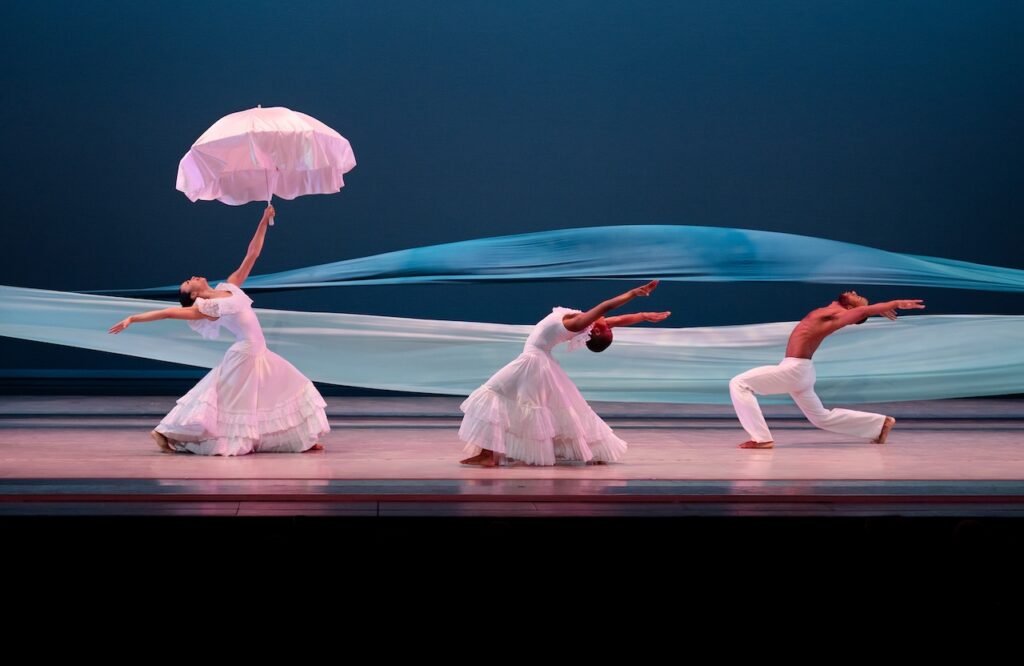
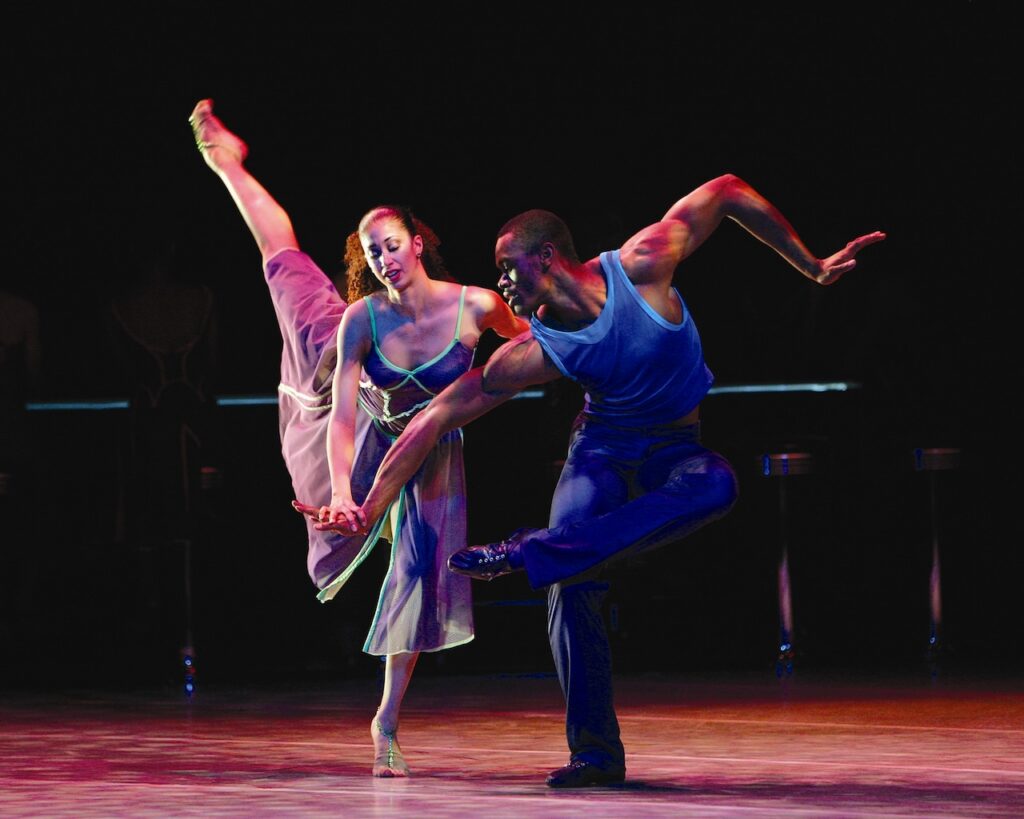
It seems a challenging time to be an artistic director – how do you find a path through?
My past experiences have allowed me to see how I would like to lead with an open heart and mind, and also with intentional focus and strategic planning. I do understand the organisational side of things, and I also had the great privilege of working with the world’s most gifted young people at the Juilliard School. I encourage the dancers to think of themselves as future leaders. To be part of Ailey means that you are always representing something larger than yourself.
Ailey is more than a dance company – what is its wider social purpose?
Our mission stands to inspire and empower through the performing arts to demonstrate the beauty and the richness of our world – especially for young people, to develop their self-esteem and sense of self-worth through dance. Thousands of people a year come through the building to experience Ailey and all we have to offer. Diversity, equity, and inclusion is what Ailey has been centred on since its inception. It is at the heart of everything we do.
Revelations closes almost every Ailey show – what is its enduring power?
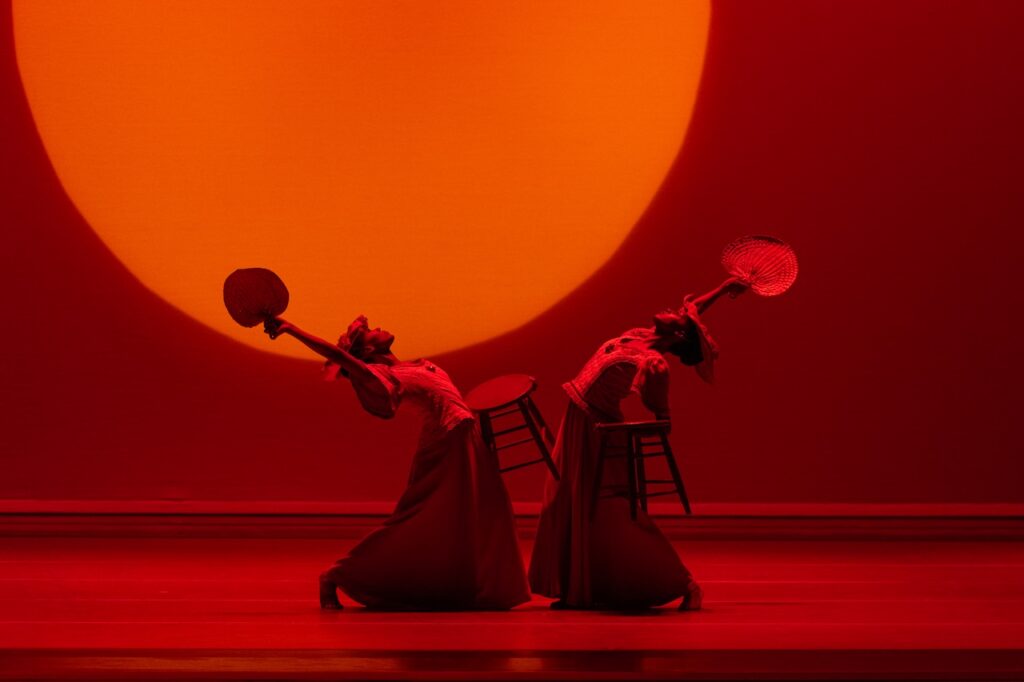
I think everyone who has been part of this company joined because of Revelations. Mr Ailey tapped into what it means to be human in this work. His genius lies in his ability to take abstract ideas and make us feel that everyone has had this experience. He takes his blood memories of growing up in rural Texas in the segregated South during the Jim Crow era. He takes his experiences of what it was like to struggle, to be oppressed, to hold on to your faith, and what joy the promise of tomorrow brings. That is his Black American experience, but this experience is universal to all. There’s something so beautiful about its simplicity. Like when a singer hits a perfectly pitched high note, it just rings true to your ear and your heart. For the dancers who perform this piece night after night, it’s a prayer. You can pour whatever you are experiencing into it, whether it’s a day of joy, whether it’s a day of struggle.
Why does dance matter to you?
Dance is everything to me. The ability to move my body, to communicate, to inspire, and to transform lives is not only important to me, but to the legacy that I am responsible for.
Alicia’s book Introducing Rhythm will be available from November 15.