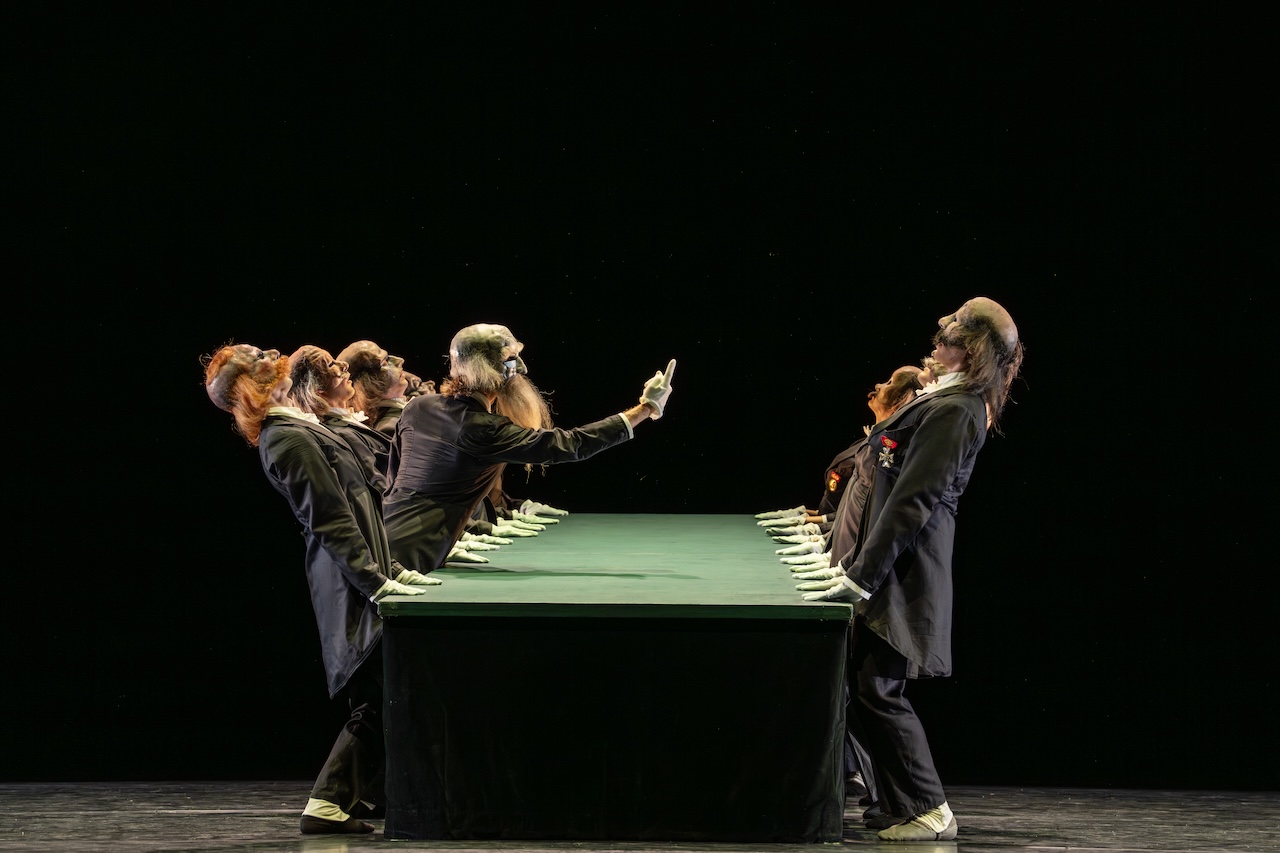
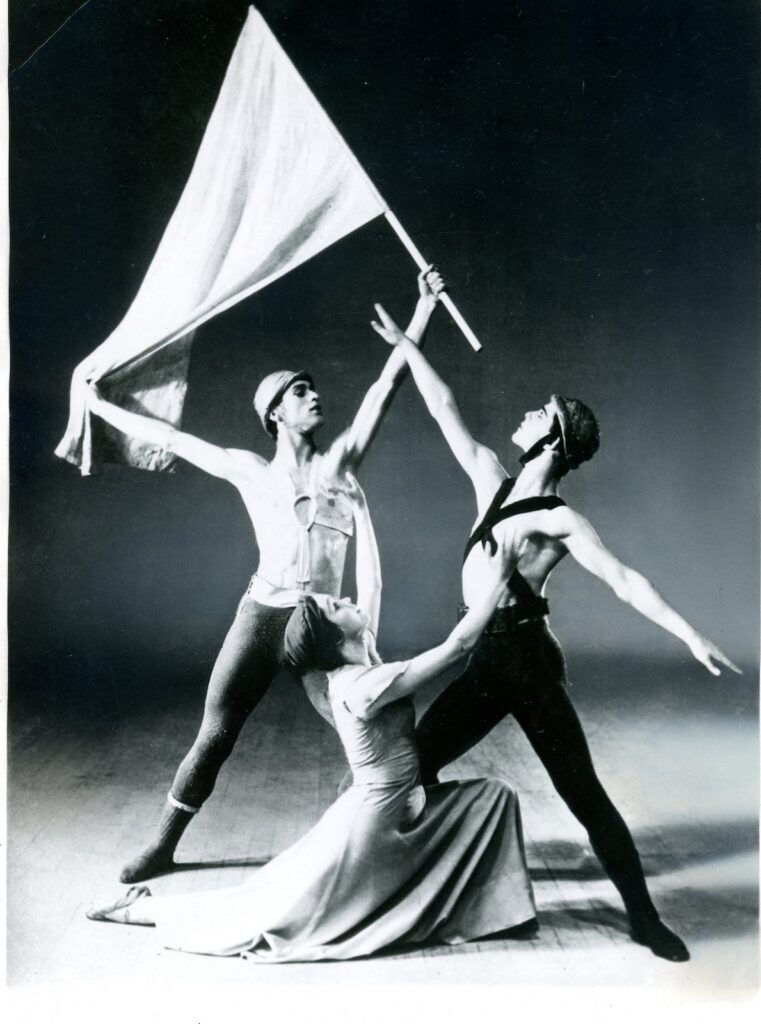
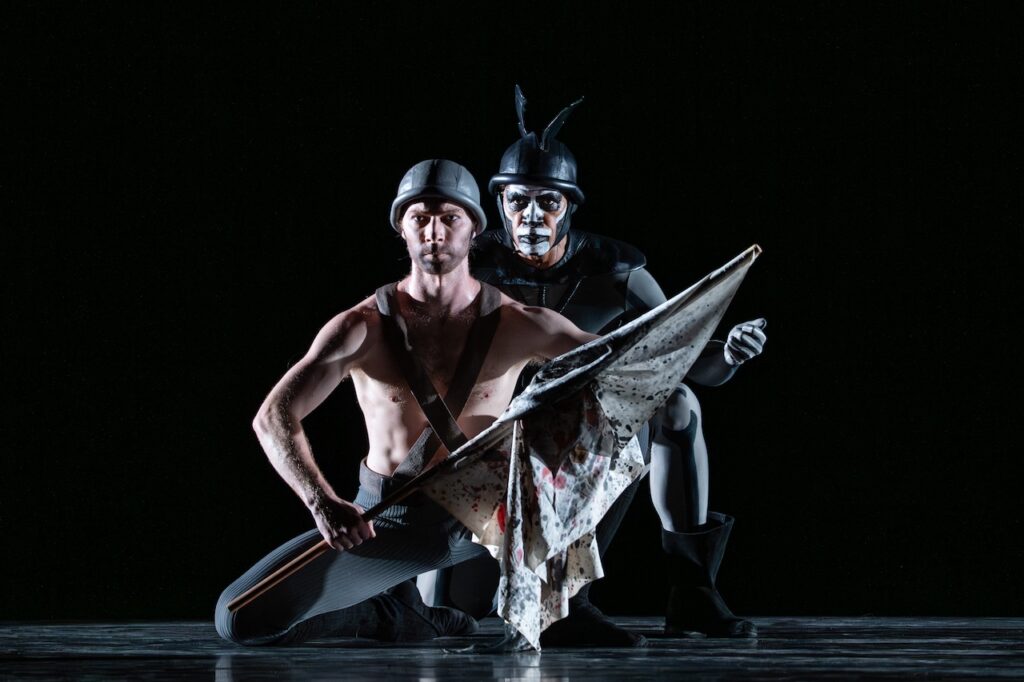
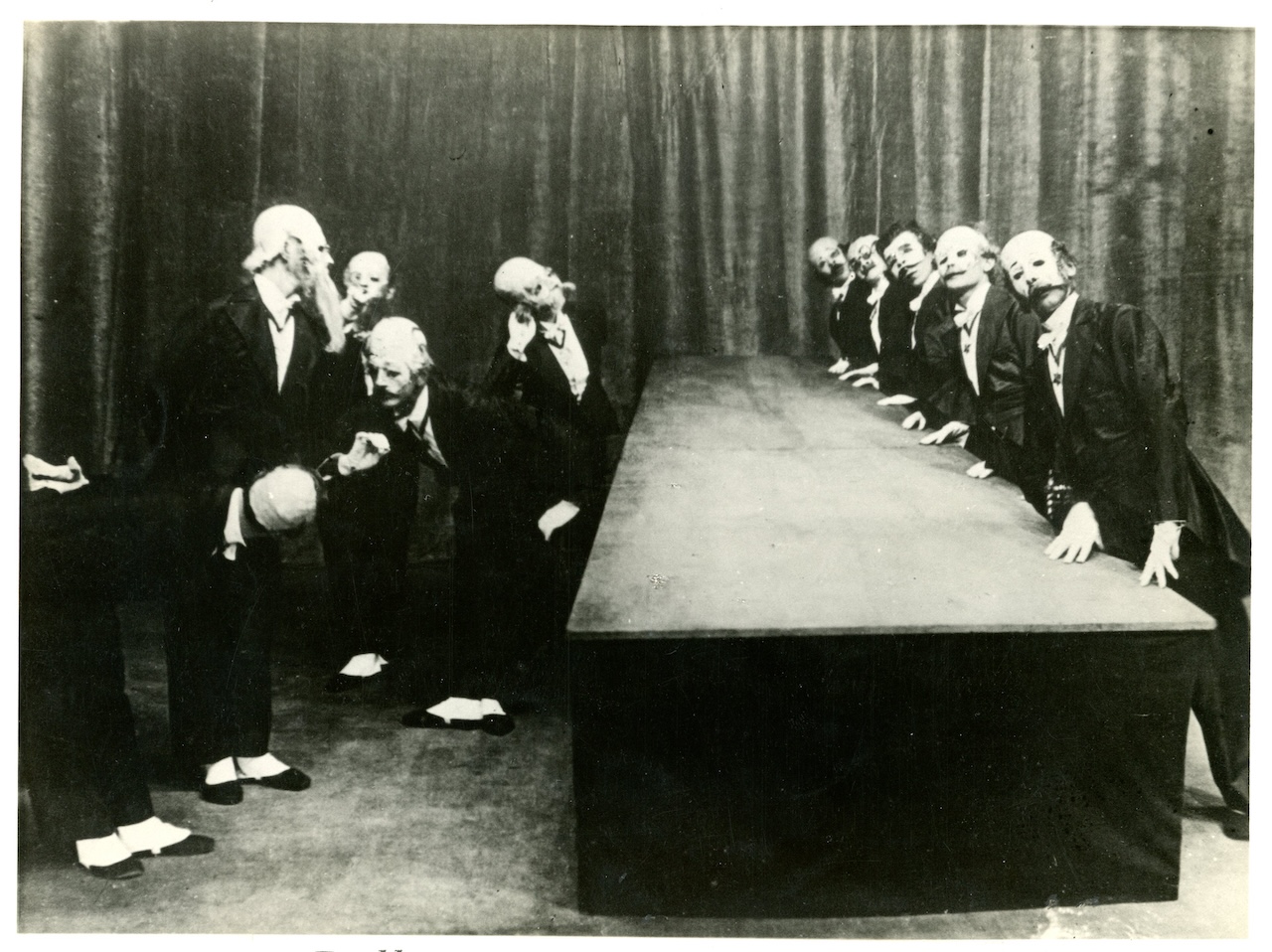
It’s 3 July 1932 and Europe is still living under the shadow of World War I. The stage lights go up at the Théâtre des Champs-Élysées in Paris. The modern ballet’s opening tableau features 11 masked men in tuxedos gathered around a green baize table. Some lean back louchely; others stoop forward, hunched. In a beat, the dancers spring to life in a flurry of jerky movement: posturing, pulling out toy pistols, mock-arguing behind their grotesque masks in an expressive subversion of fascist ideals.
This production – Kurt Jooss’ The Green Table (Der grüne Tisch) – would prove prescient. Five hundred miles east, in Jooss’ native Germany, storm clouds gathered. Within weeks, the Nazi Party would become the largest party in the Reichstag, tapping populist grievances around the Great Depression as they argued that economic relief should be preserved for ‘reine Deutsche’ (pure Germans). A sense of menace also rippled through The Green Table’s central scenes, where the figure of Death, dressed in skeleton armour, marches in a rigid, martial rhythm. Arms like scythes, he fells or absorbs soldiers, mothers and children into the relentless logic of his march.
Today, The Green Table is parent to a new generation of dance projects exploring the far right and authoritarianism at a moment when such forces are, once more, on the march.
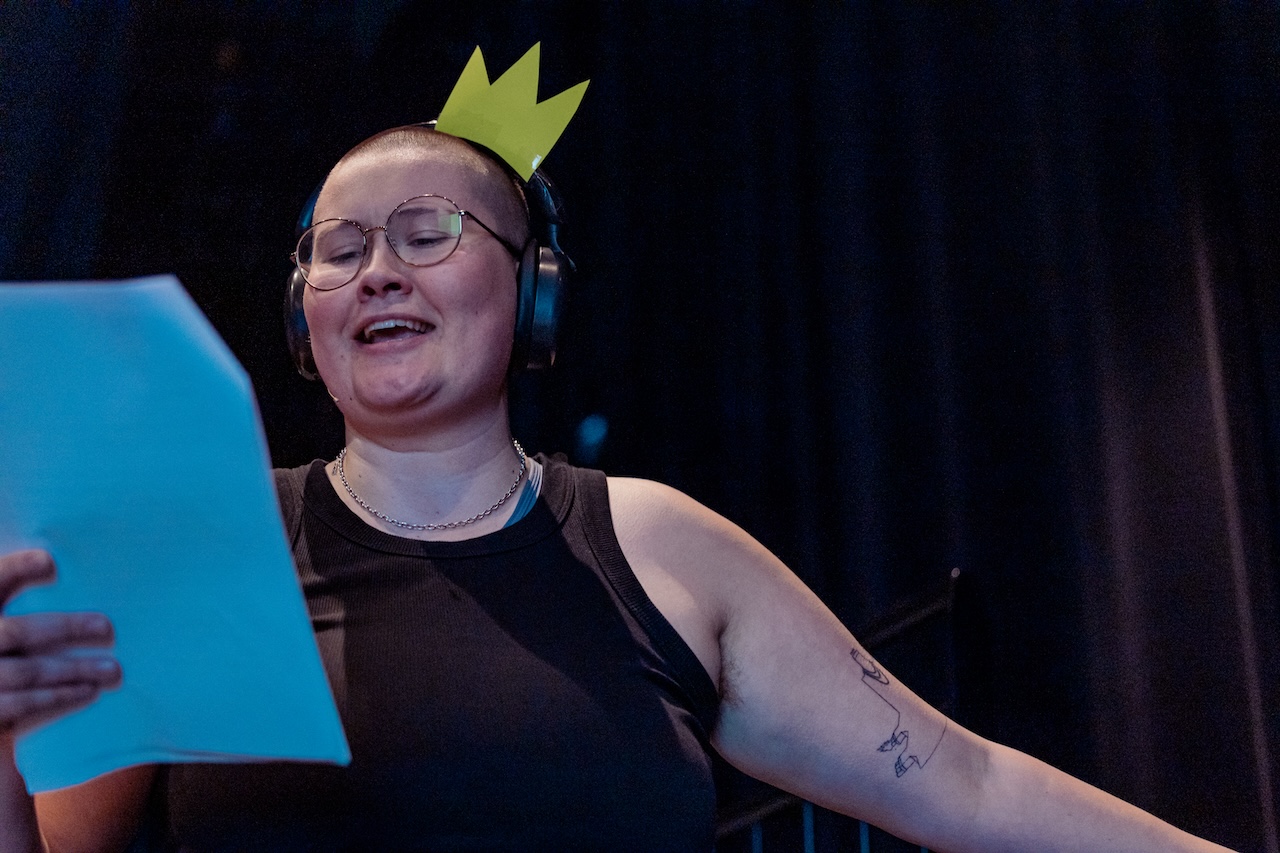
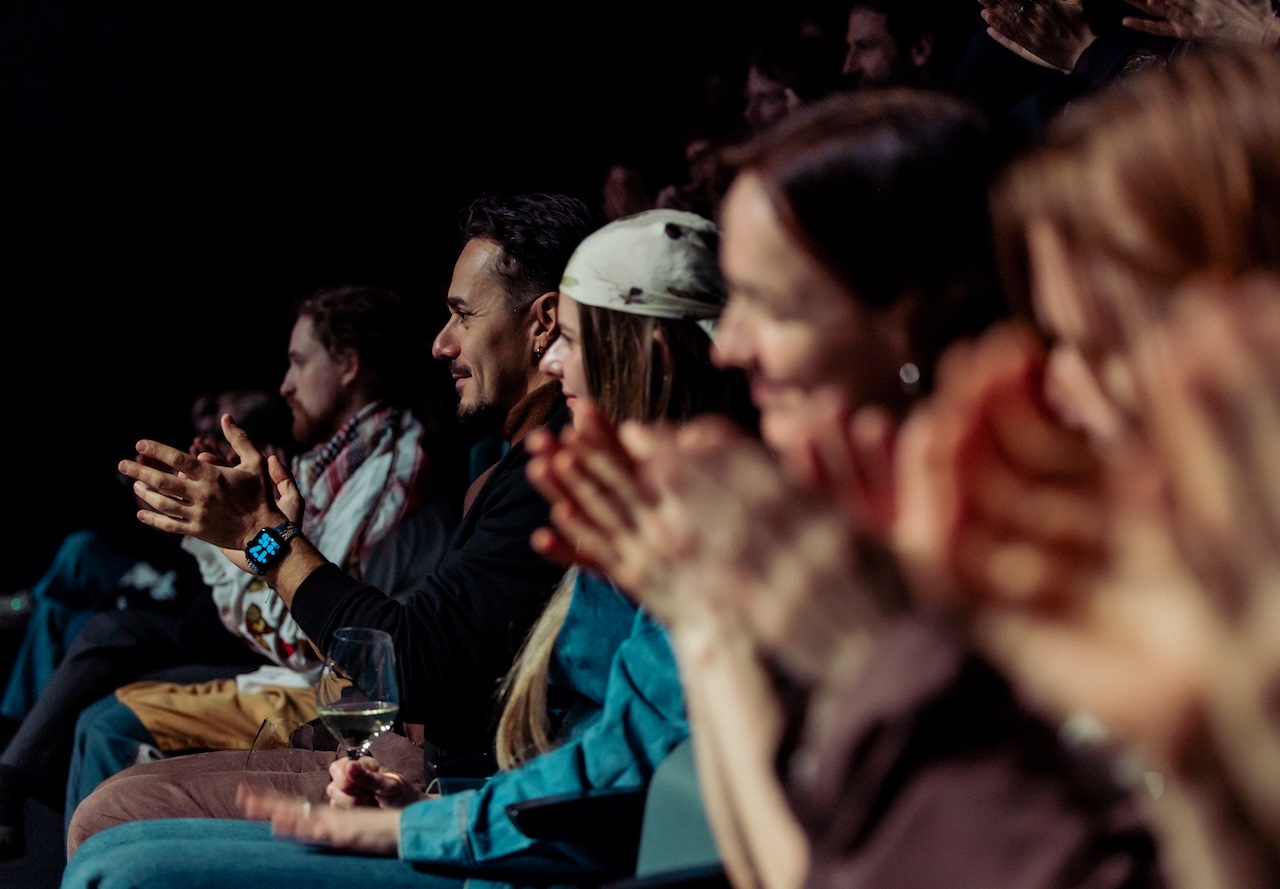
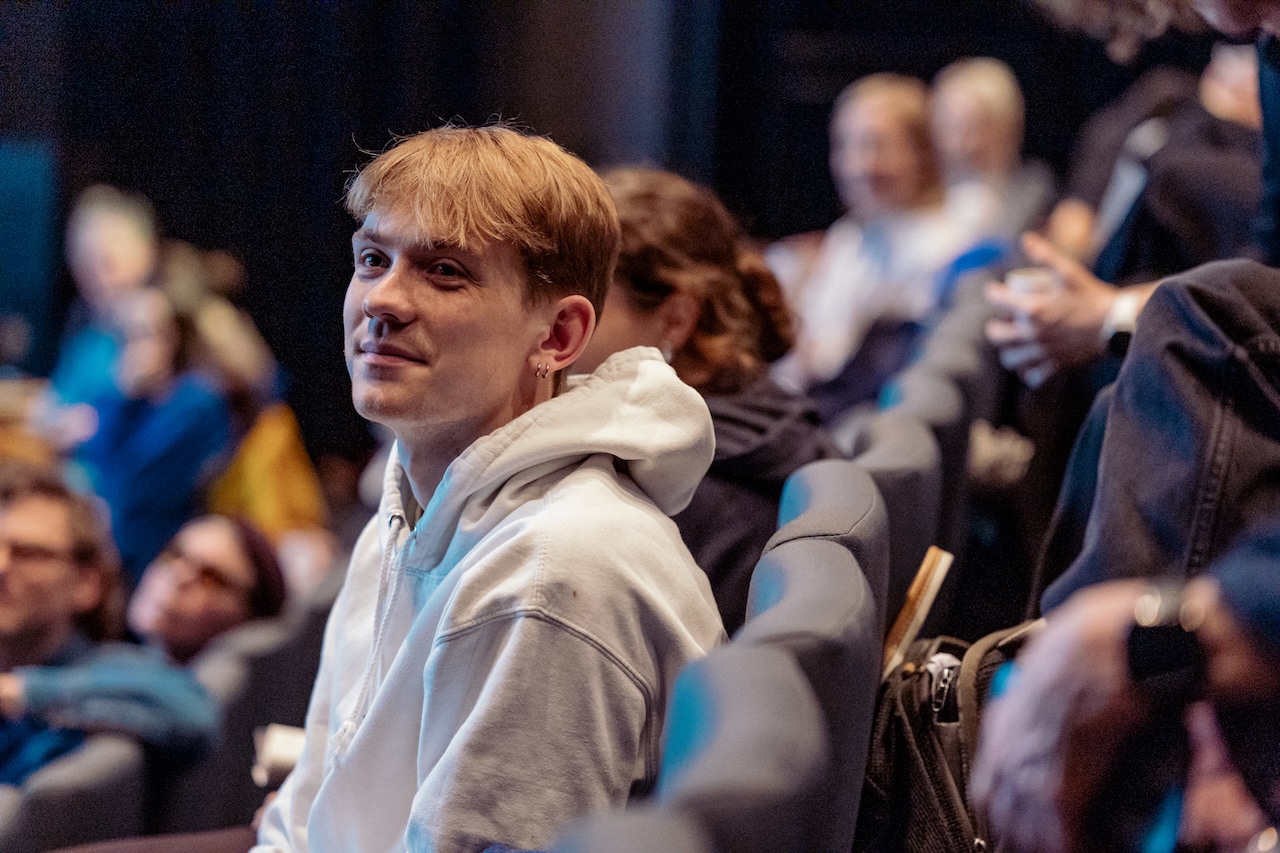
In March this year, a series of performances and talks at Dansens Hus, Norway’s national home for contemporary dance, explored present-day and historical struggles against fascism, as its organisers put it, ‘in dancing bodies on stage and in everyday life’. Choreographing Antifascism included a work by Isabel de Naverán, former curator of dance and performance at Madrid’s Reina Sofía Museum, which documented the 1936 death of Spanish dancer Antonia Mercé y Luque (La Argentina) amid Spain’s fascist military coup. Tributes to The Green Table in the programme included a piece from French and Romanian dancer-choreographers Manuel Pelmuş and Frédéric Gies, responding to Jooss’ original choreography to explore the drum-beat of war in our current moment.
Bojana Cvejić, the Belgrade-born Professor of Dance and Dance Theory at the Oslo National Academy of the Arts behind the two-day programme, says that rather than being an exercise in nostalgia, the programme urges audience to witness the echoes between the 1930s and the present: ‘making an arc between historical and contemporary fascism through dance figures, such as Valeska Gert [a German Jewish dancer who satirised Nazism in the Weimar Republic], La Argentina and legendary performances such as The Green Table.’ Choreographing Antifascism began and continues in Brussels and will return to Oslo in 2027.
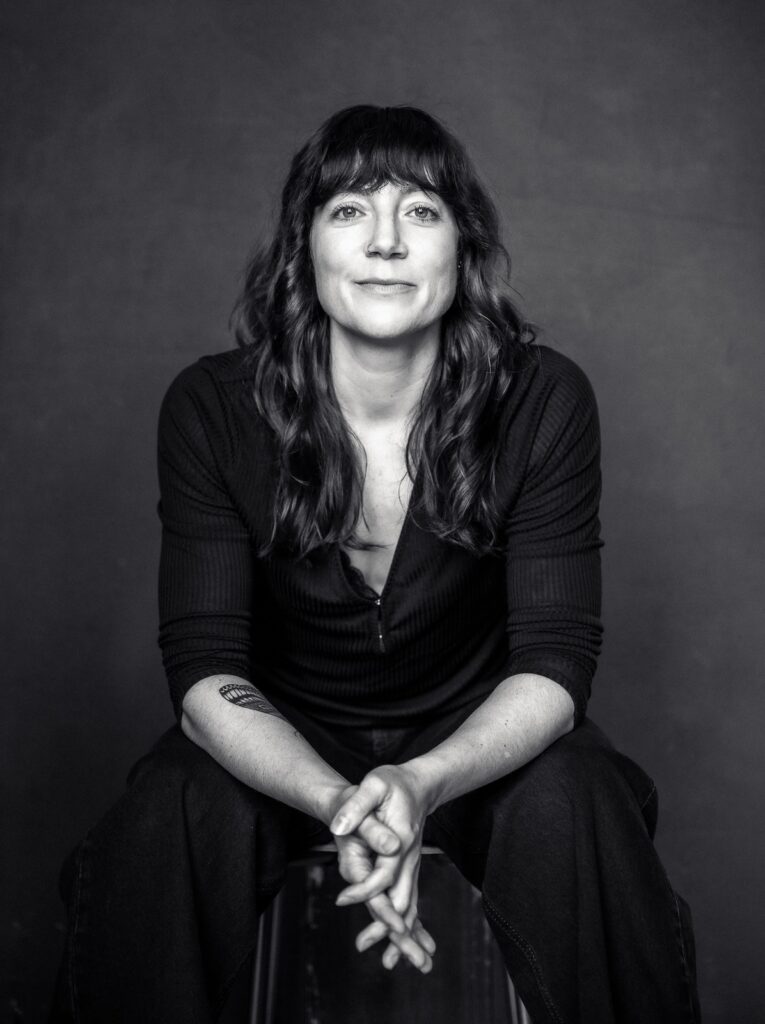
Ingeborg Zackariassen, artistic director of experimental platform No Deadline, who is Norwegian and based in Sweden, has explored the far right’s discipline and control of dancing bodies in her choreography and research. Her festival Rabbit/Duck probes political polarisation, and her series Creative Currents offers a platform for choreographers across Europe who struggle to establish careers in the face of cuts in arts funding, notably from the populist right.
Both Germany’s AfD and France’s Rassemblement National (RN) have singled out contemporary dance, modern theatre and performance art for presenting ‘anti-patriotic’ themes, as they slash municipal grants to contemporary dance companies where they assume regional power.
Zackariassen’s 2025 paper Dance the Resistance (subtitled ‘How to survive under the oppression of far-right politics? A portrait of Budapest’s defiant dance scene’) looks at how the authoritarian regime of Viktor Orban, which only ended with his election defeat this year, gutted the budget of choreographers, venues and dance publications across Hungary. She found that as many dancers migrated overseas, a handful of independent artists ‘with passion as their motor’ danced on.
‘You can ban a book, shut down a newspaper, but the body is present and alive’
Ingeborg Zackariassen
Zackariassen believes certain features of the authoritarian far right’s relationship with the dancing body are seen again and again across time. ‘Dance is seen as very dangerous from the viewpoint of authoritarian regimes because it is the one art form that can’t be fully separated from the body,’ she says. ‘You can ban a book, shut down a newspaper, but the body is present and alive, and therefore it’s ungovernable. This bodily freedom is a big reason dancing continues to be banned in certain parts of the world even today.’
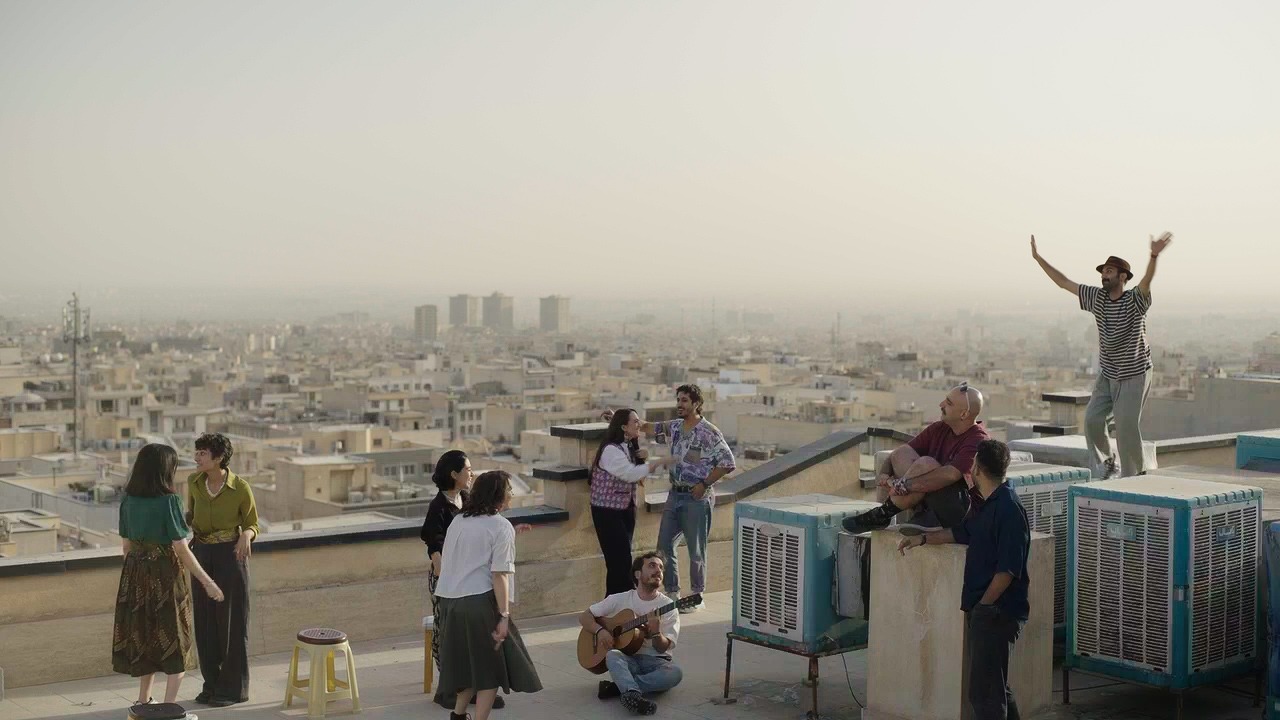
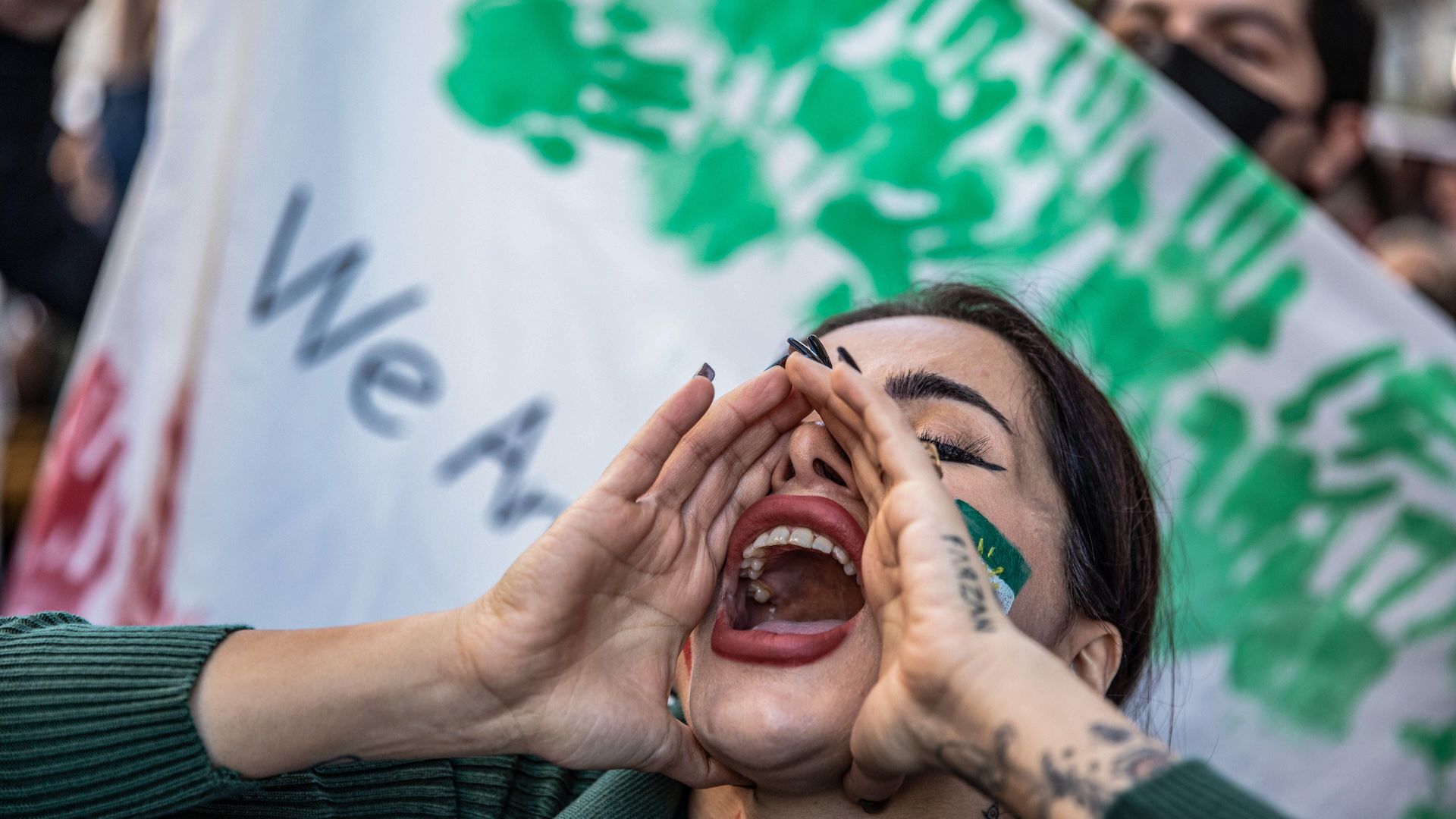
One of these contexts is, of course, Iran, where the ruling regime declares public dancing ‘indecent’ and contrary to Islamic law. These repressions have given rise since 2022 to the civil disobedience #DanceToFreedom movement, in which Iranian women dance publicly or post dance videos online as an act of bodily autonomy and freedom (leading to a series of high profile arrests and imprisonments).
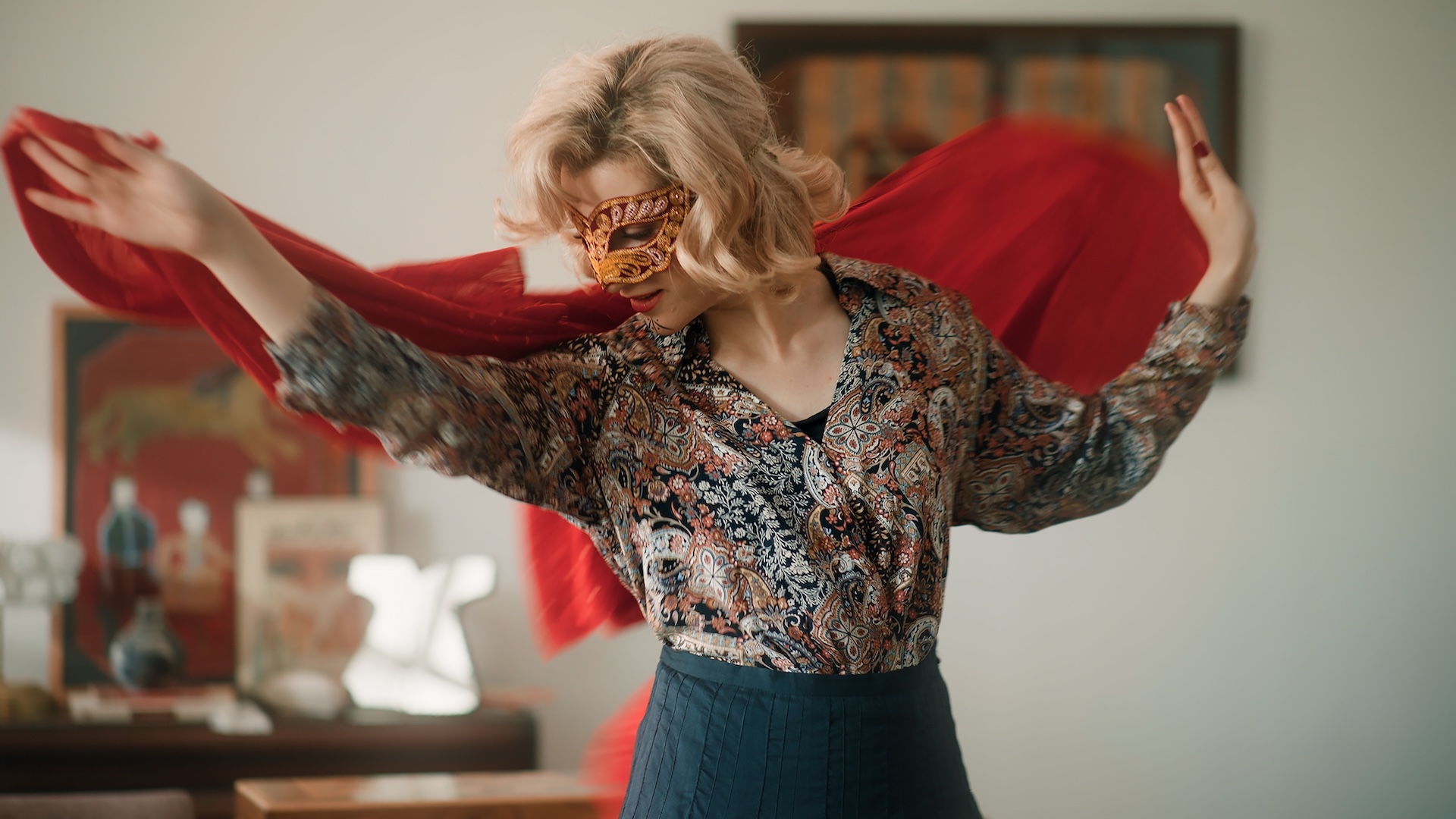
Tehran’s repressions of dance have been explored in a series of works by diaspora artists, including Iranian-American ballerina Tara Ghassemieh, whose The White Feather (2023) depicts the Islamic Revolution’s forcible disbanding of the original Iranian National Ballet in 1979. The 2026 film The Friend’s House Is Here, from Iranian-American filmmaker couple Hossein Keshavarz and Maryam Ataei, unfolds over a single tense night in an apartment building in Tehran, where dissident artists gather and dancer Hana leads them onto the building’s rooftop under the cover of night, dancing openly against the Tehran skyline. The feature was shot clandestinely, without government permits, and smuggled out after filming. Cast members Hana Mana and Mahshad Bahraminejad were later denied visas by the US to attend the premiere at the Sundance Film Festival.
‘Jooss’ message is that mankind never learns from their mistakes’
Jeanette Vondersaar
When Hitler was appointed Chancellor in 1933 he demanded that Jooss dismiss all Jewish members of his company (including the ballet’s composer, Fritz Cohen). Jooss refused to comply, fleeing with his entire troupe to England. The Nazis subsequently banned the ballet. Speaking in the 1970s, Jooss said The Green Table augured the rising forces of fascism and failed diplomacy: ‘a new war was being prepared, as we could all see.’
The Green Table has become a touchstone for ballet’s interrogation of the twin forces of nationalism and militarism. In 1967, a Joffrey Ballet staging in New York hit a nerve with a public wearying of the muscular government messaging and escalating death tolls of the Vietnam war. When Batsheva Dance Company staged it in Tel Aviv in 1975, the audience found echoes of Middle Eastern politics where peace talks often seem performative. For Jeanette Vondersaar, a répétiteur for the Jooss estate, ‘Jooss’ message is that mankind never learns from their mistakes. He was a pacifist and wanted to convey an awareness of the consequences and casualties of war, and of how futile it is.’
‘Dancers know what it means to put one’s body on the line’
Bojana Cvejić
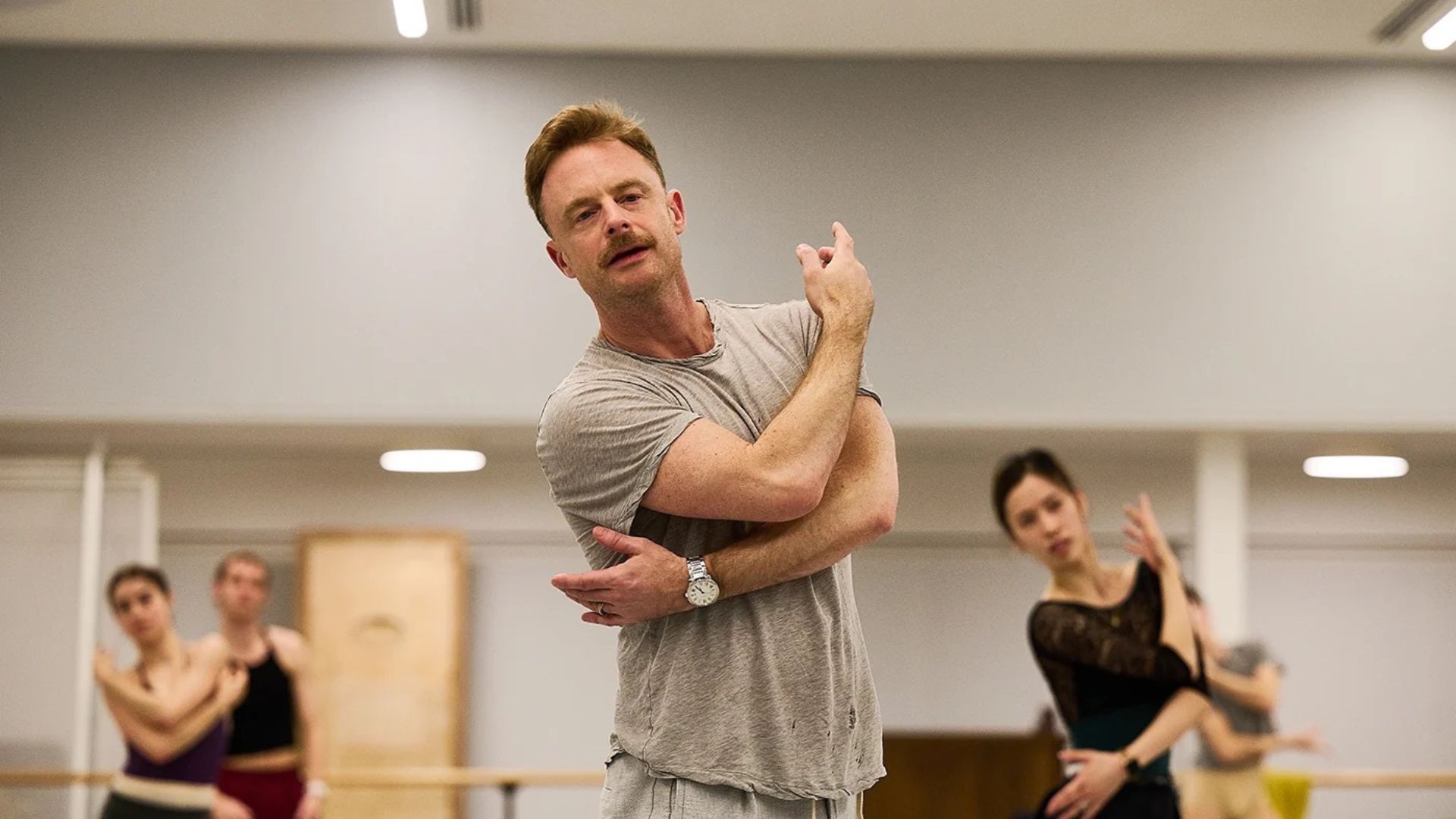
Vondersaar staged The Green Table for Birmingham Royal Ballet (BRB) earlier this year with Carlos Acosta as Death, celebrating the 100th birthday of BRB’s founding director, Sir Peter Wright. Wright began his professional career with Ballet Jooss and credits the choreographer for teaching the dance world that choreography ‘is as much about ideas as it is about steps,’ and that movement must ‘communicate a purpose rather than exist for its own sake.’
In our moment, Bojana Cvejić argues, ‘dancers have to continue fighting for their spaces and income, a living wage for their work. But besides that, they know best what it means to put one’s body on the line.’ For Ingeborg Zackariassen, dancers are duty-bound to use dance as a tool for finding common ground. ‘The simple acts of meeting other people and experiencing art are more important than ever,’ she says, ‘to keep our humanity intact.’
Watch
The trailer for The Friend’s House is Here
RESOURCES
Sally Howard writes for the Sunday Times and others, and is author of The Kama Sutra Diaries and The Home Stretch. Additional research by Calypso Lloyd-Davies.