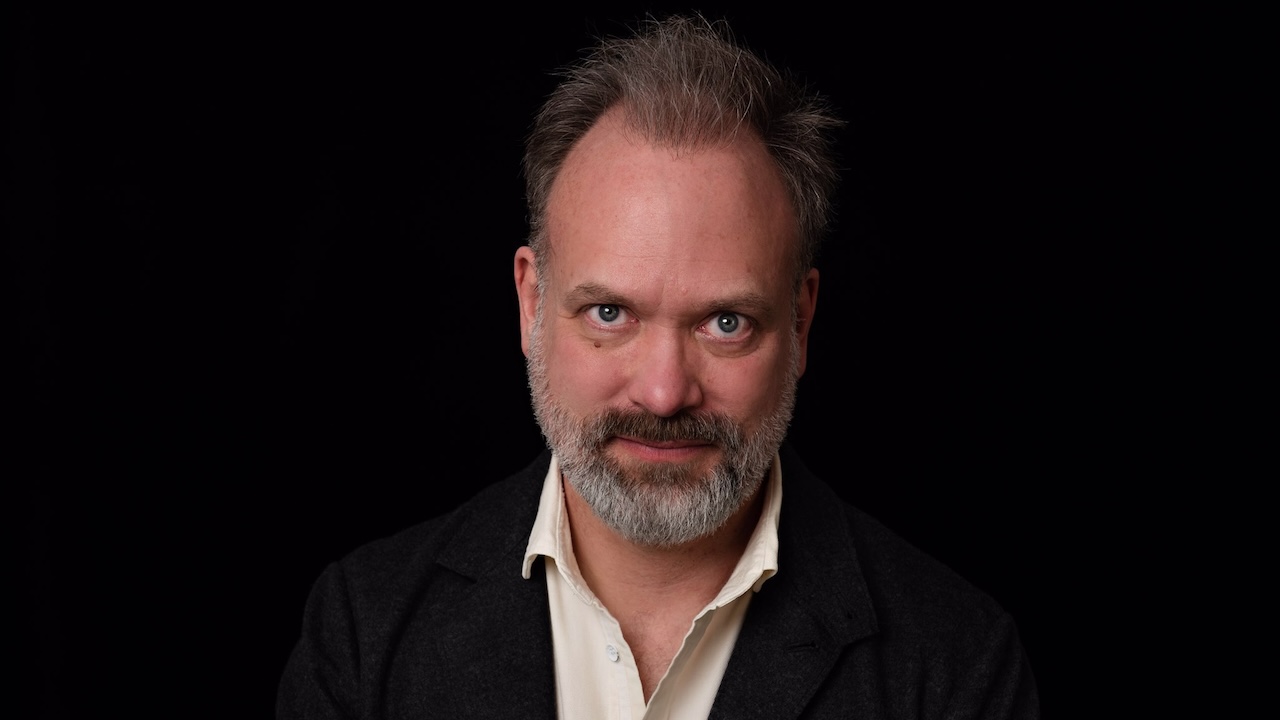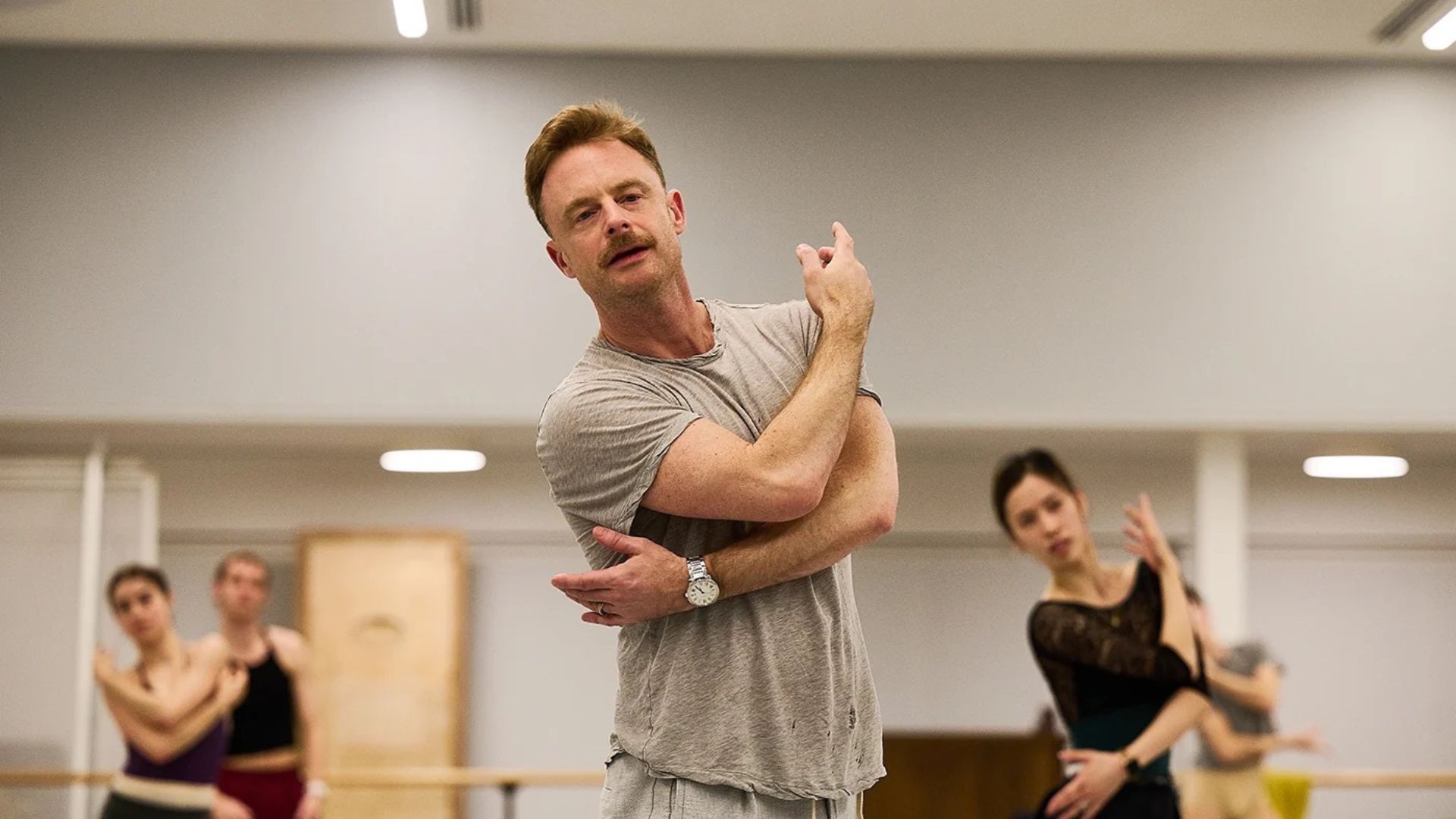
To begin, an impossible question. If choreographer Christopher Wheeldon could only work in one world, which would he choose: ballet or Broadway? He splutters, but then says, ‘faced with that very difficult choice, I would say musical theatre, because there’s still so much to explore and discover. I’ve been fortunate to choreograph for major ballet companies for years now – I love that and don’t want it to go away – but working in musical theatre as a director is still so new to me.’
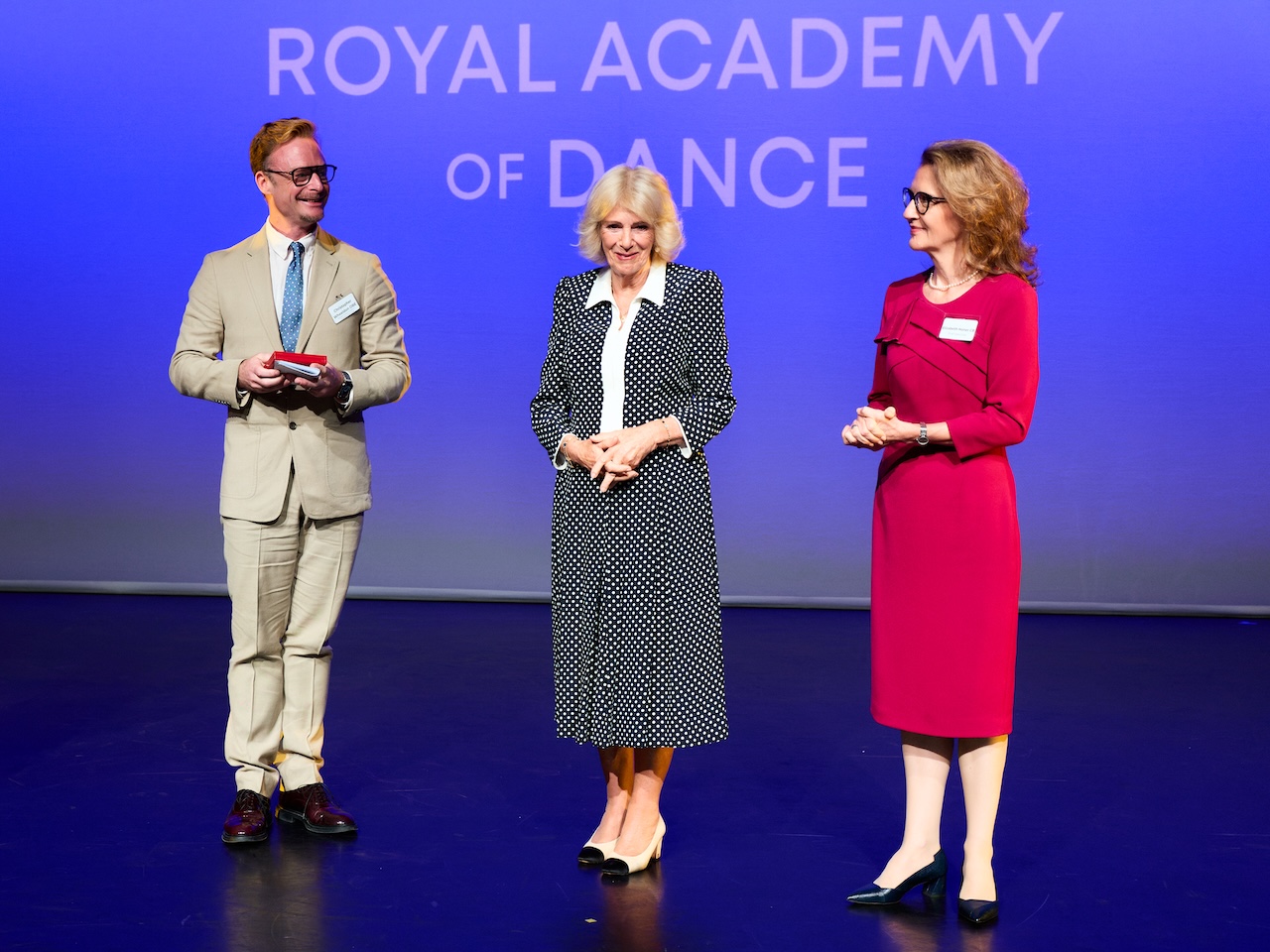
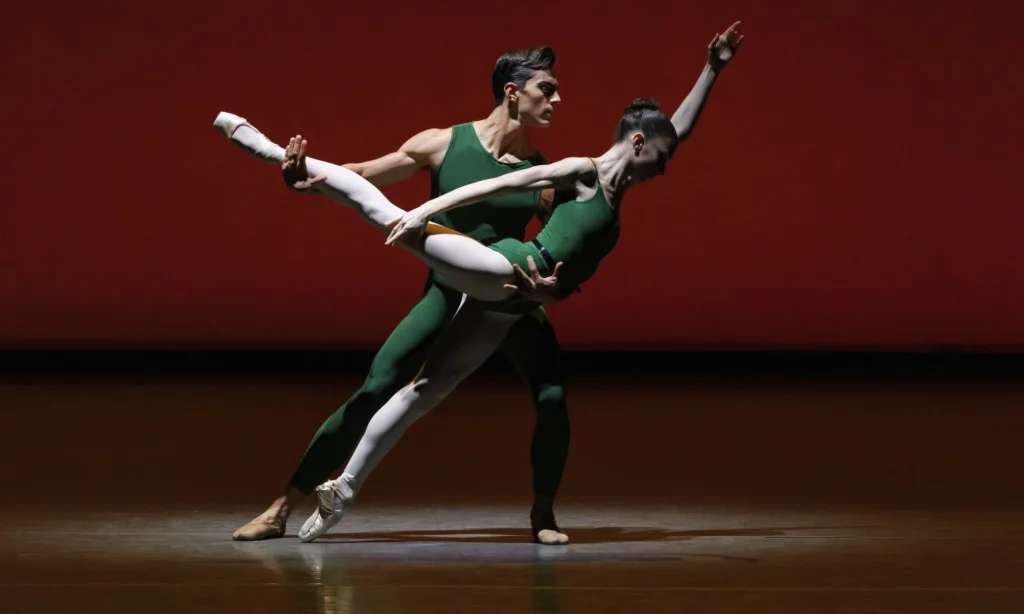
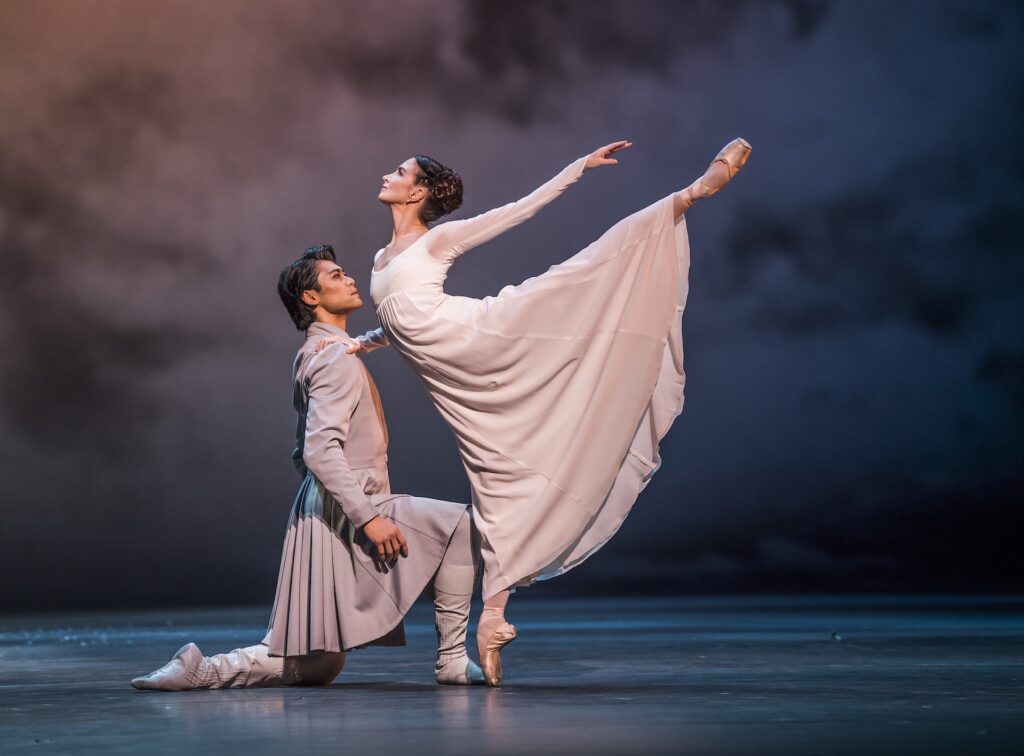
Wheeldon is a perfect victim for this question, one of the few choreographers to score on both classical and commercial stages – from elegant one-acters (After the Rain, Tryst) and full evening stories (Alice’s Adventures in Wonderland, The Winter’s Tale, Oscar) to hit shows (An American in Paris, MJ the Musical). He’s also president of Benesh International, dedicated to dance notation, all of which led to the RAD’s prestigious Queen Elizabeth II (QEII) Coronation Award.
He is also the 100th guest on Why Dance Matters, the RAD podcast. A longtime Englishman in New York, he speaks from his home, dogs snoozing cutely on the sofa. At 53, garlanded with awards, he’d be forgiven for world-weariness – but he’s as peppy and modest as the young dancer who first visited New York at 18.
‘Working with actors is very different from dancers. I felt very much out of my depth’
He fell for Broadway during that ‘epic week where I got my job with New York City Ballet, kind of by accident’ (more on that later). He also saw high-voltage shows: Nathan Lane in Guys and Dolls, Gregory Hines in Jelly’s Last Jam, Bernadette Peters in The Goodbye Girl. ‘It was a huge week for me, but I had no idea that I’d find my way into the world of Broadway.’
He’d choreographed The Sweet Smell of Success in 2002, but when the call came to direct his first musical, ‘I was very trepidatious,’ he admits. An American in Paris, based on the Gene Kelly movie, ‘was the most exciting, but also the most uncomfortable experience I’ve ever had creating, because I didn’t know the language of working with actors. It’s very different from dancers. I felt very much out of my depth – yeah, those were some sweaty days.’
His rookie error, he explains, was approaching it like a ballet, to be created on its feet. ‘I like to discover in the room with dancers. I don’t do a whole lot of preparation other than learning the music. Actors are used to breaking down the script. They ask questions, many of them, from the get go. I remember ashen, confused faces on that first day of rehearsal – I’m like, everybody up, let’s block this scene! Somebody whispered, “I think they want you to read through the script first.” It was a bumpy start.’
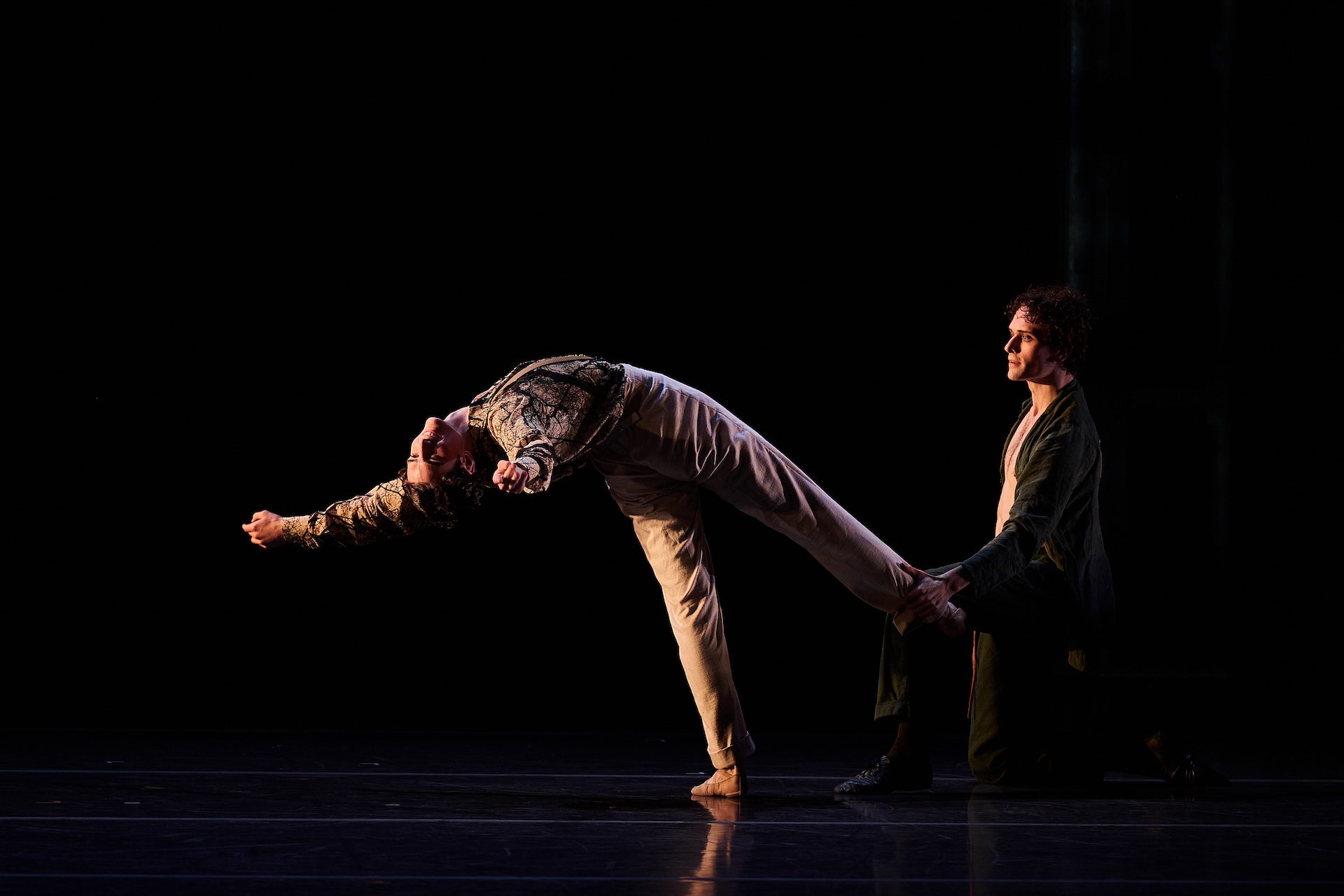
An American in Paris won him a Tony in 2015, followed by MJ The Musical in 2022. Another hit, another Tony, if shadowed by Michael Jackson’s problematic reputation (‘there are complications around it,’ Wheeldon acknowledges). He still believes Broadway ‘could learn from how much we [in ballet] rely on trust and instinct, and not discuss every single detail at every point.’ Even so, this way of working now inflects Wheeldon’s full-length ballets. ‘Having had the experience of working with a writer,’ he says, ‘understanding how to break down a script for an actor, mine emotions and find the imagery – that certainly came from working on Broadway.’
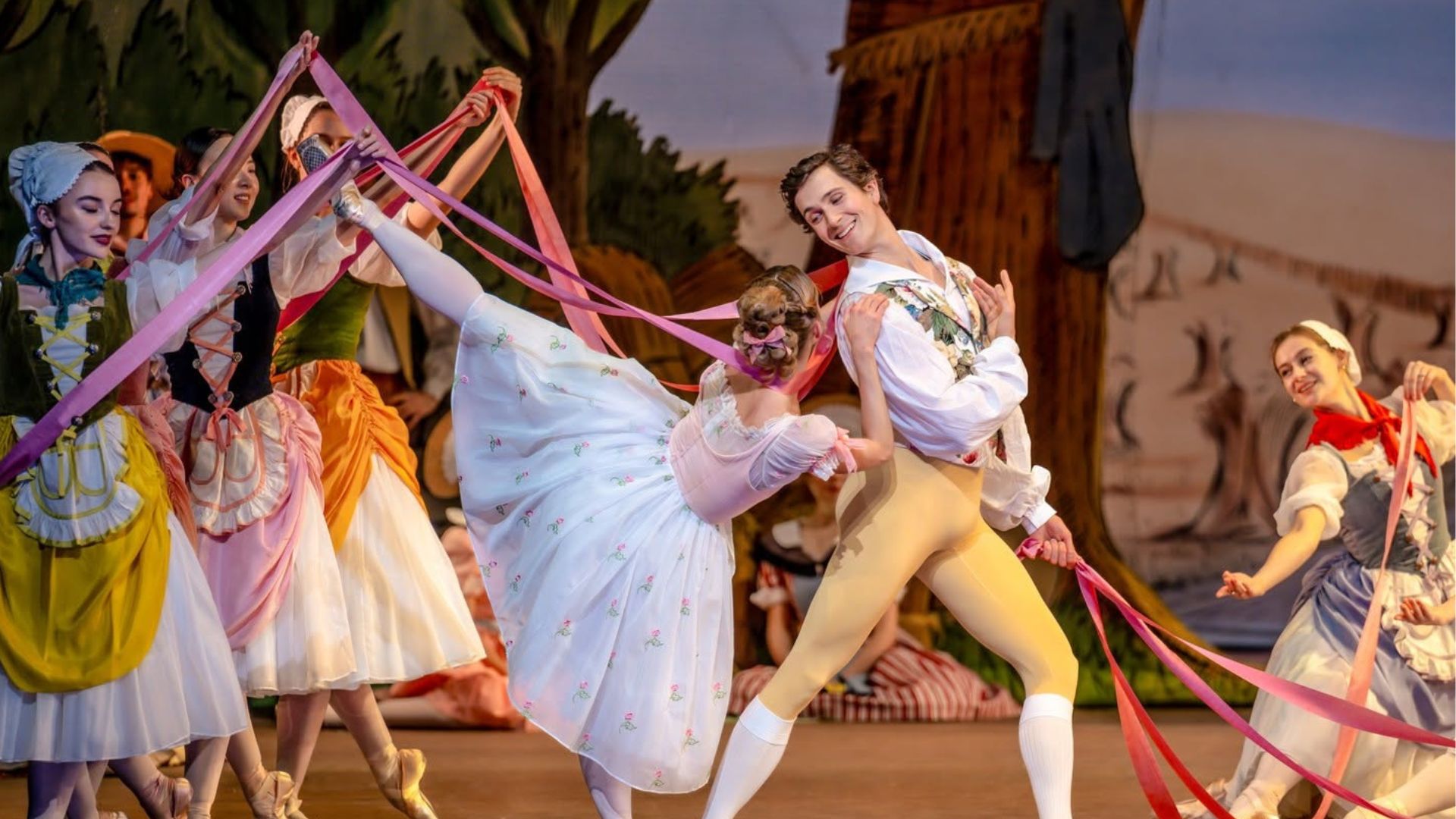
Early exposure to dance was nurtured by theatre-loving parents. ‘I was ballet focused from the get go,’ he says, first entranced by Frederick Ashton’s La Fille mal gardée (‘those chickens, they’ll get you every time’). Local classes in Somerset led to the Royal Ballet School, and making work entered the mix aged ‘eight or nine’. ‘We had a wonderful teacher on Saturday mornings who would allow us to break off and choreograph little things.’ One piece was selected for demonstrations in local schools – ‘my first feeling that this might be something I was good at.’ But it was as a dancer that he entered the Royal Ballet in 1991, having won the Prix de Lausanne gold medal.
Which brings us to that life-changing visit to New York. How did it come about? ‘Funny story,’ he says. Back in 1992, Hoover offered a crazy promotion – buy a vacuum cleaner and win free return flights to the US. ‘They got themselves into a pickle,’ says Wheeldon with a grin. ‘Even as someone who is terrible at math, it wasn’t difficult. Everyone went out and bought the vacuum.’
So the following spring, Wheeldon went west. ‘I walked past the building I stayed in just the other day, and remembered how I’d stood on the toilet for most of the night, leaning out the window and looking at the Empire State Building.’ Excitement still tingles in his voice. Next day, he took class at New York City Ballet, buzzing at sharing the air with dancers he’d only seen in photos. ‘I changed in the men’s toilet because I was too nervous to go into the dressing room.’
As it happened, NYCB was recruiting. When artistic director Peter Martins popped in, Wheeldon thought, ‘Oh hello, I’d better do an extra couple of pirouettes.’ They must have been sharp, because Martins offered him a contract. ‘I was gobsmacked. I said, “I’m really sorry, but I’m not here to audition.” The brain was whirring.’ There followed an eye-popping week watching Broadway shows and NYCB classics. ‘I saw all these mind-blowing ballets I’d only ever read about, and an astonishing array of dancers, dancing with freedom and abandon.’ He’d enjoyed Balanchine style at school, a thrilling corrective to precise Vaganova: ‘suddenly there I was flying all over the place. I loved that, and I loved what I was seeing.’ He flew back – but soon returned.
The city became home. ‘I took to it like a duck to water. It was the moment where I stepped into myself as a human. I came out of the closet. I felt brave, like a pioneer staking a claim in a new land.’ The new territory included Balanchine technique. ‘I spent the first year and a half feeling like someone had tied weights to my ankles,’ he says, ‘because everyone was moving 10 times faster than I was, but it was exhilarating.’
‘I took to New York like a duck to water. I felt like a pioneer staking a claim in a new land’
New York also made him a choreographer. ‘There was more opportunity in New York,’ he agrees. In ballet, mentorship is rarely formal, but legends dropped advice at the perfect moment. Kenneth MacMillan, seeing an early piece, said, ‘Now you just have to take every opportunity you can.’ For Wheeldon, this was ‘big advice. I took it to heart and have followed it always, and loved him – and kind of hated him for it too, because there are times when I’m like, okay, Chris, you could just say no!’ Jerome Robbins watched ballets made for NYCB’s School of American Ballet. ‘Jerry didn’t say very much, but he would pinch you, which usually meant he was happy. He looked at me quizzically and was like, “You don’t need to do everything in one piece.” I thought long and hard about that.’
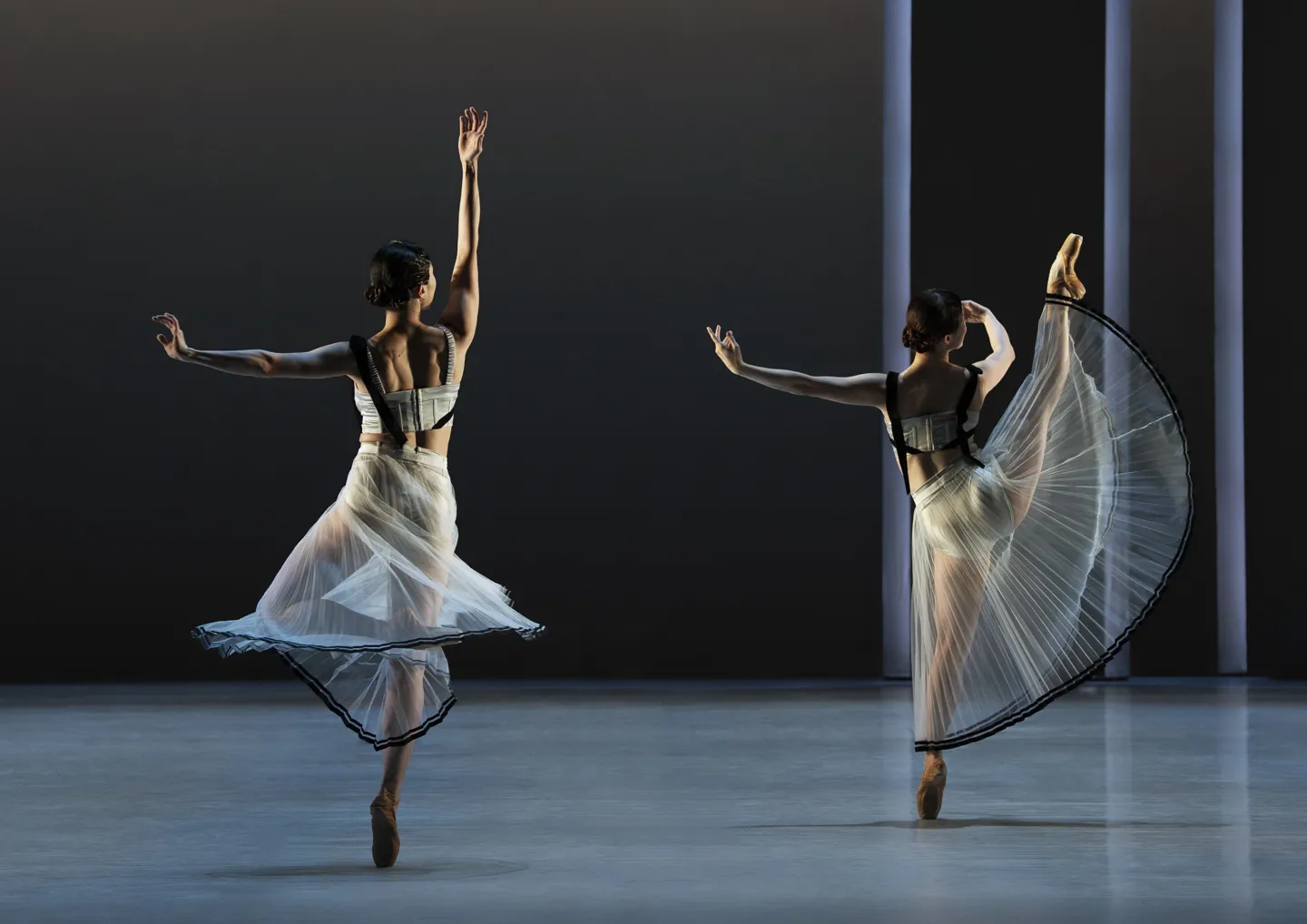
‘I couldn’t stage one of my works from memory. I could barely stage it from video’
Wheeldon’s role as President of Benesh International would surprise his student self. ‘I used to skip my Benesh classes,’ he admits sheepishly. ‘I used to sit under the library table and read Dance magazine.’ Nowadays he feels ‘lucky to have two or three notators that I’ve worked with consistently over the years.’ His ballets are ‘always evolving,’ he continues, insisting that ‘I couldn’t stage one of my works from memory. I could barely stage it from video.’
Luckily, Benesh notation is there to register the changing detail. When we spoke, Wheeldon was anticipating Corybantic Games at Royal Danish Ballet – staged by Anna Trévien, a regular colleague, but not the original notator. ‘She’s staging it from the book, and it will be interesting to see how much nuance and musicality is truly captured in a score. I’m confident it will be most of it.’ In the studio, his memory stirs. New York City Ballet recently staged Continuum, first made over 20 years ago. ‘I get sucked back in time. It’s knotty, complex music by Ligeti, and it’s amazing to me how I remember even the smallest shifts to the musicality. It comes back very clearly, so then I feel useful.’
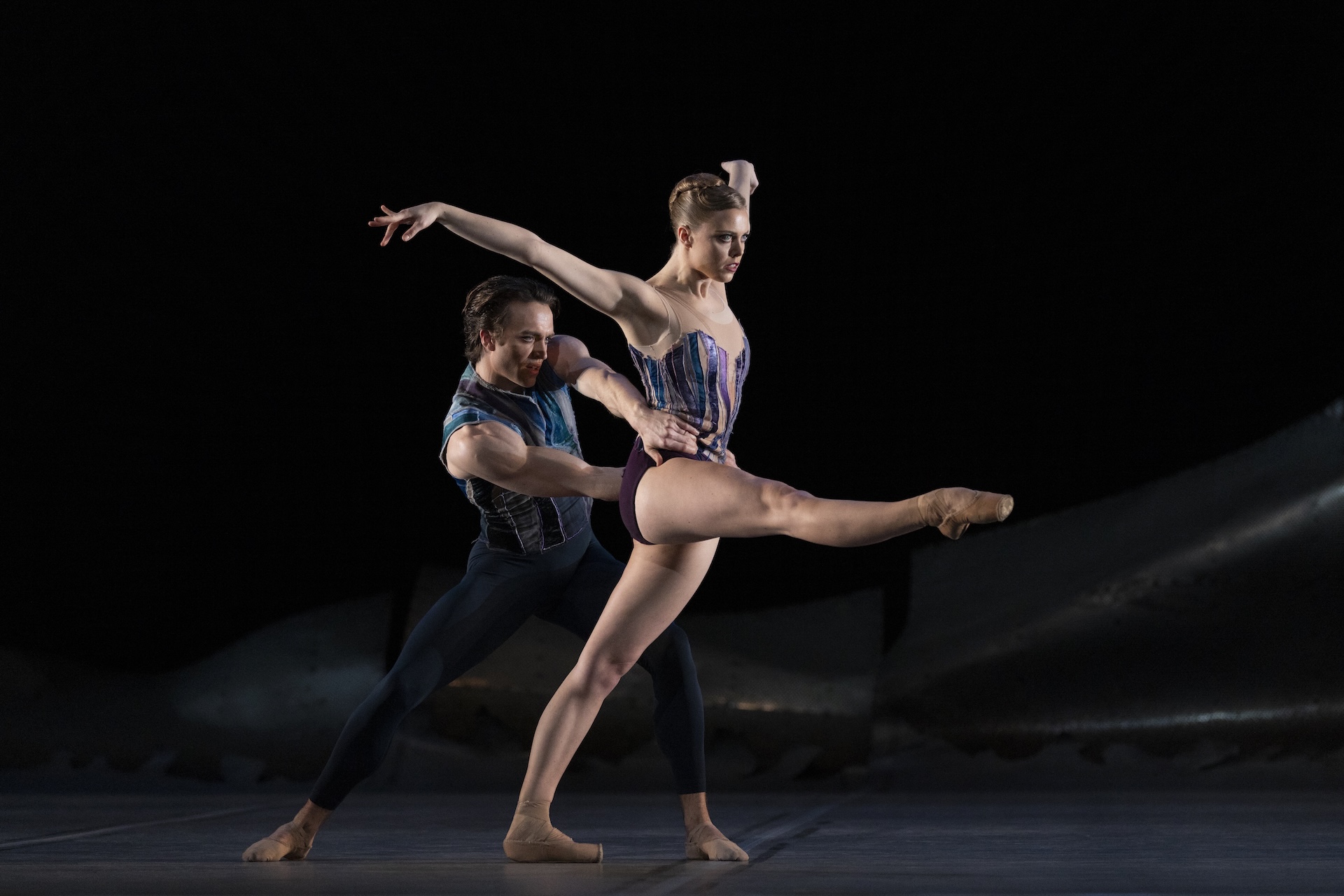
Looking back is also apt when a lifetime achievement award like the QEII comes along. Wheeldon still feels like a dancer, he says, but doesn’t regret ending his performing career at just 27. ‘I would have loved to have danced Romeo or Siegfried, but that was not my destiny.’ Endearingly, he concludes, ‘life has been very surprising, in the best ways.’
LISTEN
Christopher Wheeldon on Why Dance Matters