Nine years ago, a municipal dance school in San Agustín del Guadalix, near Madrid in Spain, set out to improve dance students’ results and motivation by adopting the RAD teaching method. A wide-ranging study, overseen by Maria Angeles Ruiz Belda, has concluded that students have maintained their motivation and achieved a high standard of technical improvement over the nine years of the study. ‘We can say that at the moment we have the highest quality advanced level in all the years that we have been working in San Agustín del Guadalix,’ say the research team.

The municipal dance school in San Agustín del Guadalix is managed through a non-profit cultural association called Qelium. As well as teaching dance, it seeks to ‘transmit the love for dance and culture.’ They teach ballet, flamenco and modern dance, among other forms. 

‘Often, the challenge for municipal and private schools is striking a balance between maintaining high academic standards and keeping students motivated,’ write the researchers, adding that ‘the lack of a shared teaching methodology and clearly defined goals often leads to more limited results.’ The school sought a programme that ‘could motivate the students, make them advance technically and enjoy learning to dance better, even if it was more demanding.’ This is why the school introduced the RAD system.

‘The school sought to motivate the students, make them advance technically and enjoy learning to dance’

It was especially significant for younger students. ‘It is not just about distracting them in class,’ the report explains. ‘It is important that we begin to build … in the direction of better training later on.’ The school’s two ballet teachers and their colleagues ‘agreed that the classes/exercises that are proposed in the RAD project for the work of the little ones (3-8 years old) are excellent… presenting many exercises for the classroom in the form of games, taking advantage of spontaneity and creativity at these ages and leading them to the acquisition of skills necessary later on.’

The school now holds RAD exams and mounts an annual show so that families can share in students’ progress. ‘The motivation of the students who decide to start their exams grows enormously,’ the report states, ‘and the involvement with dance improves in essential aspects such as attendance and the completion of homework. We see the improvement in all the aspects that we consider important a few months after starting the work: technical, expressive and musical level.’

Despite the effects of both the 2020 pandemic and a falling birth rate in the municipality, the report concludes, ‘the objectives we were looking for have been achieved and we hope to continue improving year after year.’
RESOURCES

SEND YOUR FEEDBACK

You moved from ballet into musical theatre. Was that an easy transition? 

I went to English National Ballet School at 16 and then worked as a ballet dancer. I did the first Swan Lake in-the-round for English National Ballet. I was on the beach in Australia with that production, and thought: I love dance, but I need variety. I’ve learned that I need a portfolio of work. So I applied to Laine Theatre Arts, where I’m now Head of Jazz, and made that transition. 

I hadn’t realised how well the two worlds fit and complement each other. Classical training put me in good stead for dance-based musical theatre roles. I assisted Carlos Acosta on Guys and Dolls, I did Twyla Tharp’s Movin’ Out, and in Saturday Night Fever by Arlene Phillips I had a pas de deux in the disco scene that required a classical technique. 

If you look at American choreography by Jerome Robbins or Bob Fosse, that technique comes through. My jazz classes always have a classical base. Musical theatre dancers in America dance for a lot longer than they do in the UK, and one reason is their grounding in classical technique. Before a show, they will do a ballet barre. I’m 47, but did my last performance not long ago. I think classical training gives you longevity. 

What makes the new RAD syllabus distinctive?

Consulting on the syllabus has been a joy. I haven’t experienced anything like this before. There’s a progression through the grades and exams, the idea that teachers can have ownership and create material. Students learn about the industry as they move through: it’s carefully thought out and super creative. It’s also inclusive: people can excel regardless of whether they’re stronger in their singing, acting or dance. It will enable them to build confidence, because it’s equally weighted, and is a good match to the industry.

Many students won’t pursue a professional career. What does the syllabus offer them?

It’s very educational, in the knowledge that these young people learn, and the work they produce. You can see their excitement and joy in the creative projects. That might open up other areas: set design, costume design, lighting, direction, music, choreography. Or they may become a journalist and write about the arts!

How will you introduce the syllabus at the RAD Members’ Conference?

I’m doing two workshops. The first one is a repertoire-based session exploring musical theatre dance technique, style, musicality and narrative intention. I’ll look at that natural progression from classical ballet.

The other session is about dancing in heels. In musical theatre, everyone dances in heels – even men in shows like Kinky Boots. Whenever I teach ballet in a musical theatre context, I put them in their heels at the barre or in the centre. Training in heels is a specific craft that I’m excited to share. It changes the weight placement and where you can place certain positions, because you have this extra extension on your heel. Jumps in heels need training, because obviously they must be safe. I’m really passionate about it. 

What adjustment might RAD ballet teachers need to make for this new body of work?

There can be a little fear around a new style – but musical theatre isn’t a world away from ballet. Storytelling within musical theatre is brilliant – the way a ballet dancer acts is very different, but both can learn a lot from each other. It’s about looking at similarities between the worlds rather than the differences.

What makes a good musical theatre teacher?

This isn’t specifically about musical theatre – but making the space inclusive. Helping people understand that making mistakes is the best thing they can do, because that’s how we learn. Getting people into their creative juices – working out how different individuals are inspired in different ways. I do enjoy that part of teaching.

What did you learn from the theatre legends you have worked with?

Each person has their own creative process, and they’re all so different. Some people come into the space with everything mapped out. For others, it’s a far more organic process. The best spaces – like Susan Stroman’s – have been creative and kind. Often, especially if you’re in the original West End cast of a show, that’s quite high pressure. But you learn that working together as a team is everything. 

What’s your favourite musical dance number?

Surprise, Surprise from the film of A Chorus Line. I wrote to Gregg Burge, who sang the number, and said, you inspired me as a child. I watched it over and over. 

What do you hope teachers and students will take from the new syllabus? 

I hope it opens up a new world of musical theatre. I also hope it helps build confidence, and helps people feel brave to go towards the areas that they don’t feel as secure in, so that they will feel comfortable in acting, in dance and also in singing. I believe this syllabus could help change the journey for young people, because it’s creative, fun, educational – it’s excellent.

RESOURCES

SEND YOUR FEEDBACK

The Royal Academy of Dance has announced an exciting new collaboration with The Frederick Ashton Foundation. This year, as part of the prestigious Margot Fonteyn International Ballet Competition, young dancers and audiences will be immersed in the legacy of one of the world’s most celebrated and influential choreographers – Sir Frederick Ashton (1904–88), Founder Choreographer of the Royal Ballet.

‘This partnership is a beautiful tribute to the legacy of both Dame Margot Fonteyn and Sir Frederick Ashton, a choreographer who contributed so much to the unique style of British ballet,’ says Dame Darcey Bussell, President of the RAD. ‘By incorporating Ashton’s choreography into the competition, the RAD and the Foundation are ensuring Sir Fred’s genius is experienced by the next generation of young dancers worldwide. It is an evolution of The Fonteyn competition that I am incredibly proud to champion.’

The collaboration will allow candidates from across the world to engage with Ashton’s distinctive style, characterised by elegance, lyricism and expressive musicality. Each candidate will learn an Ashton variation – with exclusive access to a film of the solo being coached by an Ashton répétiteur, along with other resources from the Foundation. Dancers will have a unique opportunity to connect with Ashton’s ballets and deepen their understanding and appreciation of his choreography.

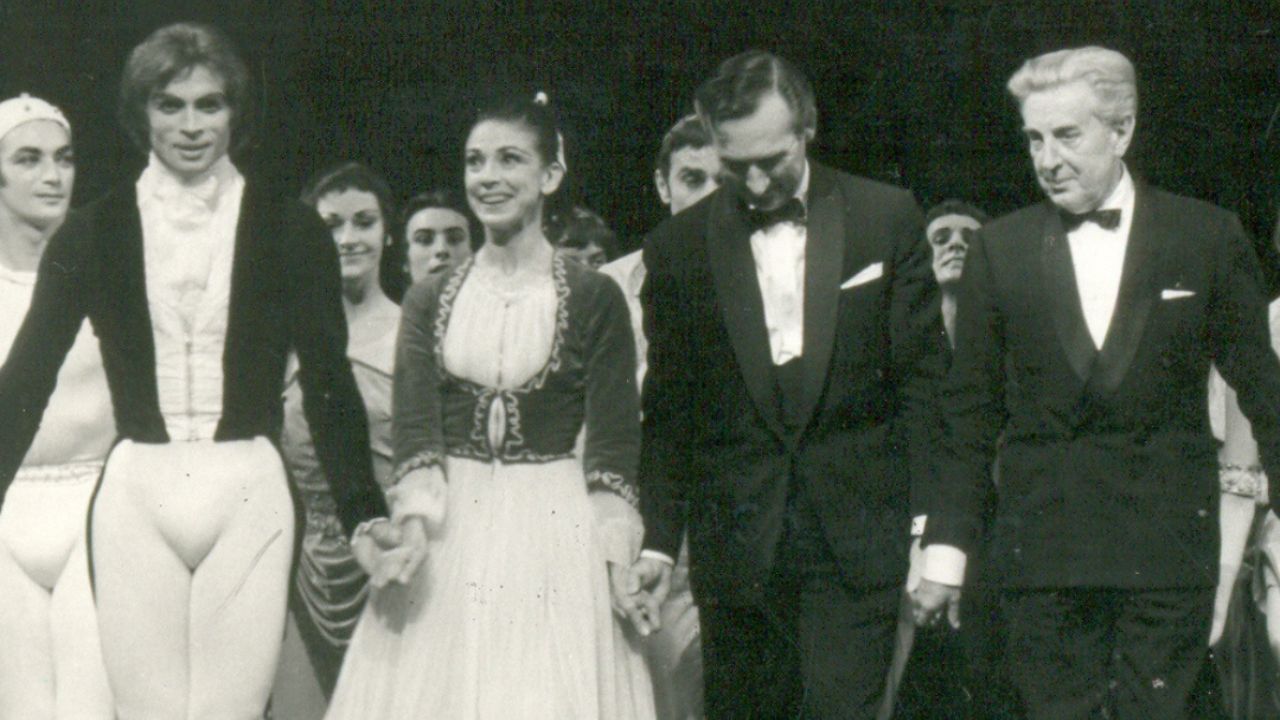
Frederick Ashton (right) rehearsing Ondine with Margot Fonteyn and Michael Somes in 1958. Photo: GBL Wilson/RAD/ArenaPAL

Alexander Campbell, Artistic Director of the RAD, calls the collaboration ‘a landmark moment for The Fonteyn.’ He continues, ‘by bringing Ashton’s iconic choreography to our candidates, we are connecting the next generation of dancers to one of the founders of British ballet. I can’t wait to see the dancers embrace Ashton’s choreography and perform it on a world stage.’ 

The Frederick Ashton Foundation, established to preserve and enrich Ashton’s legacy, plays a pivotal role in maintaining the ‘Ashton style’. Jeanetta Laurence, Chair of the Foundation, believes that Ashton and Fonteyn ‘shared a remarkable creative partnership that helped to define the distinctive voice of British ballet. This collaboration will place Ashton’s work in the practice studios and ambitions of young dancers around the world, allowing them to engage with this heritage not just as history, but as part of their own artistic journey.’

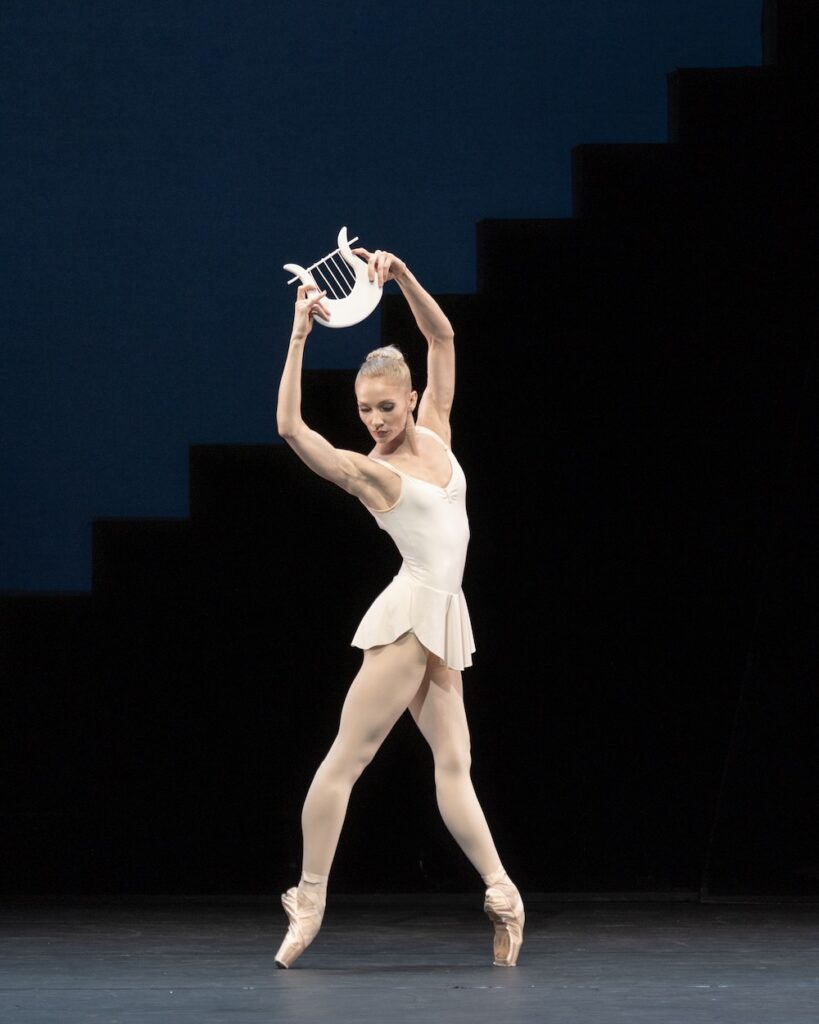
Ashton’s Symphonic Variations (Royal Ballet). Photo: Tristram Kenton

The RAD has assembled a team of Ashton experts to coach and judge the competition. The judging panel will include Dame Darcey Bussell, Ana Maria Campos, Leanne Cope, Francesca Hayward, Mthuthuzeli November, Kevin O’Hare and Lynn Wallis.

The Fonteyn 2026 will be held in London from 31 October–8 November. The week begins with coaching and semi-final sessions at the RAD headquarters in London, with the much-anticipated final at the majestic London Coliseum in the West End.

RESOURCES

SEND YOUR FEEDBACK

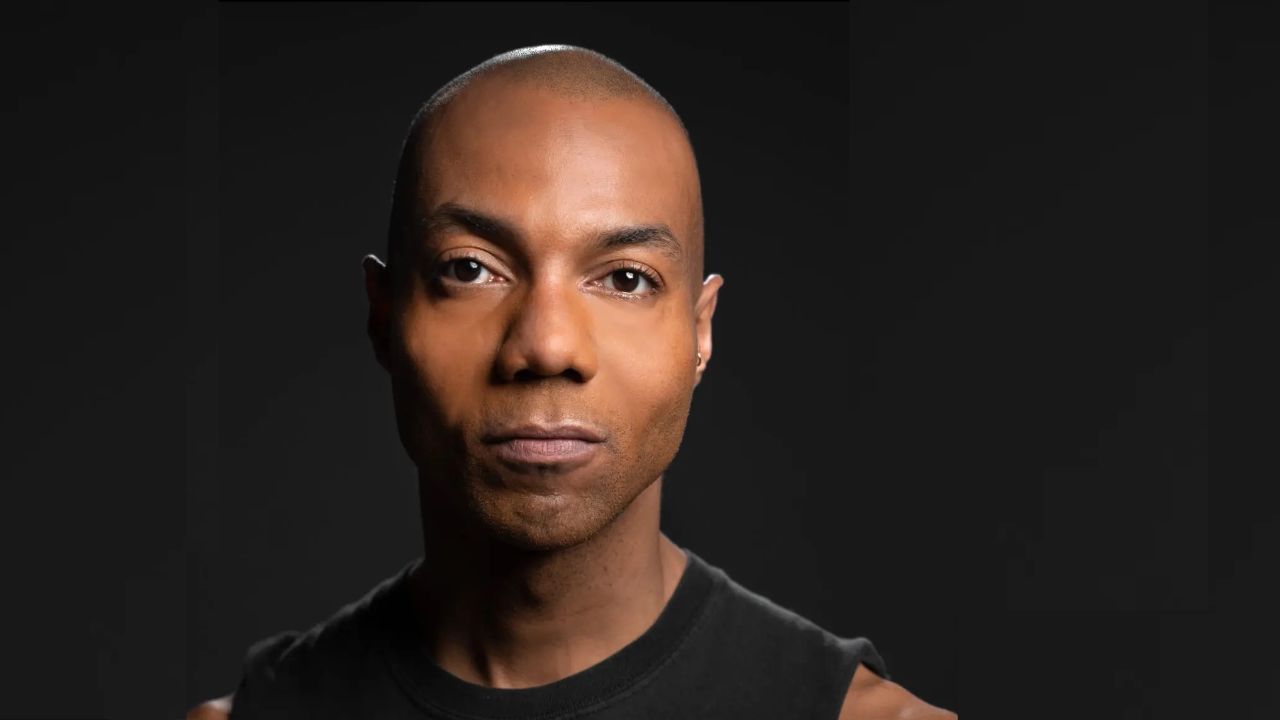
1 Door Of The Cosmos by Sun Ra

I love Sun Ra: an African American musician who is considered the godfather of Afrofuturism. Afrofuturism as a philosophy is a huge inspiration in my work. It’s an opportunity for African Americans and people from the African diaspora to create new stories that reimagine a future that shines more luminously than our past. In Door Of The Cosmos the sound is very experimental and avant garde, using electronic instruments. There’s something limitless about it, a vibrant quality that connects me to a sense of boundless possibilities, a portal towards peace and creative freedom.

The lyrics go, ‘Love and life/Interested me so/That I dared to knock/At the door of the cosmos’. I use this track in my work Black Hole – it creates a sense of going on this epic journey together through the cosmos, that opens a portal towards new possibilities of how we can experience humanity.

2 Feeling Good by Nina Simone

Nina Simone is one of my heroes. Her voice carries such depth of the African American experience: growing up at the time of Jim Crow and segregation in the States, and deciding to travel out of America to create a sense of space for her creative expression, yet still very responsive as an activist towards the struggles of racism in this country and abroad. The weight of those issues comes out so profoundly in her voice. At the same time, she’s an incredible musician, a classical pianist who went to Juilliard. Feeling Good for me depicts the power of Black joy. I love the sense of rebirth and inspiration that we get from our relationship to nature. The lyrics resonate with a new dawn, a new day, a new life. It’s a reminder that each day is another chance and opportunity at Black joy – Feeling Good also sparks the present possibilities of hope and pleasure as power.

3 A Single Point Of Blinding Light by Ben Frost

Ben Frost is an Australian classical, minimalist, punk rock, black metal musician. I have a huge inspiration in techno, which is an electronic and dance music expression born from Black musicians from Detroit. In techno, there’s a lot of use of industrial tools and instruments to create a visceral soundscape. 

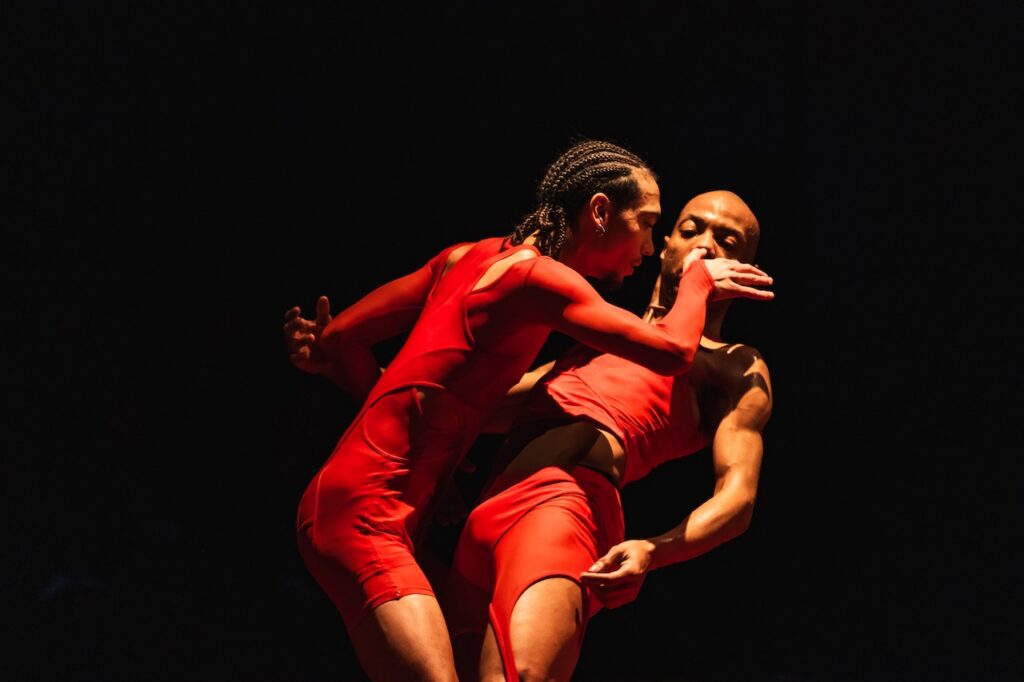
I use this track in Touch of RED – it’s a section with a lot of chaotic movements and the sonic offering of A Single Point Of Blinding Light adds to the overwhelming, visceral experience. What resonates for me in A Single Point Of Blinding Light is its intensity, its polyrhythm, its chaos, its kaleidoscopic, underground vibrancy. It’s groovy but dissonant, a huge sonic experience.

4 let it sink in by Klein

Klein is wow! She’s a Nigerian British experimental electronic underground musician. I’m such an admirer of her music, which I use for the ending of my new work Marks of RED. Klein has this distinct sound that layers electronic music, R&B, noise and field recordings. Let it sink in is like a lullaby that resolves with this restful wave that washes over the space. At the end, she disturbs that harmony – because she’s a really good disrupter. She brings in the voice of what I imagine to be a little Black girl with a lullaby-like voice that then goes on an R&B riff that marks the space in a beautiful way. She’s awesome.


5 Godspeed by Frank Ocean

As a queer Black artist, what I really love about Frank Ocean is that his work explores themes of love and identity and heartbreak – he is able to capture personal experiences that jump through different time zones and connections. He has a sense of nostalgia, but also mundane daily activities and sexual explorations and a sense of dreaming towards a brighter future. Godspeed reminds me of the Black church, and like the Sun Ra or Nina Simone tracks, there’s a sense of hope, praise and grace, connecting this human experience to the divine.

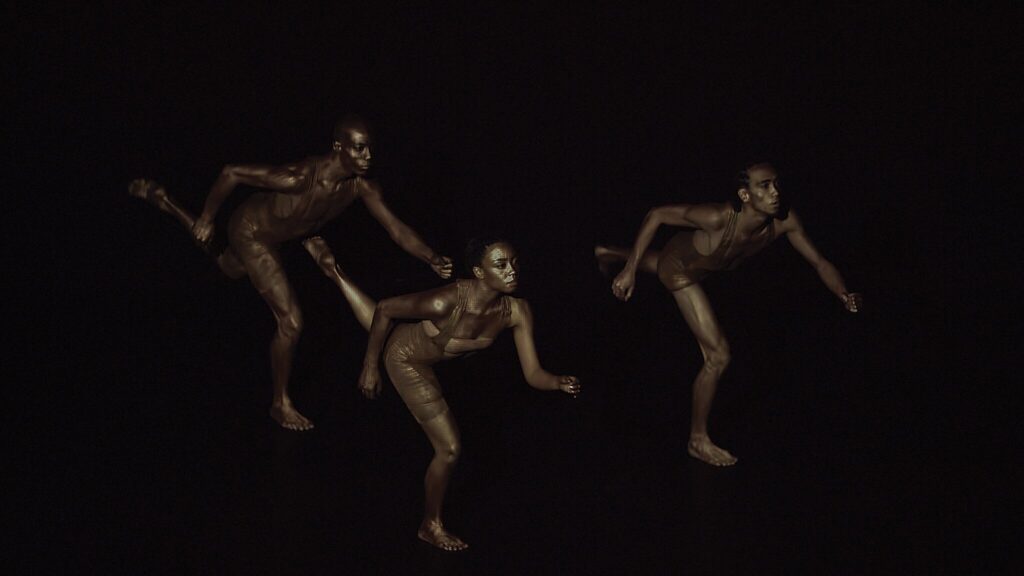
Shamel Pitts’ Black Hole. Photo: The Adeboye Brothers
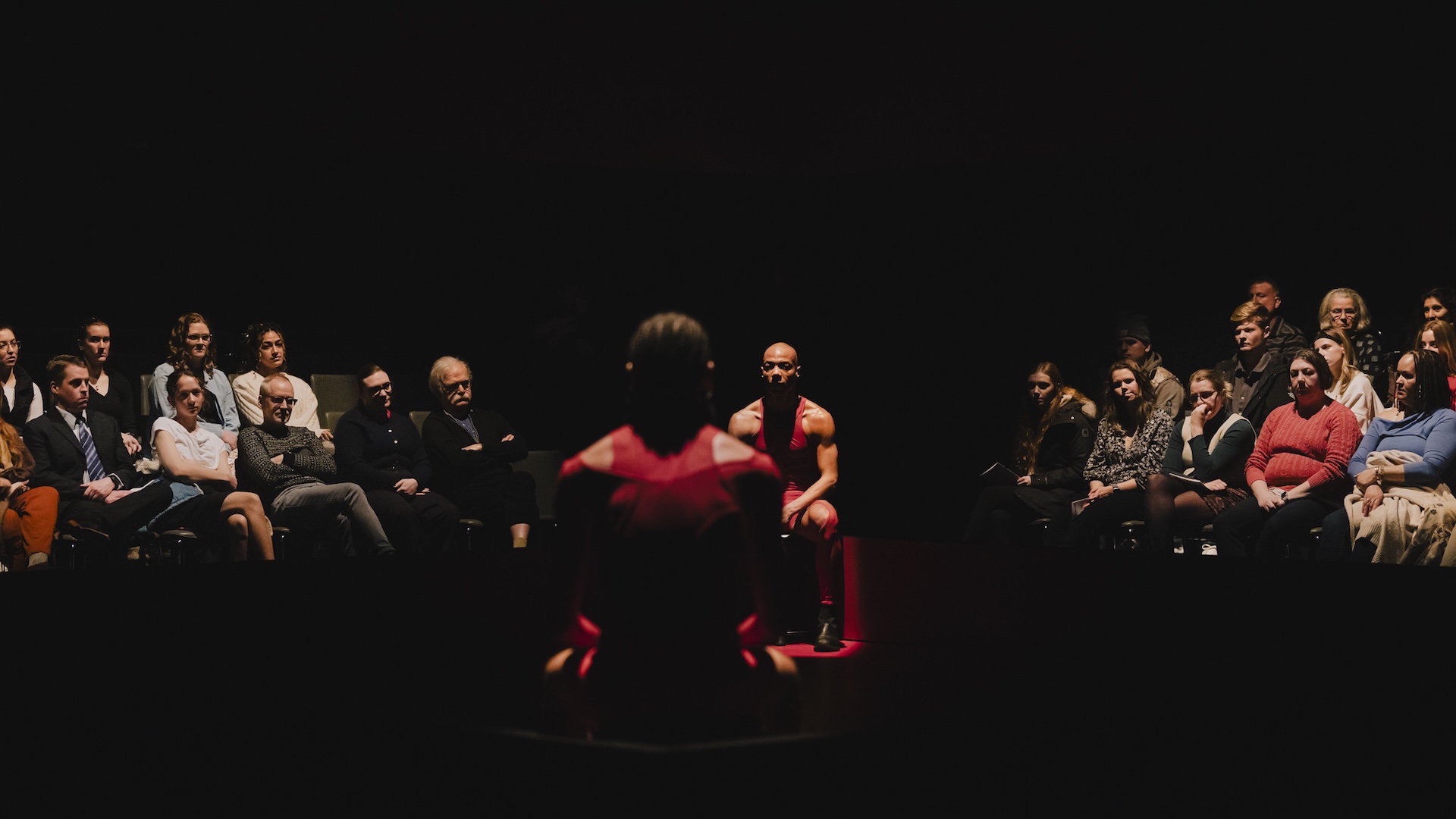
Touch of RED. Photo: C-O Northrop

RESOURCES


SEND YOUR FEEDBACK

The best advice I ever received 

Make your own judgement calls. Remember that everyone is going to have their own opinion and their own voice, and it’s very easy to rely on those. It is important and valid to listen, but not always to take that for gospel.

I had a teacher who instilled in me that I needed to have my own taste, my own opinion – everything stems from your individuality, which is what makes you interesting. That’s the key thing for any artist, I think, to not try to mould yourself into what someone else is, because that will always be a failure.

Photo: Andrej Uspenski

The advice I would pass on 

If I was to go back in time and see my past self, my advice would probably be not to become hellbent on the flaws and weaknesses, but to remember that whilst you are working on the flaws, you also have to shine a light on your strengths. You mustn’t allow your strengths to dim because you’re so focused on improving the weaknesses.

Is that also good life advice? Well, dance is my life! And I live my life by my rules that I go through in dancing. Dancers have so many skill sets that can be translated into the ‘real’ world, if you want to call it that. It’s a really tough career, and young dancers need to remember that it isn’t easy – and it doesn’t get any easier as you make your way up the ladder. As you get older, everyone is still working and still striving.

WATCH

Melissa Hamilton as the Summer Fairy in Cinderella

RESOURCES

SEND YOUR FEEDBACK
Previous

How much is your career a process of serendipity or happy accident?

I think serendipity sums me up completely. If I think about my career, lots of things have happened by chance – I’ve bumped into somebody, or someone has overheard me and jumped in – and then it becomes something else. I absolutely love the word serendipity, and it felt like the perfect name for the company.

There is also a real sense of intent in your projects – what is the thread that connects everything?

It’s making the invisible visible, and it’s also about changing the lens. They run concurrently – you can’t do one without the other. We should always give an opportunity to hear another side of the story, offering people an opportunity to see something else and to recognise that other cultural groups and frameworks have the same sort of sophistication. 

How did your dance journey begin?

I love dance, and it’s been part of my whole life. I’ve got four brothers and, to use a phrase that is not fashionable anymore, my parents didn’t want me to be a tomboy, so I ended up at dance school. My dad taught me to tap dance and also played steel pan. On a Sunday, after dad had played cricket, he’d do the musical arrangements, and I would work it out with my feet. 

At the beginning of your career, there were fewer role models for Black artists. Who did you look to?

I don’t think the role models were there when I stepped into the arts. I think we’re still a little thin on the ground. I was looking at the classics: Dorothy Dandridge, Billie Holiday, the Nicholas Brothers. In terms of dance, I saw [the Russian ballerina] Galina Samsova and absolutely loved her. There wasn’t the opportunity to dance when I was younger, it just wasn’t afforded to you. You’d go for the auditions and you didn’t quite fit. You could either say, well, that’s it – or you could find another way through. 

Serendipity has just announced a new MA in Black British dance and performance. Why did you want to add that strand?

The reality is, for a lot of Black students in conservatoires or university dance courses, when they go in, they can dance but when they come out, they’re broken. Because the thing that people liked about them, is the thing that is taken away. How do we give that back? It’s really important that they still should have some of themselves. Young people should know about the Caribbean or Africa, and bring that to their work. Hopefully the course will allow them to push the boundaries and find out things that make them proud about who they are.

What is it for you that is distinctively British in Black British performance?

Here, there is more opportunity to be different. In America, the top Black dance companies are all ballet based. Here, you can be contemporary, you can be political. You can find your own voice. I think the Brits are good at being unique. 

We’re seeing a pushback, especially in the US, against diversity initiatives. Do you fear that the work that you’ve done might be rolled back?

When we have adversity, the best work is always born. If you think about all the challenges that diverse communities have had over the years, that’s where we found our greatest artists. They somehow found a way to shine through. People like Billie Holiday having to black up to sing, even though she was Black. All the angst that they gave her because she wanted to sing something like Strange Fruit. Artists always push forward. No one ever said it would be easy, but I think we are yet to see some absolutely fabulous work.

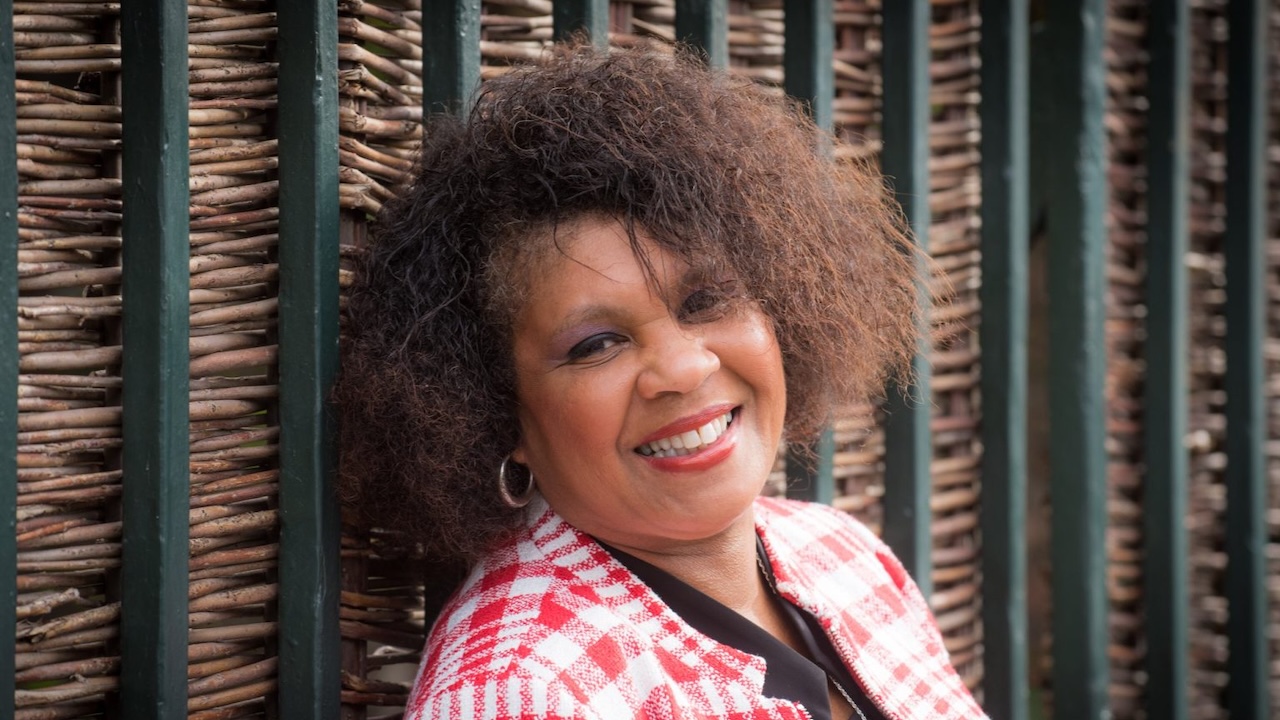
Pawlet, why does dance matter to you?

The very first thing that you ever do is movement. The ability to move and gracefully get through life, with music – it lifts me and it gets you through everything. Dance matters to me, because I think anybody can do it, anyone can be a part of it. You don’t have to be a professional. It’s something very personal.

Why Dance Matters

Why Dance Matters is the RAD’s podcast – a monthly series of conversations with extraordinary people from the world of dance and beyond. Please do listen and subscribe.

LISTEN

Hear the full interview with Pawlet Brookes

RESOURCES

SEND YOUR FEEDBACK
Previous

My aspiration for the RAD is to influence and change who and what audiences see on professional stages around the world – and also to influence the audiences themselves. 

What does that mean in practice? It means we want to provide opportunities for people new to ballet and dance to engage with us, and to see the RAD as a place for them. We want to ensure that people who take up dance are encouraged and excited to keep dancing throughout their lives in ways they find relevant and engaging. 

It also means that we aim to educate our participants, students and teachers about the vast range of opportunities within ballet and dance. We hope they will always feel confident about challenging us, and that they have the voice and agency to shape what we do in the future. 

All of this helps explain why I’m delighted that the RAD is making some bold and exciting changes to our offer, including an enormously ambitious first step: our brand-new Musical Theatre syllabus.

‘Musical Theatre participants will enhance their performance skills and identify their unique artistic voice’

The RAD has, since its inception, been a ballet-centric organisation – so you could argue that as Artistic Director, it is my responsibility to consider how best to support ballet dancers (and particularly young ballet dancers) as they develop their skills. 

Yet the main reason I considered this new syllabus to be vital and important for the RAD is that it is my sincere and firm belief that by undertaking high-quality musical theatre training, classical ballet dancers themselves will reach a higher standard. 

By undertaking the progressions and pathways offered within the RAD’s Musical Theatre syllabus, participants will enhance their performance skills and be encouraged to identify their unique artistic voice. In addition, they will broaden their understanding of the wider performing arts context, learning that ballet and musical theatre are interdependent, mutually influential art forms. 

By emphasising this greater versatility and diversity we hope to encourage even more people to find enjoyment in performance. Drawing from sport, we now know that multi-activity practice and participation is strongly related to becoming a world class athlete. Similarly, ballet dancers and performers of the future can benefit from different styles and approaches – not only to grow their skills but to build a lasting connection with dance and performance. Providing a range of opportunities helps support everyone, whatever their ambition, to thrive.

.

SEND YOUR FEEDBACK
Previous