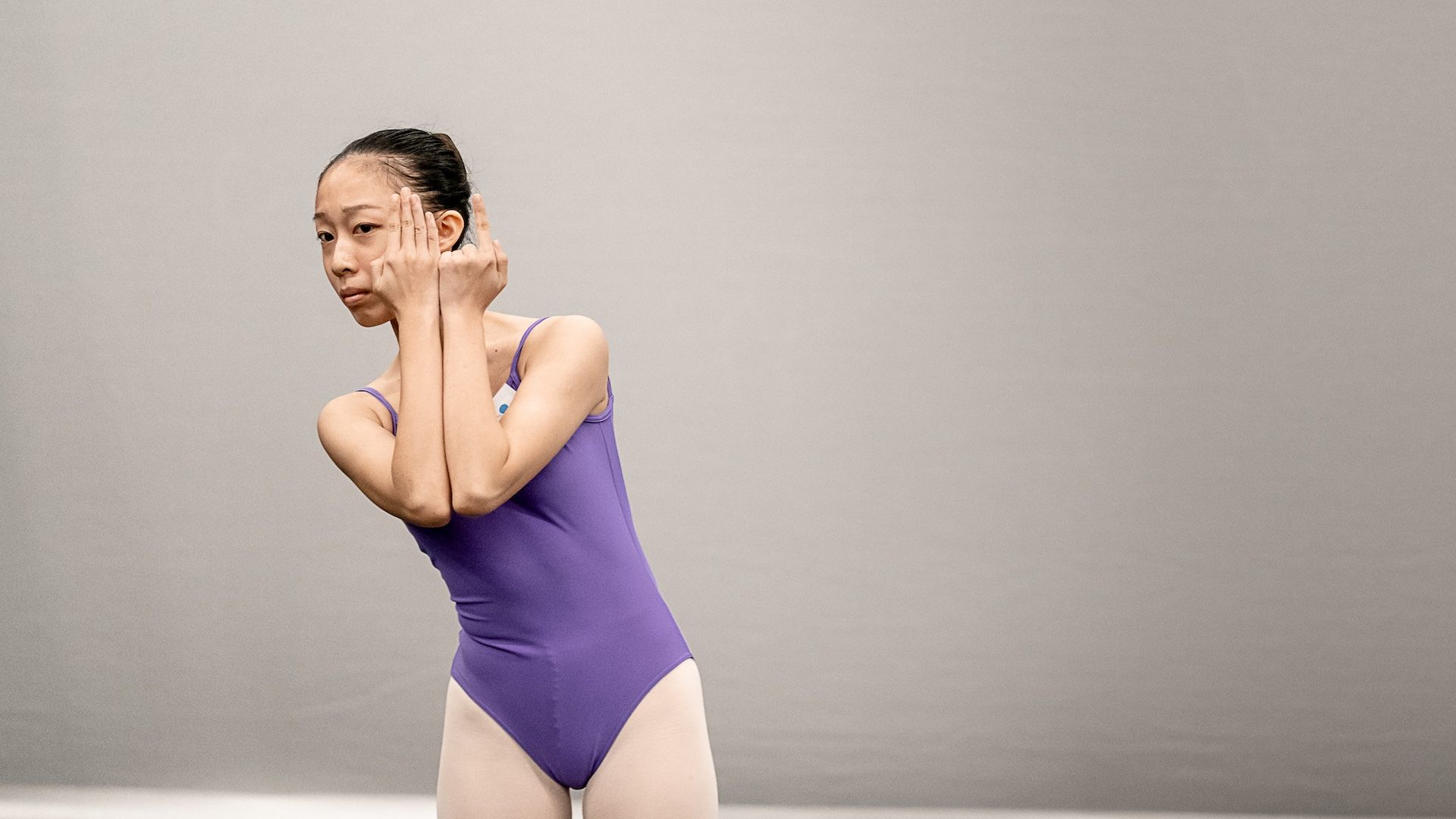
Something new is happening this year at the RAD’s Margot Fonteyn International Ballet Competition. When the dancers gather in London in November, not only will they perform a solo of their own choice and compete in variations from the classical repertoire, but they will also dance a solo by Frederick Ashton, founder choreographer of the Royal Ballet companies.
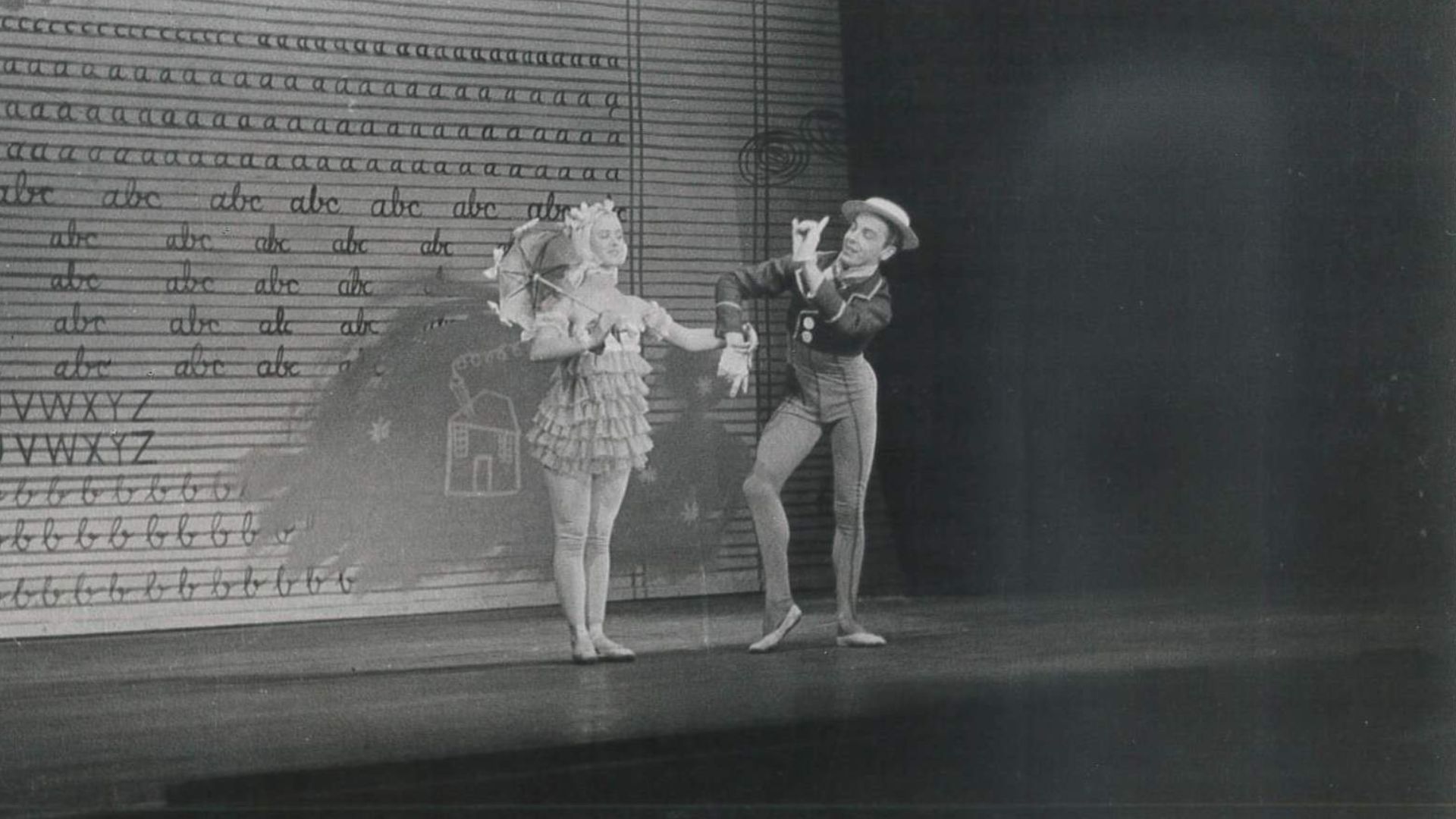
Technically demanding, Ashton’s choreography is noted for its profound musicality, as well as its lavish use of movement in the upper and lower body. Ashton helped mould what is known today as the ‘British’ style of ballet through the choreography he made on the companies and, above all, on his leading ballerina, Margot Fonteyn, a former RAD president. His first work, A Tragedy of Fashion, was created in 1926, and the solos chosen for The Fonteyn form part of the Frederick Ashton Foundation’s Ashton Worldwide 2024-2028 celebration.
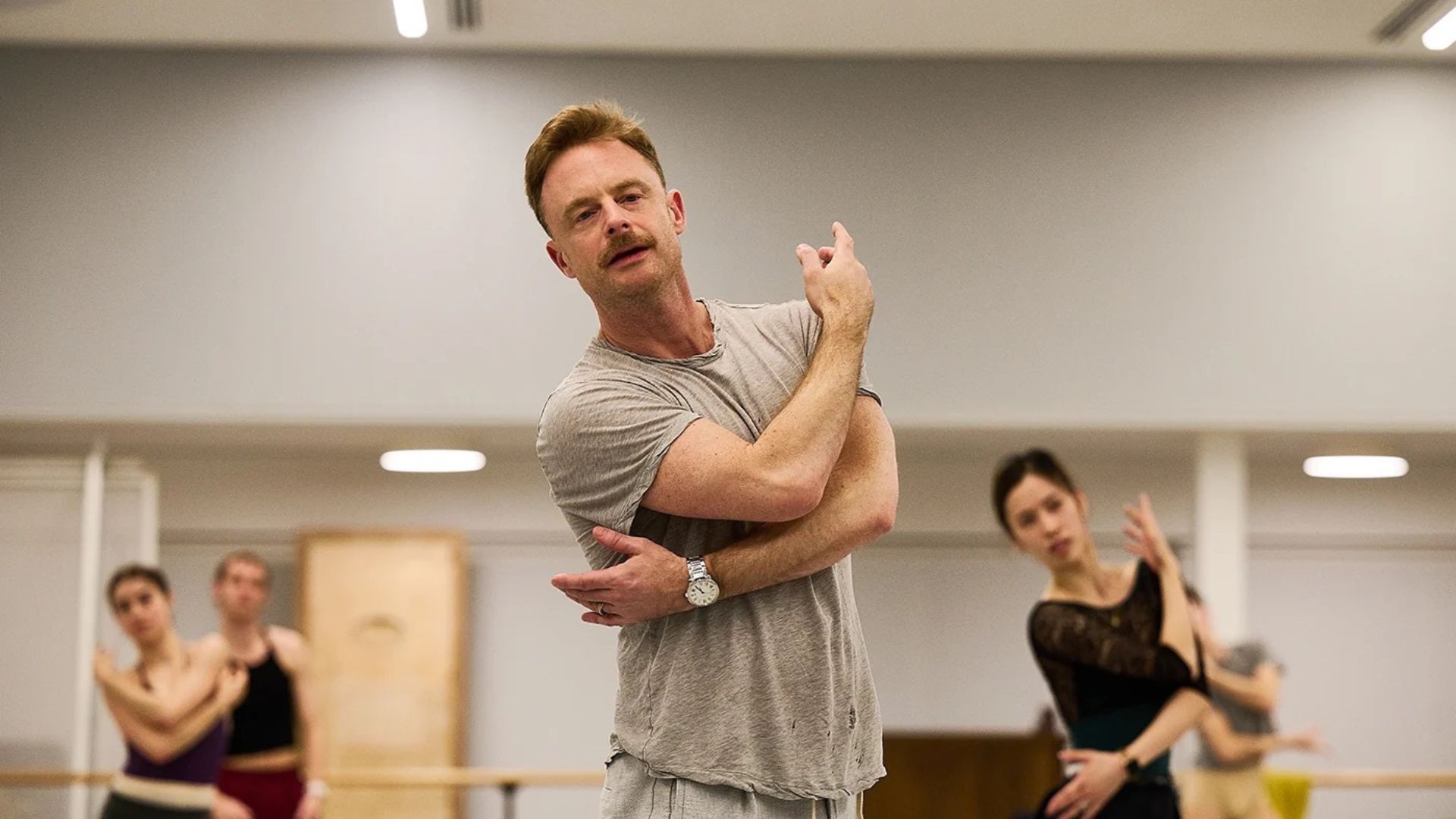
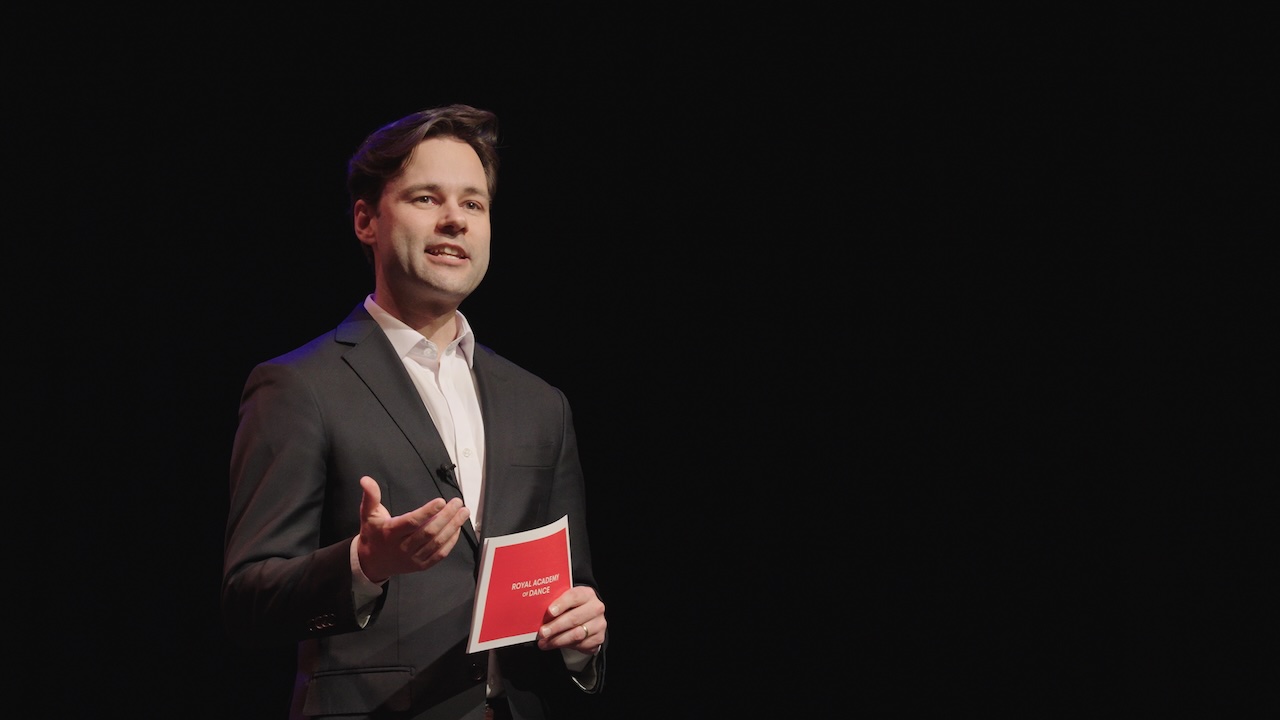
This will be particularly challenging for the participants, so I ask Alexander Campbell, Artistic Director of the RAD, why the Ashton variations are being included. ‘It’s useful for students to engage with those solos from a development point of view. To use classical technique in that choreographic way,’ he replies. He also believes the connection between Fonteyn and Ashton ‘felt really important and is an exciting link that we can highlight. It would be a shame not to explore this opportunity, so I was really excited when the Frederick Ashton Foundation was open to working with us.’
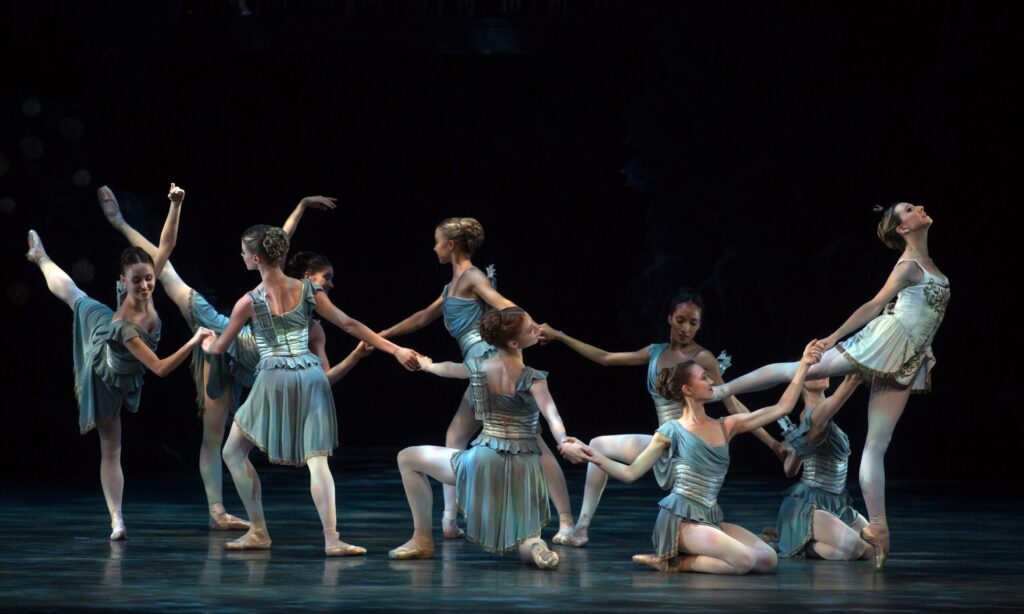
‘It’s not just about doing the steps correctly. There is an Ashtonian quality that needs to be placed on top’
Alexander Campbell
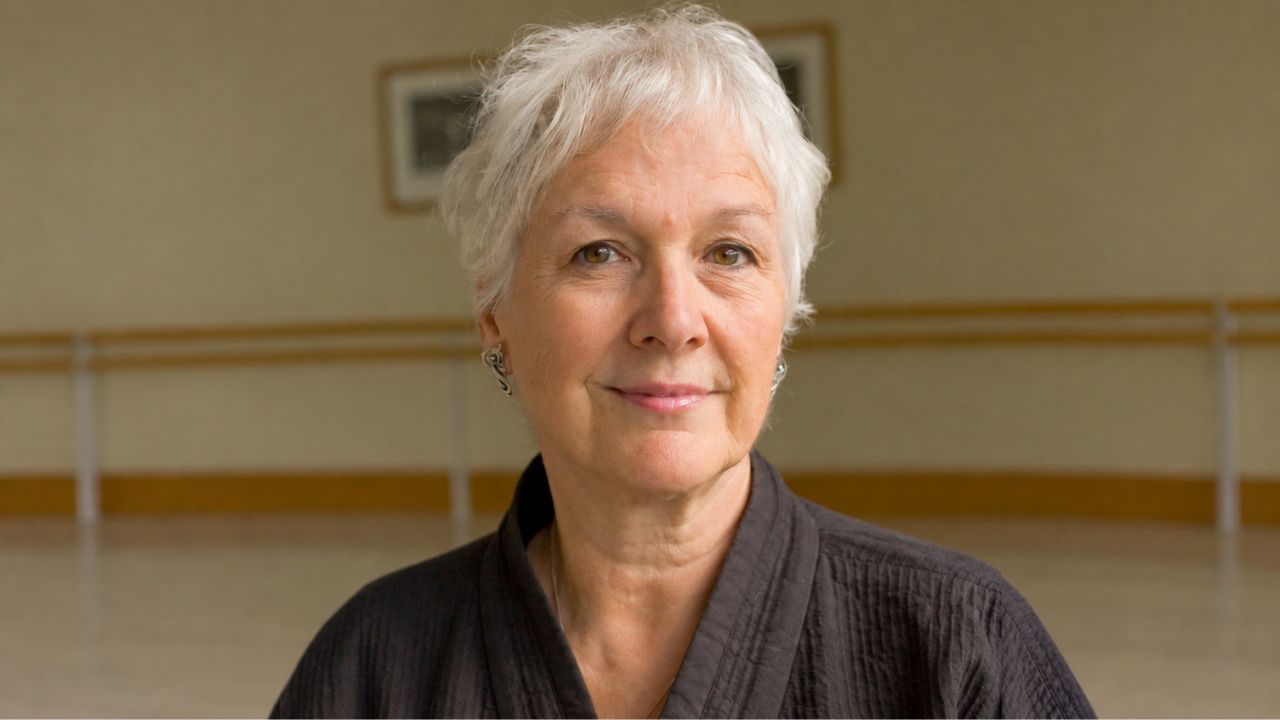
The Ashton in Competition resource packs that the Foundation has devised, which includes film, will help the participants discover even more, says Sandra Madgwick, former principal dancer with Birmingham Royal Ballet and now the Foundation’s executive producer. They offer ‘a brief contextual overview to set the time and place of both the choreography and the variation within the ballet. The film explains all aspects of the variation including the counts, the floor pattern and, of course, the intention behind the steps. We want young aspiring dancers and their teachers to discover Ashton and to place him back in their classrooms. The Fonteyn is a wonderful place to begin this journey with its global reach and distinguished panel of judges.’
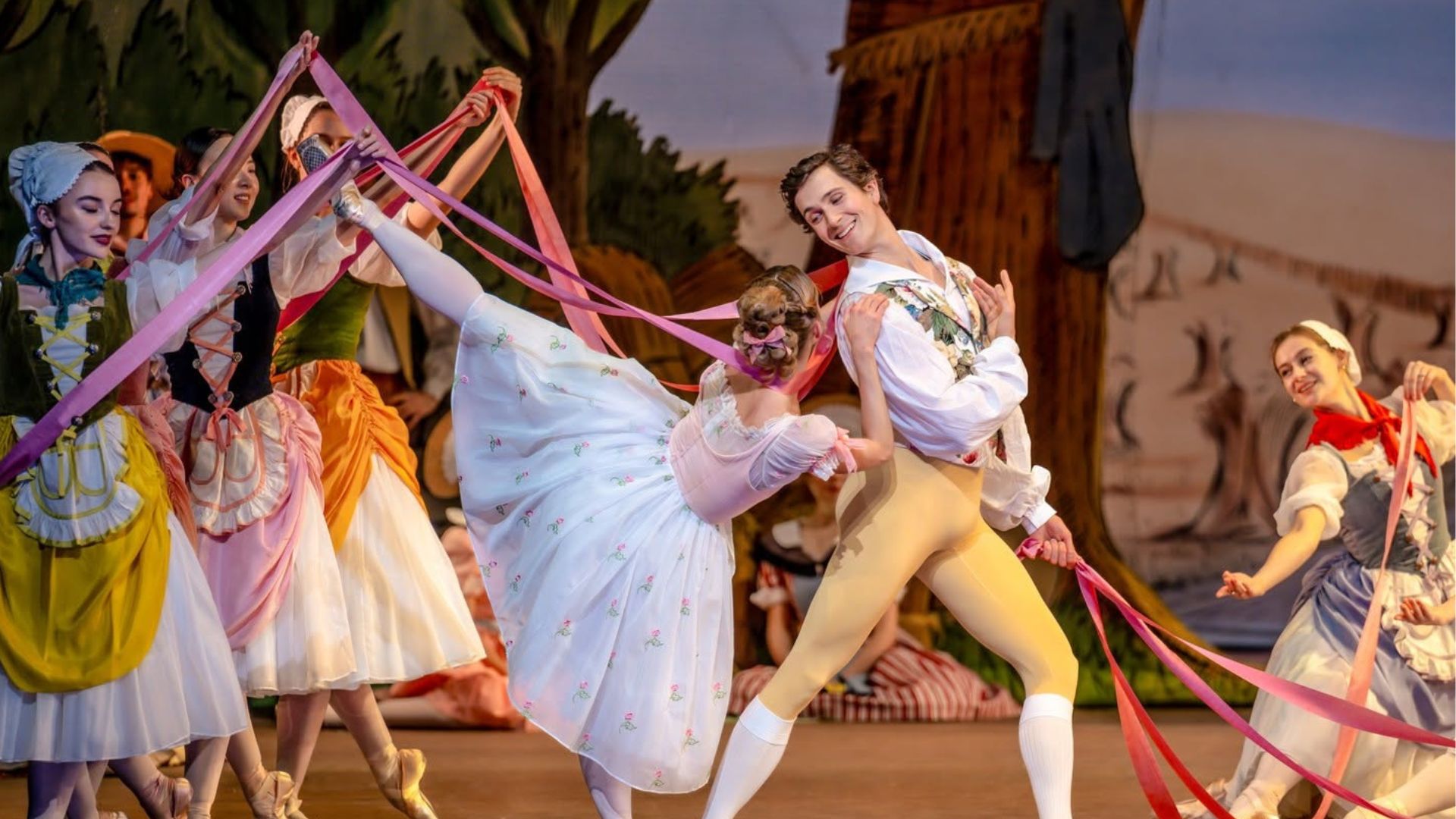
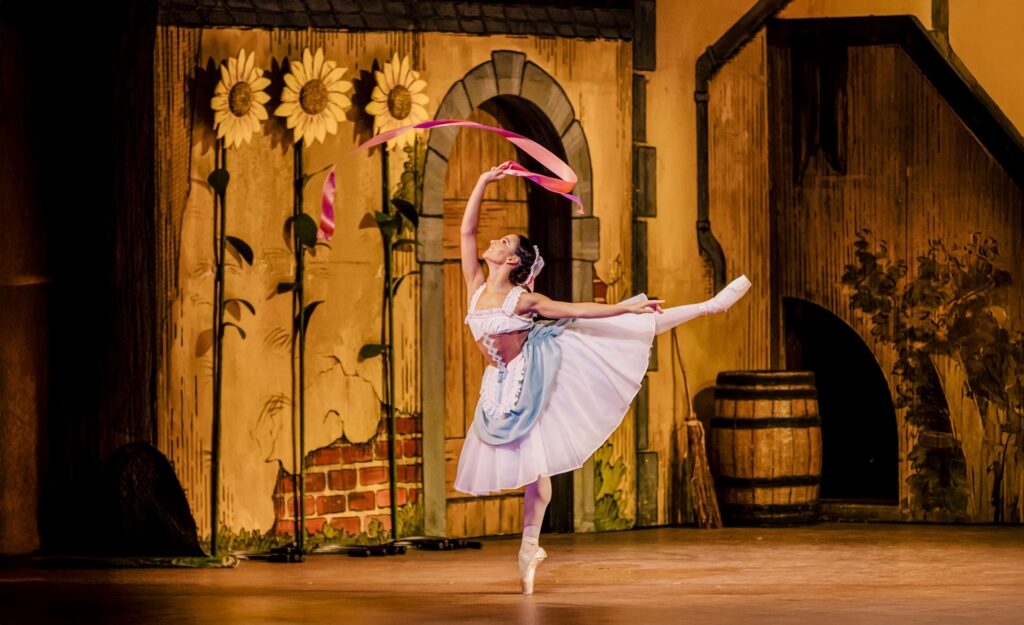
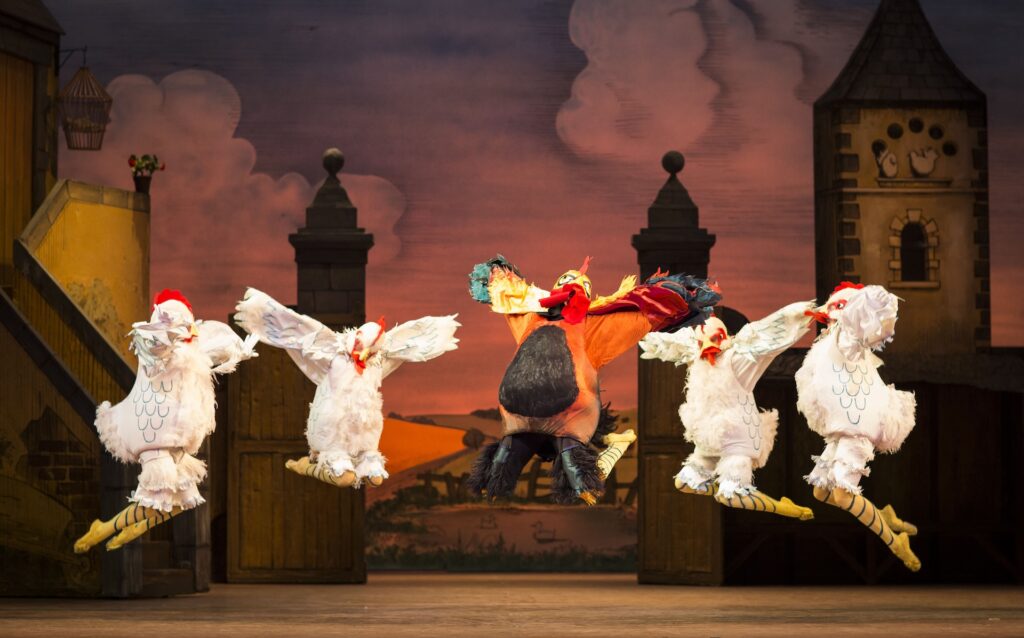
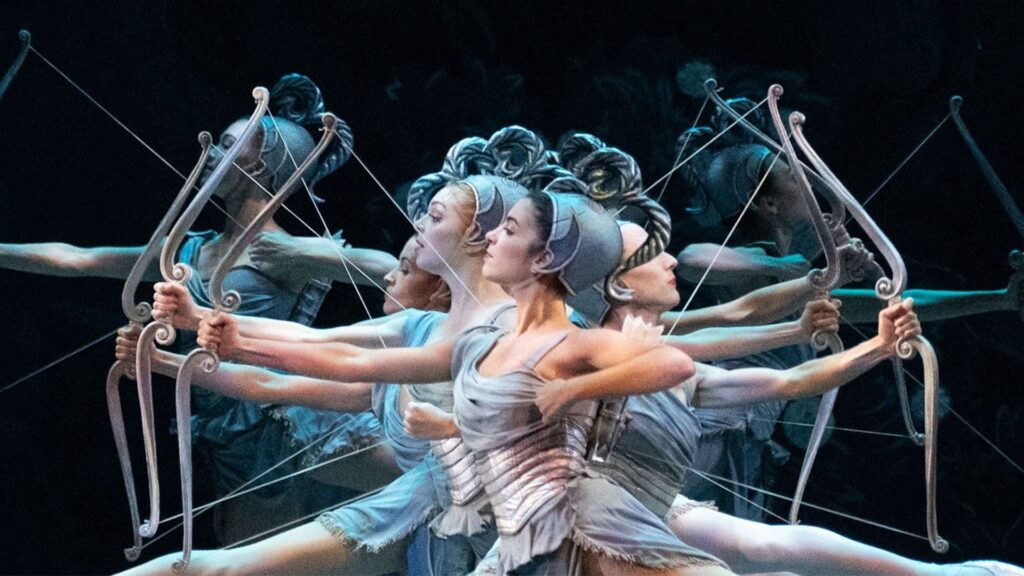
‘I’ve seen footage from the packs the Foundation are creating,’ Campbell reveals, ‘and it’s such a valuable resource because it’s really rich. Dancers get to choose which solo they would prefer to be coached on through the week, and which one they will present if selected for the final.’ The variations are drawn from Birthday Offering (1956), La Fille mal gardée (1960) and Sylvia (1952), as well as the solo Ashton created for the Prince in Act II of The Sleeping Beauty (1968), and competitors will be coached by former Royal Ballet dancers Ricardo Cervera and Helen Crawford.
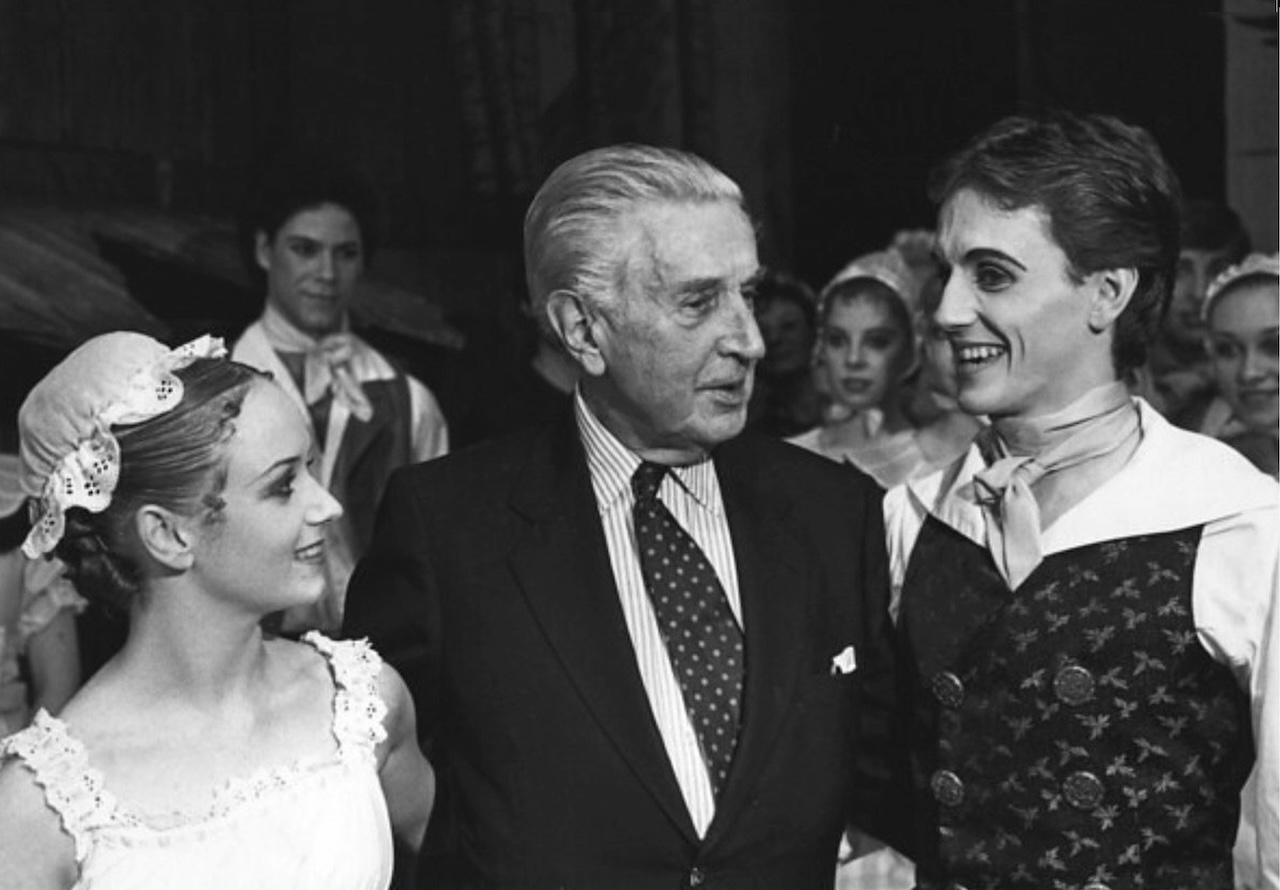
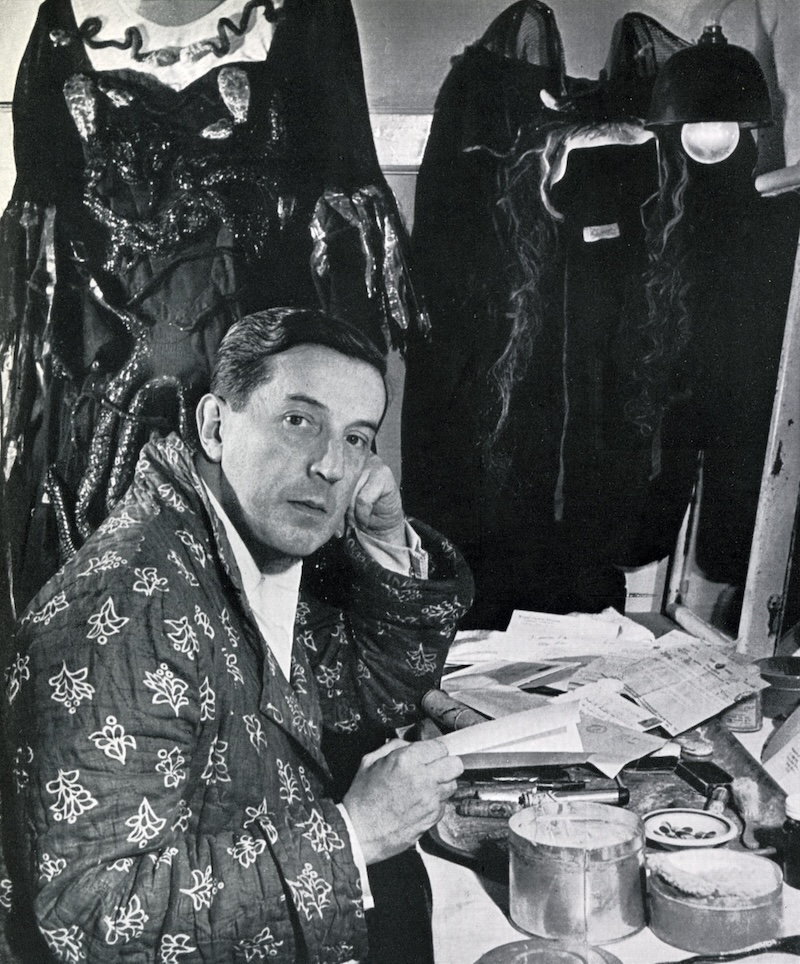
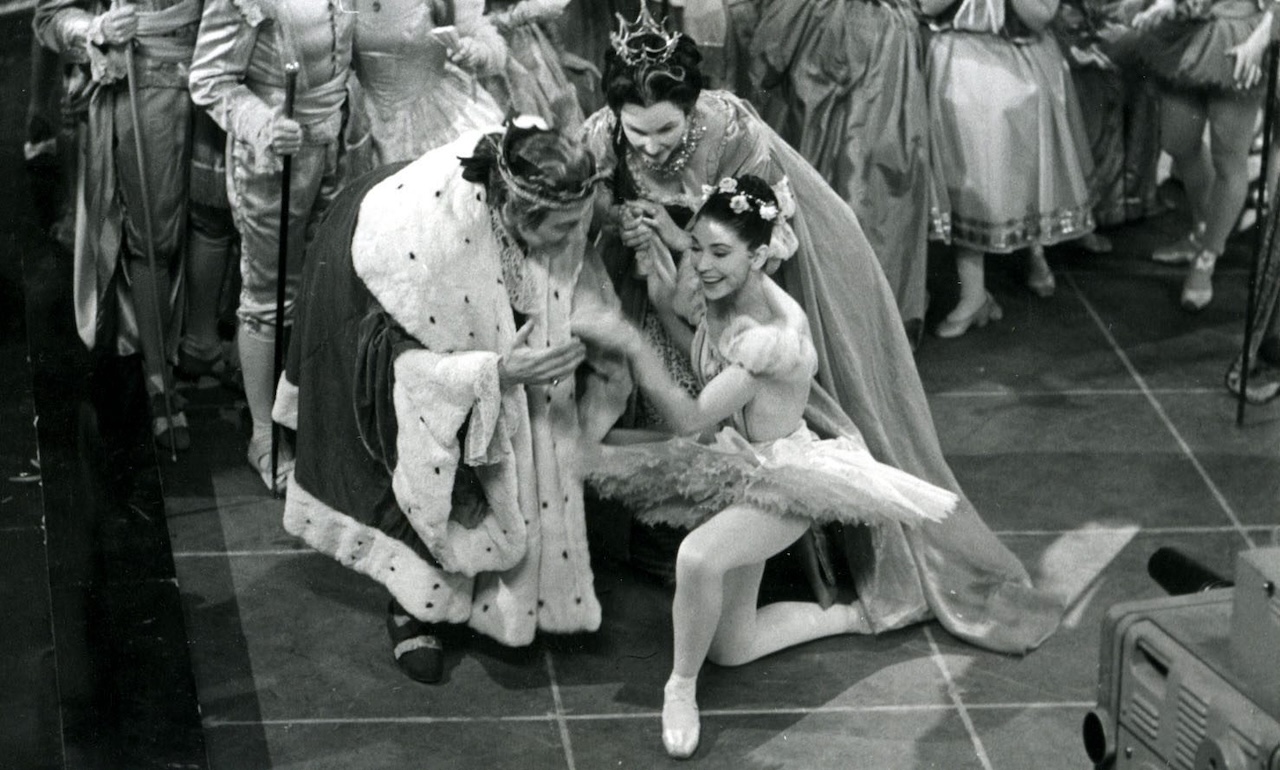
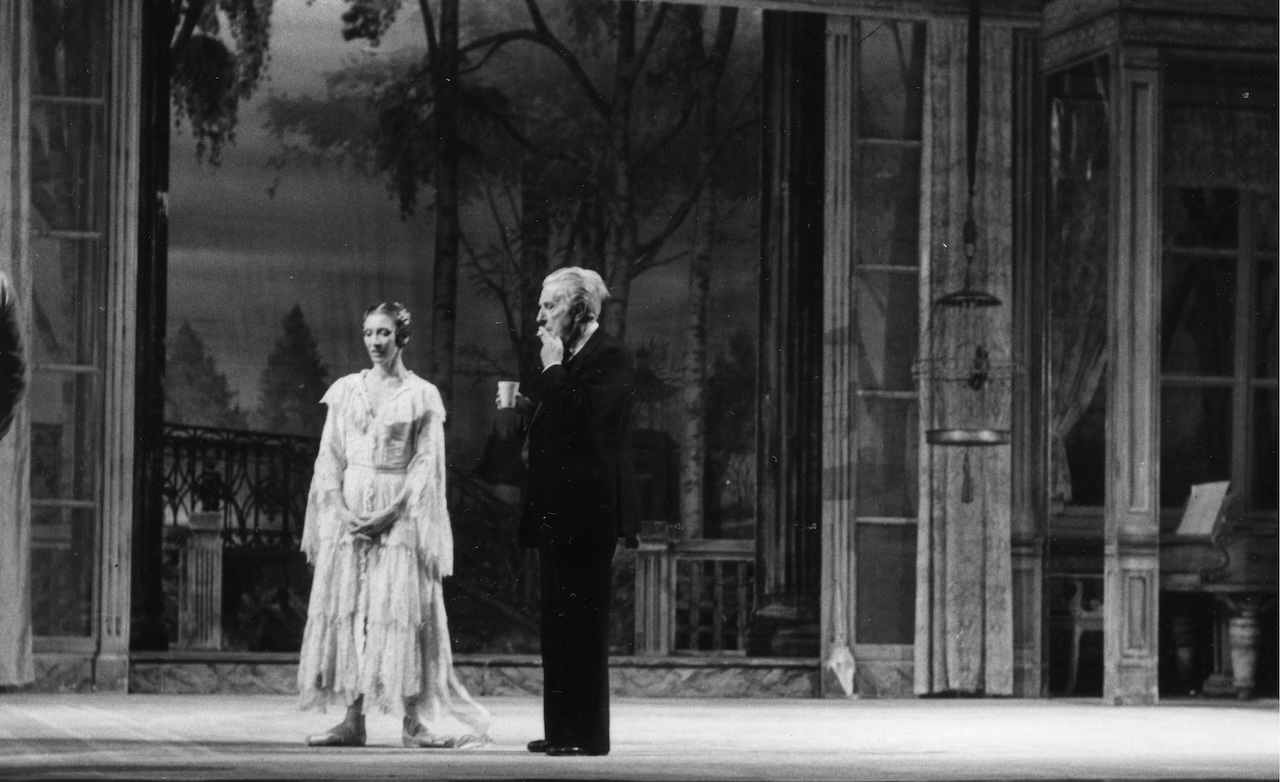
‘You can’t dance Ashton if you’re not musically aware. The music sets you free’
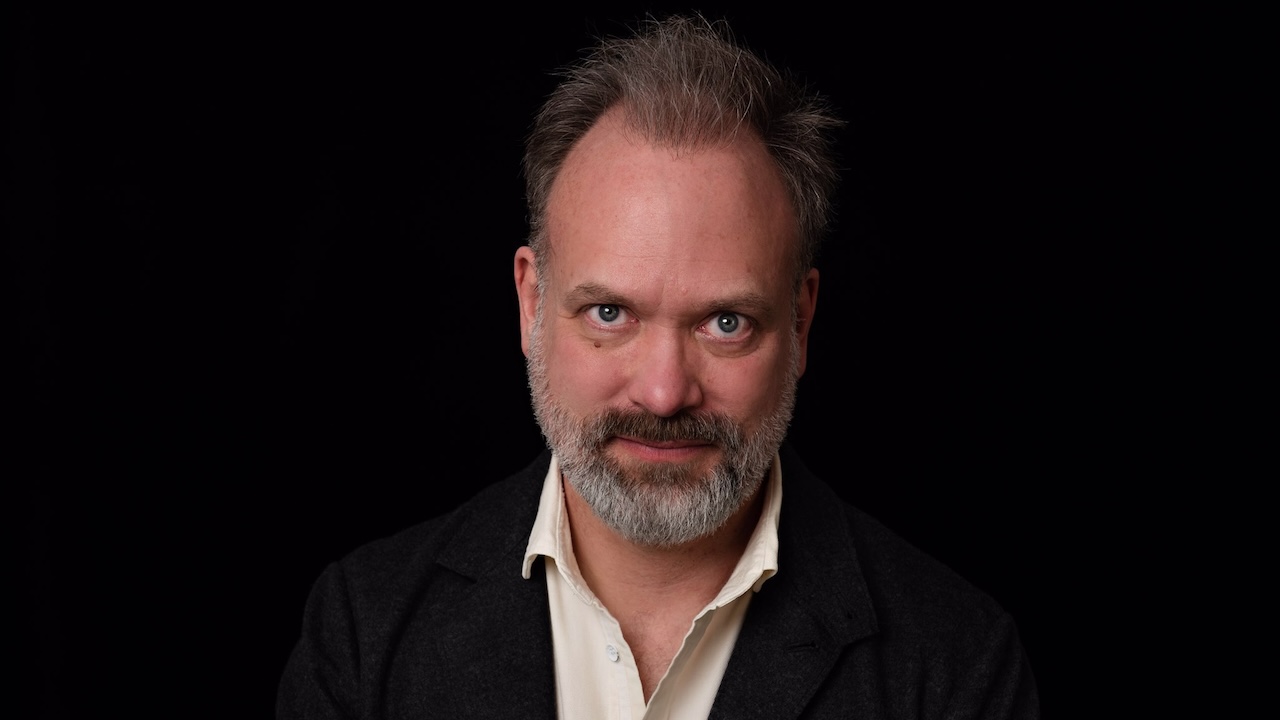
Daniel Pratt
Just how difficult is it to dance Ashton? Are there challenges in his work that you don’t find in other ballets? ‘There are!’, exclaims Campbell. ‘It’s not just about getting your body around it and doing the steps correctly; there is that Ashtonian quality that needs to be placed on top.’ Campbell thinks Ashton ‘had an unbelievable ability to capture musicality and the quality of music, and then represent it visually in a way that will never go out of fashion. It makes music 3D.’
Daniel Pratt, a former first soloist with Sarasota Ballet (known internationally for its Ashton repertoire), suggests his style is ‘a sophisticated way of organising your body, and it’s the whole body. Your legs are often working in contrast to your upper body, so you have to understand how to do that. Everything has to be together, and coordination and musicality are vital.’ He stresses its intricacy, as well as the musicality and phrasing. ‘You can’t dance Ashton if you’re not musically aware. The music can help you – it’s the support – and it’s not something that imprisons you; it’s something that actually sets you free.’
When she was performing Ashton’s ballets, Madgwick found she was ‘thinking about three things simultaneously: the choreography, the character and the musical phrasing. When all three come together, an Ashton performance really comes alive. They can and must appear effortless, but that effortless quality is incredibly difficult to achieve.’
‘That’s partly where his genius lay – if it was comfortable, it wasn’t right!’
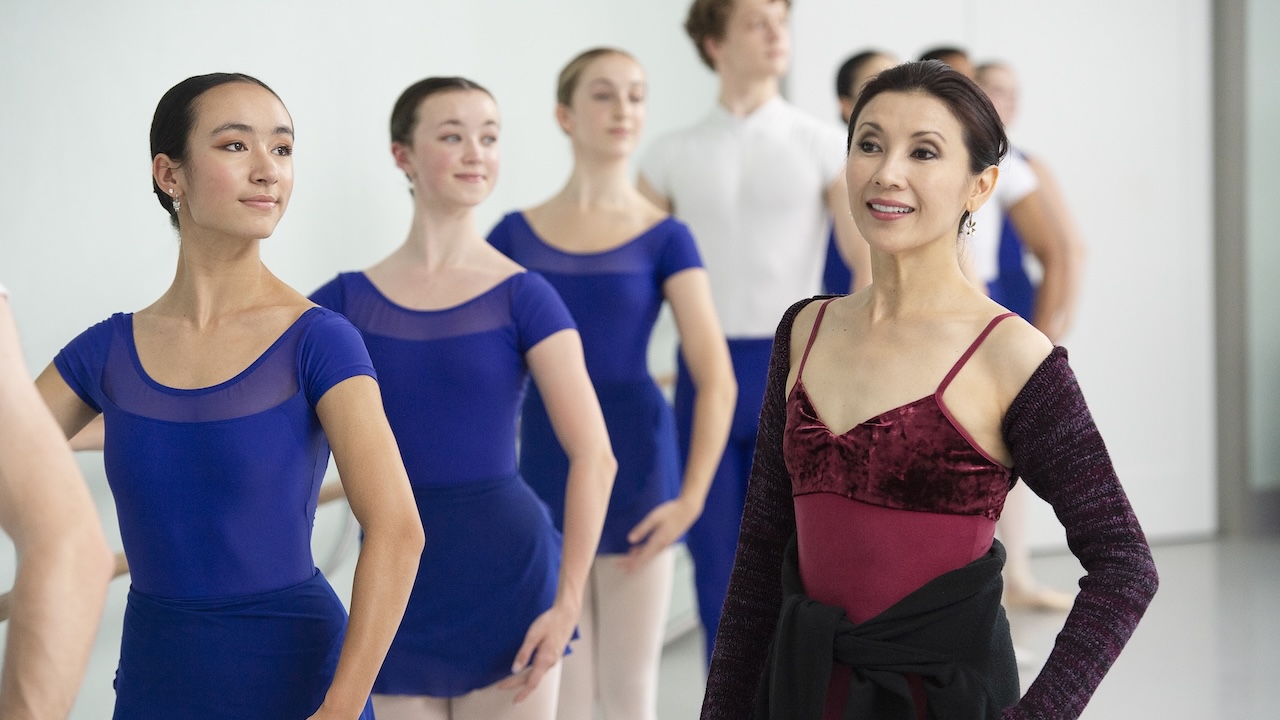
Sandra Madgwick
Madgwick first worked with Ashton early in her career. ‘I was coached by him when I was 18 years old, preparing to dance Lise in La Fille mal gardée at the Royal Ballet School’s graduation performance at Covent Garden. With the naiveté of youth, it seemed quite normal to have him in the studio. Now, of course, I realise what an extraordinary privilege that was. Lynn Wallis [former Artistic Director of the RAD and a judge for The Fonteyn] oversaw the production, and Ashton would pop in from time to time. He’d stand back, take a good look, and if it wasn’t right he’d move an arm or head a fraction more until he had just what he wanted. I have to say those adjustments were not always very comfortable, but that’s partly where his genius lay – if it was comfortable, then it wasn’t right! He had a remarkable eye, and an instinctive understanding of how each dancer could best express a role. Working with him was unforgettable.’
Filming Ashton in Competition: Ricardo Cervera coaching Joe Parkinson and Helen Crawford coaching Shani Moran-Simmonds. Films: Tommy Cowen/Freed of London
How do Ashton’s ballets resonate today? Is it a challenge to bring them to life? ‘They resonate because Ashton understood people,’ replies Madgwick. ‘His narrative ballets are filled with emotions that are completely human, so they ring true for both dancers and audience. The most important thing is to pass on not just the choreography, but the spirit behind it. The Foundation has a shadowing scheme, developing the Stagers of the future. In this programme the stager uses a multitude of resources including Benesh Movement Notation, the music score and film footage. We also have expert mentors who support each stager as they study every detail of a particular ballet. There is nothing more compelling than having a stager who can explain why something is done in a particular way, and who can offer insights into what Ashton was trying to express.’
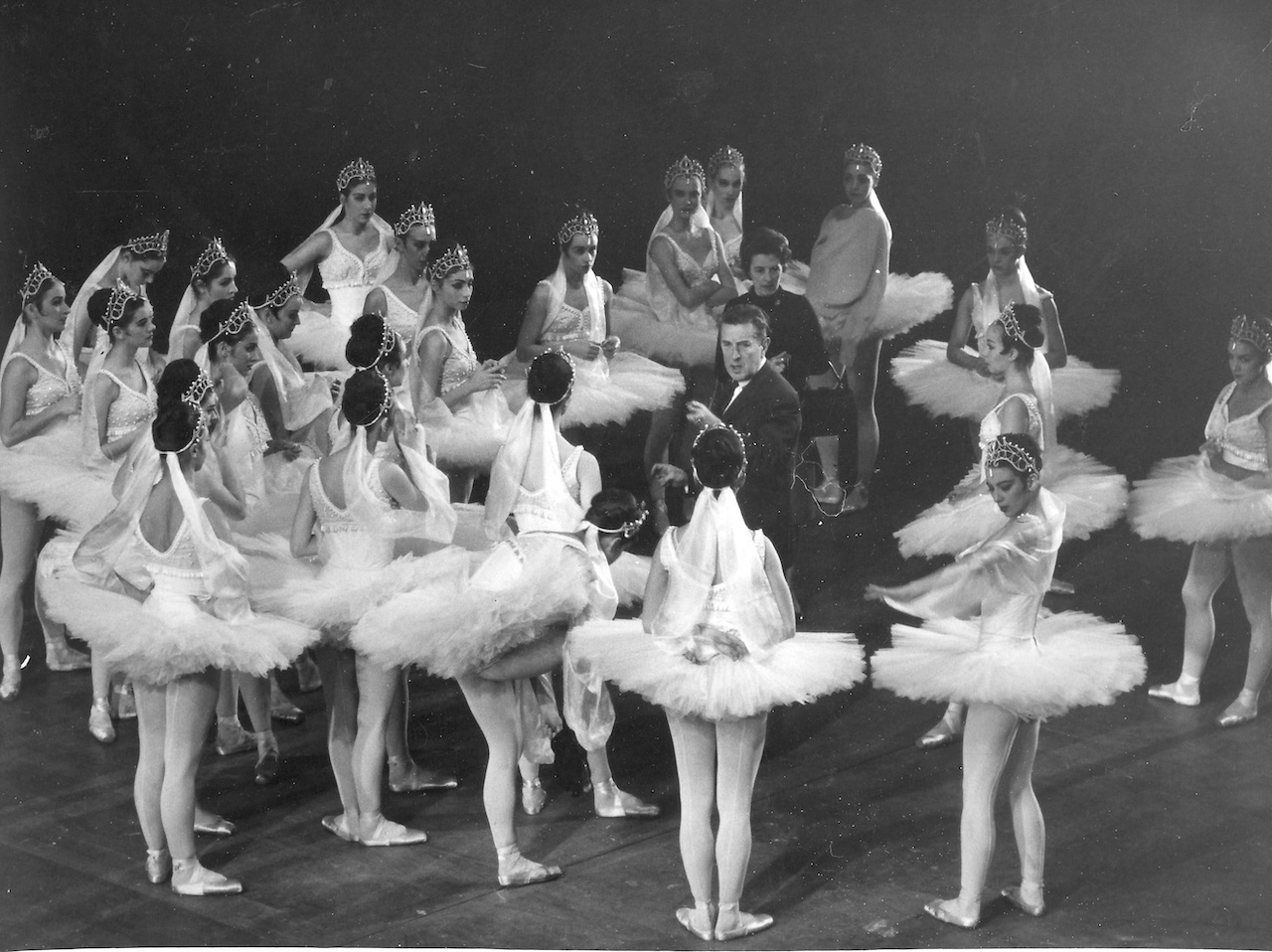
Pratt, who is learning to become an Ashton stager, adds, ‘the thing about Ashton is that he has such a huge choreographic range, and he deals with universal ideas, like love and unrequited love, and passion. Those themes are relevant to everyone because they are the things we all experience.’
It’s important to ensure that the qualities Ashton wanted continue into the next generation of dancers. ‘If we lose an understanding of his style and artistic values, we risk losing an essential part of what makes the heritage of the Royal Ballet and Birmingham Royal Ballet so distinctive,’ suggests Madgwick. ‘His ballets are among the great masterpieces of the 20th century, and through them there is a direct artistic line back to the dancers, musicians and designers with whom he worked.
‘That is why the Foundation is so delighted to be collaborating with the RAD through The Fonteyn,’ she continues. ‘It gives young dancers and their teachers the opportunity to discover Ashton’s choreography in an informed and authentic way. For us, it is about the journey rather than the outcome – encouraging curiosity, exploration and a deeper understanding of his unique choreographic voice. If even a handful of competitors leave the competition inspired to explore more of Ashton’s work, then we will have helped ensure that his legacy continues to live, grow and inspire a new generation of dancers around the world.’
Jonathan Gray was editor of Dancing Times from 2008 until 2022. He has also contributed to the Financial Times and Guardian, and is now a freelance dance writer.