There was a young boy who started dance in a church hall in Bearsden, a small village just outside Glasgow, with a woman named Mary Darke – an RAD teacher who would go on to change his life forever. He had no idea what ballet was. He didn’t know where it would lead. But there I was: nine-year-old me.

The piano sounded like it was out of an old western, and the barre was a plank of wood that Mrs Darke’s husband had drilled into the wall. That tiny hall was where my whole life began to shift – though at the time, I was just learning how to do alien things with funny names (pliés, tendus). I went through my grades, quietly, but I was gripped, captivated, by the time I spent with Mrs Darke.

Looking back, that hall was so much more than just a space to dance. It was a playground. A place to explore and discover and grow. Mrs Darke didn’t just teach me ballet, she didn’t just teach me grades and syllabus. She gave me something far bigger. She opened the door to a world I didn’t even know I was allowed to imagine.

I don’t want to romanticise it. I was a boy growing up in Glasgow not telling my friends about this thing called ballet. I’m sure I turned up in a mood more than once. But here’s the thing: children don’t always show you their gratitude in the moment. Learning takes time, the complexities of ballet take even longer. Only now, years later, do I look back and realise how deeply Mrs Darke and my other teachers shaped me.

‘As dance teachers, your impact will go far beyond the students in your studio’

When I was appointed Artistic Director of the Royal Ballet School, one of the first things I did was sit down and write to the three ballet teachers who changed my life: Mrs Darke, Penny Withers and Fabrice Maufrais. I didn’t thank them for their perfect lesson plans or the way they taught me to pirouette (all of which would be true). I thanked them for believing in me, for giving me space to make mistakes, for lifting me when I was down and keeping me grounded, for pushing me beyond what I thought I was capable of. I thanked them for caring. 

And I apologised, too – for never saying thanks enough, for feeling that I had never given them credit for the profound impact they made on my life. They all responded saying they never wanted thanks, they only wanted to help. I imagine you too feel that way: you don’t want to just teach dance – you want to help people.

And it’s not just about teaching dance. You are creating places for imaginations to flourish. Spaces for young people to discover who they are and who they want to be. You’re not just delivering a syllabus or teaching steps – you are opening up new worlds. You will help them become the best version of themselves and you will help them shine.

As dance teachers, your impact will go far beyond the students in your studios. You will create ripples of change that reach into families, communities, and futures in ways you can’t predict. You will fill parents with happiness as they see their child grow in confidence from your lessons that flow into everyday behaviours. 

Mrs Darke, my first RAD teacher, gave me a pathway into a life full of enriching experiences, for which I am eternally grateful. It all started in a small church hall doing a plié – now is your time to find your space and help shape the lives of young people.

LOOK

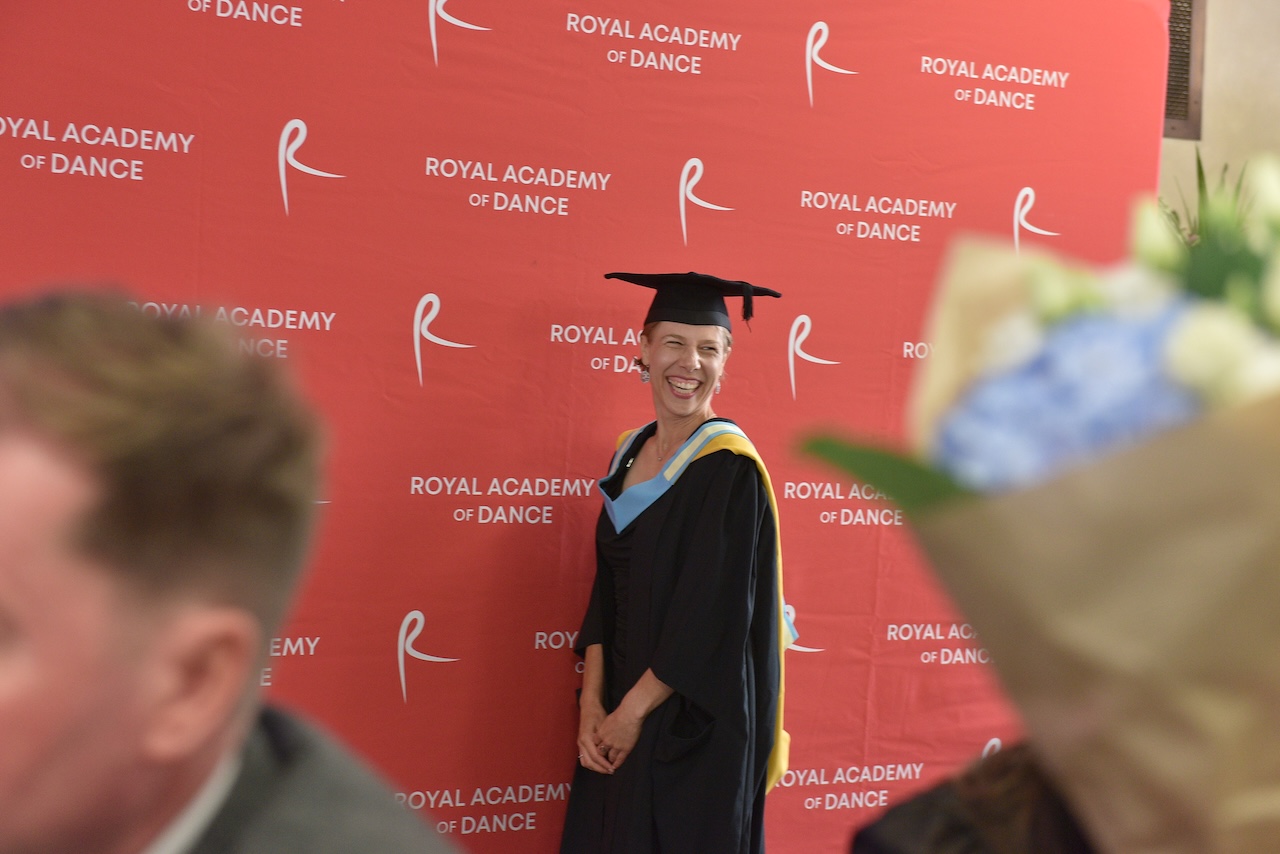
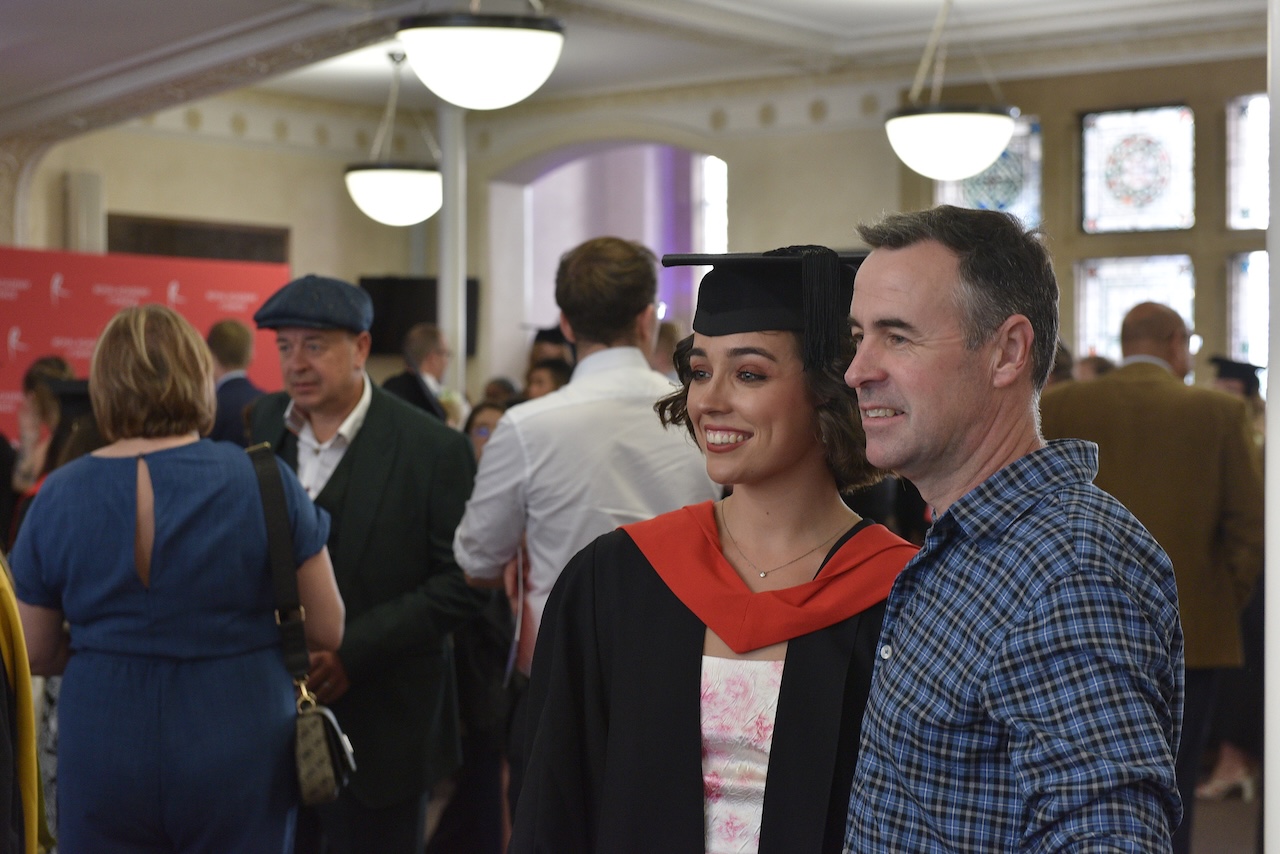
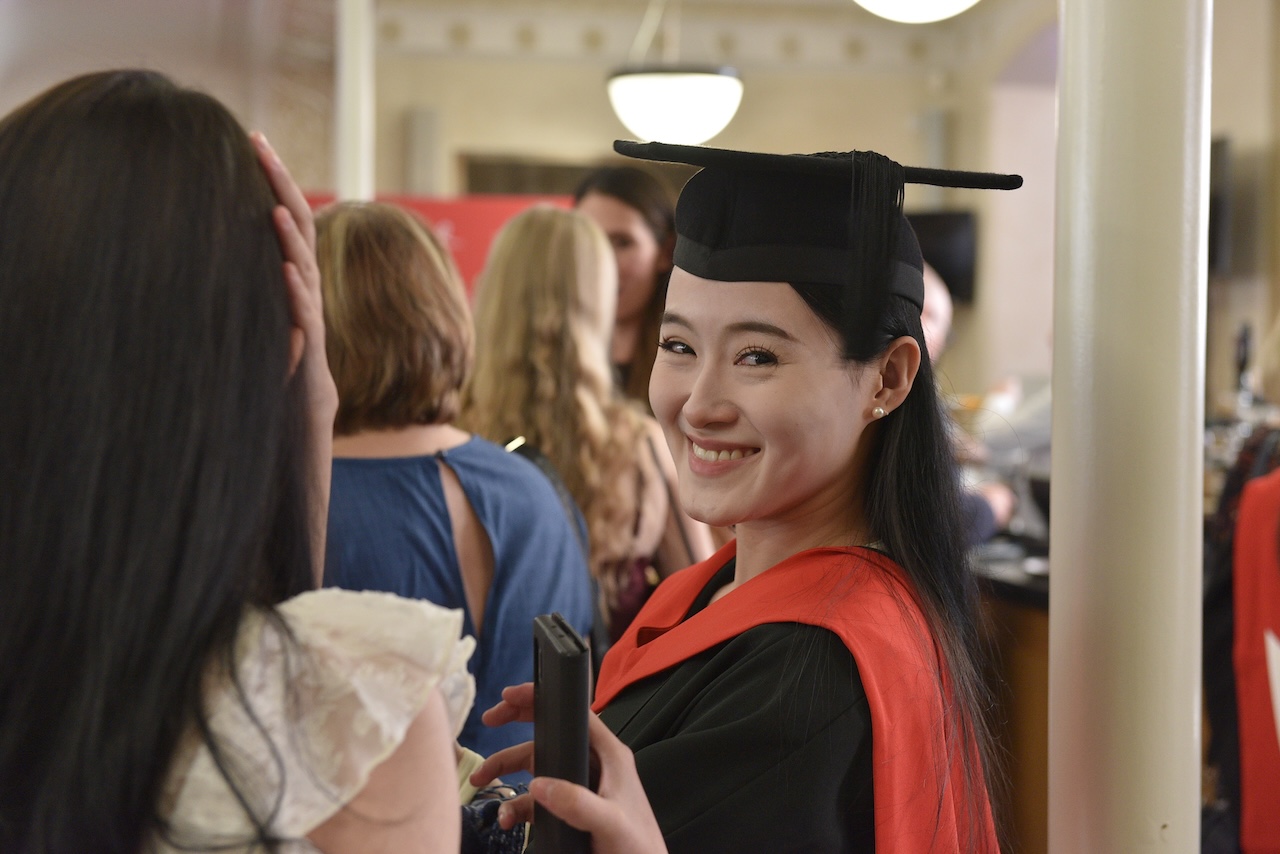
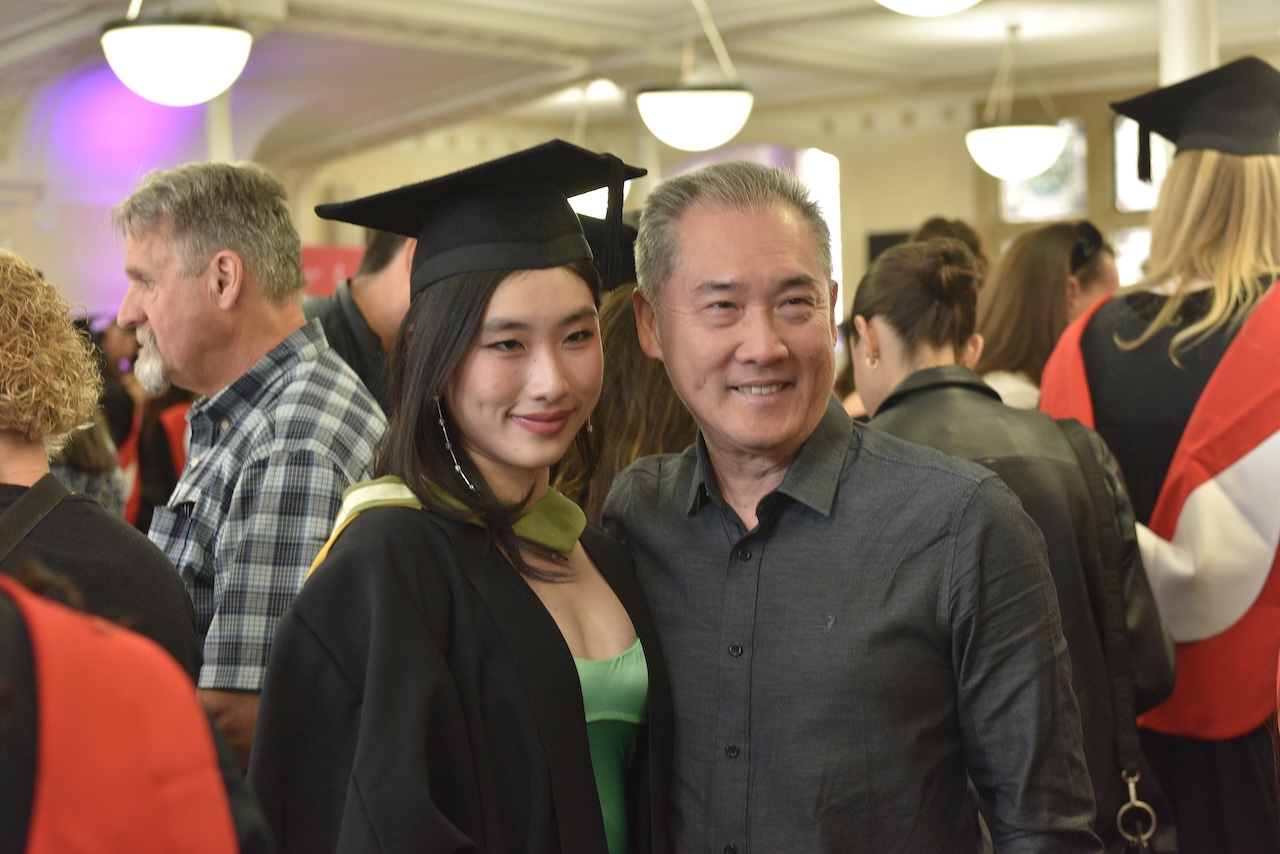
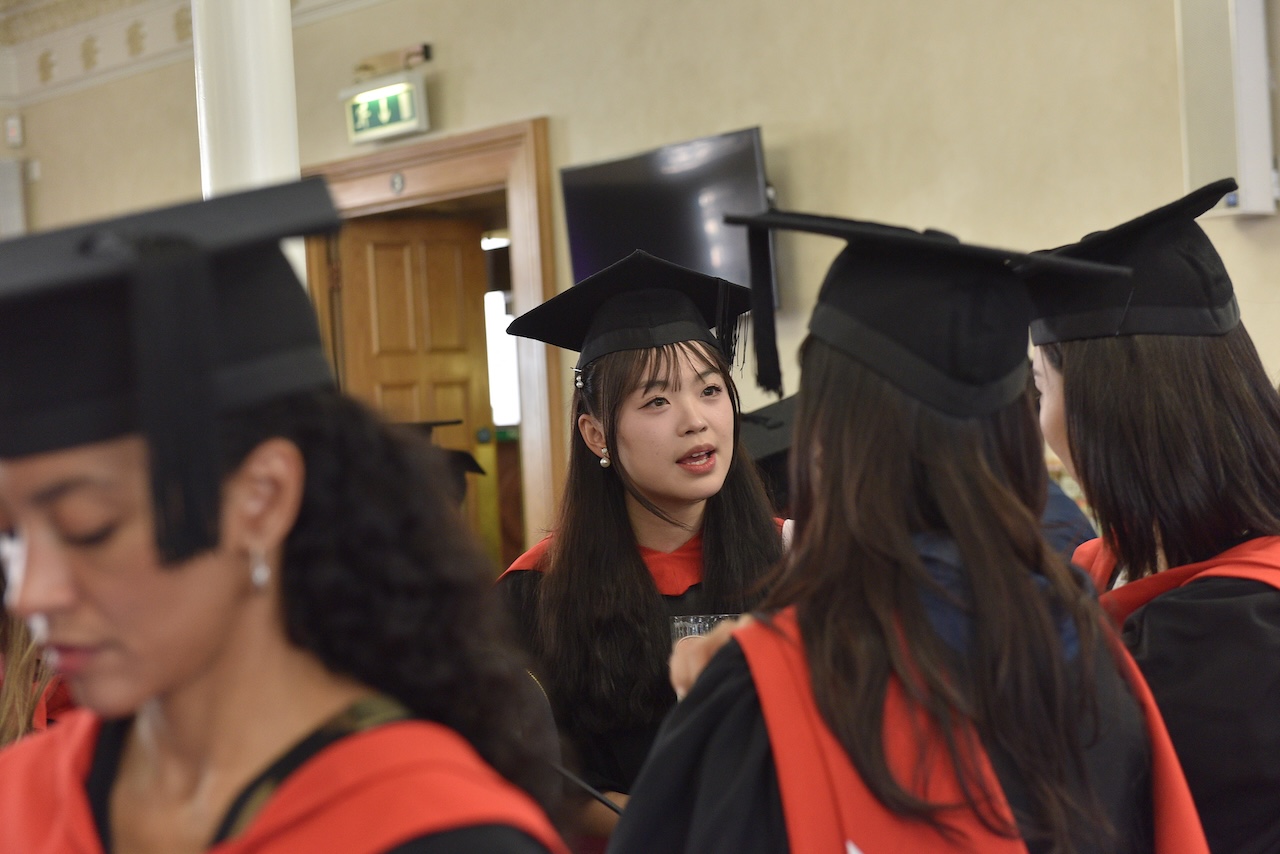
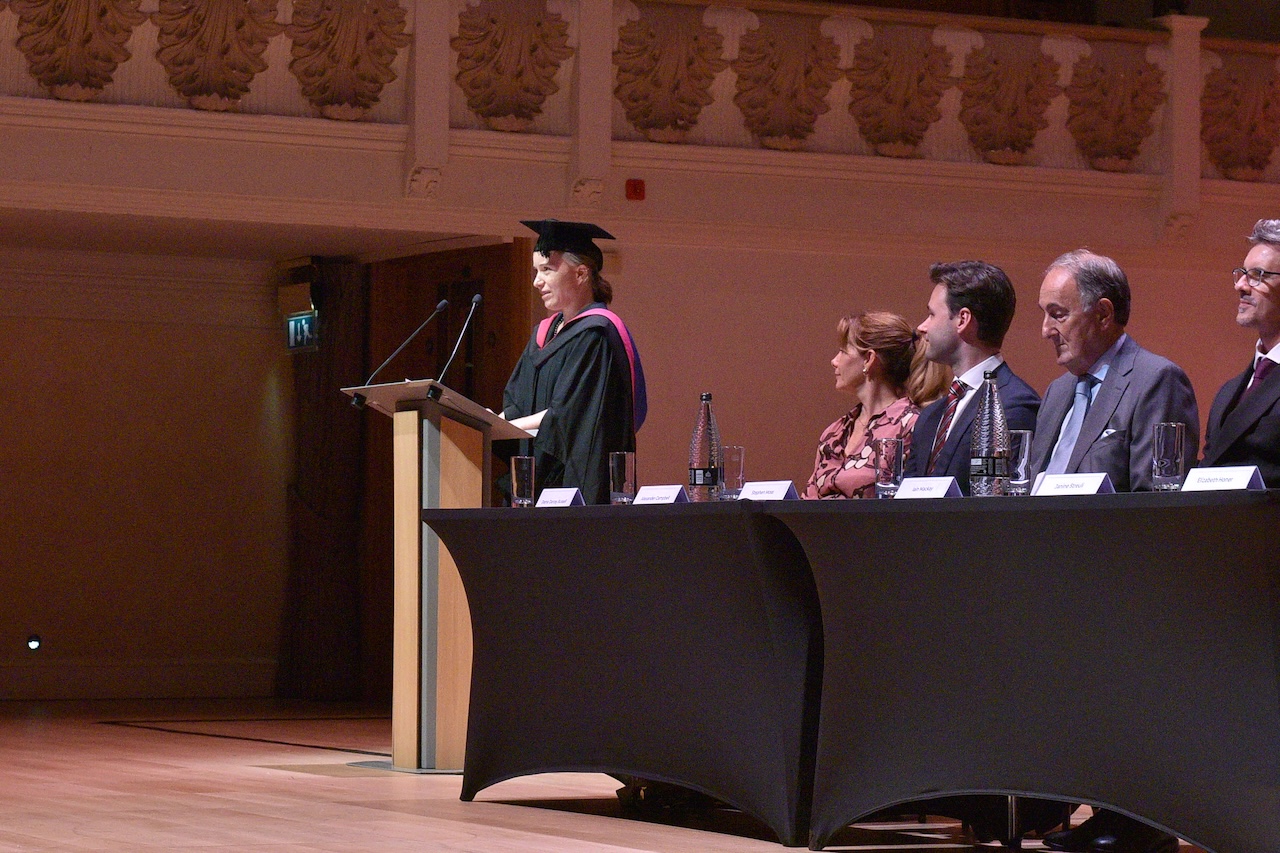
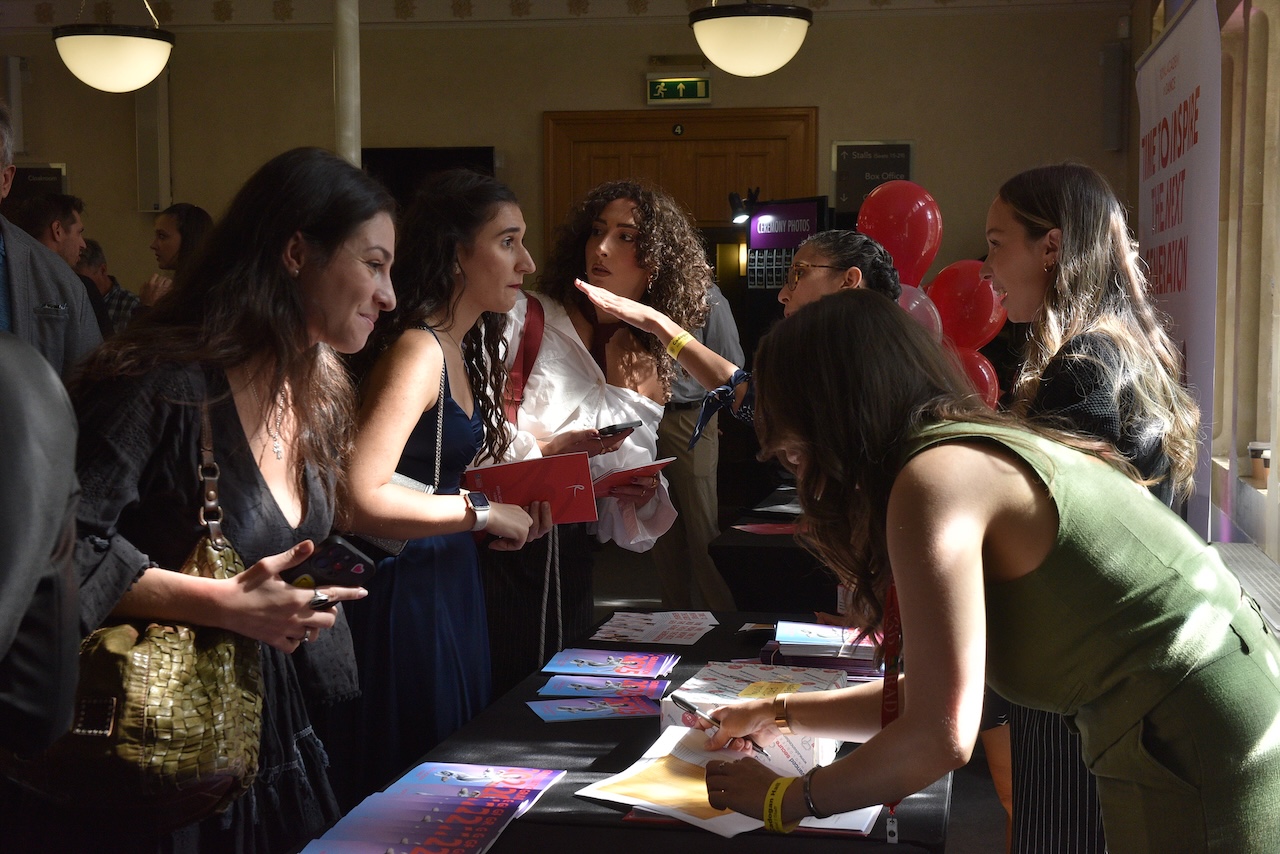
Successful RAD students celebrate Graduation. All photos: Tempest Photography
SEND YOUR FEEDBACK

Was it difficult to put your experience into words for the application?

My old dance teacher sent me a link to the award. It’s hard to write down an experience when it is your whole being. It’s not like the issues I wrote about aren’t ongoing – there are still things that I struggle with. I applied because dance has helped me so much with my mental health – writing it down allowed me to reflect on the progress I’ve made.

I can already tell that there’s going to be a lot of mentorship as part of the award, which I’m so excited about. The gratitude I feel is unbelievable. I’m overwhelmed with joy.

Some people say that dance can add to the pressure around body image?

It is ironic that dance has helped with my body dysmorphia even though there are such stereotypes about how the body is supposed to look. A tall, muscular build for commercial work, for example, while ballet is about length and slenderness. But in the studio, especially when I’m choreographing, I don’t have to fit into any genre, I can fit into my authenticity. That’s when I can be my best self and move the way I feel in the moment. 

With my OCD I get into a spiral when I feel lack of control – however, dance helps me without feeding into the OCD. I feel at one with my body, which is the healthy control I seek in my day to day life.

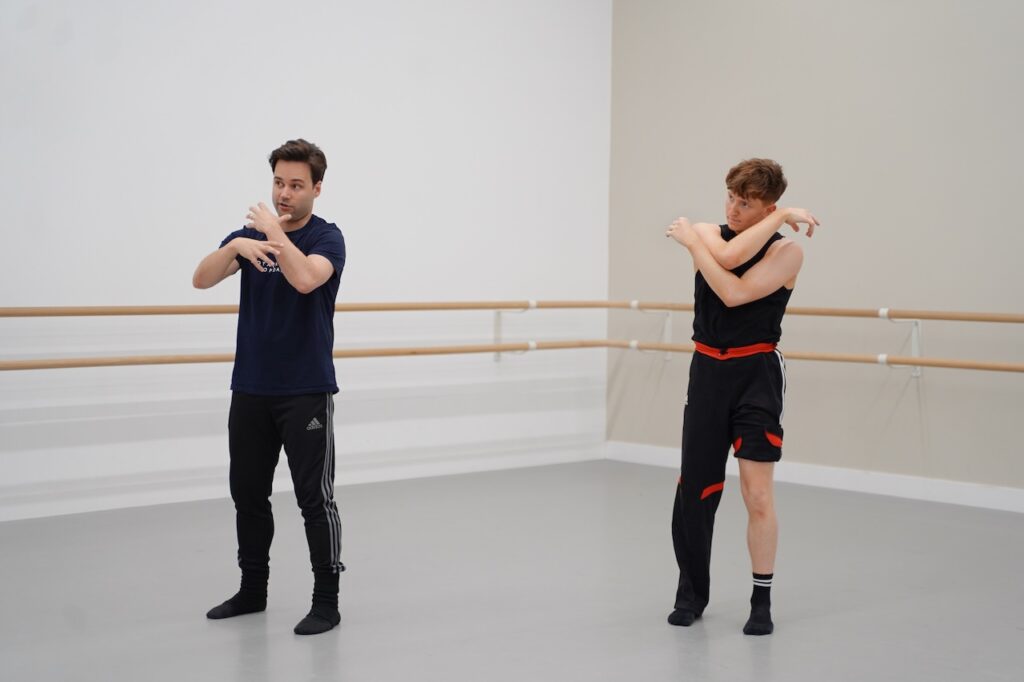
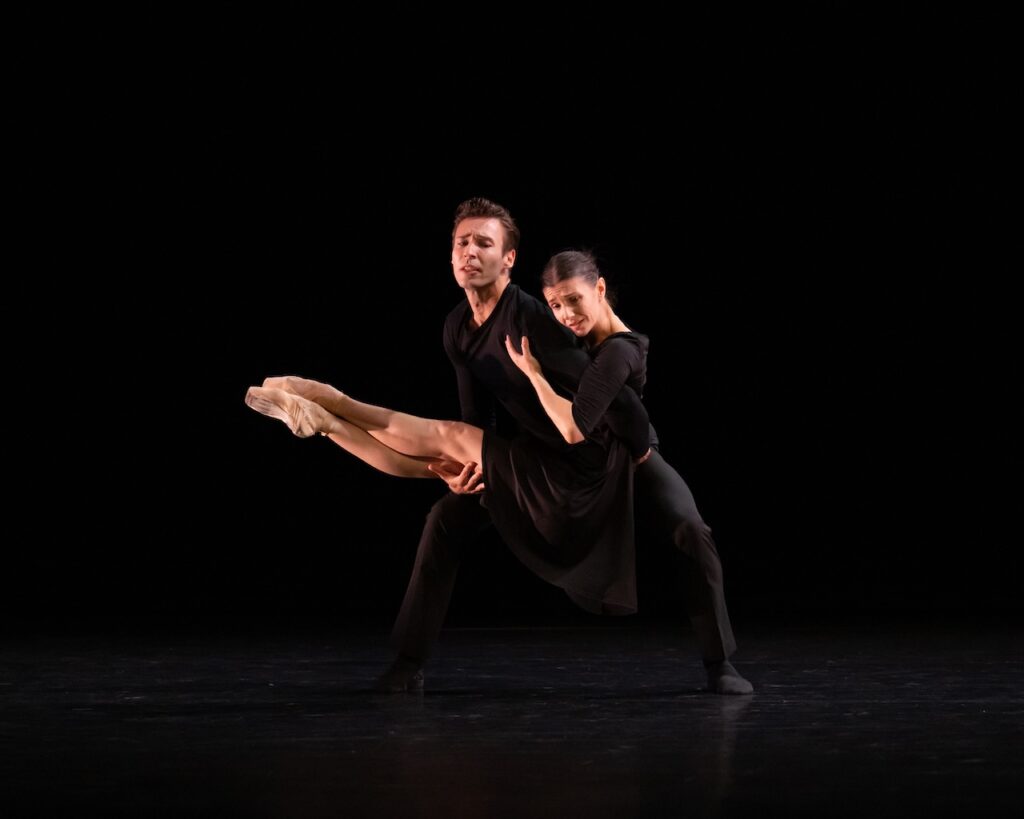
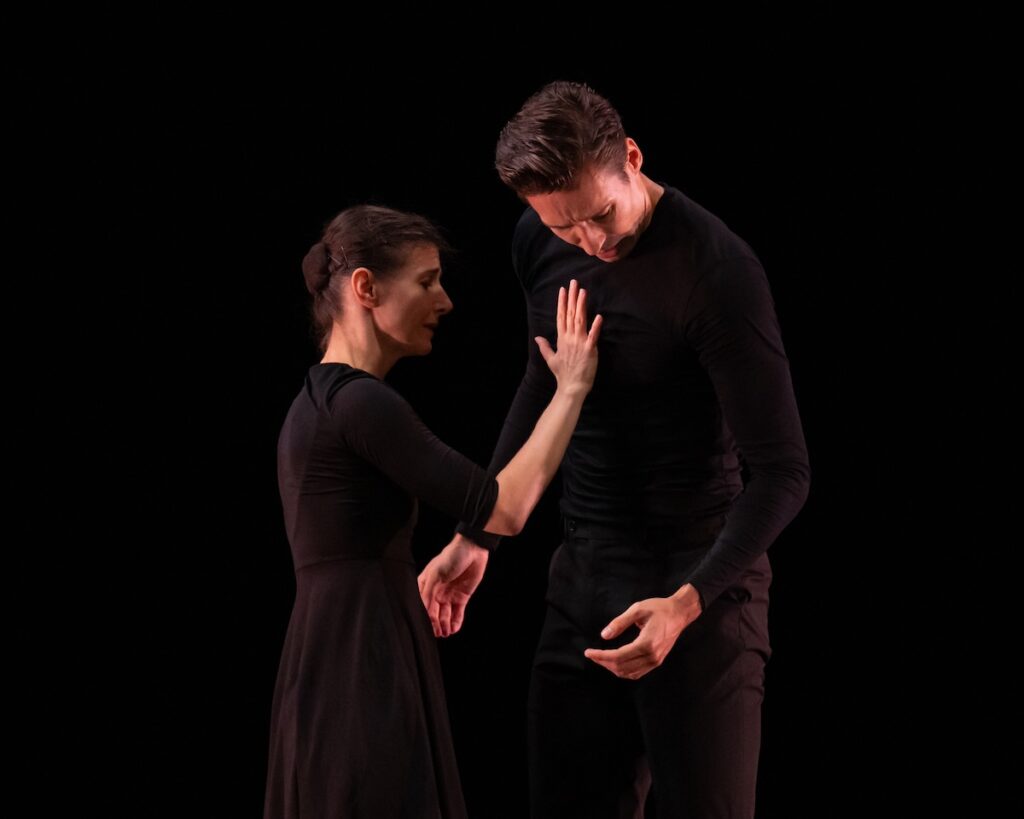
Alexander Campbell and Max McIlvenny at the RAD. Photo: Katie Butcher

How did dance enter your life? 

I’ve always known that I wanted to be on stage and share my craft. Yes, I was a dancing tot! I was five, watching my best friends in ballet class with my nose up to the window, and I was like, mum, I want to go. I was the only boy, and just loved it. Then came tap, modern, musical theatre, and I found my love for contemporary, choreography and singing. When I was young, I put on shows for my grandparents in their living room – I would raid my nan’s wardrobe and put on all her scarves. That’s how I got into it – it’s been a crazy journey. 

Did you find support with your mental health within the dance world?

It was lockdown when I was going through the thick of body dysmorphia. It was very lonely. With mental health, you’re always in your own head, like a prison cell. I don’t like asking for help, but when I was choreographing my dysmorphia piece, the teachers at BRIT helped me. This year I’ve been struggling with OCD tendencies, and when I reached out to the support system at Wilkes Academy, they were very helpful. And my parents have been my absolute rocks, I would not be where I am without them.

How was it to turn your experience into a dance piece?

The process was amazing. I had a cast of 12, and at first I was just teaching the steps. But a piece of choreography is not just the choreographer, it’s a breathing organism and everyone has to feel it. There was a turning point where I sat everyone down in a circle, and we did the first of what became many check-ins. People were talking about binge eating, about anorexia, started breaking down in tears. I had no idea that any of the dancers had been feeling this, it really opened my eyes. It was so special that I was able to create a safe space for them to open up – it’s a time I will never forget.

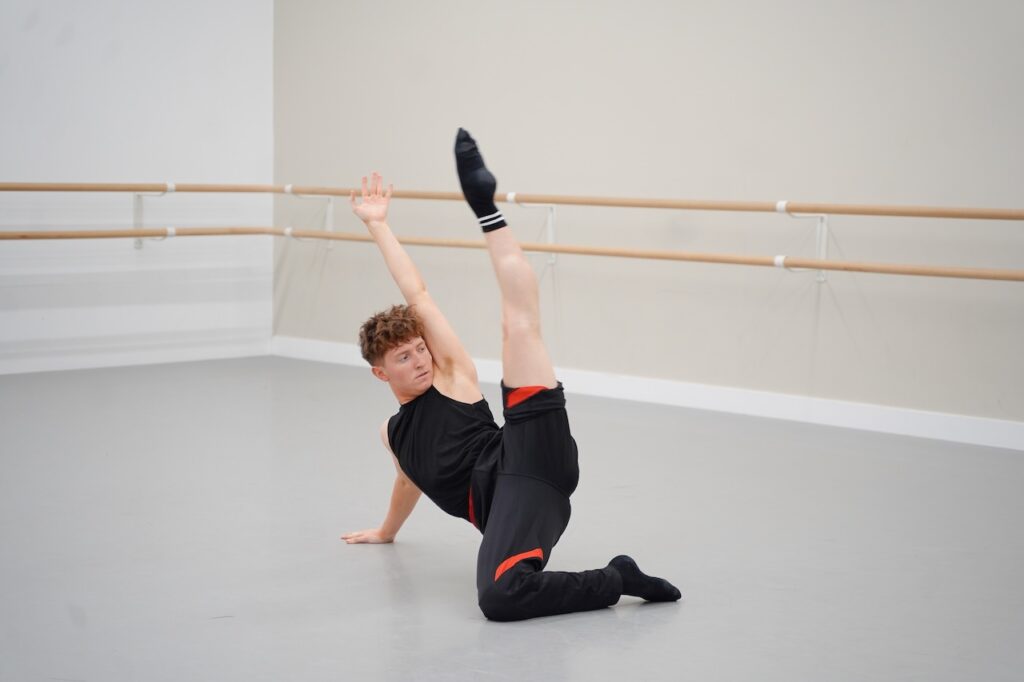
Max McIlvenny’s prize included a class at the RAD. Photo: Katie Butcher

What can a dance teacher do for a student who is struggling with their emotional health?

There is such power in silence and just listening. Especially if someone has OCD, their brain will be on fire with constant thoughts. People with OCD can’t even sleep sometimes because the noise is so loud. There’s no quick fix, but to teachers, I would say: listen to them. It’s important to make the person feel heard and seen, because, especially with dysmorphia, they don’t feel seen. Just being there and letting them ‘word vomit’ everything is so powerful.

What does dance mean to you?

A safe space. A way that I can communicate what my words can’t say. Dance has endless possibilities. Dance means joy, home and freedom.

WATCH

Joy and freedom… Max dancing at the RAD. Film: Katie Butcher

SEND YOUR FEEDBACK

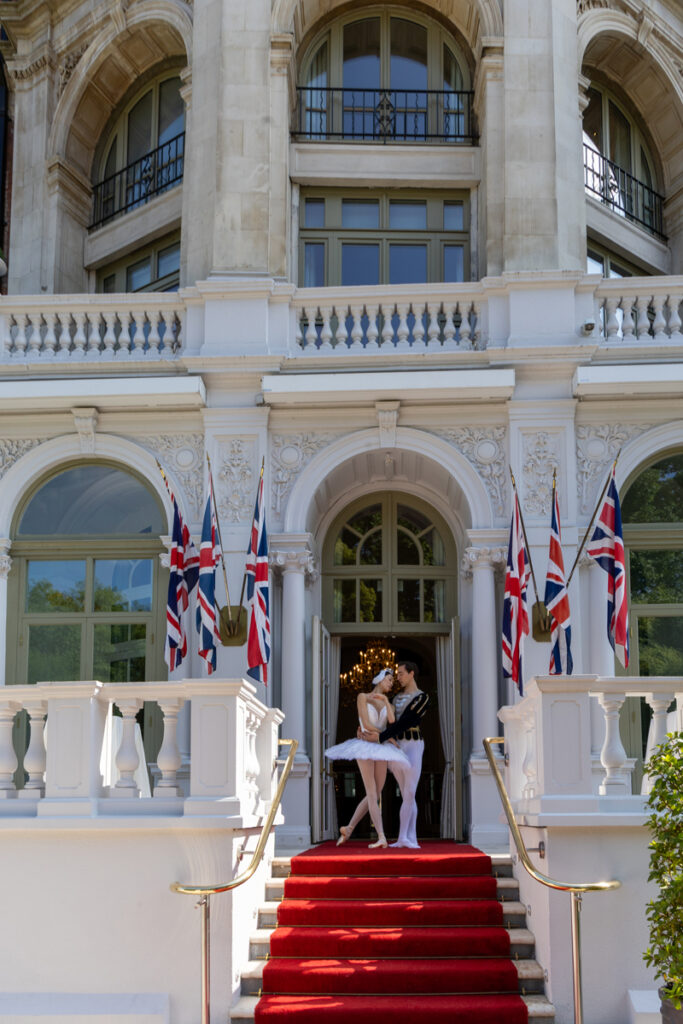
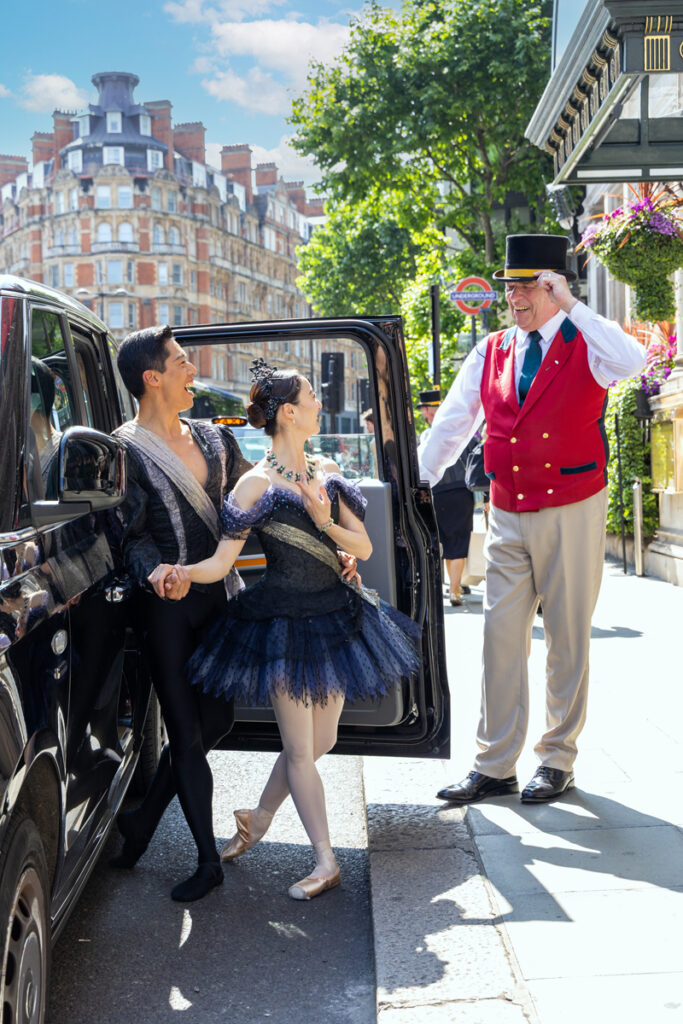
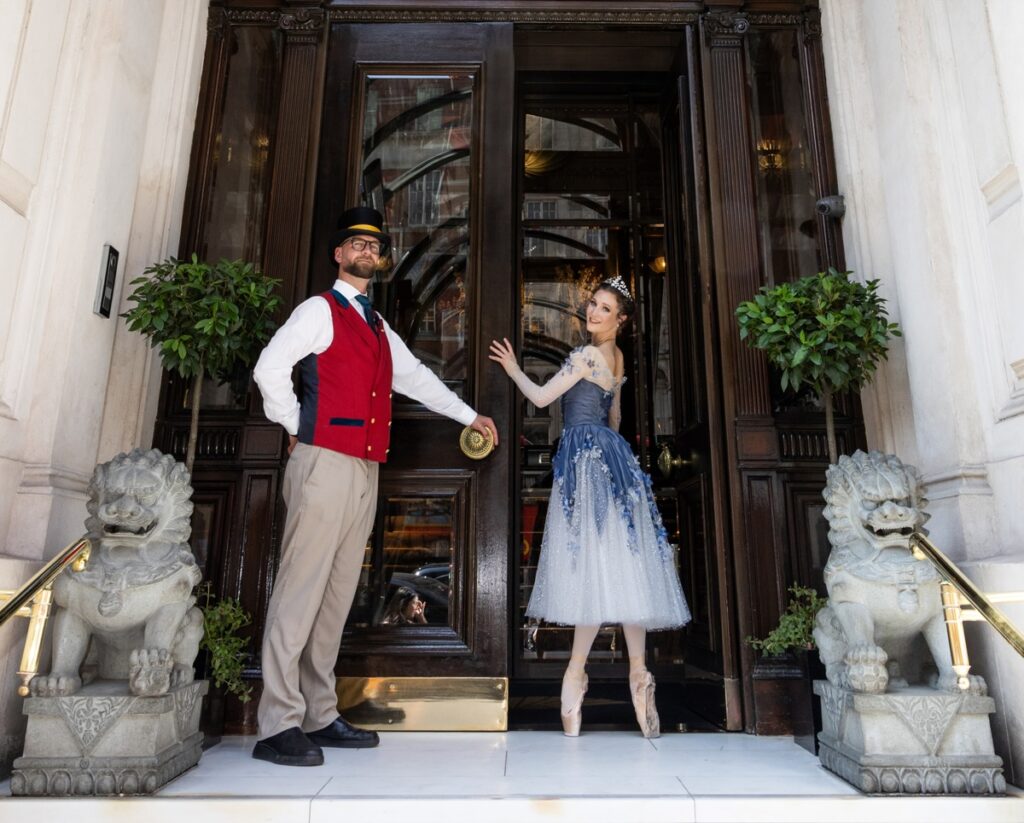
Stars of British ballet united in support of dance education at A Midsummer Night, a special fundraising event produced by the RAD and its President, Dame Darcey Bussell. 

Dancers from Britain’s top ballet companies came together to advocate for training dance teachers, who will go on to inspire the dancers of the future. The event, which took place on 16 June at the Mandarin Oriental, Hyde Park in London, raised over £410,000 to support the RAD’s vital work in training dance teachers worldwide, and included special performances and a live auction.

The leading dance companies involved included the Royal Ballet, Northern Ballet, Scottish Ballet, English National Ballet, Birmingham Royal Ballet. Ballet stars were also joined by famous names who support the RAD’s charitable cause including Lulu, Elizabeth Hurley and Billy Ray Cyrus. 

‘Dance teachers played a pivotal role in my career,’ Darcey Bussell said. ‘They dedicate their lives to supporting, educating and inspiring people from all walks of life. This event was not only a celebration of dance teaching and great dance teachers, but a reminder of the vital need for dance teachers in our society and the transformational impact they have on communities.’

For over 100 years, the RAD has nurtured generations of dance teachers, who instil creativity, confidence and a love of dance in their students. On average, one RAD teacher will train 3,000 students in their lifetime – making them a powerful force for positive change in communities worldwide. ‘Dance is a much underrated superpower,’ says Angela Rippon, who presented the evening. ‘It’s not only great for mental and physical health and wellbeing, it brings joy to everyone who moves to music. And dance teachers are the engine that drive the dance world. They don’t just teach, they mentor, support, encourage and inspire.’

Confirming the importance of dance training, Federico Bonelli, Artistic Director of Northern Ballet, said, ‘the next generation of dance teachers around the world will continue to inspire, shape and elevate the future of our artform. For Northern Ballet, the calibre of dance training provided through the RAD has a direct impact on the quality of dancers we are able to welcome into our company. Great teaching lays the foundation for great artistry.’ 

Michael Nunn, co-founder of BalletBoyz, said, ‘the RAD was my original system of training when I started ballet training at the age of 15. Despite my complete lack of experience, they supported me as I fast-tracked through the system. My experience with the RAD exemplifies the importance of excellent dance training: it has the potential to completely change lives.’

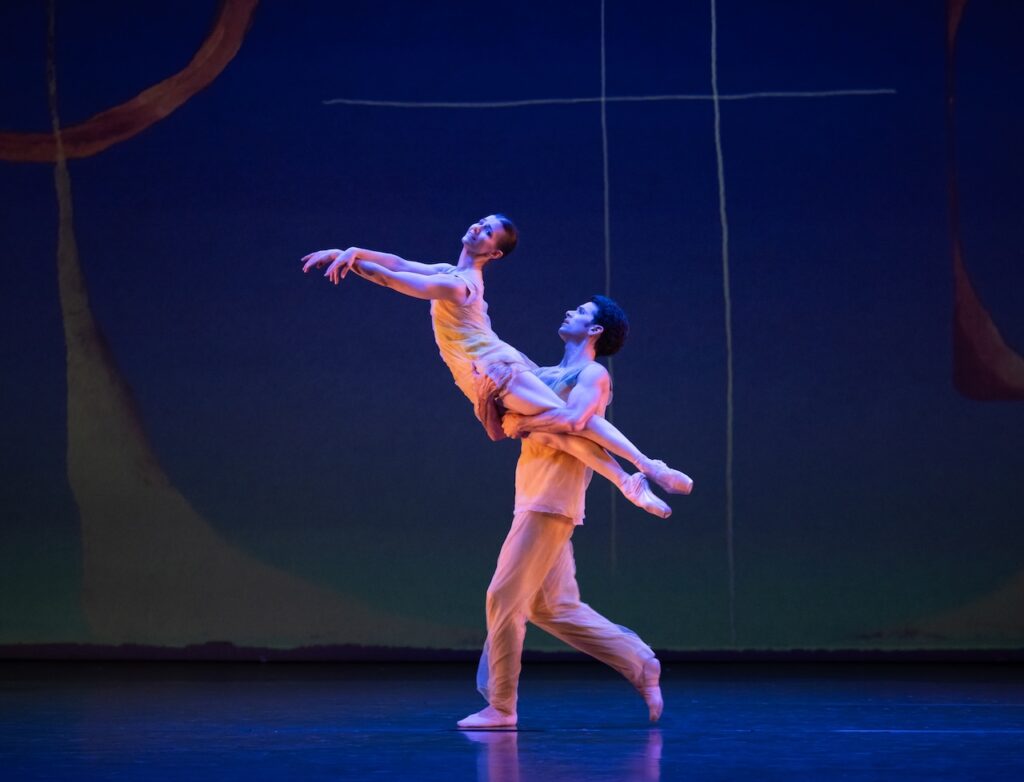
Performances on the evening included: Melissa Hamilton and Lukas Braendsrød (Royal Ballet) in Craig Davidson’s Lightness of Being; Tzu Chao Chou and Miki Mizutani (Birmingham Royal Ballet) in Frederick Ashton’s Birthday Offering; Matthew Ball and Joshua Junker (Royal Ballet) in Christopher Wheeldon’s Us; Gareth Haw and Sangeun Lee (English National Ballet) in Swan Lake; Sarah Chun and Joseph Taylor (Northern Ballet) in Cathy Marston’s Jane Eyre and Scottish Ballet’s Jessica Fyfe in Christopher Hampson’s Cinderella.

In addition, The Law of Love, a specially commissioned performance choreographed by Kristen McNally, was performed by Francisco Serrano and Leo Dixon with music from Ronnie Scott’s.  

The RAD would like to thank its sponsors: Mandarin Oriental, Diptyque, Dima’s Vodka, Lay & Wheeler, Memo Press, International Dance Supplies, Untold Japan craft Gin Byakudan, Harlequin.

SEND YOUR FEEDBACK

1 Sugarplum Fairy and Cavalier Pas de Deux from The Nutcracker by Tchaikovsky

As a ballet student, I used to listen to this and was enchanted by the beauty of the melody. In just five minutes, this music had the power to take me to a magical world, and to experience feelings such as compassion, hope, love and much more. The fascination I had for it made me want to dance the Sugar Plum Fairy’s grand pas de deux. The Nutcracker was the first creation in which I performed when I joined a professional company in Germany. Coincidence or not, this not only helped me fulfil my dream of dancing to this music, but the experience of participating in a creation taught me a great deal about ballet as an art form and influences me still today. 

2 Bachianas Brasileiras No 4 – Prelúdio by Heitor Villa-Lobos

Simple in its structure – yet intense, profound, expressive, dramatic, vulnerable and human.

3 Non, je ne regrette rien by Charles Dumont and Michel Vaucaire

Edith Piaf’s voice in this song expresses tenacity, strength and determination – the same energy that I believe a dancer should have throughout their career. This music was used in a solo choreographed for me by Ben van Cauwenbergh to perform along with variations from the classical ballet repertoire at the Septième Concours de Danse de Paris. The song is particularly important to me as this solo helped me not only win the gold medal in the competition, but also to bring my art to different parts of the globe.

4 É Hoje by Didi and Mestrinho 

This song, performed by Caetano Veloso, was part of a ritual that I followed throughout my career. During warm-ups, when putting on make-up or on my way to the theatre, I would always listen to this song. It connected me to the joy of the Brazilian people and to my roots. After listening to it, I was full of energy and ready to go on stage.

5 What a Wonderful World by Bob Thiele and George David Weiss

The busy life that most of us live, the excessive use of cell phones, and the growing number of people suffering from anxiety and depression in the world today calls my attention to this song, wonderfully interpreted by Louis Armstrong. The beautiful text and the simplicity of the melody remind me of the importance of simple things, of small pleasures, of realising the importance of the present moment. A real treasure.

RESOURCES


SEND YOUR FEEDBACK

Dannielle ‘Rhimes’ Lecointe is Associate Artistic Director of ZooNation.

The best advice I ever received 

I had always been a person who let fear drive me forward: using it to be productive and get things done. But I had never really thought about its implications in the body and that I had a choice to turn it into something else. 

It was one of my coaches who said, ‘fear and excitement use the same energy – you get to decide whether it transfers into one or the other.’ These words transformed my thinking and enabled me to turn that high stress feeling of fear into ensuring I was moving from excitement. It’s a powerful perspective that keeps those cortisol levels down.

The advice I would pass on 

Don’t quench, hide or dim your light. The problem is never the light you shine, but often the people you’re sharing it with. 

Over the years I’ve found that the more you engage, use or train your skills, the brighter you shine. This makes you a beacon to receive more, but it also can be a catalyst to removing people, places and things that are not conducive to where you’re going. This is never a negative thing. I think we’re all called to shine in our own unique way and the one thing that is inevitable is change.

Photo: Amy Cooke
Ebony Scrooge at Sadler’s Wells East. Photo: Johan Persson

RESOURCES

SEND YOUR FEEDBACK


What propelled your dancing when you were young?

My mum once said, ‘you always knew what you wanted.’ I was surprised – but it seems that I’ve always had that certainty.

When I was 10 years old, I saw my first ballet performance. I was already training in Kyiv, but had never seen a ballet. During the intermission of Don Quixote, they couldn’t find me – I’m told that I was by the orchestra pit, looking at the stage and saying: One day I’m going to do that, and I’ll do it better than she [the ballerina] does. Only six years later, at 16, I performed Don Quixote on that stage, and that same dancer was in the wings watching me. It’s surprising to look at the time frame in which that was achieved, but in my head it was never in doubt. I’ve always been focused on my work – and when you do that, some people might not like it, but everyone will understand and respect it.

Alina Cojocaru and Alejandro Virelles in Pictures at an Exhibition (London City Ballet). Photo: ASH

Alina, you have made me cry more than any stranger should! When you’re on stage in the moment, how do you balance technique with the emotion you want to create? 

Oh my gosh, I could talk about this for days and days, I’m truly so passionate about it. I feel there’s a curiosity about this that is disappearing a little in the ballet world right now. Our art form is so bare. We don’t have fireworks, we don’t have car chases: we just have ourselves. So how do I bring myself to the performance? For me, it all starts with the same thought – that whoever’s watching knows what pain is just like I do. They know happiness, sorrow, the same range of emotions that I feel. I know my audience, because they’re like me.

Now, let’s find out who am I performing. With Manon [in Kenneth McMillan’s ballet], I thought: I don’t like her! But if I don’t like her, you won’t like me on stage. So I started searching and discovered a film about a courtesan who was also a poet, and learned that courtesans were the only women allowed into the library in Venice. They were considered very smart women. So if I make Manon intelligent, loving and curious? I know that feeling. I connected with her a little more. 

During the pandemic, we couldn’t perform. Our art form was not needed – saving life was the priority. When I was back on stage, I realised that telling someone’s story is powerful and I don’t take it lightly. That’s my power: to tell the story in the most honest way, to connect. As artists, that is our power – without fireworks, just pure connection.

Are you interested in passing on these ideas through coaching?

I have started coaching a little, because I feel we need to shift our focus towards the artistic aspect. [Impressive athleticism alone] does not make a dancer. It might be exciting, but there is a limit if you only focus on that – unless you combine it with an artistic aspect, self-discovery, a passion for storytelling. Then a new world opens up for us and for the audience. I feel that will be the next step towards a fulfilling career. Honestly, it’s not my coach’s job to make me excited about my work. It’s mine. If I’m bored in a studio, it’s my fault, because I can use my imagination and I can use my creativity to create something. If we start shifting a little bit of focus in that direction, it really can be a fun profession.

How do you deal with feedback?

If there’s one thing I’ve learned, it is: don’t take it personally. I can accept the feedback that helps me grow or because I’m curious about it. The rest, I’ll throw away, because it does not apply to me. 

The challenge right now is that feedback comes from everywhere. It comes from Instagram, critics, colleagues, teachers, coaches, your colleagues, people at the stage door. They all have their right to their opinion and will say it in their own ways. I cannot control that. But I know my value, and what, for me, is important – which is to connect to people through storytelling. So when I get feedback, my values are my shield. Whatever you say has to go through this filter. Then I’ll receive it as helpful feedback, no matter how you deliver it. I wish I would have learned this earlier – and I wish I had started applying it to my daily life as well, and not taking everything personally. 

Why does dance matter to you? 

I think in life, we all have a purpose. I want to know who I am, and for me, dance was the tool that helped me go as deep as I could, push myself as far as I could, learn about myself and the world around me. I saw a possibility of forgiveness and bravery to go for it, because at the end of the day, is not the end of the world if I fail. I might as well use the tools that I’ve been given to dance the best I can, because I might just connect and learn and share, which truly is why I am here. For me, my art form is who I am.

Why Dance Matters

Why Dance Matters is the RAD’s podcast – a monthly series of conversations with extraordinary people from the world of dance and beyond. Please do listen and subscribe.

LISTEN

Hear the full interview with Alina Cojocaru

RESOURCES

SEND YOUR FEEDBACK

Shortly before I took up the role of Artistic Director, I was walking down the street behind two young sisters and their mother. The older sister was explaining and demonstrating to the younger how to do a layup in basketball. Standing at the crossing with them, I could hear the excitement in her voice as she explained that you took ‘one step, two step, then hop,’ so that you could then pass or shoot the ball. All the way down the street this enthusiastic child repeated her new skill: one, two, hop!

I couldn’t help but wonder who had taught her, because she had been left not only with an eagerness to practice a foundational skill but also with the desire to pass on that knowledge, to talk about and share it with the people around her. I felt as though I had seen the spark that lit a lifelong interest. 

Every time I teach now, I dream of being able to have this sort of impact. If I ever see a student going down the street and practising a pas de bourrée (like the basketball hop, also a prescribed number of steps!), I shall be able to retire happy.

‘If I ever see a student practising a pas de bourrée in the street, I shall retire happy’

I also want to support our members to be able to inspire their students in the most meaningful way possible. When I think of the best teachers I had throughout my training and career, they each passed on their love for the art form, and fostered an interest that made me want to practice the steps down the street. It made me want to talk about what I had done, what I had learnt, and what I hoped to do in the future. 

Looking more widely to the future of the RAD, I want to provide as many opportunities as possible for people to share their own love for ballet and dance. This is why I’m so excited about the Creative Training: Ballet offering which we are trialling as you read this. Matching the progressions seen in Grades 1 to 5, it relates to the Foundations of Classical Ballet Technique. It is designed to encourage autonomy and creativity in both teacher and participants as they develop their skills, knowledge and understanding of classical ballet, bringing the ethos of developing foundational knowledge to the fore. Initial trials have demonstrated numerous opportunities to enhance the learning experience, not least for our growing and dedicated adult learners. 

We all know that to be good at something, you need to practice it. And just think how our students will improve if they are inspired to practice as they walk home from class!

SEND YOUR FEEDBACK