‘The big dream was always to be a ballerina,’ says Louise Murray, who grew up idolising Margot Fonteyn. At ballet school in Scotland in 1981 she was a big fish ‘in a tiny wee pond’ when she was sent to audition at Hamburg Ballet. ‘I was surrounded by fabulous, fabulous dancers, and my heart sank,’ she says, remembering the day. ‘It was absolutely brutal, and by the end of it I knew I was not going to be a ballet dancer, never in a month of Sundays. I was absolutely numb. It probably took me 24 hours before I could even speak.’
Murray, whose memoir is entitled Reflections of a Failed Ballerina, went on to dance in panto and summer seasons in Scotland, made good money and set up her own successful school, Monument Dance Centre in Stirling (she has also been an RAD Trustee). It’s a great life. But at the time of the audition she chastised herself. ‘I kept saying to myself, who did you think you were? You were kidding yourself.’
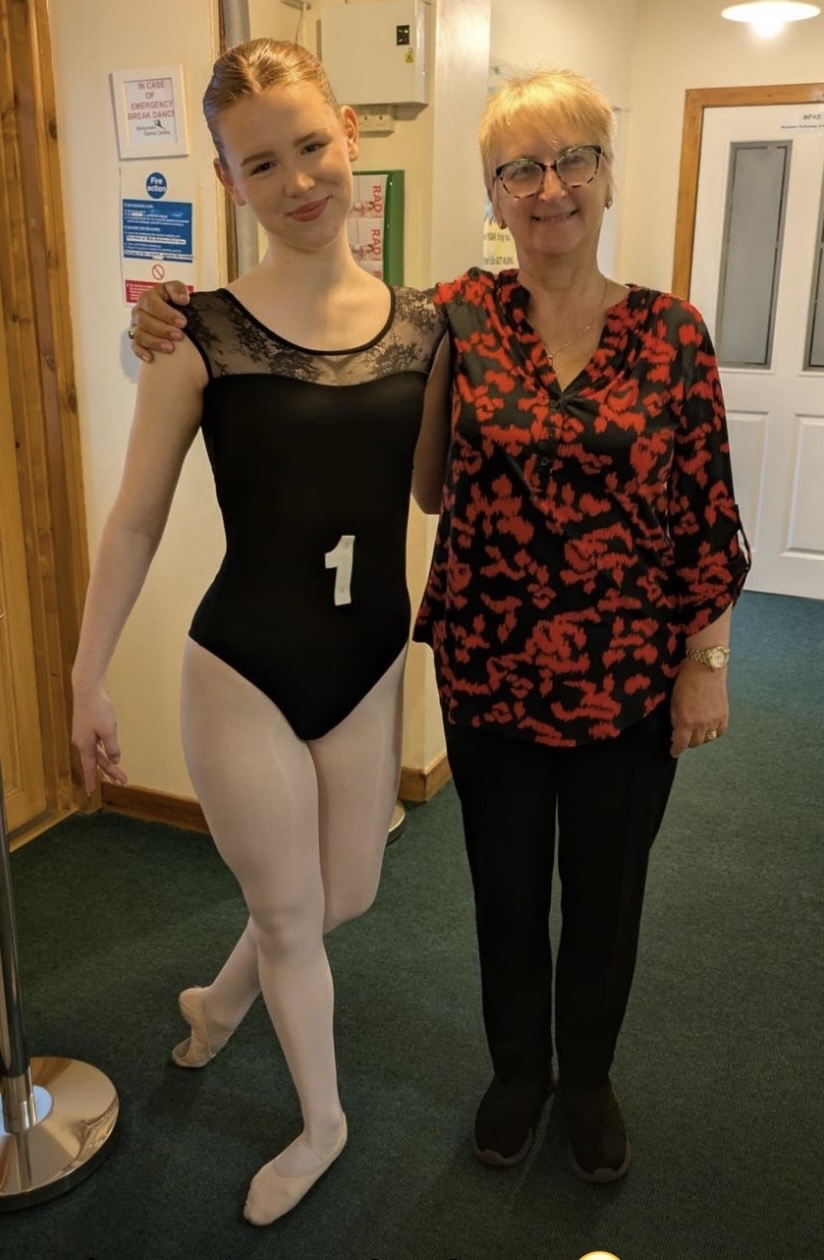
‘It was absolutely brutal. It probably took 24 hours before I could even speak’
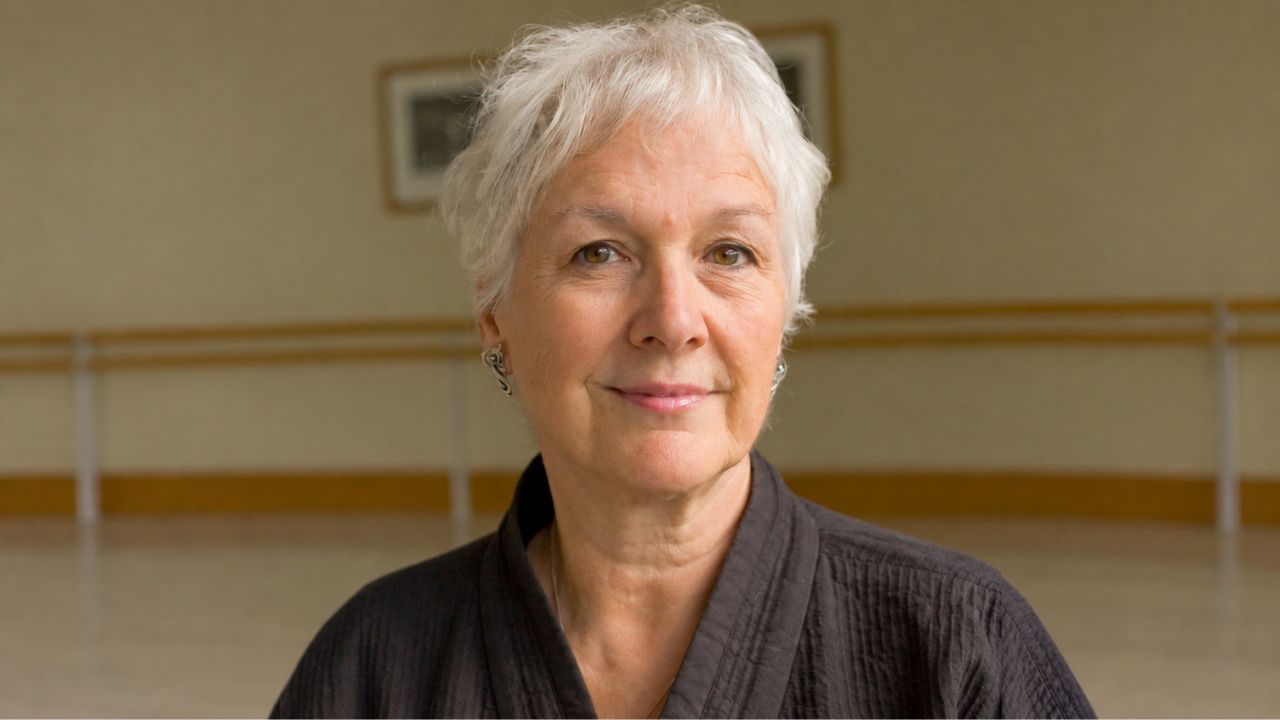
Louise Murray
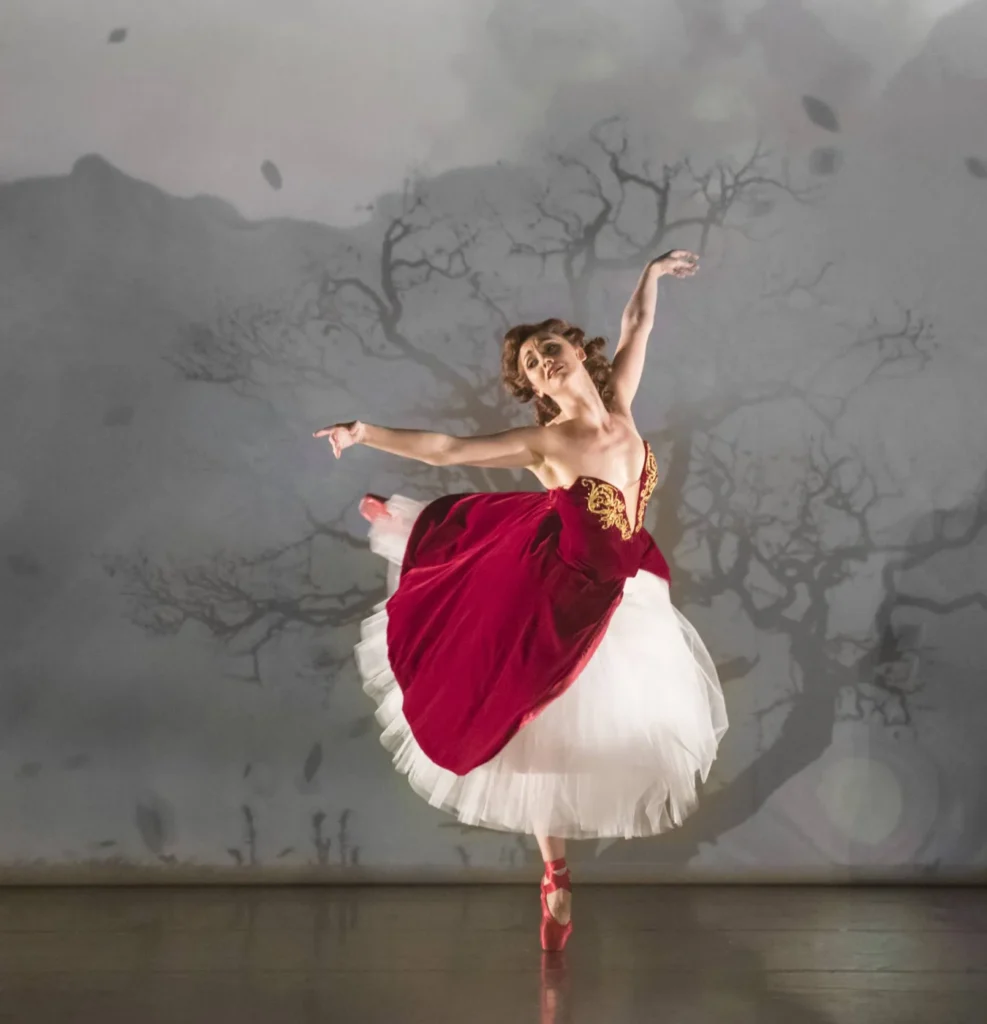
The fact is, every dancer will meet failures of some kind, large or small, in the course of their dancing life: disappointing auditions, losing out on roles, poor exam marks or making mistakes on stage; it’s all part of the job and it doesn’t have to be the end of the world. Dancer Melissa Hamilton didn’t get into the Royal Ballet School when she auditioned as a teenager but went on to become a Royal Ballet principal. Ashley Shaw is now an award-winning star of Matthew Bourne’s New Adventures, but failed her first audition for Bourne’s company (she went to dance on cruise ships, came back the next year and got in). How we meet those failures can play a part in our future success. As Samuel Beckett’s famous quote goes: ‘Ever tried. Ever failed. No matter. Try again. Fail again. Fail better.’
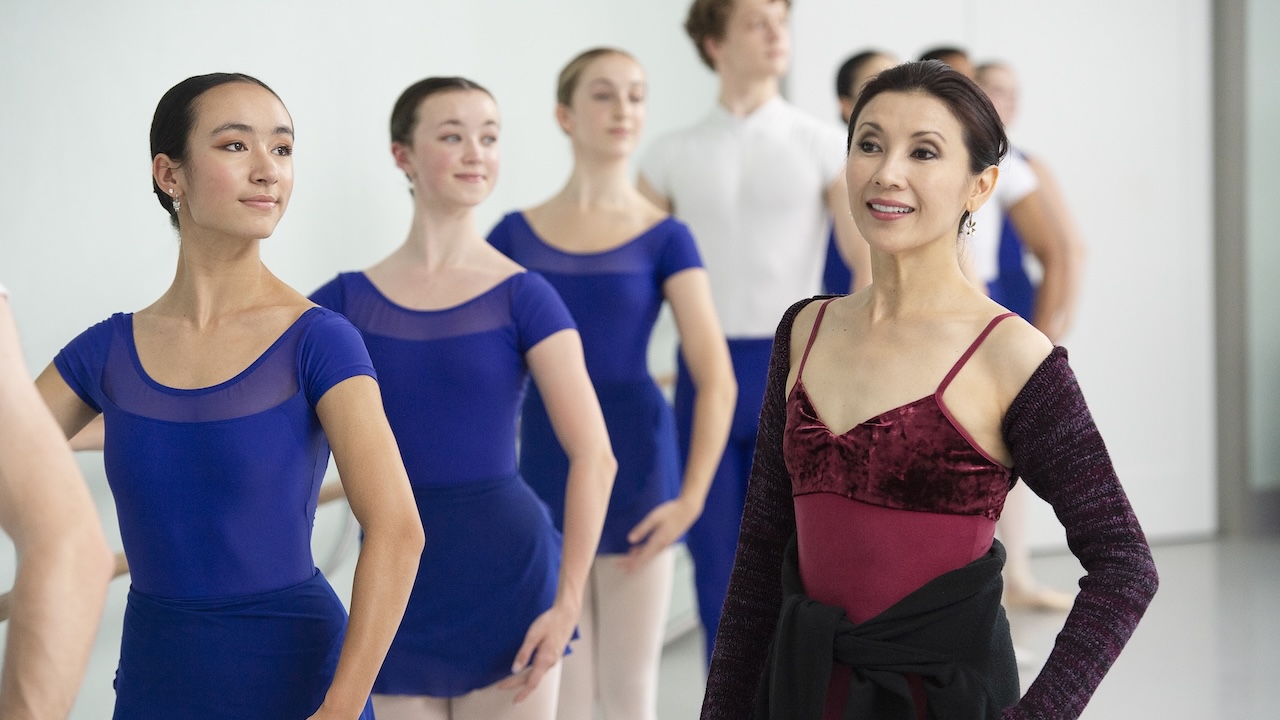
I tell dancer-turned-performance psychologist Carrie Taylor Johnson about one of my own childhood dance failures: clumsily tripping in an audition and losing out on a much-wanted part in The Nutcracker. How I sobbed in the dressing room! What would you say to a child in that situation, I ask. Her reply: don’t minimise how much these things hurt in the moment. ‘People want to make you feel better by saying, “It’s okay! It’s not that bad.” And that can feel dismissive.’ she says. ‘The initial thing is always to validate what someone’s going through. You might say: “I know how much that meant to you, and how much effort you put in. It’s understandable that you feel upset.” The key is allowing the person to feel, rather than rushing to tell them how they should feel.’
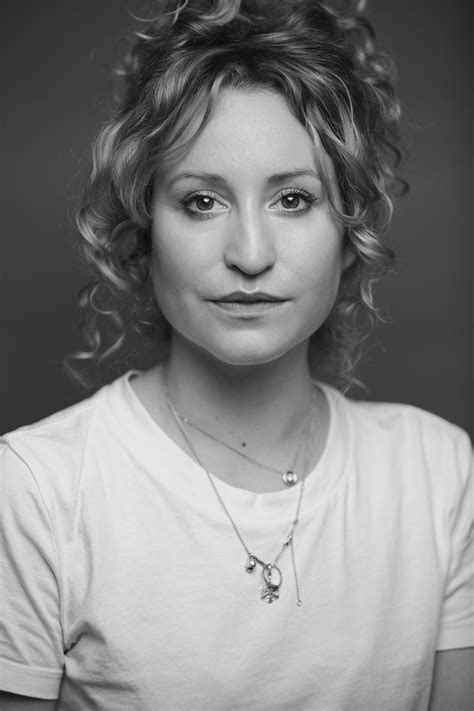
Carrie Taylor Johnson
‘People want to make you feel better, but the key is allowing the person to feel’
It’s later that you can start to learn from the experience. Johnson advocates being ‘curious rather than critical’. Lord knows dancers are critical enough of themselves, and that’s a hard habit to grow out of. It’s easy for one negative experience to turn into a judgement on your whole self. ‘The brain jumps from, “I didn’t get that audition” to “I’m not good enough!”’ says Johnson. Or as ex-Ballet Black dancer Cira Robinson puts it: ‘A bad pirouette means I’m a terrible person, you know?’
To take a curious frame of mind might mean observing what you experienced rather than drilling into what went ‘wrong’. Johnson recently spoke to someone disappointed after a high-level ballet audition. ‘I said to her, what did you learn? You learned what it was like to be in a room with foreign students, a teacher who didn’t speak your language. How might that experience help you moving forward?’ You can’t just pretend everything’s hunky dory. ‘I think it’s wrong to try and flip it into a positive,’ says Johnson, ‘but perhaps it wasn’t all terrible: a bigger experience than me and the way I danced.’
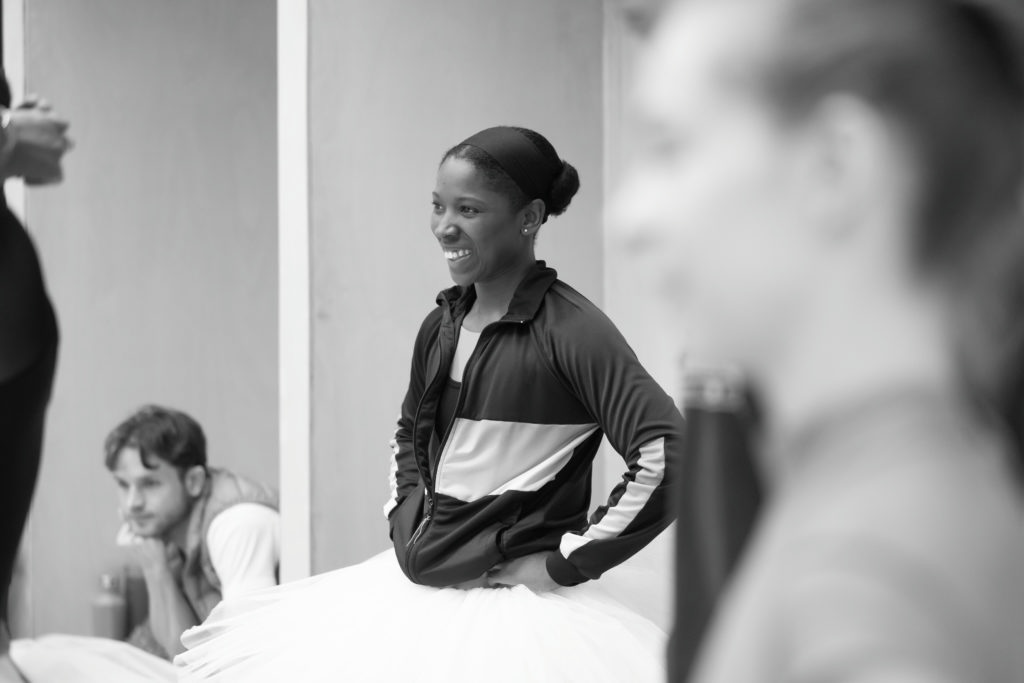
Being prepared to make mistakes and learn from them is all part of building resilience. ‘It’s all about taking risks. Don’t be safe,’ Darcey Bussell told me in an interview once. ‘I was happy to make mistakes. I was happy to throw myself into something and make a fool of myself,’ she said. And look where it got Darcey. Robinson thinks her greatest failure might be, ironically, not embracing failure. ‘I played it very safe,’ she says. ‘And I feel like a hypocrite because I tell students: shoot for the stars. Go for this, go for that, you can only fall on your butt. But I was scared to.’ You’ve got to be a daredevil, she says. ‘Because all you can be told is no, and don’t be afraid of no. I was afraid of no.’
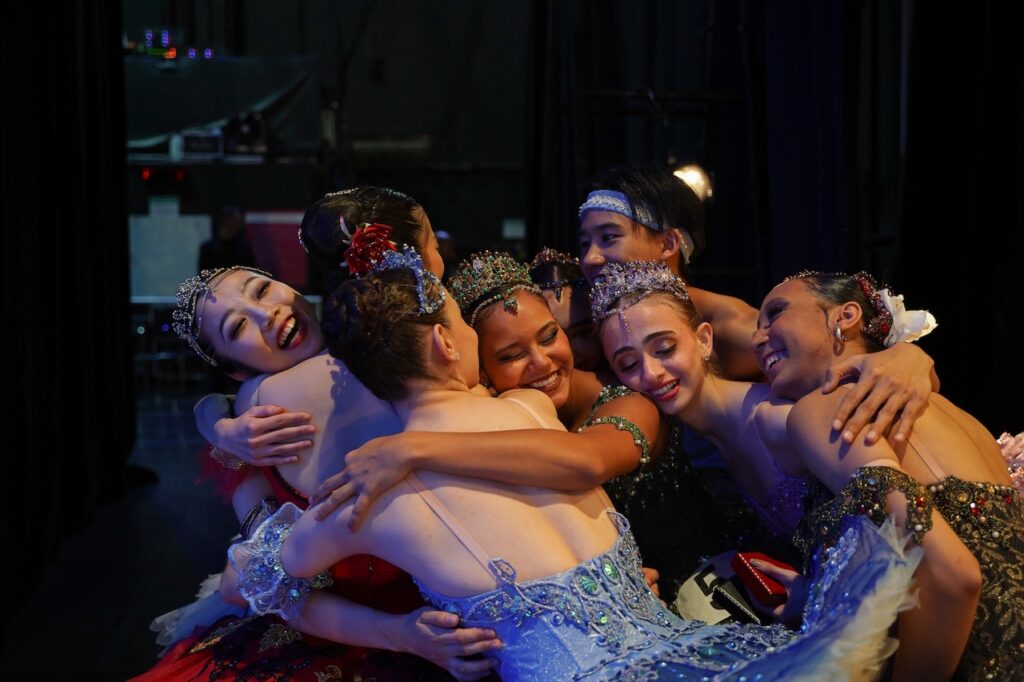
Robinson and Johnson will both work with students during this year’s Margot Fonteyn International Ballet Competition, where pressure will be felt not to make mistakes. Robinson favours positive affirmations to create a good frame of mind, and then embracing whatever comes. Just think: ‘Here’s another experience,’ she says. On stage, mistakes can happen in real time and you have to carry on. ‘It’s trying to pull your attention back to what’s going to be useful to you,’ says Johnson. ‘I’m a big fan of tuning into the music, feeling the body. Not getting stuck on technical worries, trying to be in the present – which is usually when we perform at our best – by losing yourself in the artistry, the music or meaning of the dance.’
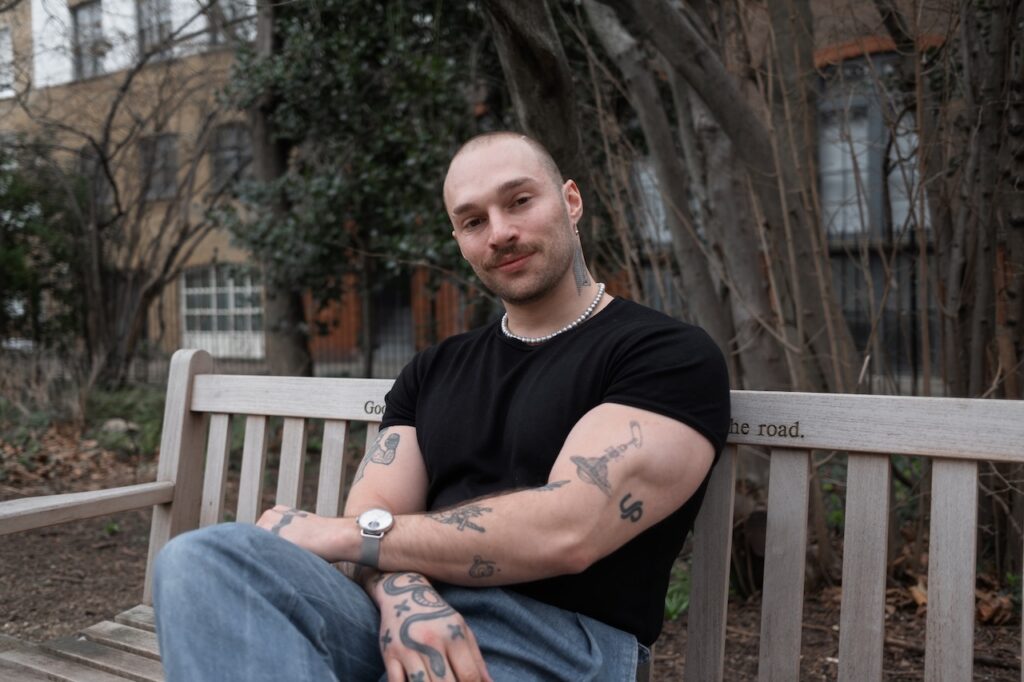
‘There was a great sadness, but then excitement. I could start exploring things that had been closed off’
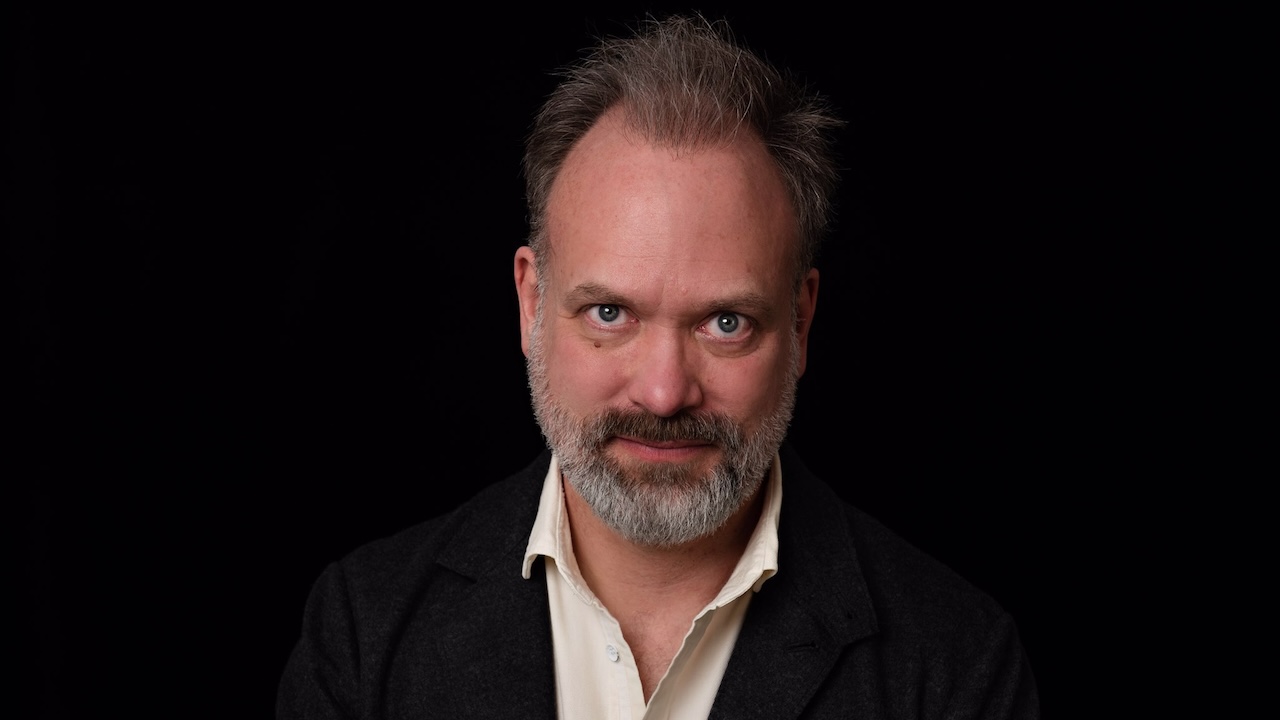
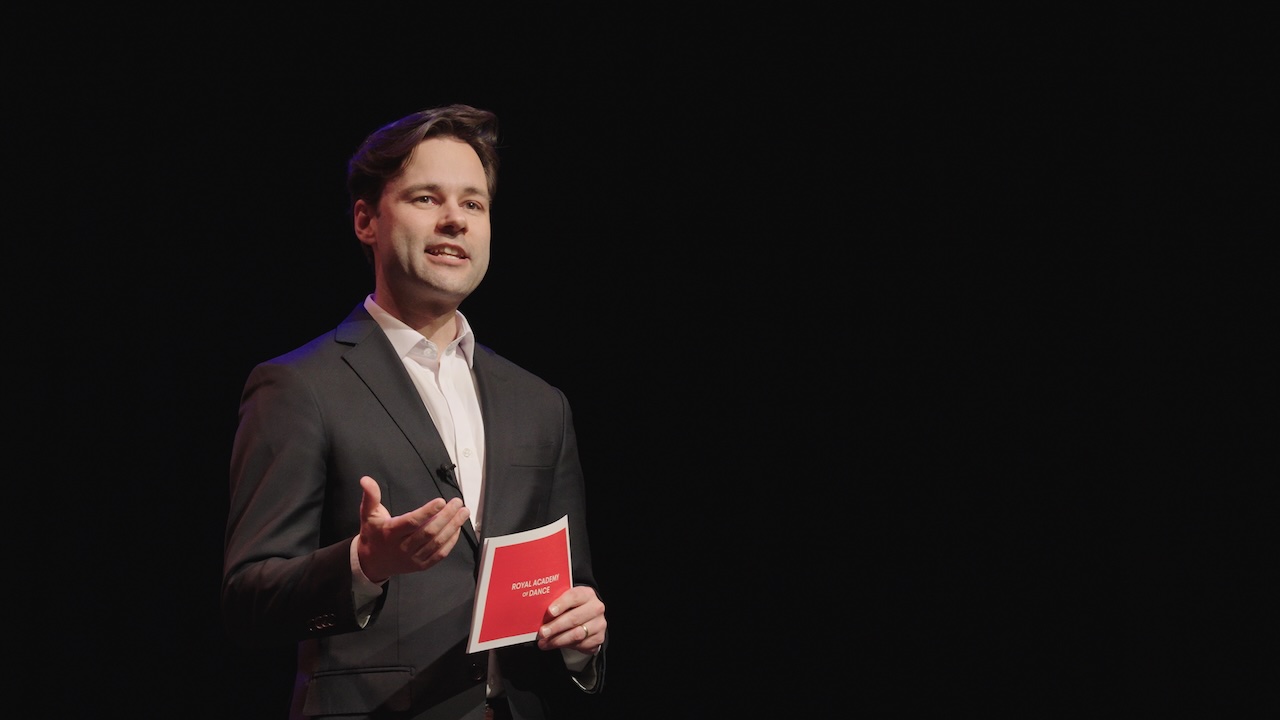
Albert Azis-Clauson
Of course the biggest sense of failure for some students may be realising that their long-held dream to be a professional dancer ultimately won’t come true. ‘That is a difficult reality,’ says Johnson, ‘and brings with it a fair amount of grief – and it really is grief they’re feeling.’ Sometimes you do everything you could, work as hard as anyone else, and still fail to get what you want. Johnson has seen people get bitterly stuck in the unfairness of a situation, but will remind them: ‘Does that have to dictate how you behave now? Is how you’re behaving in line with how you want to be as a person? Is it helping you progress with your life, or reach the next goal?’
When Murray thinks back to her young self after her Hamburg experience, ‘I would say, work in the same ambitious way, but open your eyes to what else is around, and don’t beat yourself up,’ she says. As a teacher she’s keen to open her students’ minds to all the other brilliant jobs in the performing arts – costumes, wig making, management and more.
And of course there is also a world beyond dance. Albert Azis-Clauson started dancing at three, at six he told his parents he wanted to be a dancer, and at 11 he joined the Royal Ballet School. But at 14, he was assessed out (not invited back for the following year). When the letter came, Azis-Clauson remembers his father looking sombre. ‘I honestly thought it was a joke,’ he says.
In truth, Azis-Clauson had already started feeling the constraints of such a narrow education. ‘I wanted to read books, build computers, play sports.’ But the news was still a shock. ‘There was a great sense of sadness, of disappointment, and definitely of surprise,’ he remembers. ‘But then there was a rapid change to excitement. I could start exploring all these things that had been closed off.’
Azis-Clauson has gone on to be a hugely successful tech entrepreneur, building multiple businesses, and is now CEO of venture capital firm Tramlines. He’s in no doubt that his ballet training helped him get where he is. ‘A lot of the successful entrepreneurs I know have some level of vocational childhood. It’s a very common theme,’ he says.
He can pinpoint the things dancers take with them whatever career they follow: a serious level of discipline, punctuality – not just arriving on time, but being there early, warmed-up, prepared – and most importantly ‘the idea that criticism is a gift’. ‘Most children, and adults actually, struggle with negative feedback and look for praise,’ he says. But dancers learn early that the only way to improve is through criticism or correction, and put that into practice constantly. ‘If you think about building products or businesses, which is about iterating, finding what’s wrong, fixing it through a feedback loop,’ then the dancer’s instinct for improvement, ‘the mentality of being hungry for criticism over accolade,’ is exactly what you need to succeed.
Dedicating yourself to dance, at any point, is never a fail. After leaving the Royal Ballet School, Azis-Clauson never danced seriously again, but he did learn salsa and tango and danced in cabaret and music videos for fun. So does he still have joy in moving his body? ‘I would say I have a lot more joy from it,’ he laughs.
Lyndsey Winship is the Guardian dance critic and author of Being A Dancer.
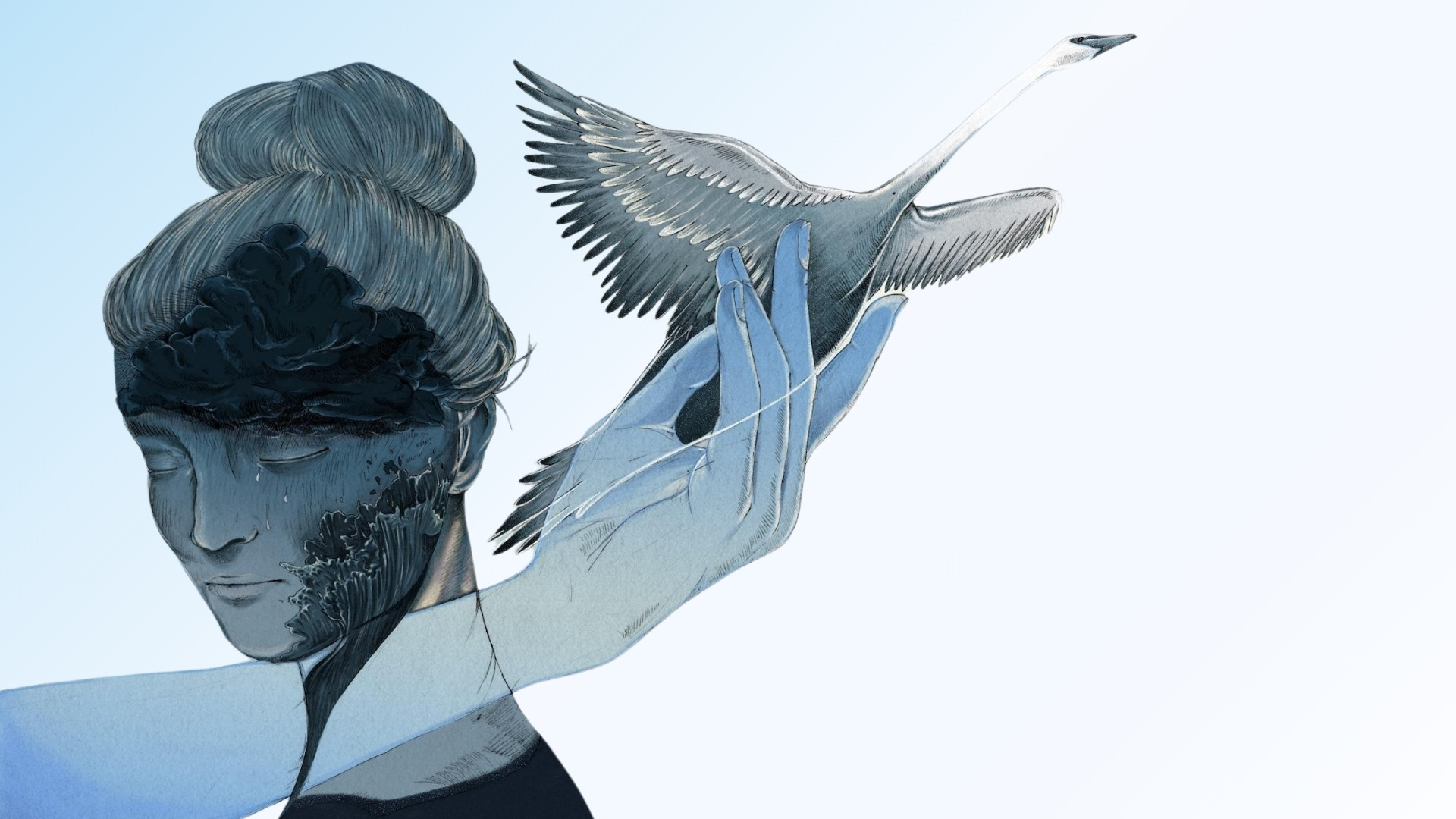
Kingsley Nebechi is an award-winning graphic designer, illustrator and artist based in London.