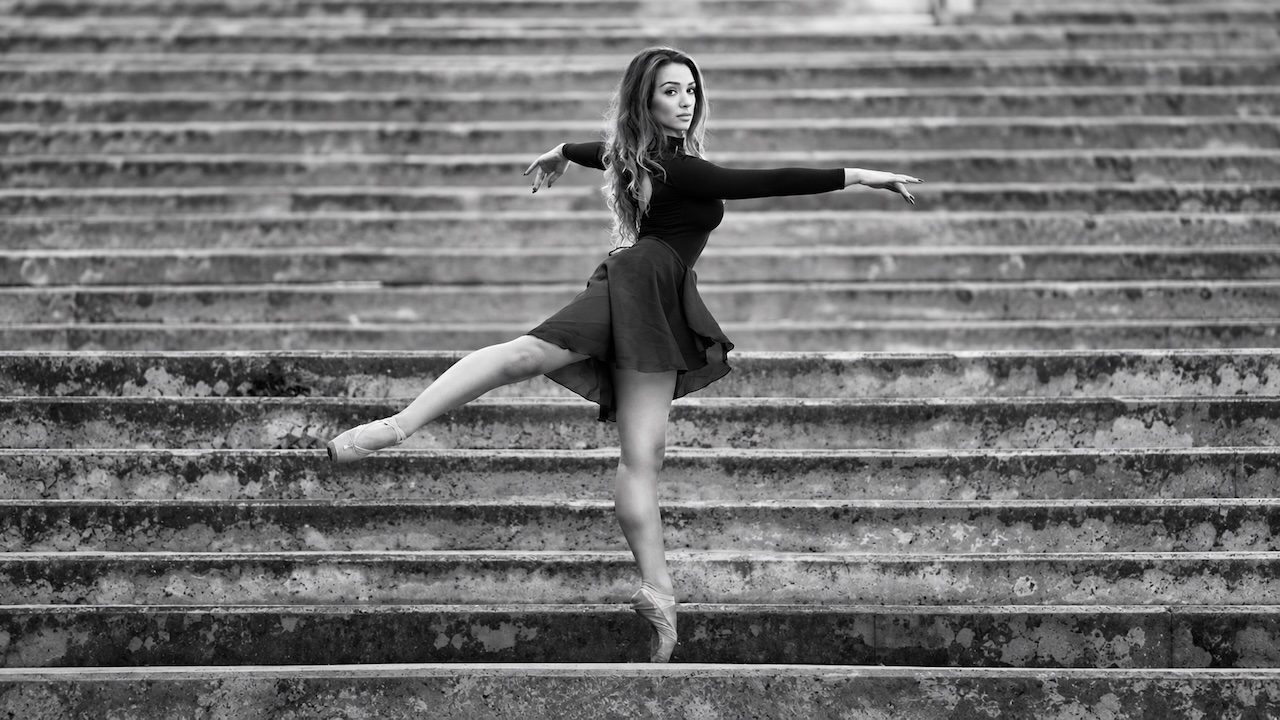
Congratulations on the award! Did you expect it?
Never in a million years did I think I would win. I’m very grateful and honoured. You don’t always have a clear path for success when you’re working with difficult subjects, that are tricky to navigate and to get across to a wider audience. I have been a ballet dancer always and forever, and I’ve always been with the RAD, but never thought something like this would catch the eye of this huge organisation in the world of dance. I feel very humble.
How did you start working with difficult subjects?
As an educator, I feel a deep sense of responsibility towards the young women in my class. What sort of young adults are we putting out in the world? Students don’t belong to us. They come to us for a while. We hold their hands and guide them, and teach them all we can, and we aim for them to reach their full potential, and to experience the sheer joy of having dance in their lives. We are such an important part of their lives for these years, so shouldn’t we also worry about turning them into independent, beautiful human beings, rather than just beautiful dancers? Later on, as citizens of the world, they will carry the things you taught them. They will carry them for life.
Sometimes people view dance as superficial. That irritates me as an artist, because we feel so deeply, and we are as deeply affected as any other citizen. But we have a vessel, our body, and can make a huge change using social media. I thought: okay, this is what we’ll do. We will talk about difficult subjects. We will teach young girls to speak up and to be independent. We will teach young women to worship the body they’re in, to set healthy boundaries in their romantic and professional relationships. Through dance, I’m teaching them the importance of being informed and of having a voice, without treating them as fragile little humans that just twirl to music. We are so much more than that.
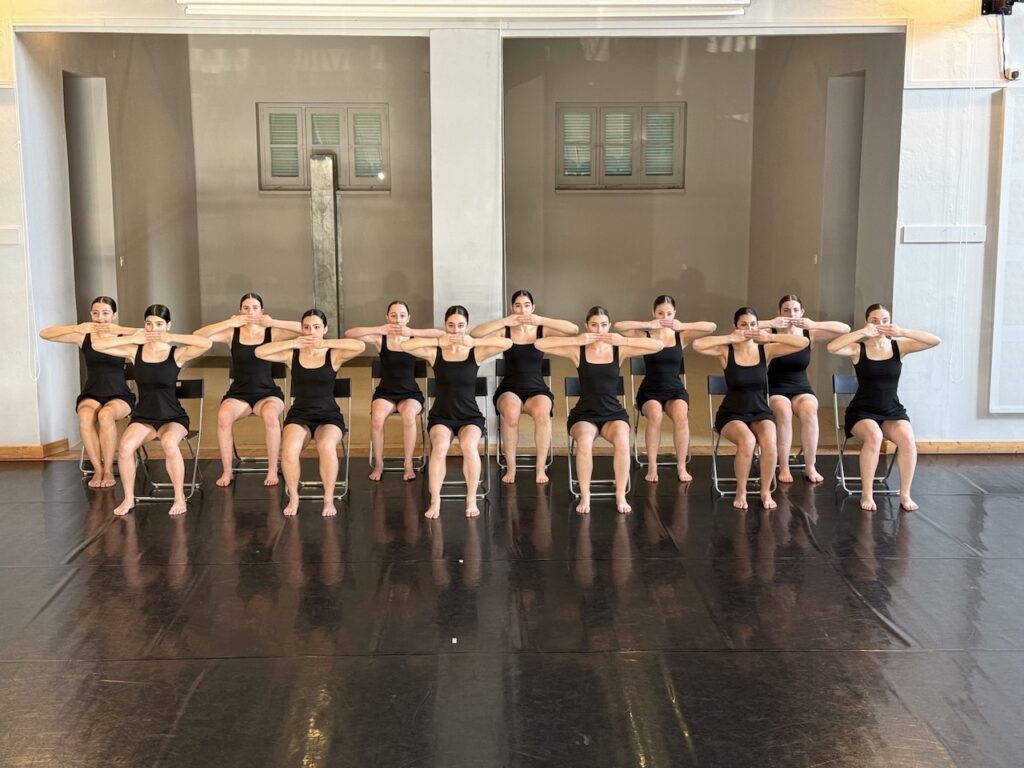
How do these conversations become choreography?
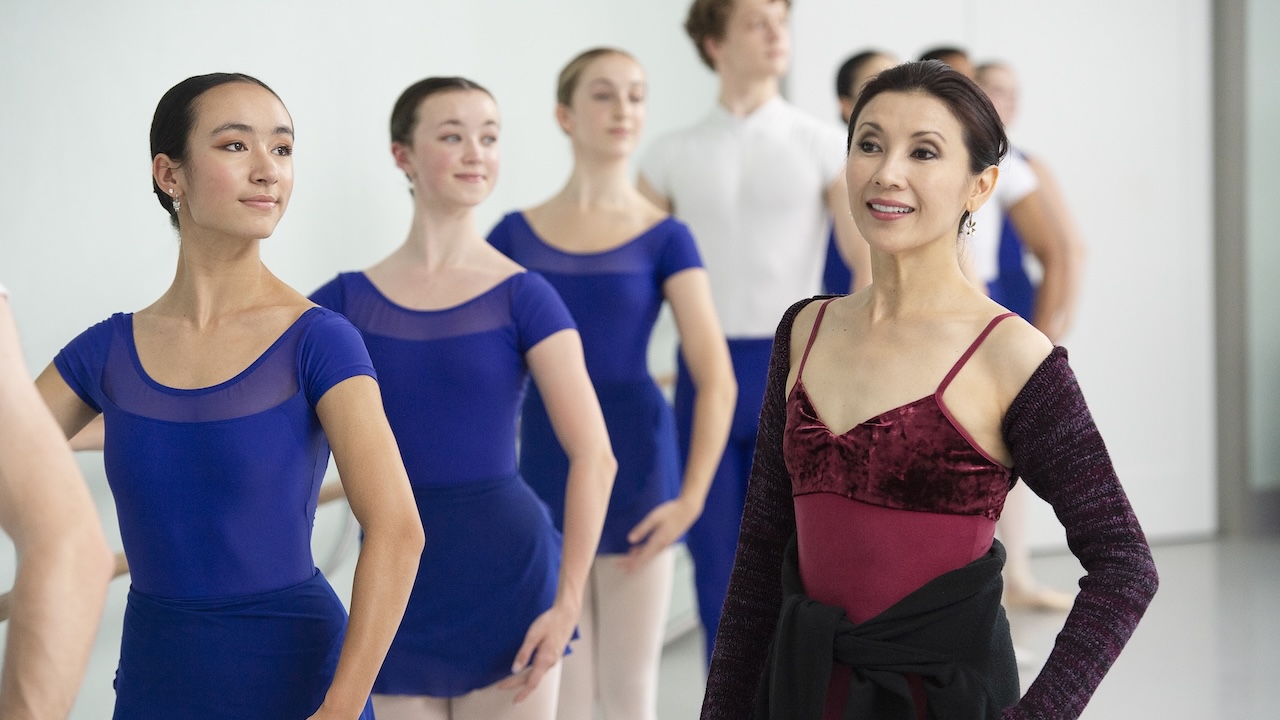
I teach every single RAD level from Pre-Primary all the way up to Solo Seal. We also have neoclassical ballet and contemporary classes, and that’s where these conversations come in. We make research-led choreography, so I will research a story – it could be something in the news or a past event that has been on my mind. The subjects I research can be brutal, so I will make sure I have a very clear understanding: I will watch interviews and read court documents. Then comes the music, and then we’ll sit in a circle and start discussing the story.
The first time we talked about something was on Women’s Day. A song had come out of protests that were happening in Greece. Women were on the streets, and the open air orchestra of Athens created a piece based on their chants. It was such a powerful message of unison, it sent chills down my spine, and made the students feel they were a part of this powerful, dynamic group.
The next year two students lost their mothers to cancer. I was heartbroken for these children who had been my students for over 12 years. One mother had already asked me to help her child who was auditioning for professional dance schools. When she passed, I thought, how can I help this child process her feelings? She wouldn’t cry or talk about it, she was very closed off. I asked a psychologist for guidance about how I could help her without meddling? That inspired me to create a piece about the loss of a parent – I thought, this child communicates through music, so that is what we did. The way it opened up the pathway to conversations was incredible. It gave her the freedom to think the thoughts and feel the feelings without having to speak them.
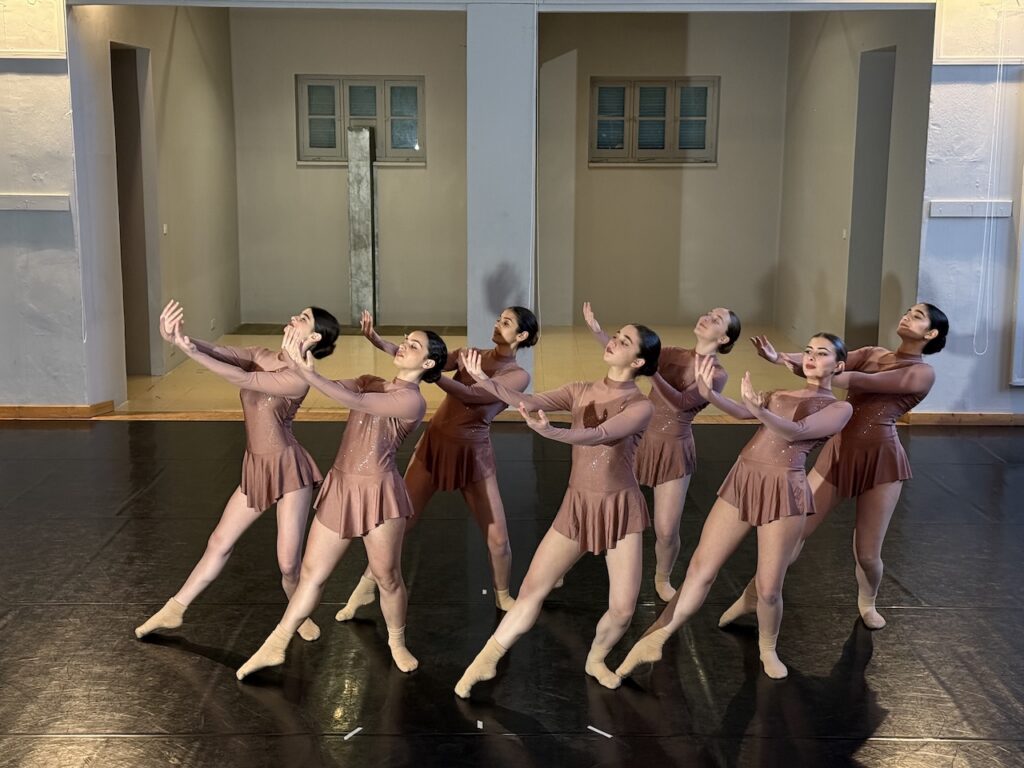
Do you see how your students change through this work?
It makes me very emotional. I have dancers, young women ready to take on the world. Some started training with me as timid eight and nine year old children. I had to do so much work to enhance their confidence – you have to dig deep and think individually about each student to bring the best out of them. I now see these fierce, confident women – the change is immense. They’re constantly sending me stories they think we should cover. It’s amazing that we have opened the door for communication about dance, creativity, and dancing about things that matter.
What has this work given you?
It’s given me a pathway to express thoughts and feelings. I feel very deeply, which has helped me a lot in my dance career – but can also cause a lot of heartache and sleepless nights. This work has given me a release, where I can pour all these thoughts, feelings and ideas. It has also given me a deep gratitude for the parents who are so interested and grateful for me teaching their young girls the realities of today’s society. The feedback and support I’ve had from them has been incredible. And it also gives me a sense of belonging. Ballet will always and forever remain my greatest passion, but I have found a calling in creating contemporary and neoclassical work about issues that need to be addressed. To pass that along to the next generation, I can’t think of anything more rewarding.
WATCH
Galatia Savva’s choreography for Dance Flow Studios