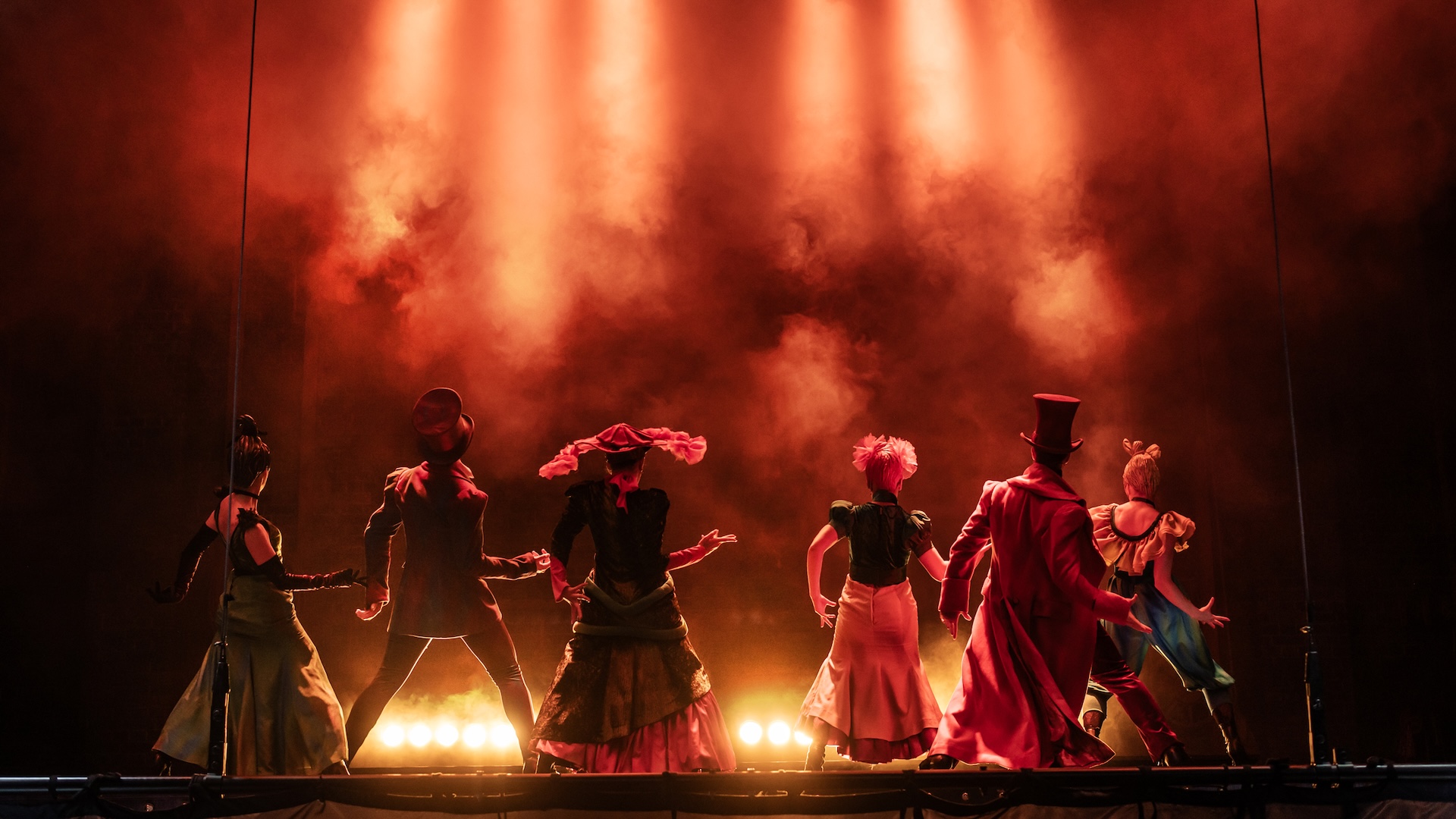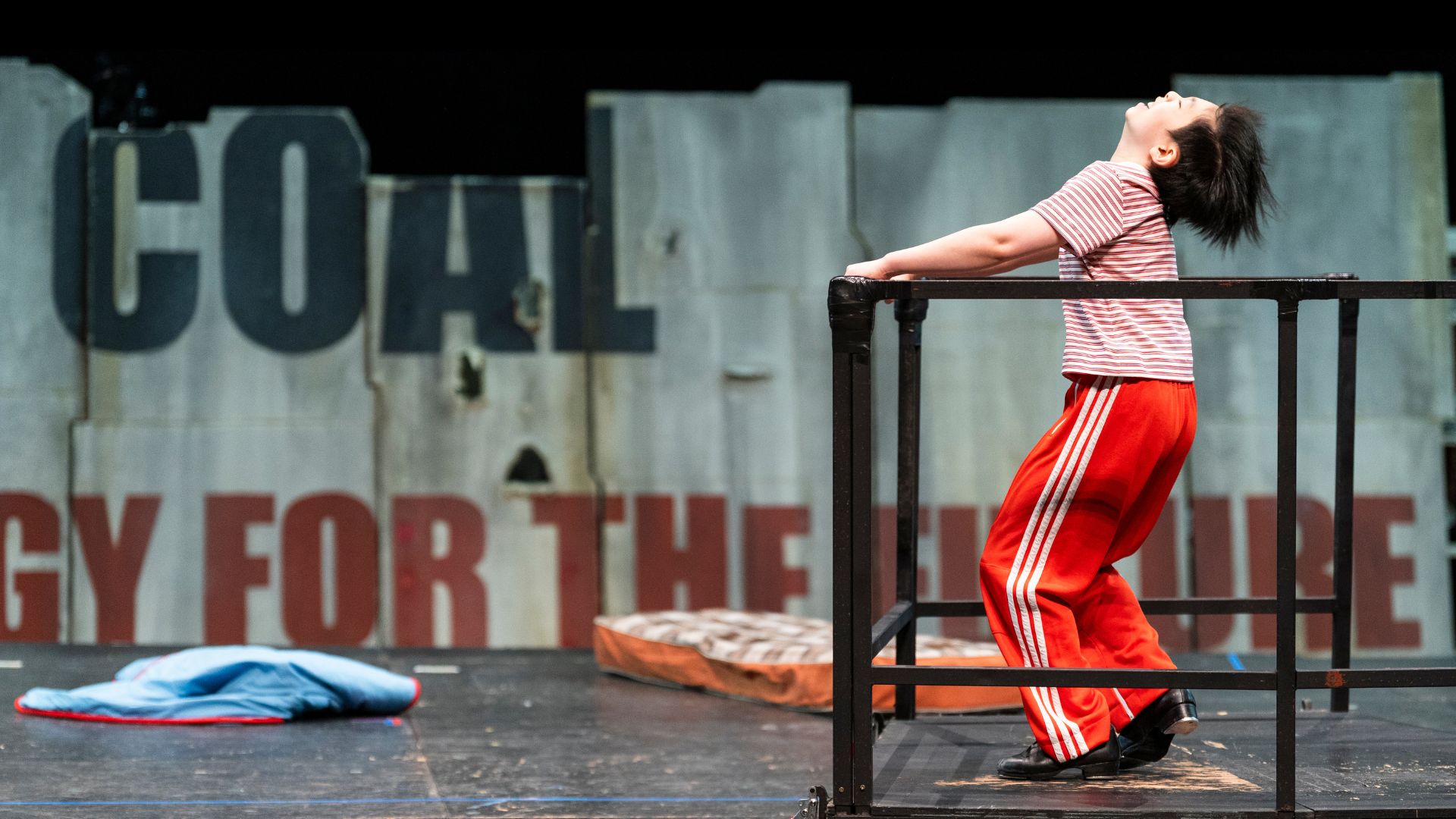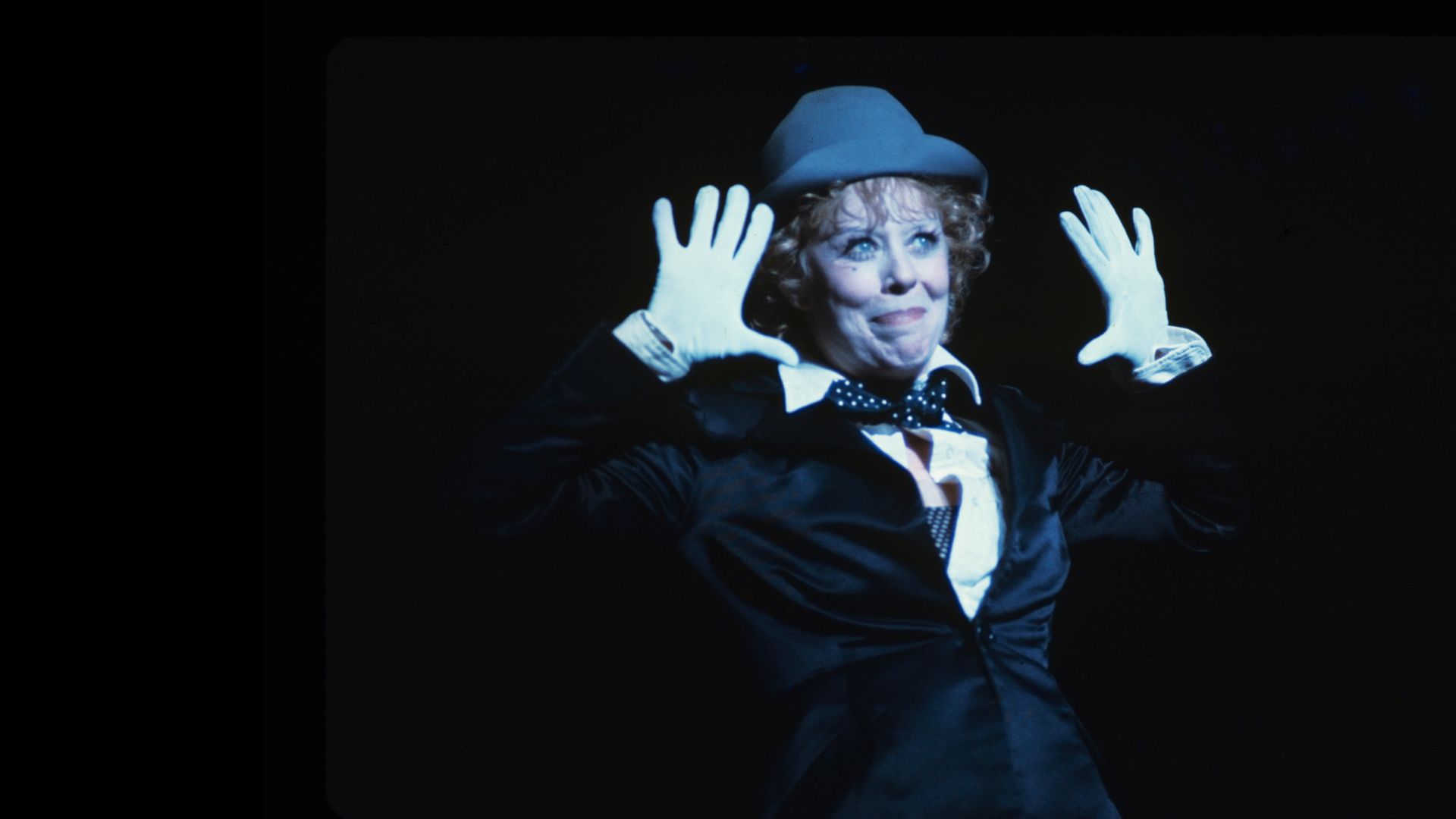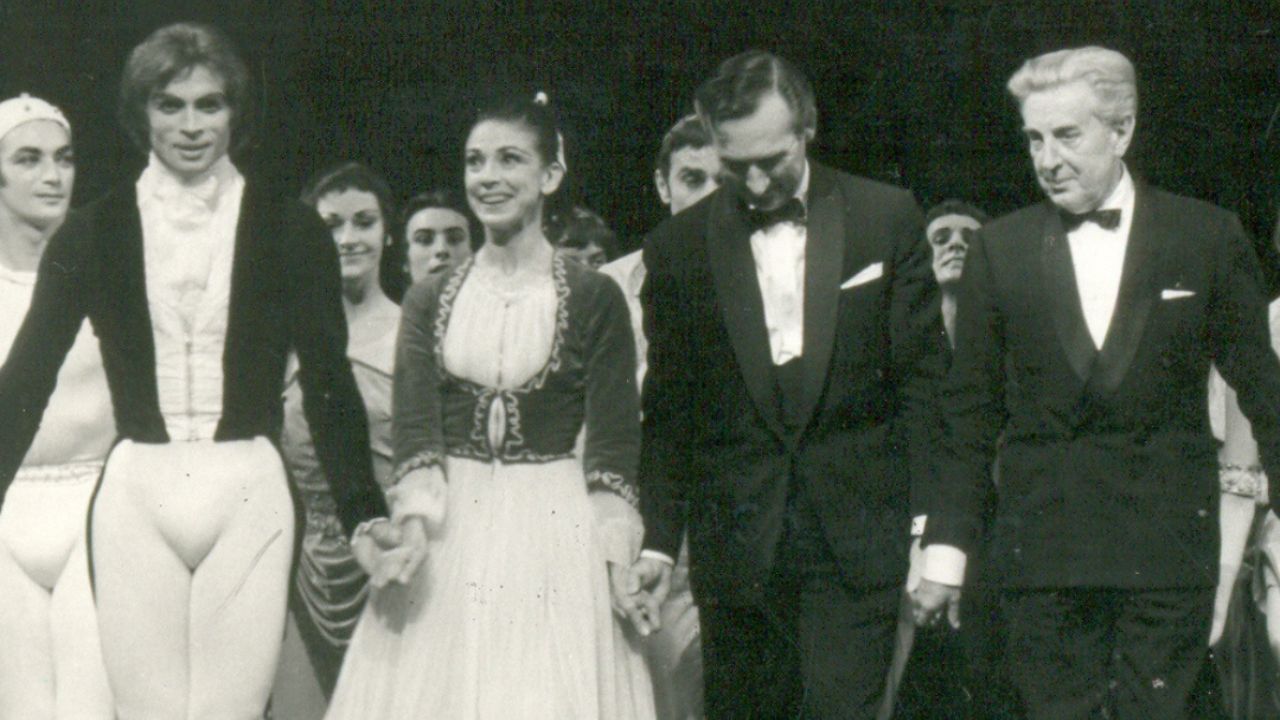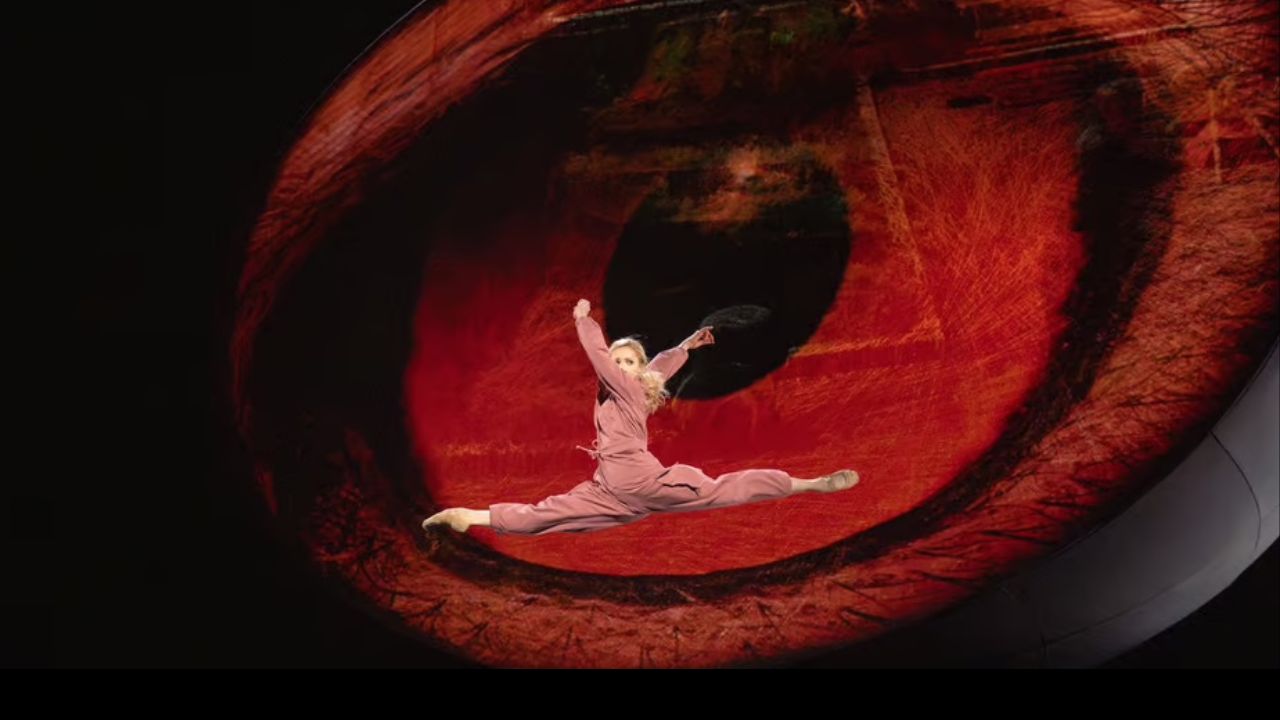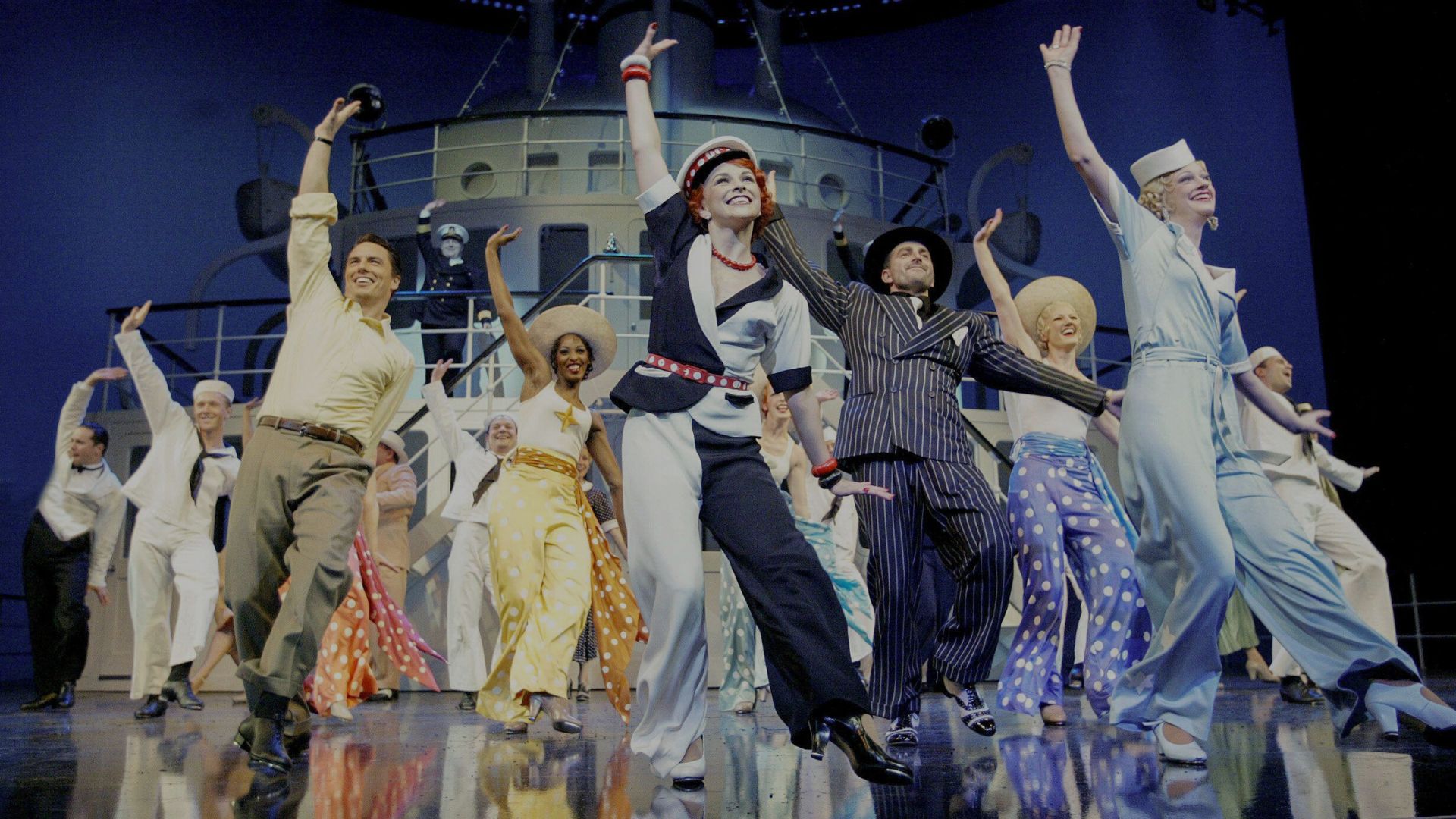
What do Kenneth MacMillan, Christopher Wheeldon, Jerome Robbins and George Balanchine have in common? They are all numbered among the greatest choreographers for the ballet stage. But all have also made a vital contribution to the history of musical theatre, creating routines that will always be remembered.
From West Side Story (Robbins) to Carousel (MacMillan), or from the original On Your Toes (Balanchine) to An American in Paris (Wheeldon) – not to mention Agnes de Mille creating the first dream ballet for Oklahoma! in 1943 and Matthew Bourne’s dances for Oliver! in the West End today – ballet and musical theatre are glued together in the development of dance.
Yet a myth has developed where one is regarded as superior to the other. ‘That age-old hierarchy drives me insane,’ says Nathan James, who wrote an entire PhD on the subject. ‘Ballet is beautiful. It’s incredible. But so is musical theatre.’
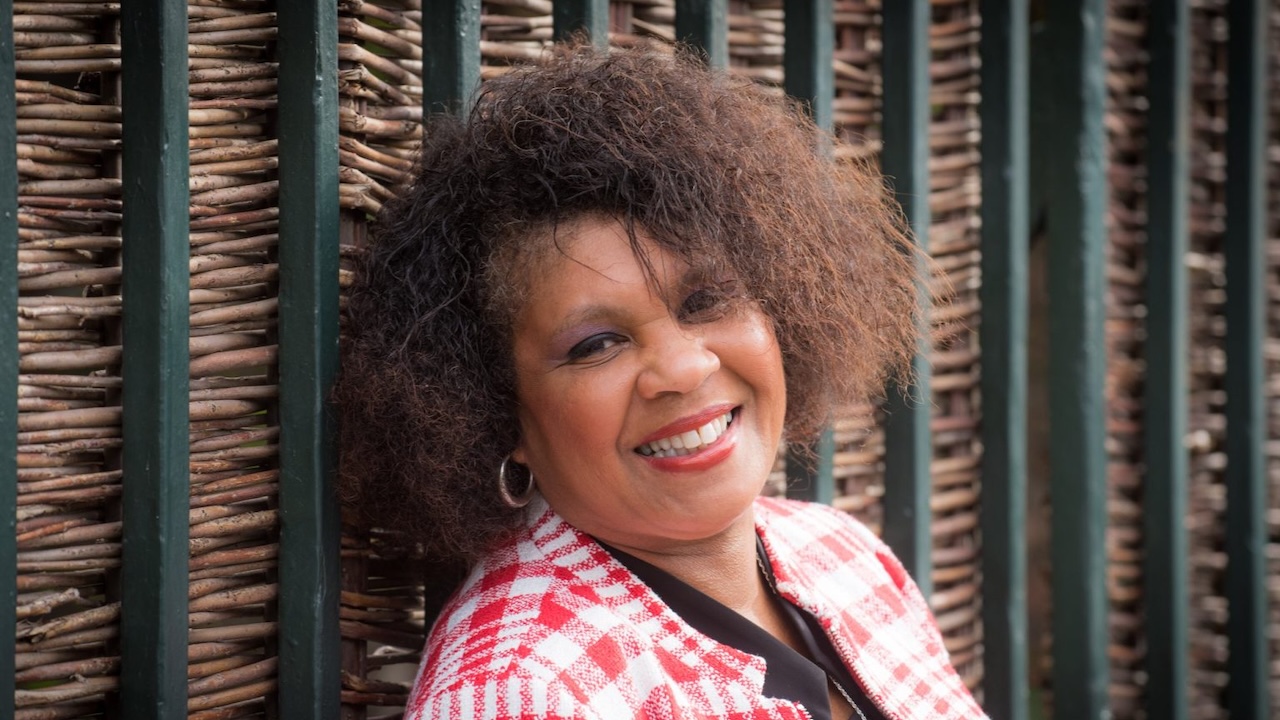
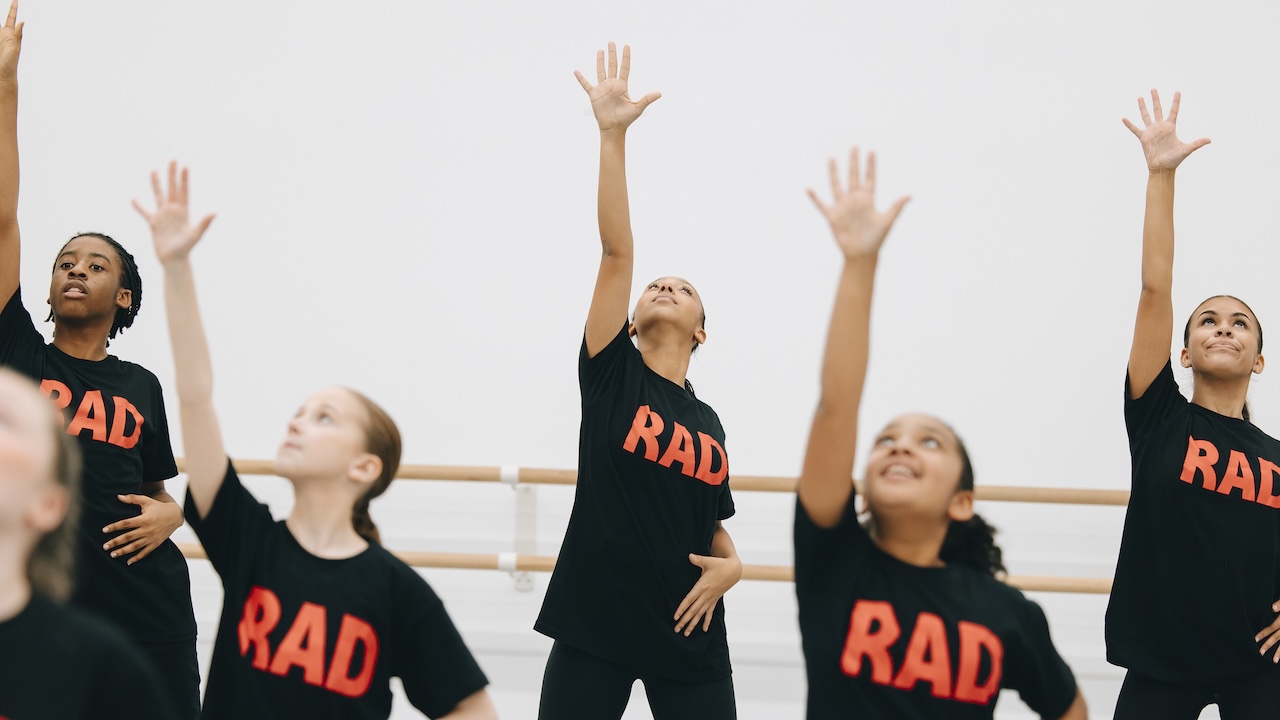
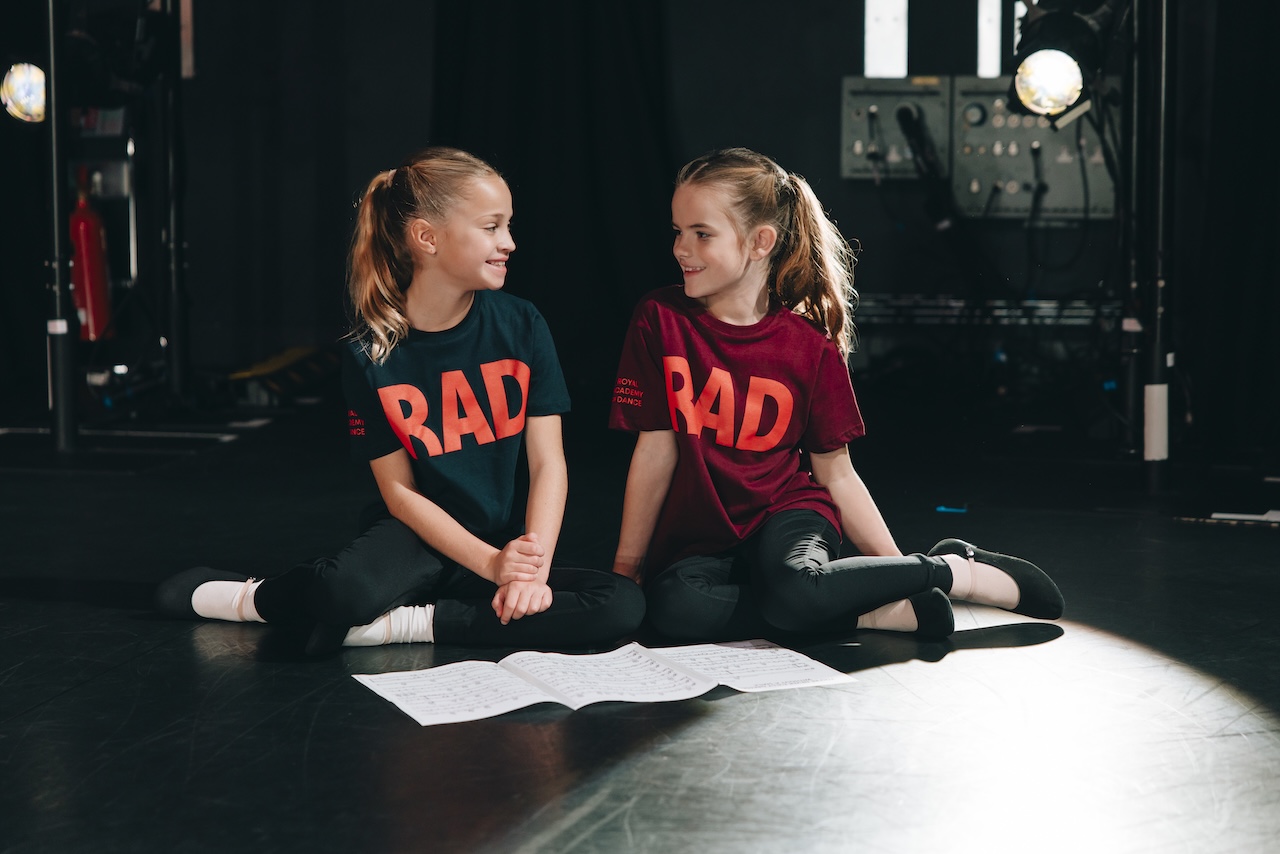
James has just been appointed Deputy Artistic Director (Education) of the Royal Academy of Dance, where he has spent the past two years developing and creating the Musical Theatre syllabus and examinations which from September will be offered by the RAD to students of all levels and RTS teachers.
The impetus behind the course is partly to break down unhelpful barriers between the forms – and partly to offer the structure of an RAD training to a large cohort of what James calls ‘incredibly talented young people’ globally who either want to explore or to make a career in a hugely important area of theatre.
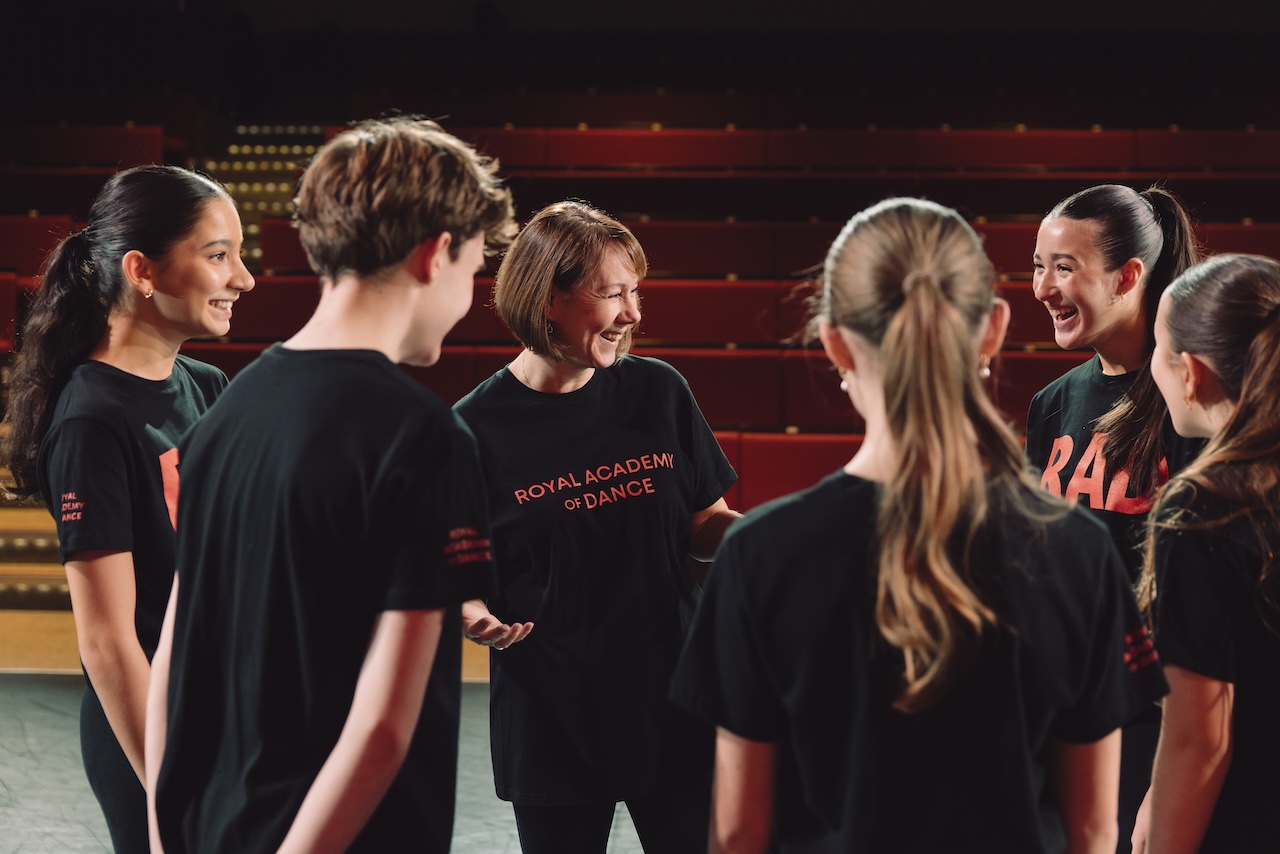
‘Teachers are at their best when they deliver something they really care about’
Alexander Campbell
The RAD’s Artistic Director Alexander Campbell sees the new course as a perfect fit for the other qualifications the organisation offers. ‘I do think there’s an opportunity for us to welcome new audiences to the RAD who would not feel they were able to engage with us through ballet alone,’ he says. ‘It’s not dumbing down. It’s broadening our horizons.’
Growing up in Australia, he had a teacher who ‘was a good example of someone with an understanding of a range of performing arts,’ he says. ‘I was lucky. I had an amazing number of role models. Mikhail Baryshnikov was shown to me when I was a six-year-old and I thought “wow, I’d like to do that.” But I also watched Fred Astaire and Gene Kelly, and saw how they danced was different from the ballet I’d been learning, but equally impressive and wonderful.
‘It blew my mind that people like MacMillan and Robbins worked in both worlds and demonstrated that there had been such a crossover of talent between the two. I think that is very much coming to the fore again now, and the understanding between the two only makes both better.’
The syllabus (currently available only to English-language users) has been piloted in 40 schools, predominantly in the UK, but also internationally. The assessments offered are split between singing, acting and dancing, with equal weight given to each. Although it ranges across younger students who will be trying musical theatre for pure enjoyment and entertainment, in its latter stages it is structured to provide those who want to make a career in musical theatre with the right qualifications to lead them into professional training.
‘The requirement now is for a triple threat performer,’ says James. ‘Some people feel threatened by that term, because it sounds quite aggressive, but it is the way it is. You have got to be able to sing, dance and act if you want to pursue this professionally.’ He knows what he is talking about: his early career was as a dancer in a wide range of commercial shows.
‘In my day, it was okay to be able to dance, sing a bit, and act if you can. Now, the singer and actor are often quite aligned, but we forget about the dancer actor.’ This is where the RAD comes in. ‘What is unique to us is that most musical syllabi are generally singing- and acting-based. Some include dance but don’t integrate it into the musical theatre form. We’ve called this part of the assessment “dance/movement” because it’s not about how many steps you can do, it’s about motivation, intention, purpose. Walking can be choreographed movement.’
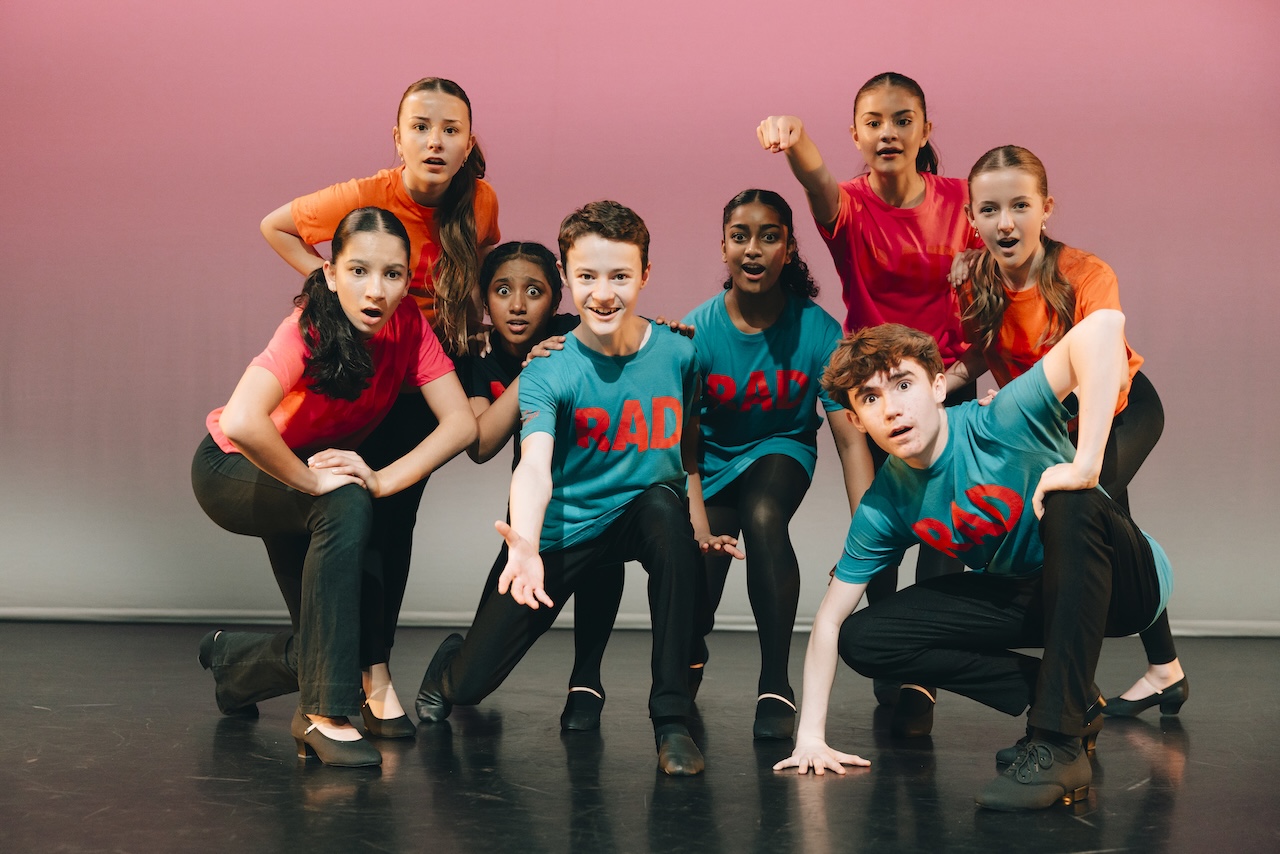
‘You must be able to sing, dance and act if you want to pursue this professionally’
Nathan James
The unique quality of the RAD syllabus for students studying for Grades 5-8 is that it will offer the opportunity to study and learn choreography that has been seen on the musical theatre stage. Just as they might analyse a song from Annie or Into the Woods as prescribed texts, there will be choices of prescribed choreography from the repertoire of four Tony and Olivier award-winning choreographers: Warren Carlyle, Matt Cole, Stephen Mear and Susan Stroman. As James explains. ‘They are a cross-section of pieces that are technically demanding dance wise, but also those that are more character and movement based.’
The syllabus also bakes in the idea of flexibility, recognising that each student, each school and teacher, is different. ‘In the pilot trials, they’ve really enjoyed the structure,’ says Campbell. ‘It’s a framework, so not heavily prescriptive. We very much want teachers to be able to respond to the interests of the group in front of them, or of a particular student. If the teacher has a particular passion they want to pass on, they can do that. My experience is that teachers are at their best when they’re delivering something that they really understand and care about.’
This flexibility also enables the syllabus to be neatly tailored to its students. Most of the young people taking it will also be studying different forms of dance. ‘Ballet, tap, hip hop, jazz, contemporary – all are involved in musical theatre,’ says James. ‘If you’ve got a strongly classical group who can sing, then they can study the classics such as Oklahoma! and look at the work of De Mille and Robbins. But if you’ve got good commercial or street dancers, they might work on a rock musical or song.’
Context is all. The RAD’s intention is that youngsters working their way through their musical theatre syllabus will end up with an understanding of the genre’s history, the way that certain shows are conditioned and shaped by the period in which they are made. ‘For instance, a female identifying performer in a period musical will wear heels and a skirt, a male identifying performer will wear Oxford shoes and a pair of trousers. They affect how you feel, how you move,’ says James.
‘I do feel we’ve lost the inquiring performer. I wanted to help inspire this generation, so they do project work and start to evolve.’
The feedback from teachers on this contextual work, where students examine the production behind the character whose song they sing, or whose speech they perform, has been very strong. ‘The teachers have been really positive about it,’ says Campbell. ‘My favourite anecdote has been about a group of children who built a set model from toilet rolls to show what their production of Shrek would look like.’
In developing the syllabus, the RAD responded to what young people needed from the lower grades where enjoyment is key, right up to Grades 5-8 when the aim is to take the student to entry level for vocational colleges, with pieces in their tool kit for auditions. This vision has in part been prompted by the recognition that musical theatre is now the major employer of professional dancers.
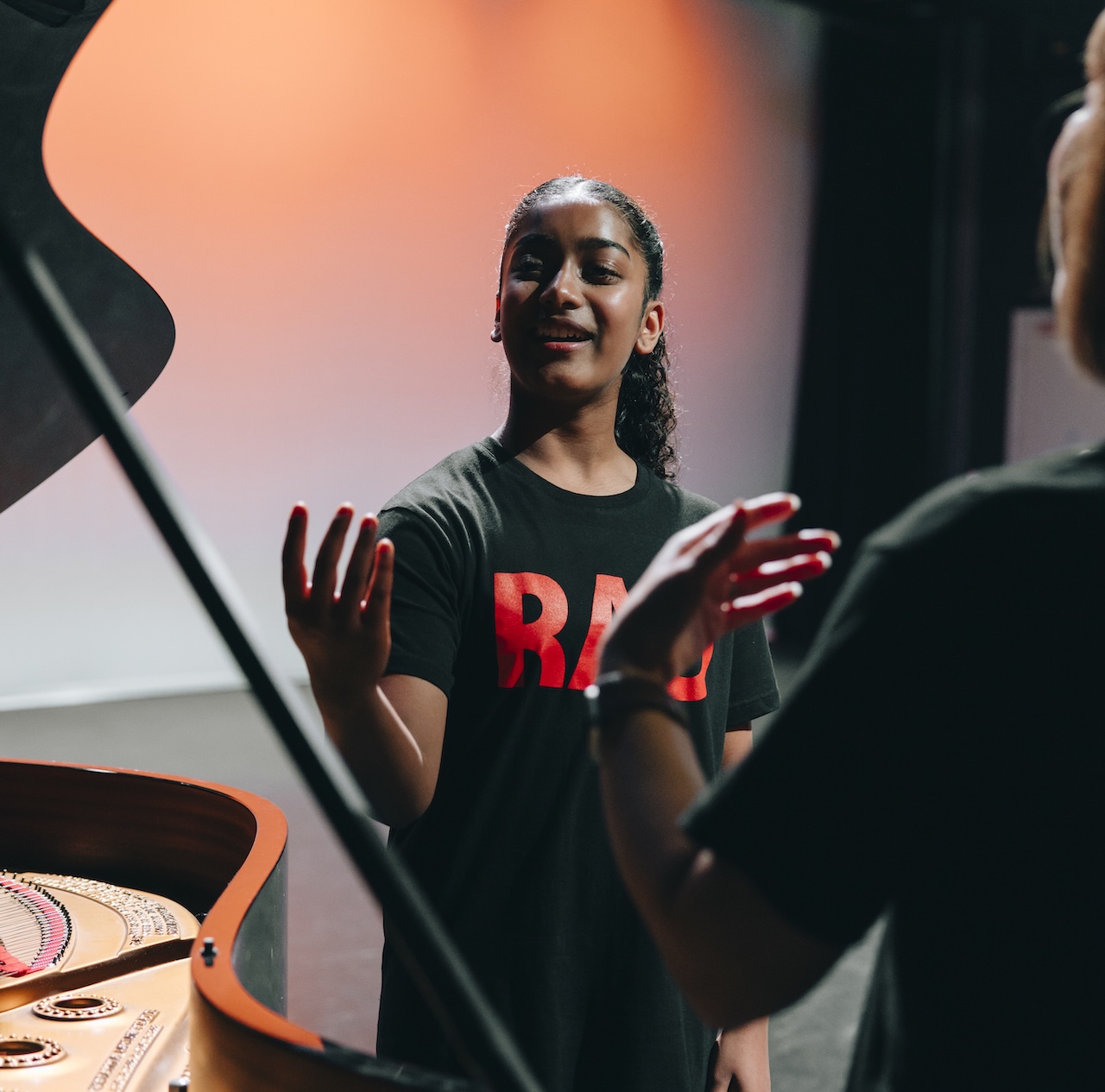
‘For any child to have access to this syllabus is wonderful – the transferable skills are incredible’
Nathan James

‘It is one of the fastest growing industries and an important British export,’ says Campbell. ‘If you look at stages around the world, top level talents are performing in musical theatre, and they have discipline and rigour just as ballet dancers do. But every dancer nowadays needs a broad skill set, and I am really keen for students of any form of dance to have agency and their own unique voice.’
James agrees. ‘Musical theatre gave me a passion and gave me a career. For any child’s creative mind to be given access to this is a wonderful experience because the transferable skills within it are just so incredible.’
WATCH
Launching the new RAD syllabus
RESOURCES

Sarah Crompton is a writer and broadcaster, and dance critic for The Observer.
Emily Nash is a Bristol-based illustrator and designer. emilynashillustration.com