How much is your career a process of serendipity or happy accident?
I think serendipity sums me up completely. If I think about my career, lots of things have happened by chance – I’ve bumped into somebody, or someone has overheard me and jumped in – and then it becomes something else. I absolutely love the word serendipity, and it felt like the perfect name for the company.
There is also a real sense of intent in your projects – what is the thread that connects everything?
It’s making the invisible visible, and it’s also about changing the lens. They run concurrently – you can’t do one without the other. We should always give an opportunity to hear another side of the story, offering people an opportunity to see something else and to recognise that other cultural groups and frameworks have the same sort of sophistication.
How did your dance journey begin?
I love dance, and it’s been part of my whole life. I’ve got four brothers and, to use a phrase that is not fashionable anymore, my parents didn’t want me to be a tomboy, so I ended up at dance school. My dad taught me to tap dance and also played steel pan. On a Sunday, after dad had played cricket, he’d do the musical arrangements, and I would work it out with my feet.
At the beginning of your career, there were fewer role models for Black artists. Who did you look to?
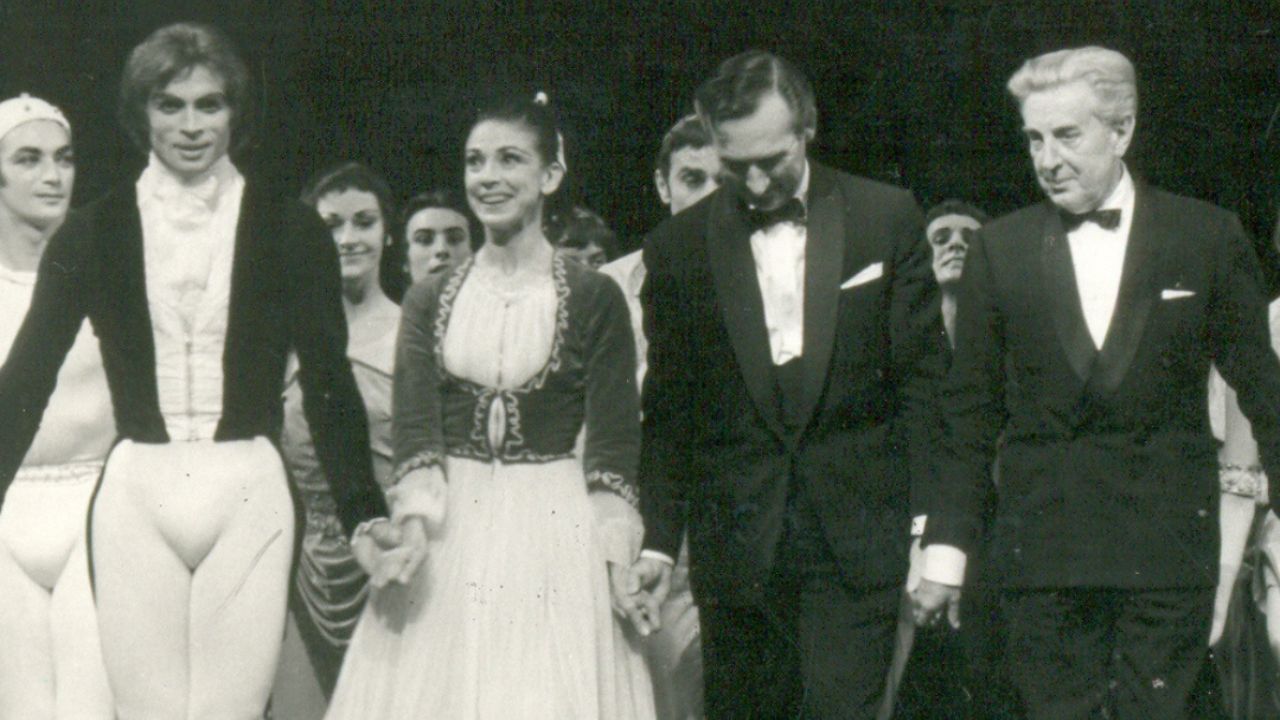
I don’t think the role models were there when I stepped into the arts. I think we’re still a little thin on the ground. I was looking at the classics: Dorothy Dandridge, Billie Holiday, the Nicholas Brothers. In terms of dance, I saw [the Russian ballerina] Galina Samsova and absolutely loved her. There wasn’t the opportunity to dance when I was younger, it just wasn’t afforded to you. You’d go for the auditions and you didn’t quite fit. You could either say, well, that’s it – or you could find another way through.
Serendipity has just announced a new MA in Black British dance and performance. Why did you want to add that strand?
The reality is, for a lot of Black students in conservatoires or university dance courses, when they go in, they can dance but when they come out, they’re broken. Because the thing that people liked about them, is the thing that is taken away. How do we give that back? It’s really important that they still should have some of themselves. Young people should know about the Caribbean or Africa, and bring that to their work. Hopefully the course will allow them to push the boundaries and find out things that make them proud about who they are.
What is it for you that is distinctively British in Black British performance?
Here, there is more opportunity to be different. In America, the top Black dance companies are all ballet based. Here, you can be contemporary, you can be political. You can find your own voice. I think the Brits are good at being unique.
We’re seeing a pushback, especially in the US, against diversity initiatives. Do you fear that the work that you’ve done might be rolled back?
When we have adversity, the best work is always born. If you think about all the challenges that diverse communities have had over the years, that’s where we found our greatest artists. They somehow found a way to shine through. People like Billie Holiday having to black up to sing, even though she was Black. All the angst that they gave her because she wanted to sing something like Strange Fruit. Artists always push forward. No one ever said it would be easy, but I think we are yet to see some absolutely fabulous work.
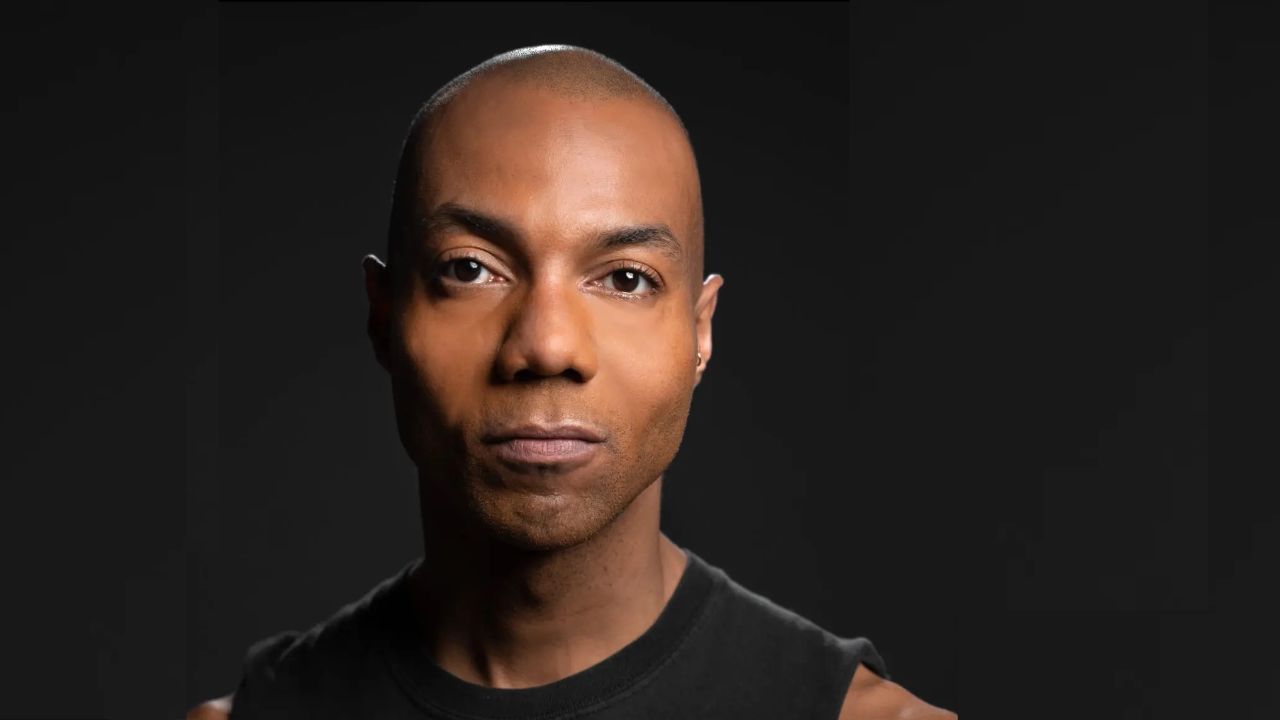
Pawlet, why does dance matter to you?
The very first thing that you ever do is movement. The ability to move and gracefully get through life, with music – it lifts me and it gets you through everything. Dance matters to me, because I think anybody can do it, anyone can be a part of it. You don’t have to be a professional. It’s something very personal.
LISTEN
Hear the full interview with Pawlet Brookes