You moved from ballet into musical theatre. Was that an easy transition?
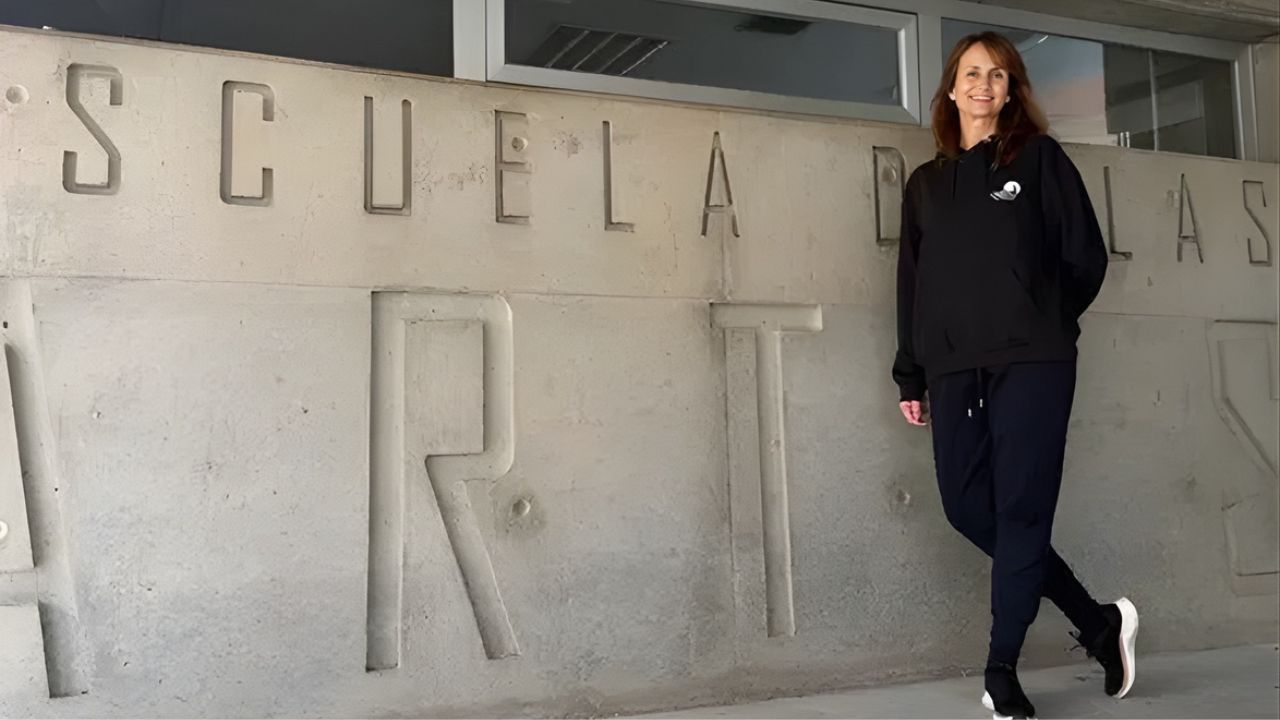
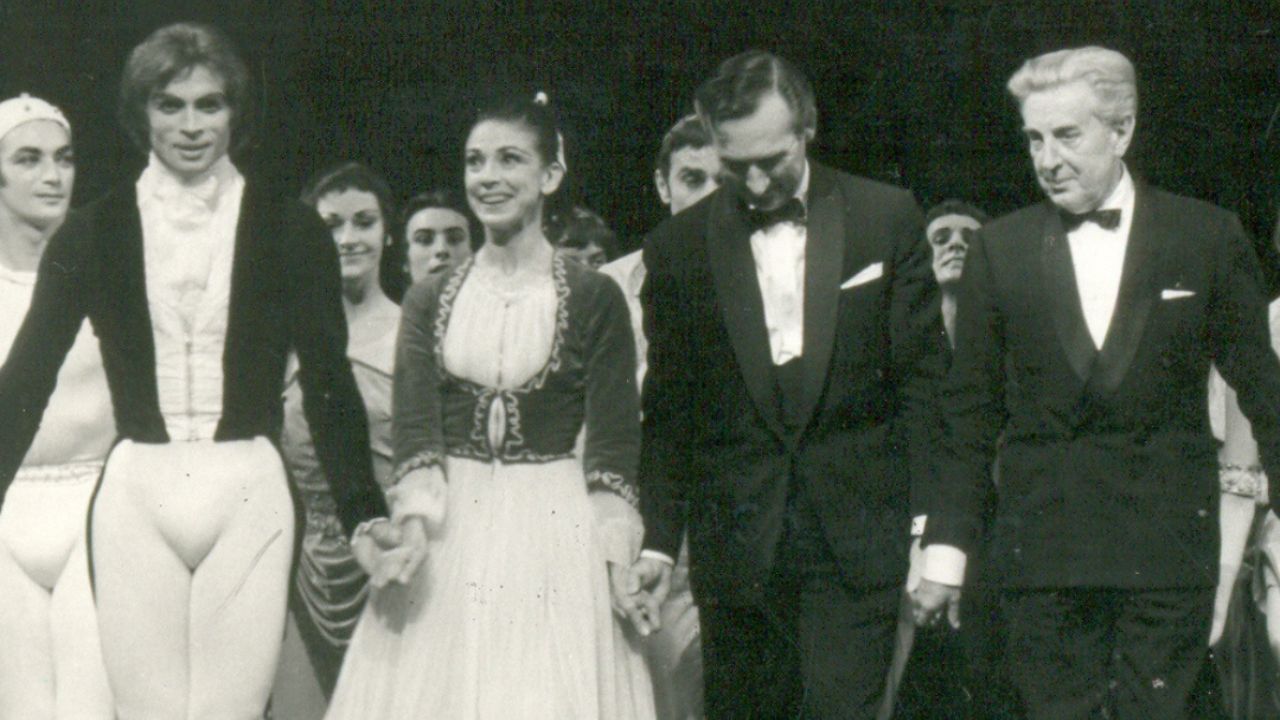
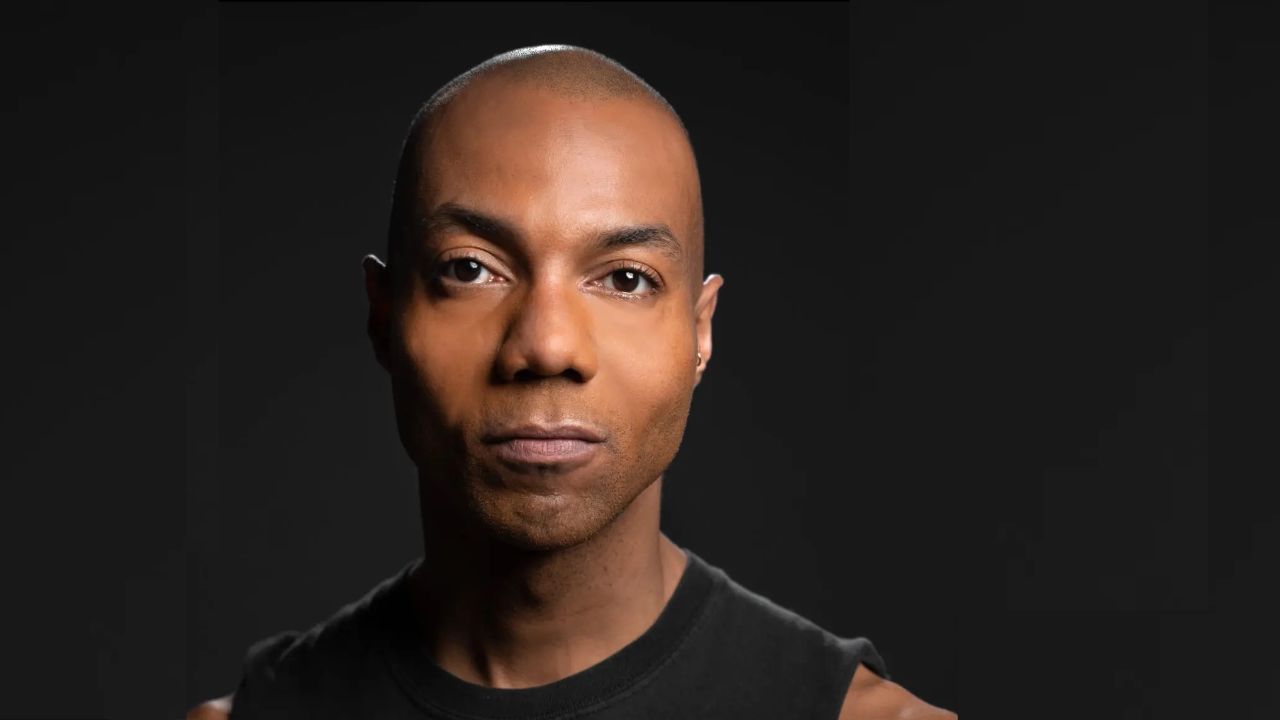
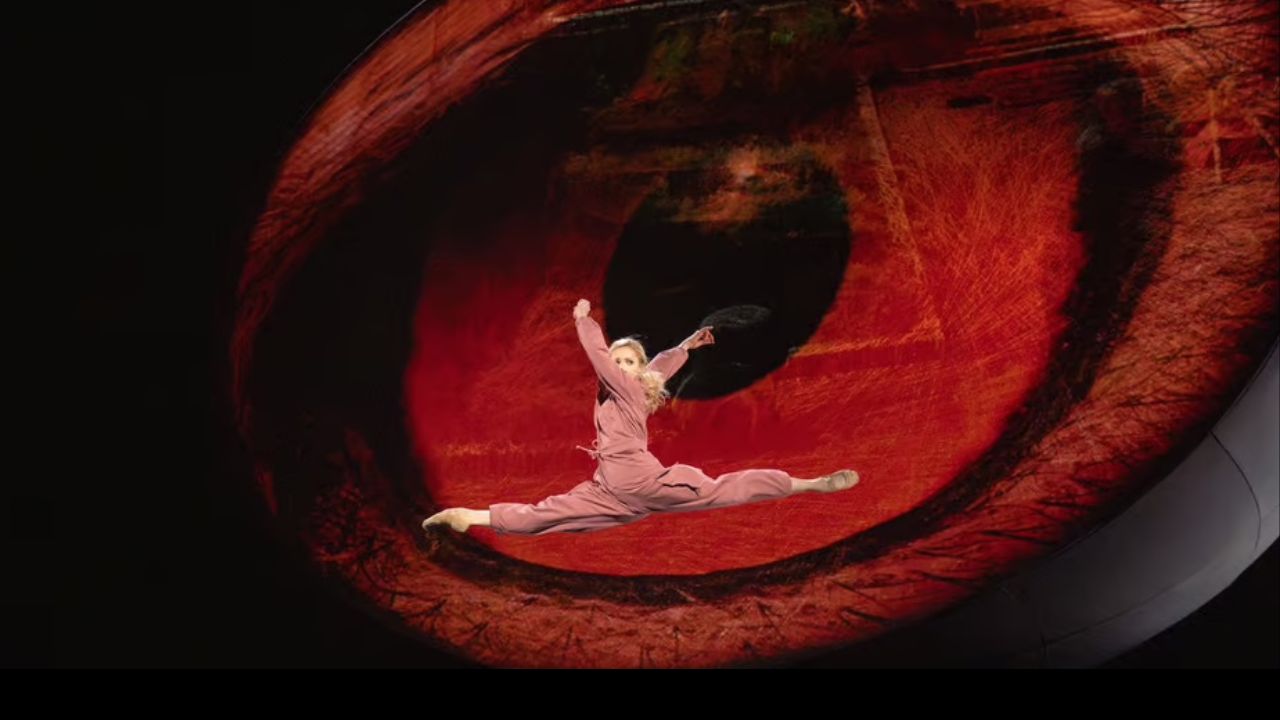
I went to English National Ballet School at 16 and then worked as a ballet dancer. I did the first Swan Lake in-the-round for English National Ballet. I was on the beach in Australia with that production, and thought: I love dance, but I need variety. I’ve learned that I need a portfolio of work. So I applied to Laine Theatre Arts, where I’m now Head of Jazz, and made that transition.
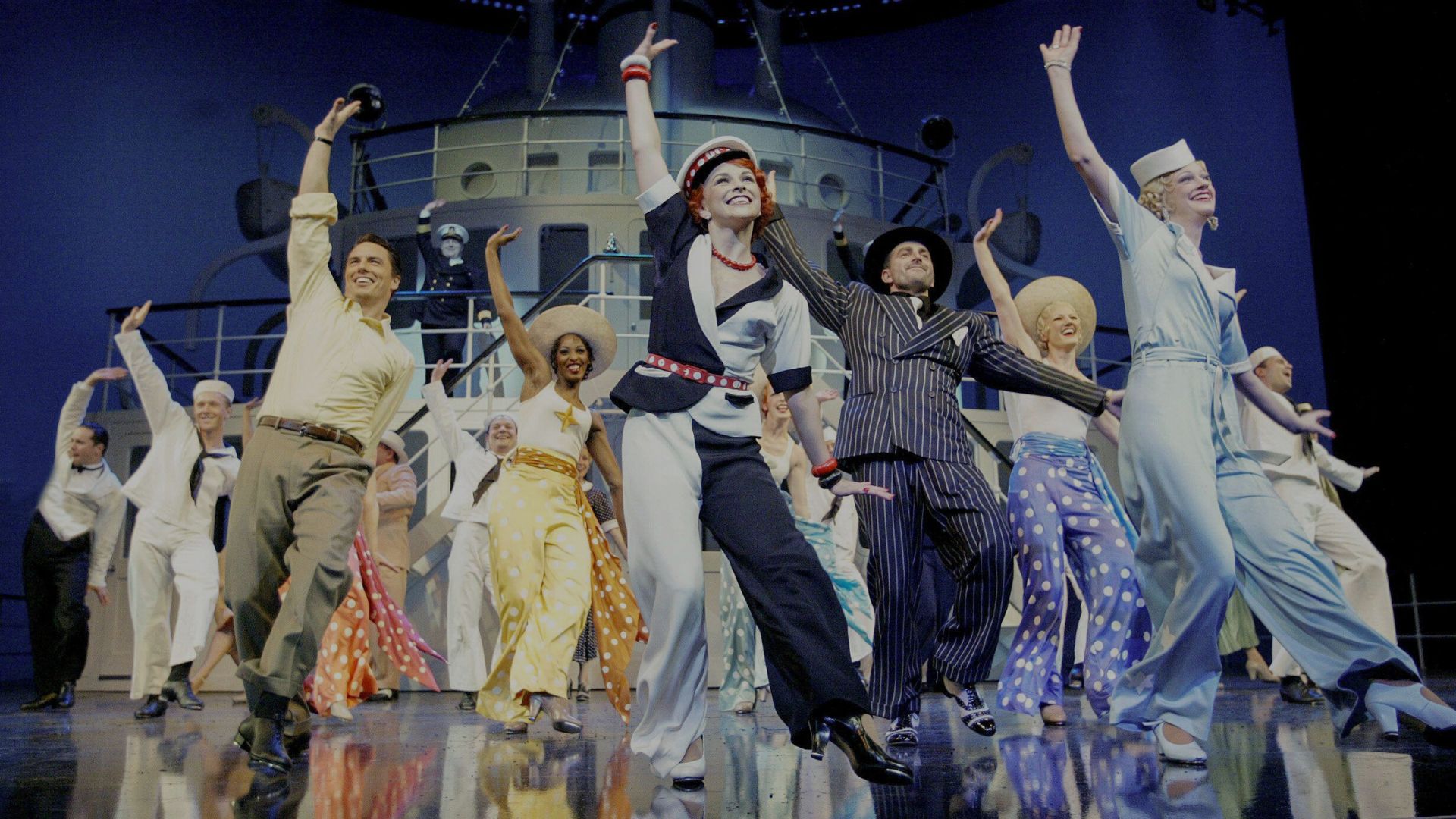
I hadn’t realised how well the two worlds fit and complement each other. Classical training put me in good stead for dance-based musical theatre roles. I assisted Carlos Acosta on Guys and Dolls, I did Twyla Tharp’s Movin’ Out, and in Saturday Night Fever by Arlene Phillips I had a pas de deux in the disco scene that required a classical technique.
If you look at American choreography by Jerome Robbins or Bob Fosse, that technique comes through. My jazz classes always have a classical base. Musical theatre dancers in America dance for a lot longer than they do in the UK, and one reason is their grounding in classical technique. Before a show, they will do a ballet barre. I’m 47, but did my last performance not long ago. I think classical training gives you longevity.
What makes the new RAD syllabus distinctive?
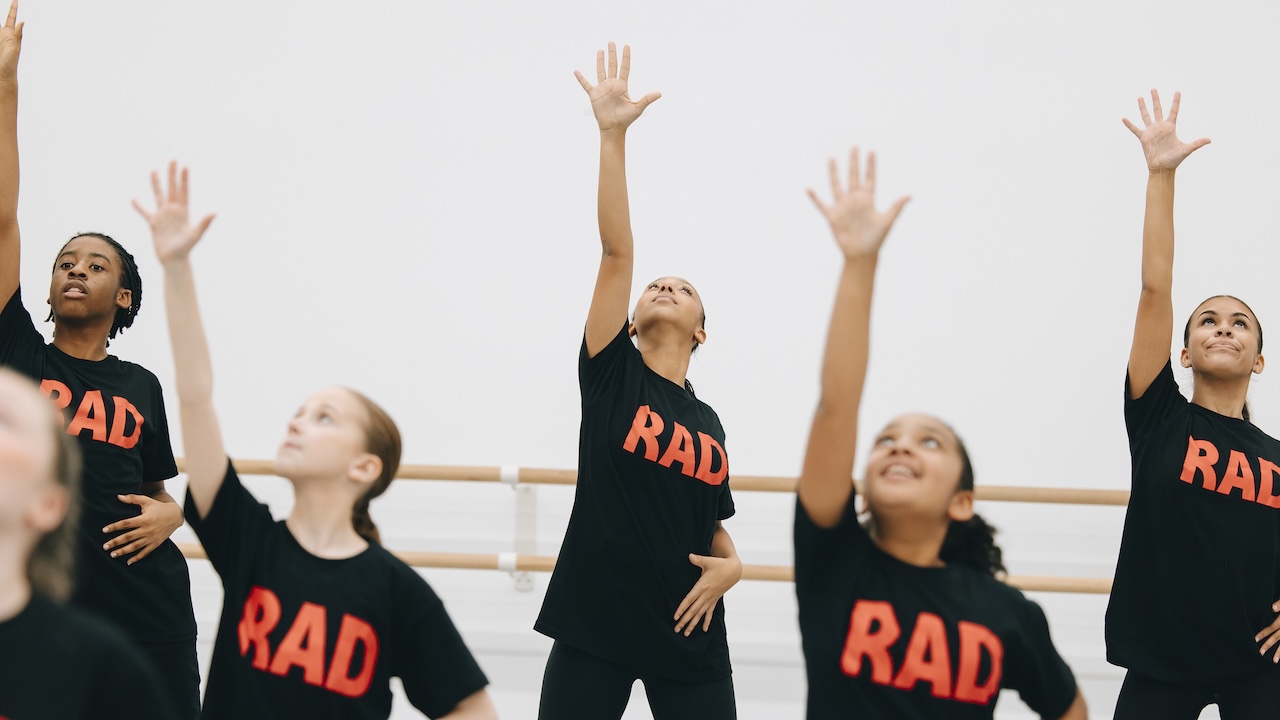
Consulting on the syllabus has been a joy. I haven’t experienced anything like this before. There’s a progression through the grades and exams, the idea that teachers can have ownership and create material. Students learn about the industry as they move through: it’s carefully thought out and super creative. It’s also inclusive: people can excel regardless of whether they’re stronger in their singing, acting or dance. It will enable them to build confidence, because it’s equally weighted, and is a good match to the industry.
Many students won’t pursue a professional career. What does the syllabus offer them?
It’s very educational, in the knowledge that these young people learn, and the work they produce. You can see their excitement and joy in the creative projects. That might open up other areas: set design, costume design, lighting, direction, music, choreography. Or they may become a journalist and write about the arts!
How will you introduce the syllabus at the RAD Members’ Conference?
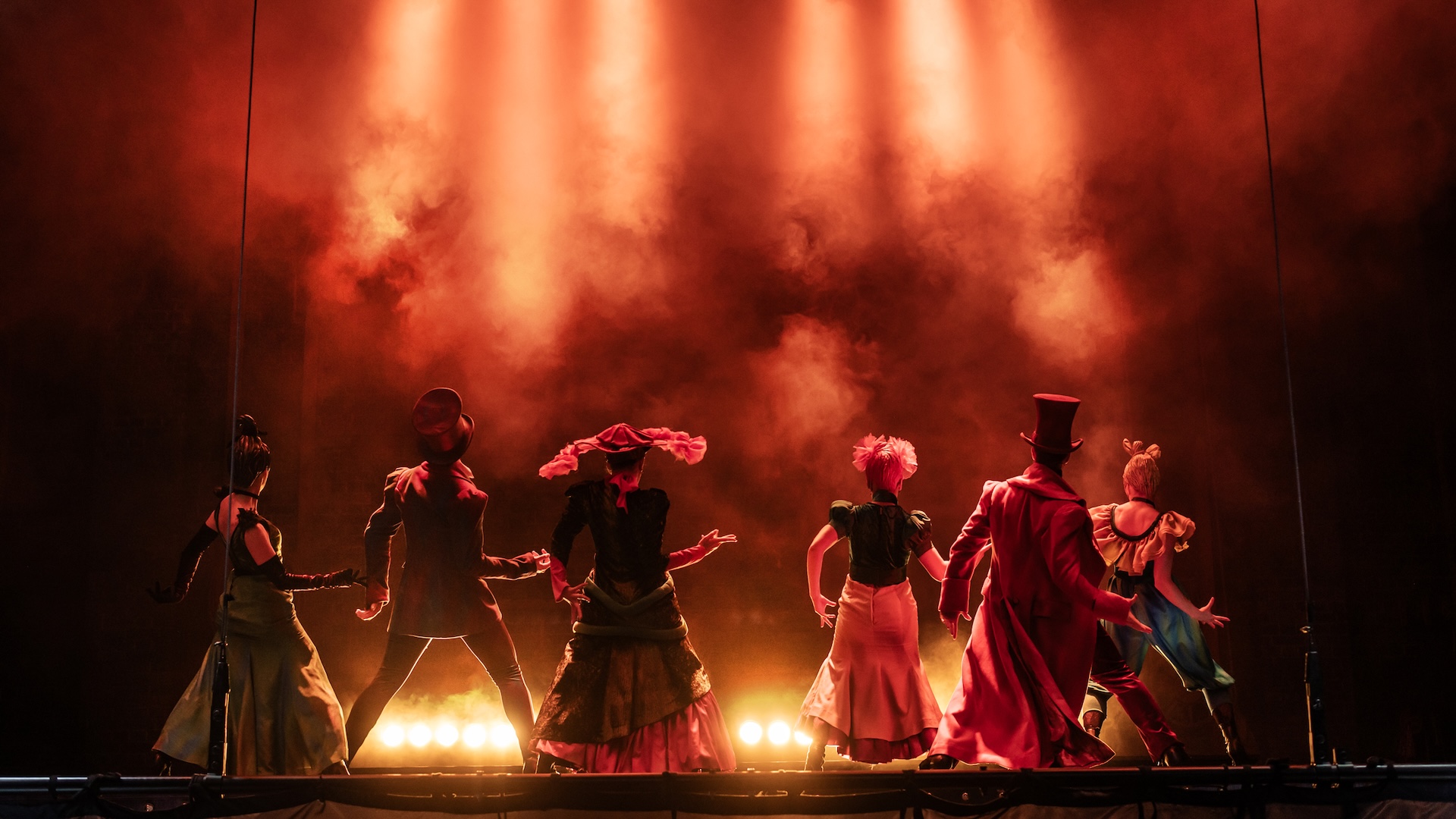
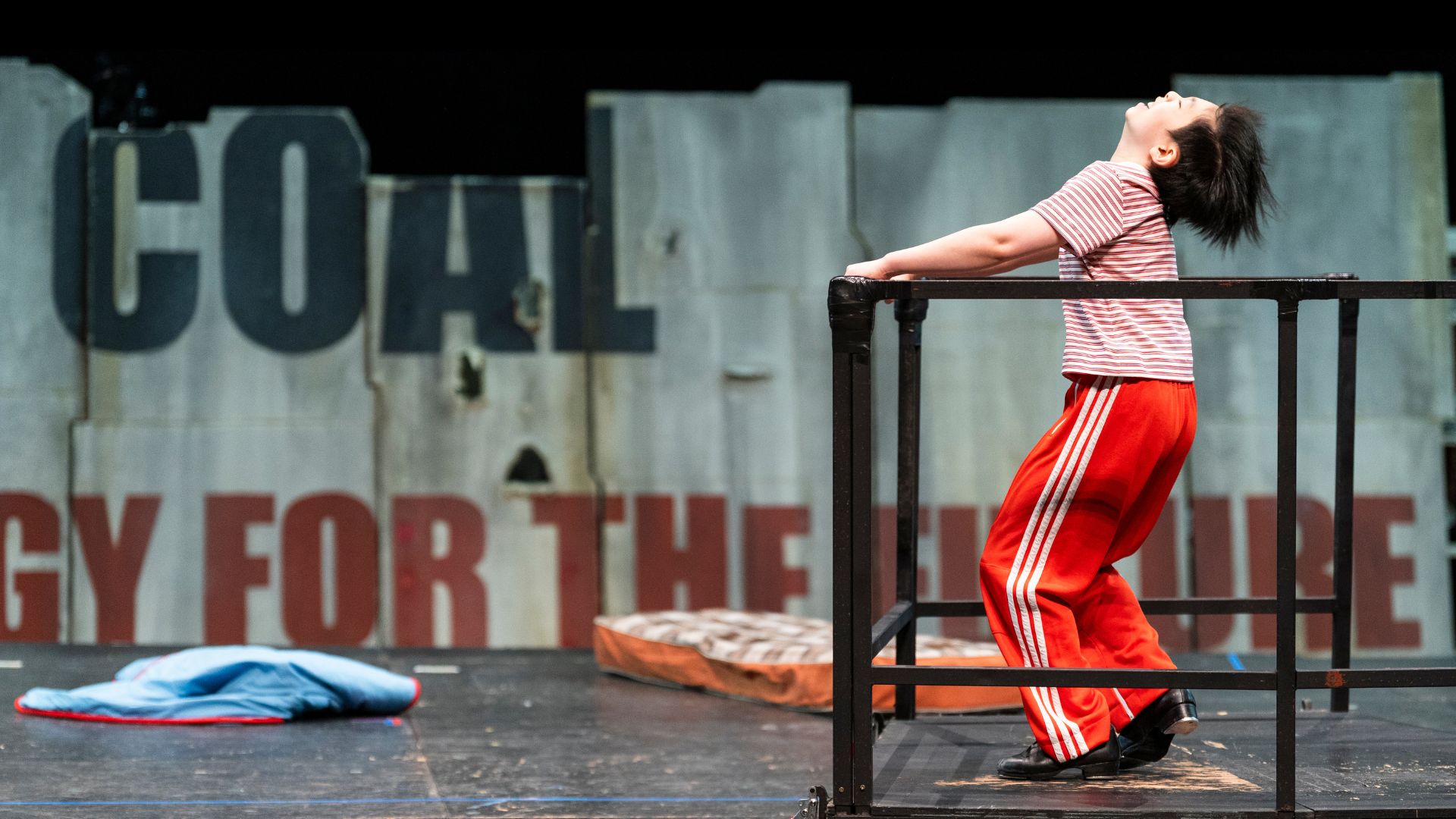
I’m doing two workshops. The first one is a repertoire-based session exploring musical theatre dance technique, style, musicality and narrative intention. I’ll look at that natural progression from classical ballet.
The other session is about dancing in heels. In musical theatre, everyone dances in heels – even men in shows like Kinky Boots. Whenever I teach ballet in a musical theatre context, I put them in their heels at the barre or in the centre. Training in heels is a specific craft that I’m excited to share. It changes the weight placement and where you can place certain positions, because you have this extra extension on your heel. Jumps in heels need training, because obviously they must be safe. I’m really passionate about it.
What adjustment might RAD ballet teachers need to make for this new body of work?
There can be a little fear around a new style – but musical theatre isn’t a world away from ballet. Storytelling within musical theatre is brilliant – the way a ballet dancer acts is very different, but both can learn a lot from each other. It’s about looking at similarities between the worlds rather than the differences.
What makes a good musical theatre teacher?
This isn’t specifically about musical theatre – but making the space inclusive. Helping people understand that making mistakes is the best thing they can do, because that’s how we learn. Getting people into their creative juices – working out how different individuals are inspired in different ways. I do enjoy that part of teaching.
What did you learn from the theatre legends you have worked with?
Each person has their own creative process, and they’re all so different. Some people come into the space with everything mapped out. For others, it’s a far more organic process. The best spaces – like Susan Stroman’s – have been creative and kind. Often, especially if you’re in the original West End cast of a show, that’s quite high pressure. But you learn that working together as a team is everything.
What’s your favourite musical dance number?
Surprise, Surprise from the film of A Chorus Line. I wrote to Gregg Burge, who sang the number, and said, you inspired me as a child. I watched it over and over.
What do you hope teachers and students will take from the new syllabus?
I hope it opens up a new world of musical theatre. I also hope it helps build confidence, and helps people feel brave to go towards the areas that they don’t feel as secure in, so that they will feel comfortable in acting, in dance and also in singing. I believe this syllabus could help change the journey for young people, because it’s creative, fun, educational – it’s excellent.