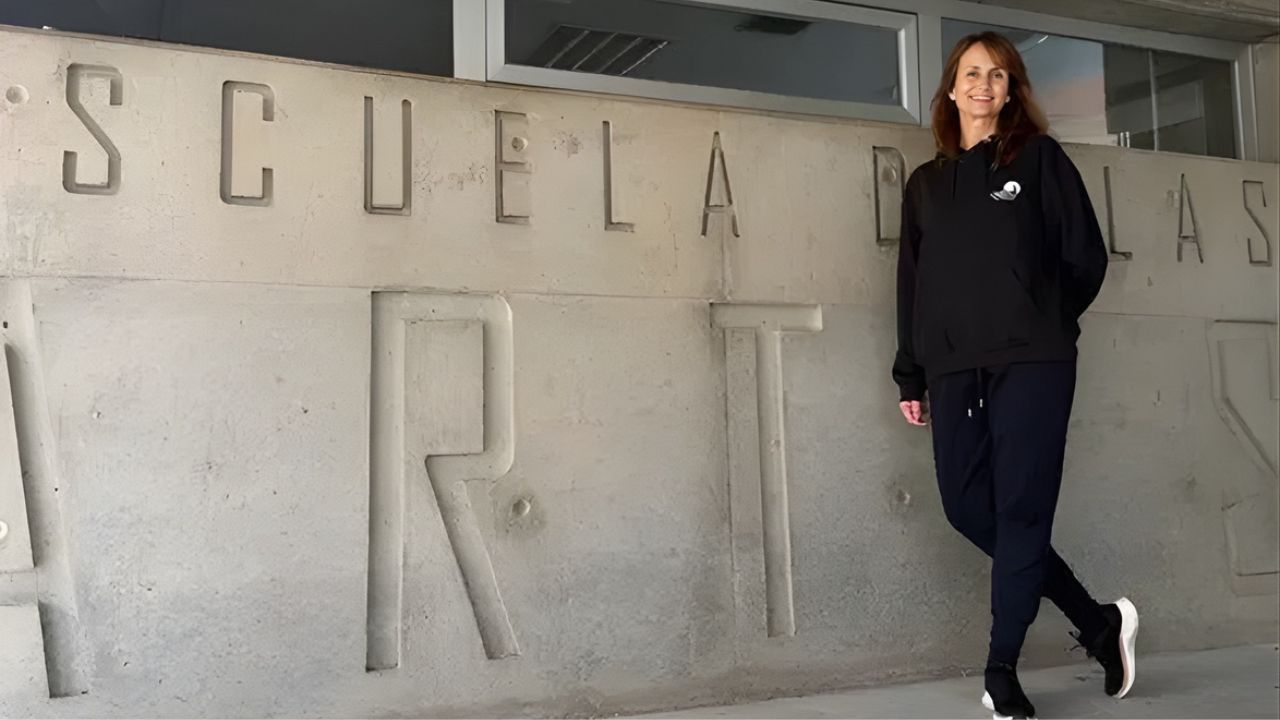
‘I love telling story through dance,’ says Stephen Mear. The British choreographer has made his name on musicals where songs and steps are integral to the story. ‘Just doing a dance number doesn’t grab me as much as telling a wonderful story, or going on a journey with the characters.’ Now he brings that same focus to the RAD – his work will feature in the RAD’s new Musical Theatre syllabus, alongside Broadway and West End creatives Susan Stroman, Warren Carlyle and Matt Cole.
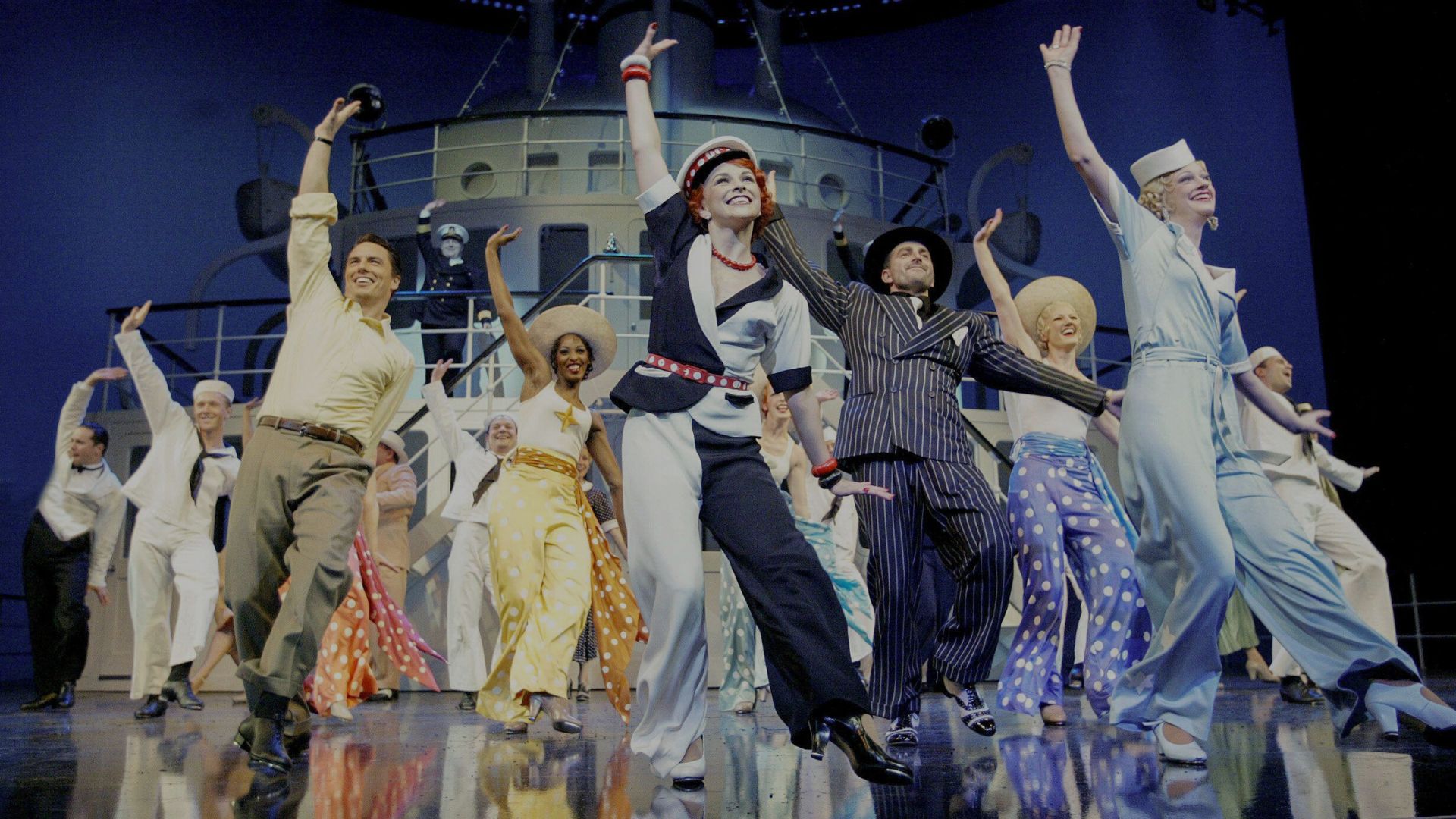
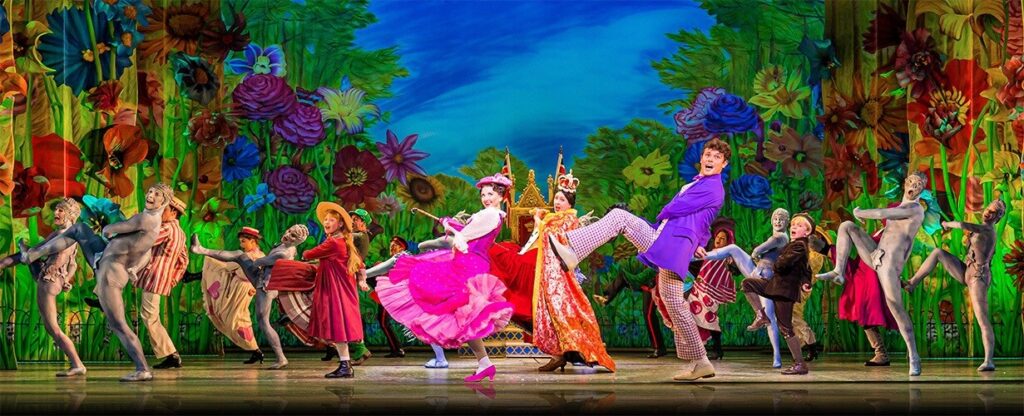
Since the tap-happy delights of Cole Porter’s Anything Goes, an early success at the National Theatre, his work has an eye for both character and comedy. He has worked with stars like Glenn Close in Sunset Boulevard and Imelda Staunton in Gypsy, incorporated sign language into Mary Poppins (co-choreographed with Matthew Bourne) and devised routines with macaroons and marigold gloves in Acorn Antiques. As director and choreographer, he has also introduced Parisian audiences to classic musicals like Hello, Dolly!, Funny Girl and 42nd Street.
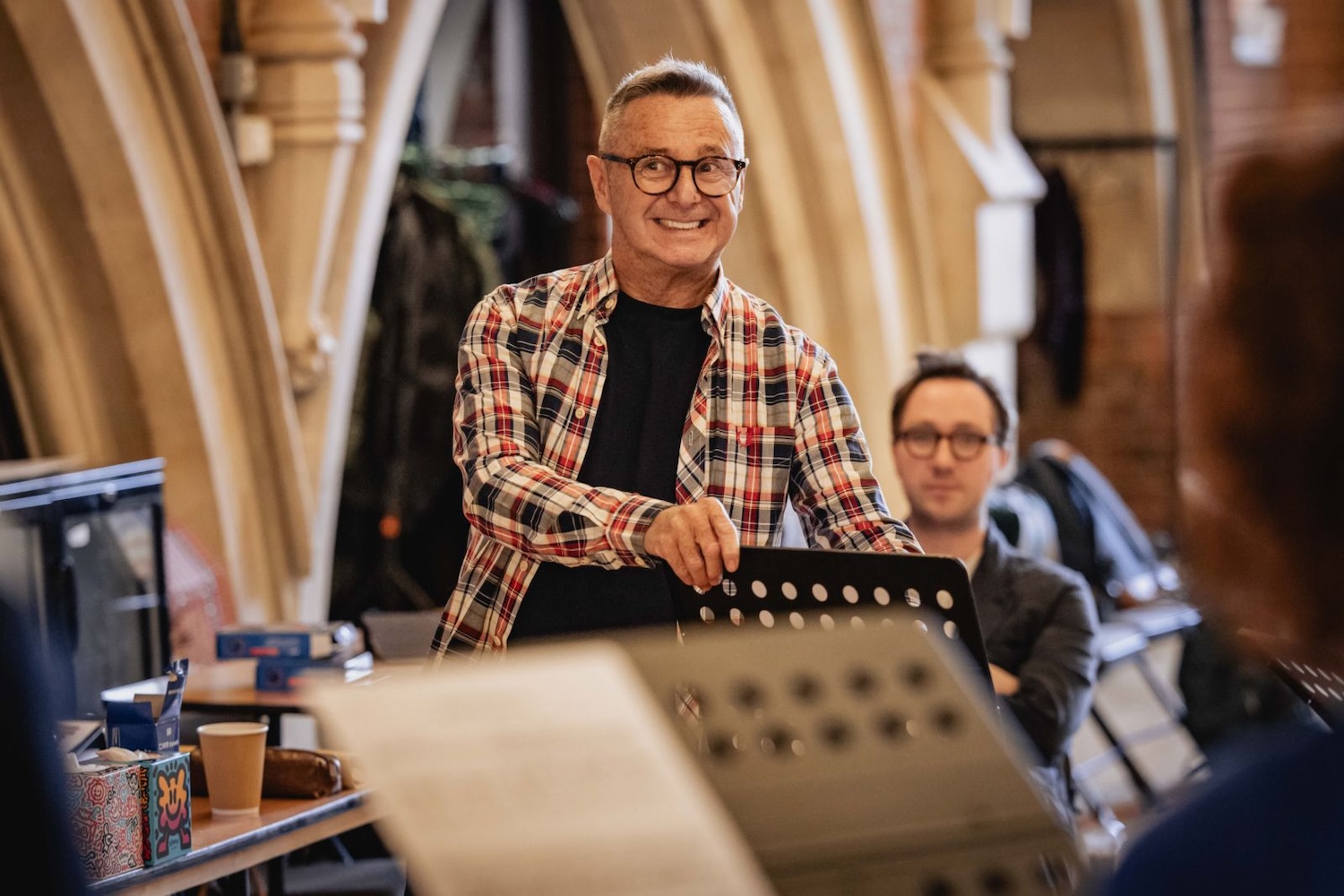
‘I love telling story through dance’
Stephen Mear
‘I’ve been so inspired by the classics,’ Mear says. ‘I’m obsessed with patterns: that’s thanks to watching loads of Busby Berkeley films, and to sitting up in the gods when I was a teenager and couldn’t afford tickets for the stalls, so I got to see all the patterns made on the stage.’ Sharing his favourite musical numbers with Dance Gazette, he turns to the movies, including dance by Jerome Robbins and Bob Fosse. We also asked him to name favourite pieces of his own. So, how do you drive a story through dance? ‘I am inspired by the characters. You should never ask the character to do something that wouldn’t look right on them. It’s important to stay true to that as much as you can.’
Mear’s latest projects include directing the play Allegra in the West End and choreographing My Fair Lady at Chichester Festival Theatre. ‘We have a cast full of all shapes and sizes for My Fair Lady, all of them triple threats [strong in acting, singing and dancing]. Normally, whoever plays Alfred Doolittle is primarily an actor, and everybody dances around him. But on this show, Gary Milner has been sent from heaven – he rips into I’m Getting Married in the Morning. The original number was six minutes long, and the theatre kept saying, “you won’t want to do that” – but we have, and I feel we haven’t overstayed our welcome. I’m having the best time.’
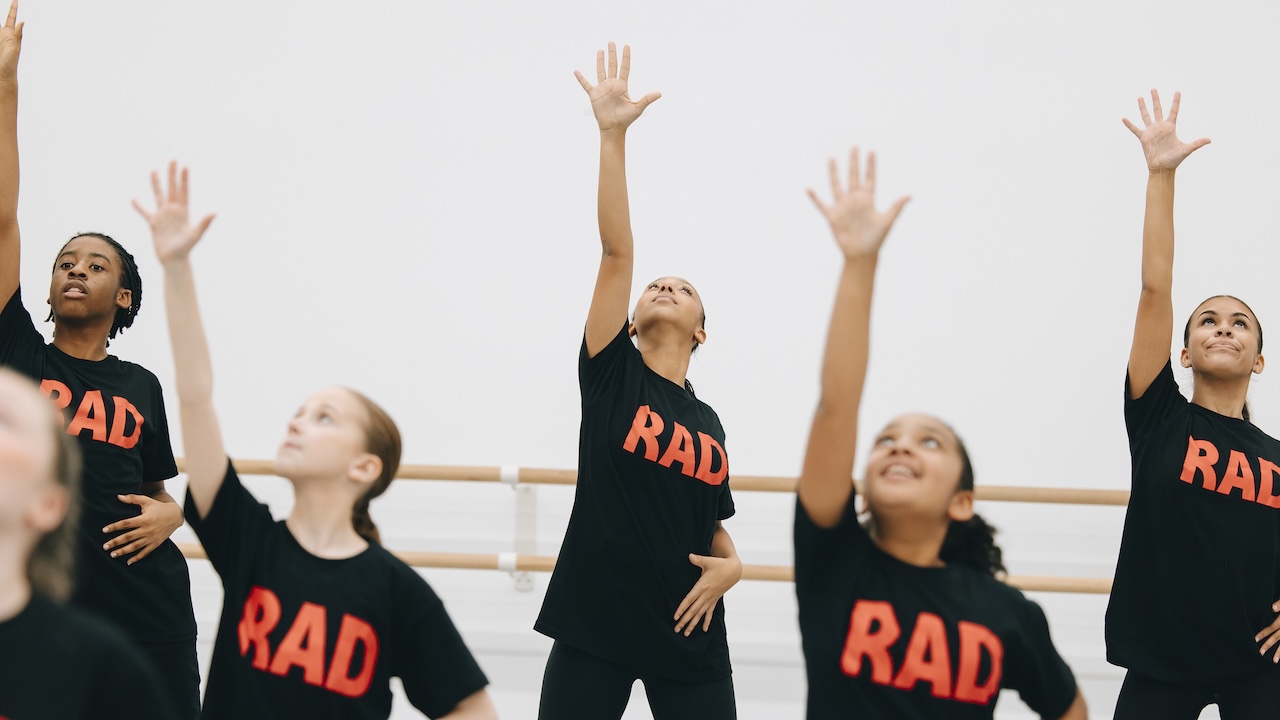
The new RAD syllabus also aims to produce a triple threat performer. Mear and the RAD are still deciding which piece of his choreography will become part of the new syllabus. ‘We want it to be exciting for everyone – not just the strong dancers but the actors too. I’m thrilled to be part of it, but I want to give them the best bits of my work.’
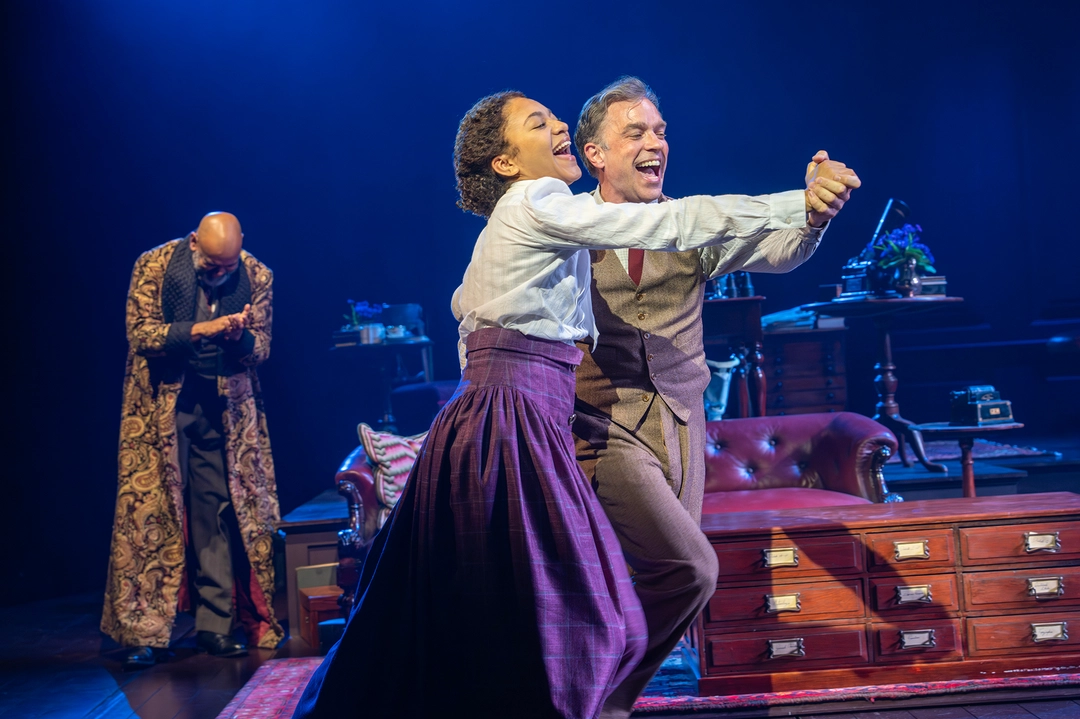
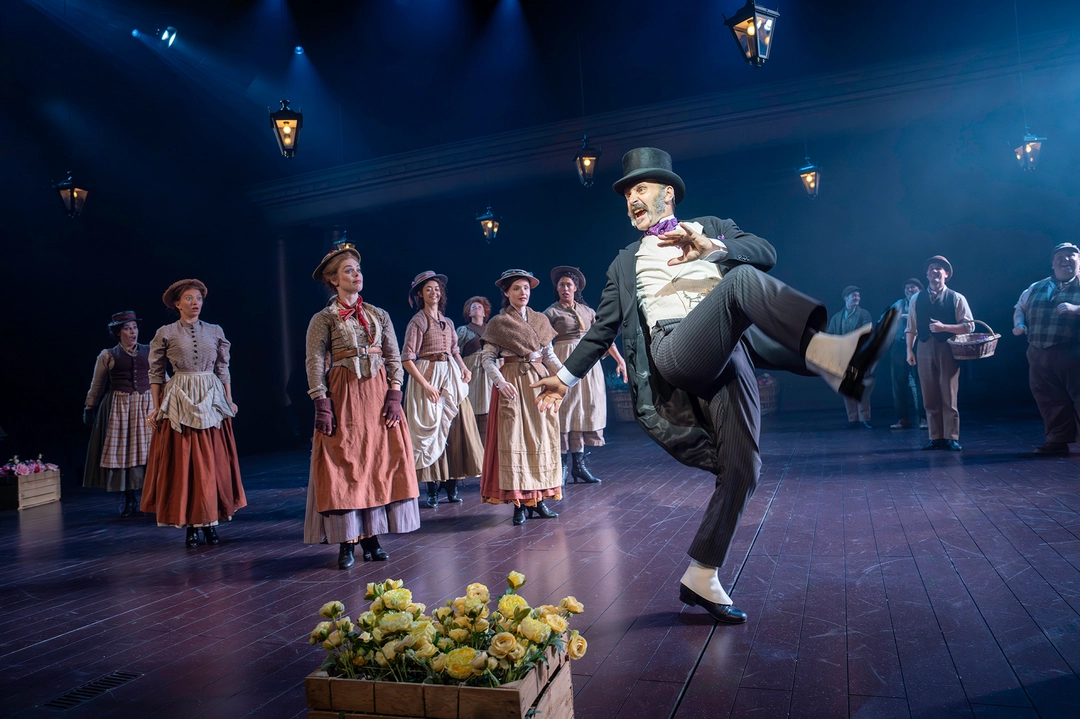
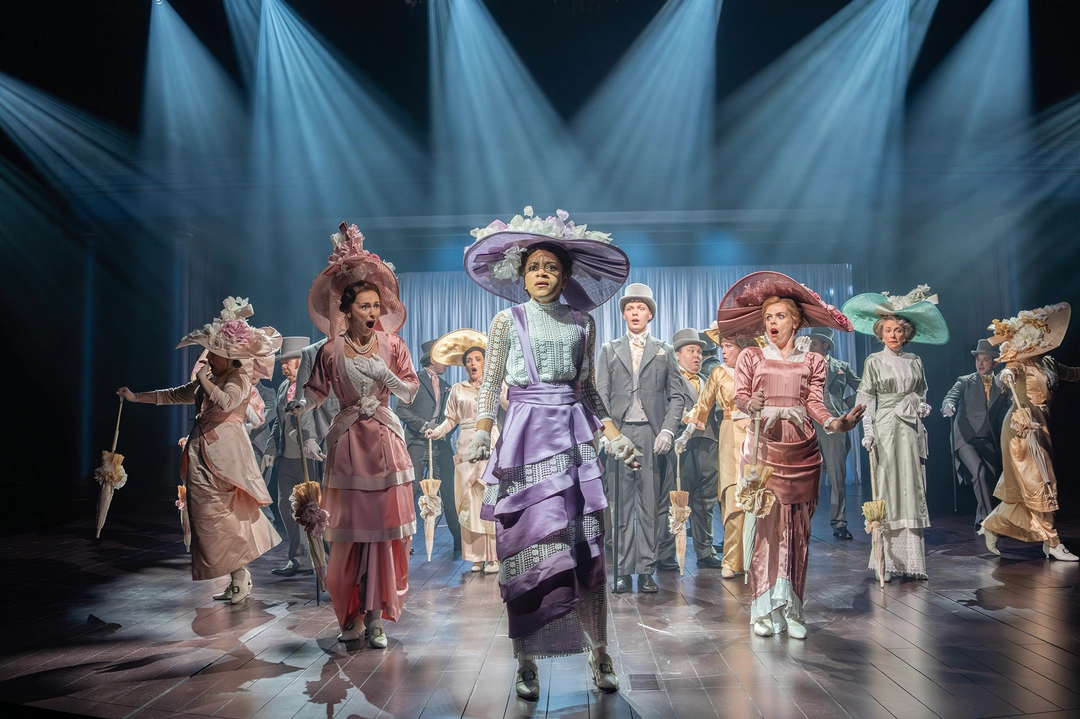
‘I’d be scared to do West Side Story – I love the choreography so much’
Stephen Mear
Five of the best
Stephen Mear’s favourite dance numbers.
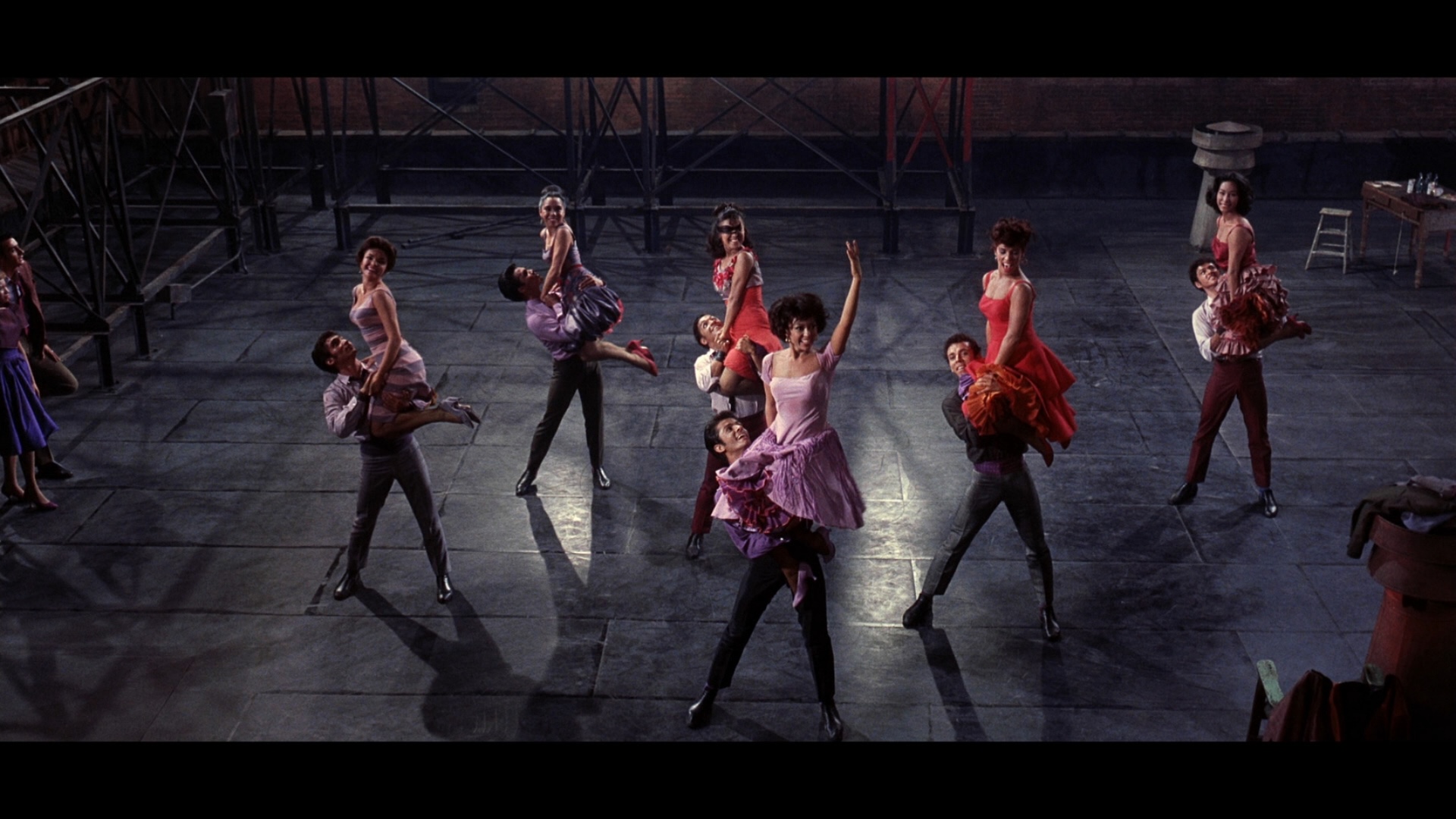
1 West Side Story (1961)
The opening of the film and the dance at the gym are both sensational. To watch Jerome Robbins, from the ballet world, mixing jazz with his ballet style must have been amazing. I have done a section from West Side Story in concert, but I think I’d be scared to do the whole show, because I love the choreography so much.
2 Kiss Me Kate (1953)
I’m a massive Ann Miller fan, and my favourite is Too Darn Hot [choreographed by Hermes Pan]. She’s old Hollywood: the way she danced, the way she held herself. She had a big old voice, as well as those fabulous tap beats. I remember seeing her on Happy Birthday to Hollywood in 1987 – she was doing Shaking the Blues Away, and it was mind-blowing to watch this older lady drilling the stage.
3 Hello, Dolly! (1969)
I love Hello, Dolly!, and especially Put on Your Sunday Clothes. The way it’s filmed, with all the different styles and characters, is quite amazing.
4 White Christmas (1954)
The Best Things Happen While You’re Dancing, with Vera-Ellen and Danny Kaye, is an inspirational piece of choreography [by Nick Castle] which I love.
5 Kiss Me Kate (1953)
My other favourite bit of choreography from Kiss Me Kate is with Bob Fosse and Carol Haney. They do the Tom, Dick, and Harry number, but then go into a duet. They allowed Fosse to choreograph that whole section – I find it so exciting to watch.
Three by Stephen
Stephen Mear chooses favourites from his own work.
1 Anything Goes (2002)
This was Trevor Nunn’s last show as Artistic Director at the National Theatre. I was just starting off as a choreographer – Trevor took a big chance on me and I will be forever grateful. The end of act one was the first time in my career where the company got a standing ovation before the interval: mind blowing. Many of the cast were also in Shakespeare’s Love’s Labour’s Lost, so in the warm up I taught them little tap steps, which I then used when we started doing the number. It’s a trick that I do with actors, to fool them until they suddenly realise they can do it after all.
2 Guys and Dolls (2018)
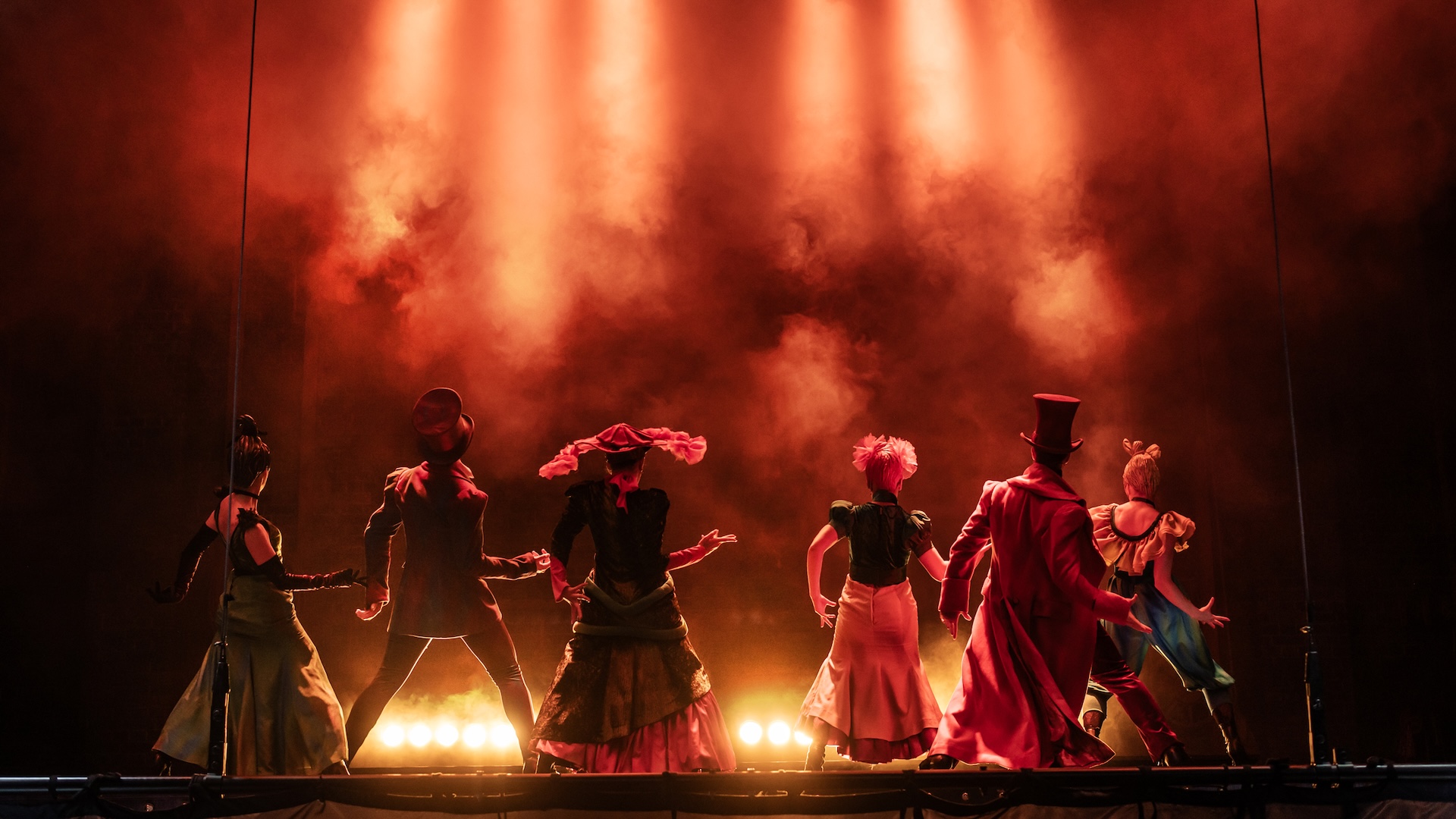
When I did Guys and Dolls at the Royal Albert Hall, I created a big ballet for the crap shooters, with up to 40 male dancers. I got to use loads of college kids, and 20 professionals as well. It’s a big number that I absolutely love.
3 Mary Poppins (2004)
Supercalifragilisticexpialidocious! My partner, Mark Smith [the choreographer and dancer], is deaf, so I wanted to put something special into the show without him knowing. When he saw it on opening night, he was in tears. It’s like a love letter to Mark from me.
‘I have been waiting for the RAD Musical Theatre syllabus all my life!’
Wendy MT Davies
Members’ choice
RAD members pick their own favourite shows.
I saw West Side Story at Manchester Palace Theatre (standing room only) with the original Broadway cast in 1958, before their West End debut. The dance routines were groundbreaking and iconic. Unforgettable, even after all these years!
I have been waiting for the RAD Musical Theatre syllabus all my life! From a very young age, my dream was to perform in musical theatre. In my day, you were either a dancer, a singer or an actor. I was a ‘triple threat’ as they say now, but did not know how to integrate these talents. Consequently, I enrolled in ballet school to get the necessary training for a dance career in commercial theatre in the UK. How I would have loved this sort of musical theatre training with the RAD. Congratulations on a wonderful and inspirational idea.
Wendy MT Davies, Canada
My favourite musical which moved me to begin ballet was James Cagney in Yankee Doodle Dandy. Had it not been for those old Hollywood musicals, I would have never wanted to dance. It was a window to develop my own personal creative gene that I found in movement.
John Blacha, USA
The bottle dance from Fiddler on The Roof. There was no trickery in balancing those actual glass bottles. They were covered with net for safety in case they got dropped, but apart from that it was balance, skill and practice. I was in the original London cast for two years (playing Bielka/Grandma Tzietal) and never saw a mistake or a dropped bottle!
Sue Mornie-Fabian, UK