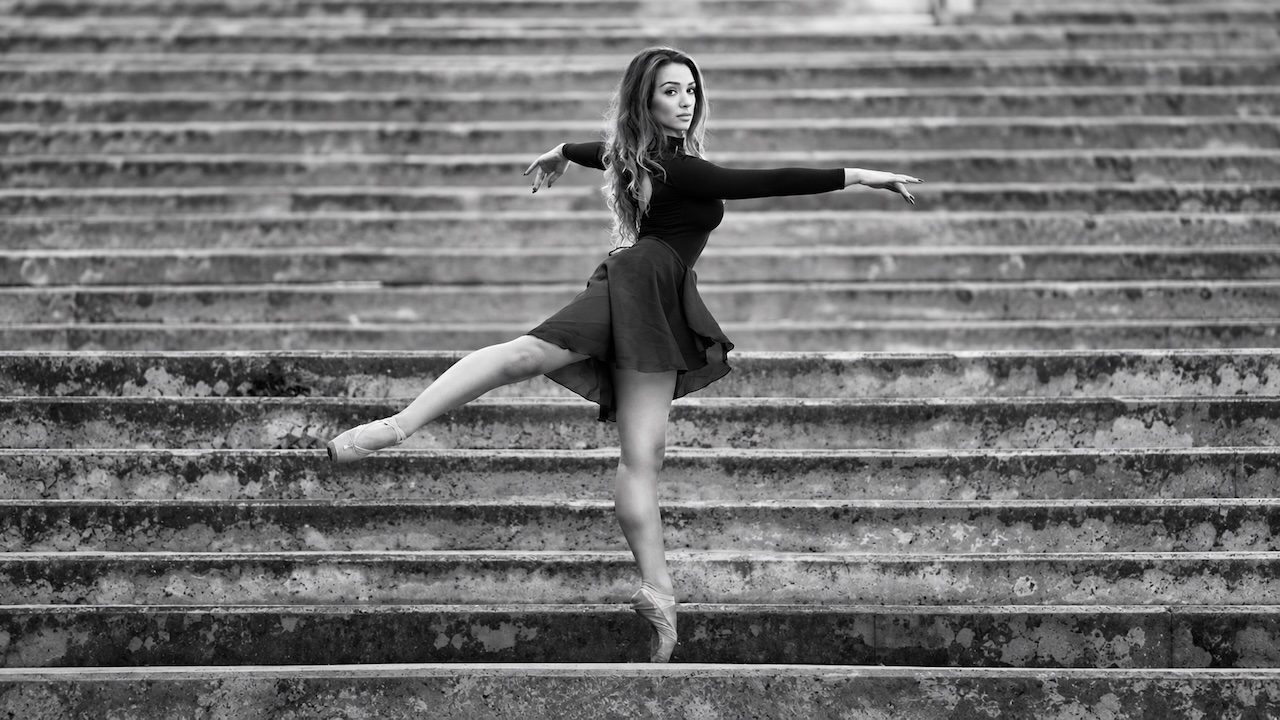
Pia Muschaweckh, 27, was initially encouraged to pursue a stable career in education rather than follow her dream of teaching dance. But, when her former teacher needed assistance following surgery, Muschaweckh leapt at the chance. In 2022 she completed her Certificate in Ballet Teaching Studies with the RAD, and now she teaches 30 hours of classes a week at Ballett und Tanzstudio Beatrix Klein in Landsberg am Lech, Germany. ‘I’m doing my dream career,’ she says with a smile.
Four years later, Muschaweckh has received the RAD’s inaugural award for Early Career-Emerging Teachers at a ceremony alongside the organisation’s Members’ Conference in London in July. ‘Usually awards are for people who have had long careers,’ says Orla Gledhill, 24, another of the four nominees, ‘but it’s really motivating to have something for people at the beginning.’
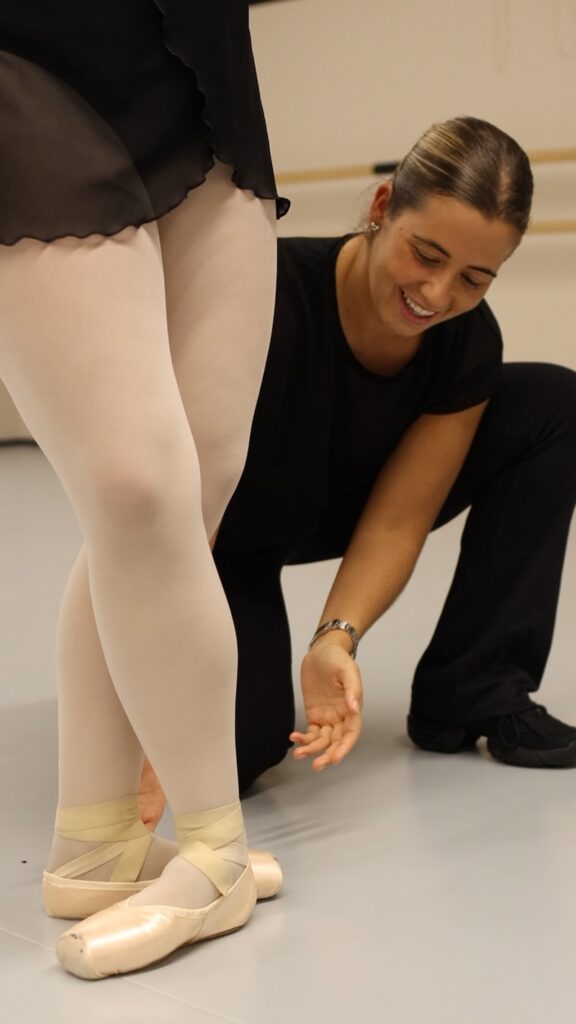
It’s easy to see why Muschaweckh made an impression on the judging panel. Her teaching philosophy is shaped by suffering a knee injury before her Advanced 1 Ballet exam. ‘I forced my turnout. I didn’t understand my body and how it worked,’ she says. ‘I never want my students to experience something like that.’ As a result, she qualified in Progressing Ballet Technique – a specialised body-conditioning and strengthening programme – and references it in all her classes. ‘It’s so important students work safely and progressively rather than forcing results. There will always be another exam or performance, but you only have one set of knees.’
‘I’m hoping to make people become great individuals through ballet’
Pia Muschaweckh
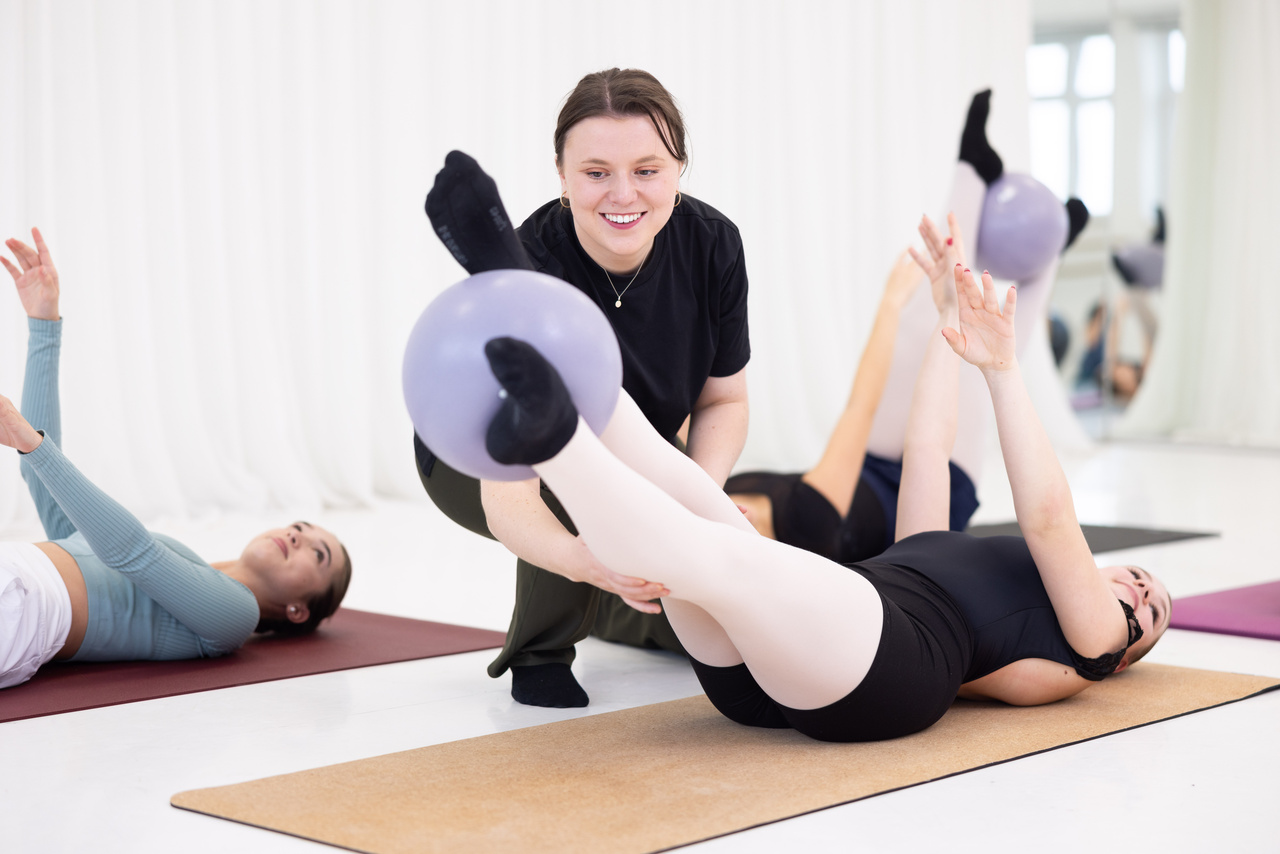
Alongside safe dance practice, making ballet accessible to new demographics is another key focus for Muschaweckh. ‘Most of my students have never been to a ballet,’ she says, explaining how she teaches them excerpts from shows in class, shares details about characters and storylines, and has even organised trips to performances. For her, the goal of teaching isn’t to train perfect dancers, it’s to help students develop confidence and ‘become great individuals through ballet.’
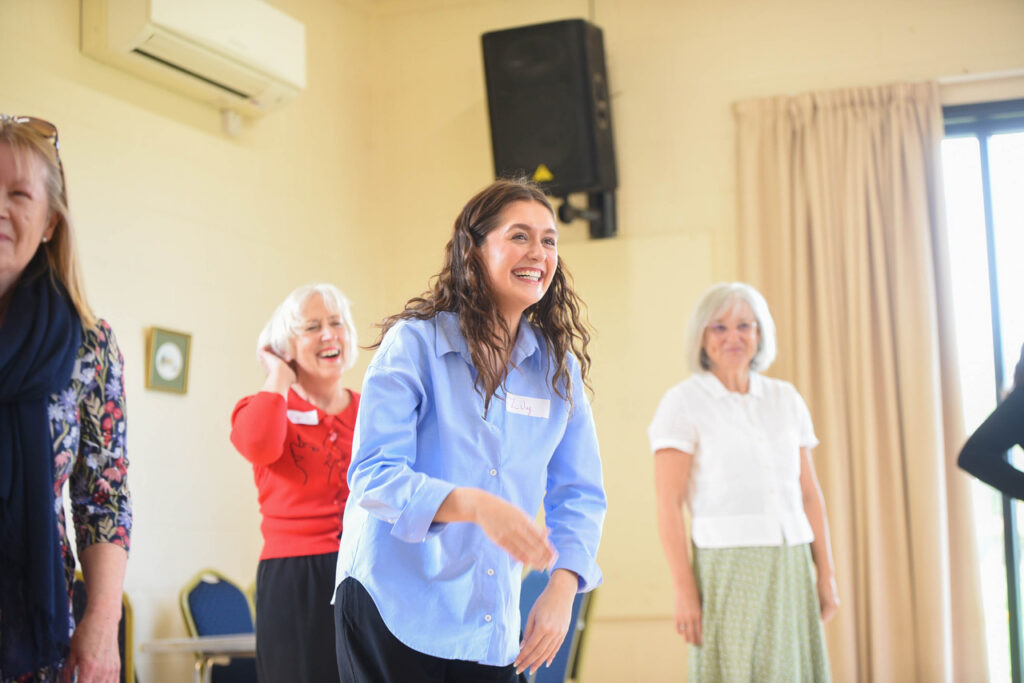
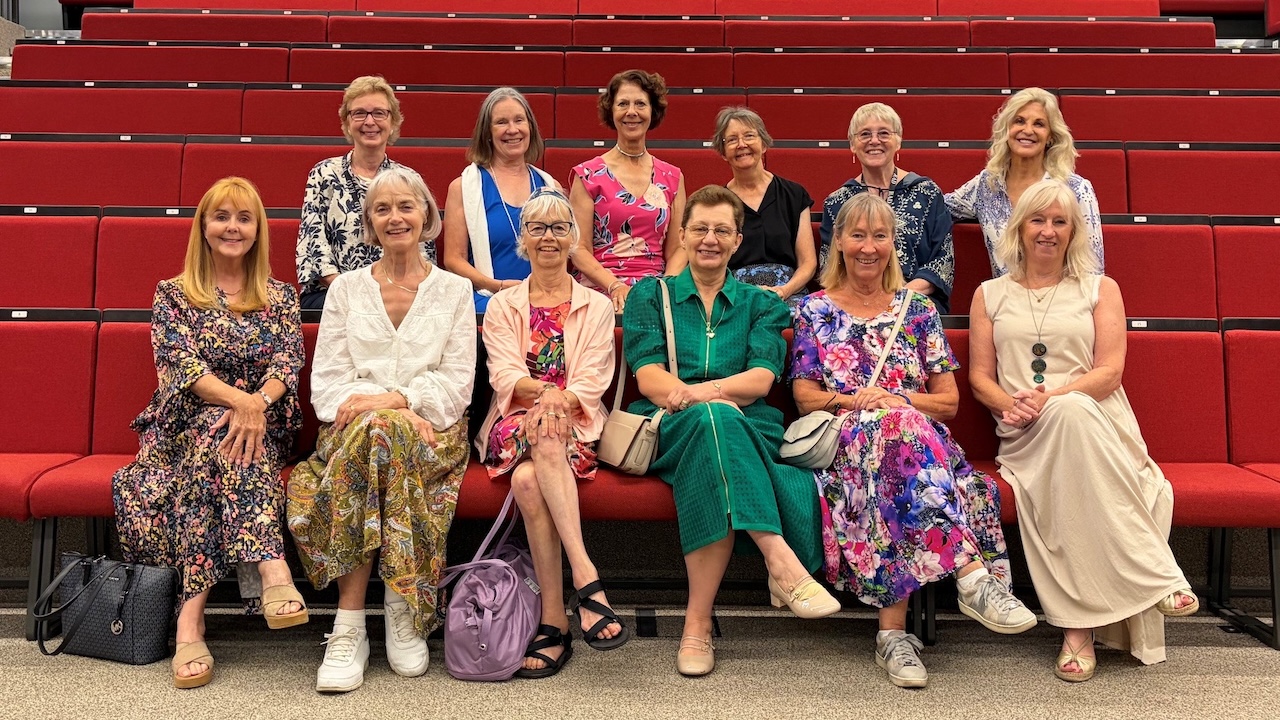
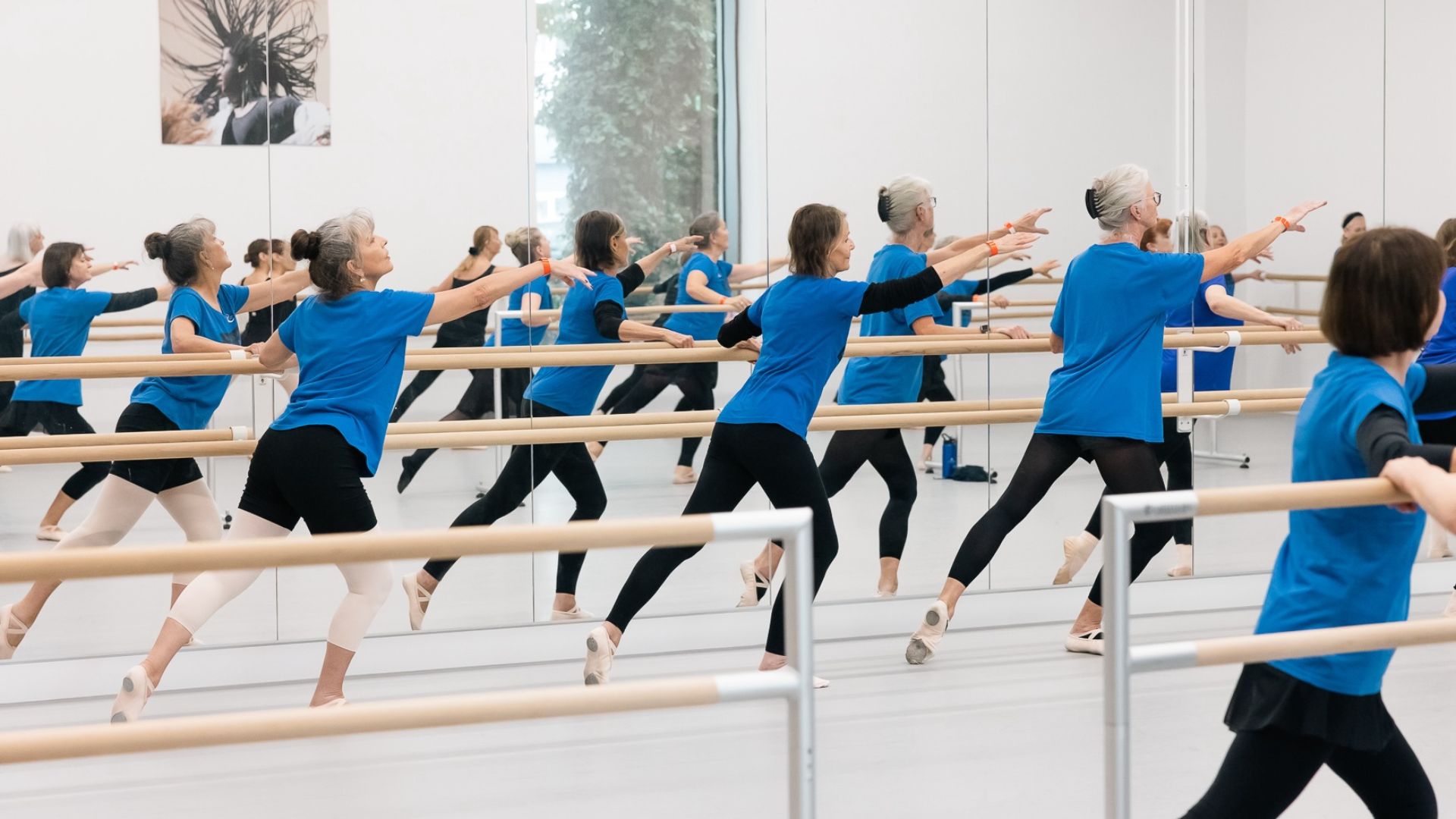
Inclusion is a recurring theme across the practices of all the award nominees – a priority that is seemingly shaping a new generation of teachers. Lily Turner Smith, 25, set up her dance school in rural Suffolk in 2023 after completing the RAD’s BA (Hons) in Ballet Education. While she offers classes for children, Turner Smith’s main focus has been developing an extensive programme of Silver Swans classes – RAD ballet for over-55s – across the county. ‘People hadn’t heard of it – I thought it could be a big thing they were missing out on.’
She was right: Turner Smith now teaches over 100 Silver Swans, many of whom ‘couldn’t do it as a child because they couldn’t afford it, or didn’t think they were upper class enough,’ she says. ‘There’s such a stigma about ballet being elitist, and it was important for me to take that away.’
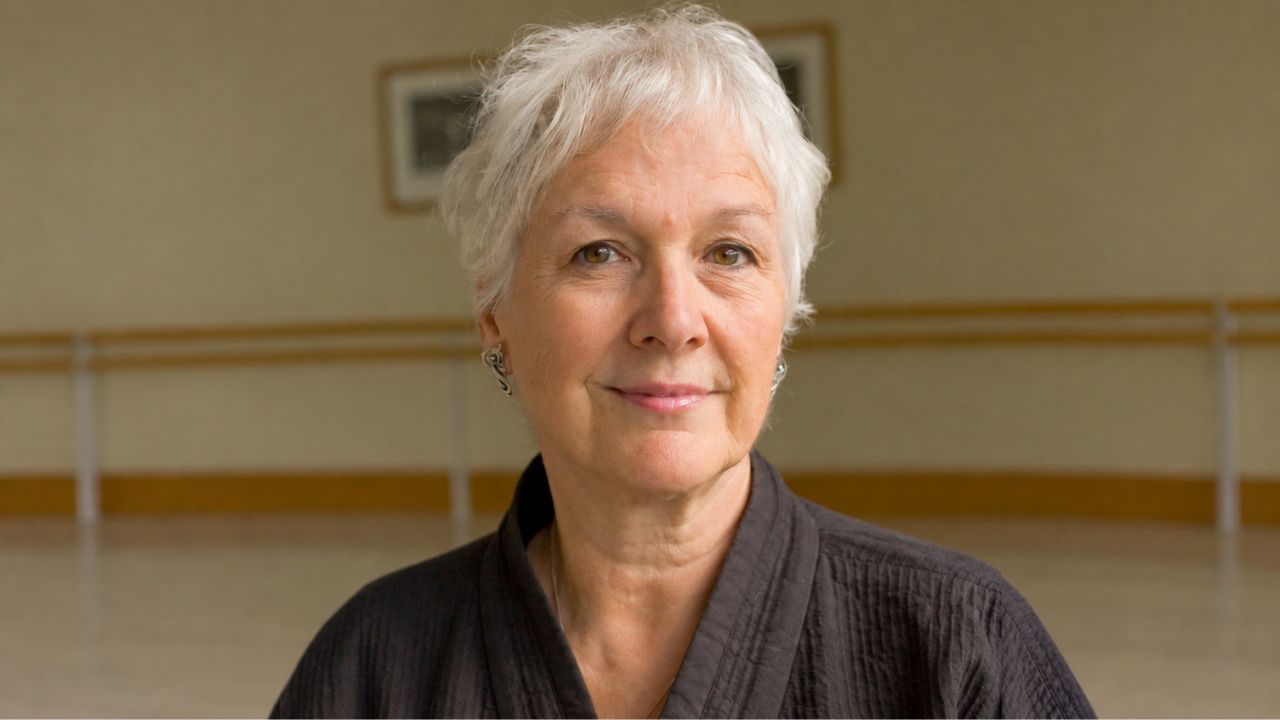
‘Most awards are for people with long careers. It’s motivating to have this for people at the beginning’
Orla Gledhill
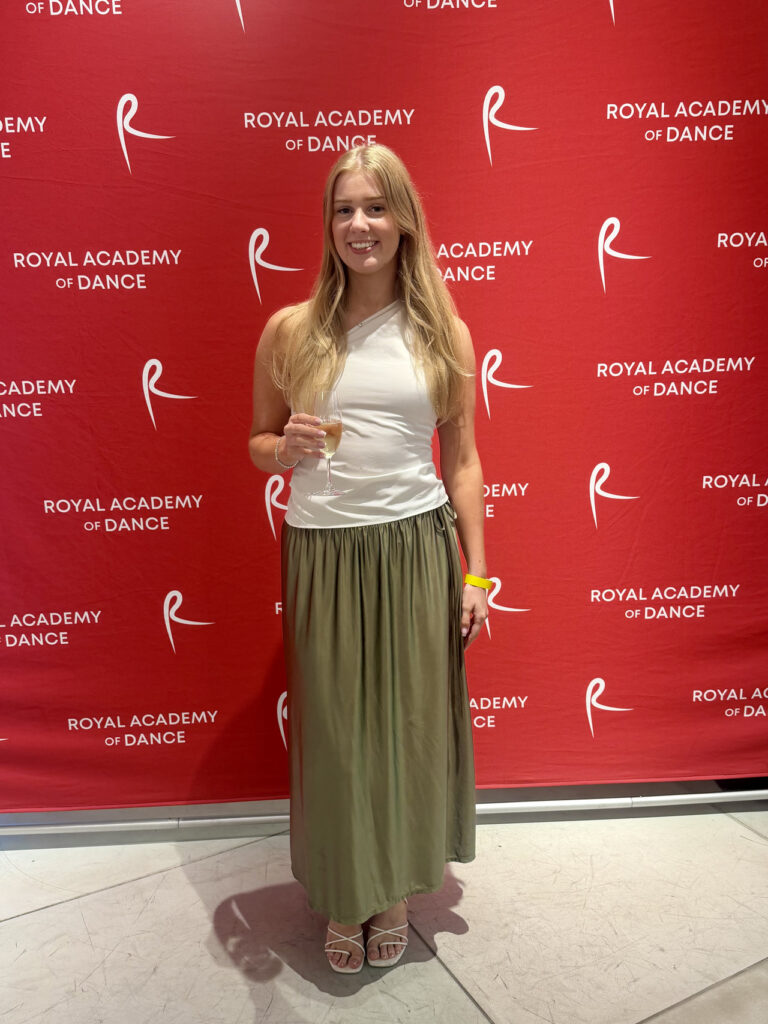
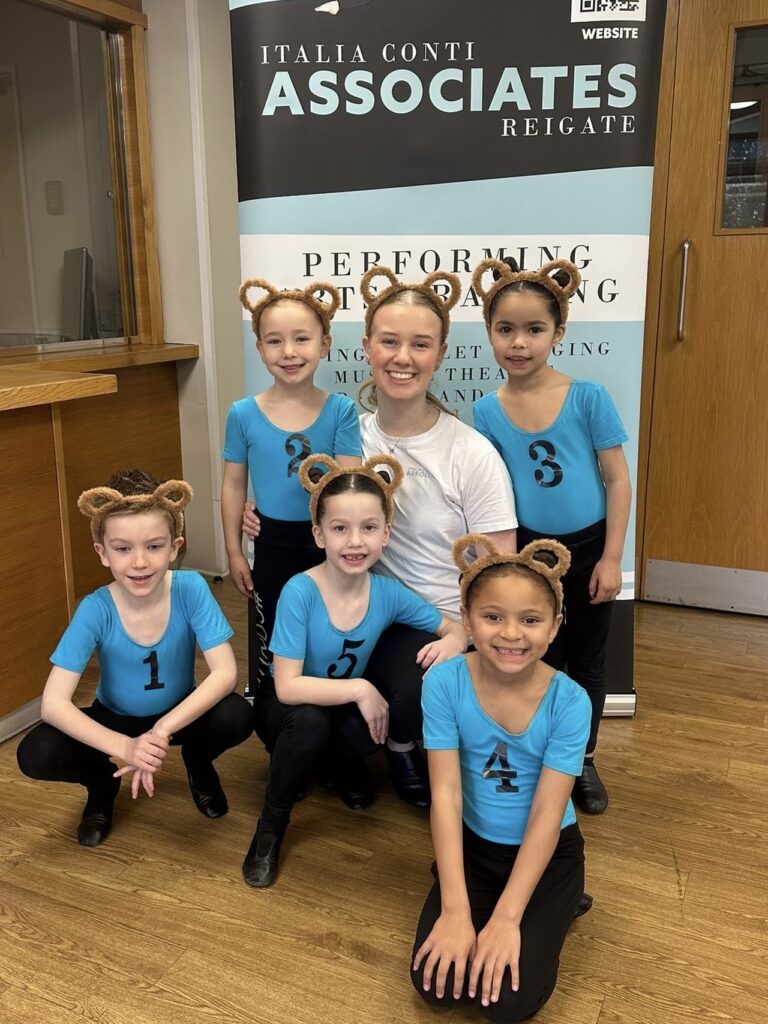
Turner Smith’s own experiences inform her approach to challenging ballet’s exclusive image. As someone with severe dyslexia, she often struggled with the French terminology used in ballet classes. ‘People learn best when they feel safe, respected and encouraged,’ says fellow nominee Luisa Coimbra. She also offers Silver Swans classes at her school, Solo Studio, which she founded in Braga, Portugal, in 2024. ‘My vision was to create a place where everyone could experience the joy of movement, regardless of age or previous experience. Technical excellence is important, but should never come at the expense of enjoyment or confidence.’
Gledhill, another graduate of the RAD’s BA programme, is similarly committed to broadening ballet’s reach. Alongside teaching in private dance schools in West Sussex, she currently supports a secondary school dance teacher with after-school activities and in September will begin a PGCE, with the aim of teaching dance within the school curriculum. Working in this context is particularly rewarding, ‘because it feels like you’re part of the reason why children might want to come into school,’ she says. ‘It’s so helpful for confidence and friendships.’
Despite their passion and drive, all four award nominees note the challenges facing early-career teachers as they seek to establish themselves. Some reflect wider pressures on the arts: Muschaweckh, for example, notes that securing free theatre tickets for students is now ‘impossible’ amid funding cuts and financial pressures, while Gledhill points to declining support for dance and arts education in UK schools. Other hurdles are more personal. For Turner Smith, this included navigating the logistical challenges of setting up a small business. Although she sought advice from her former teachers, ‘if you already have a fully established business that’s been running for years, the early stage of getting going is a bit different to how it was,’ she says.
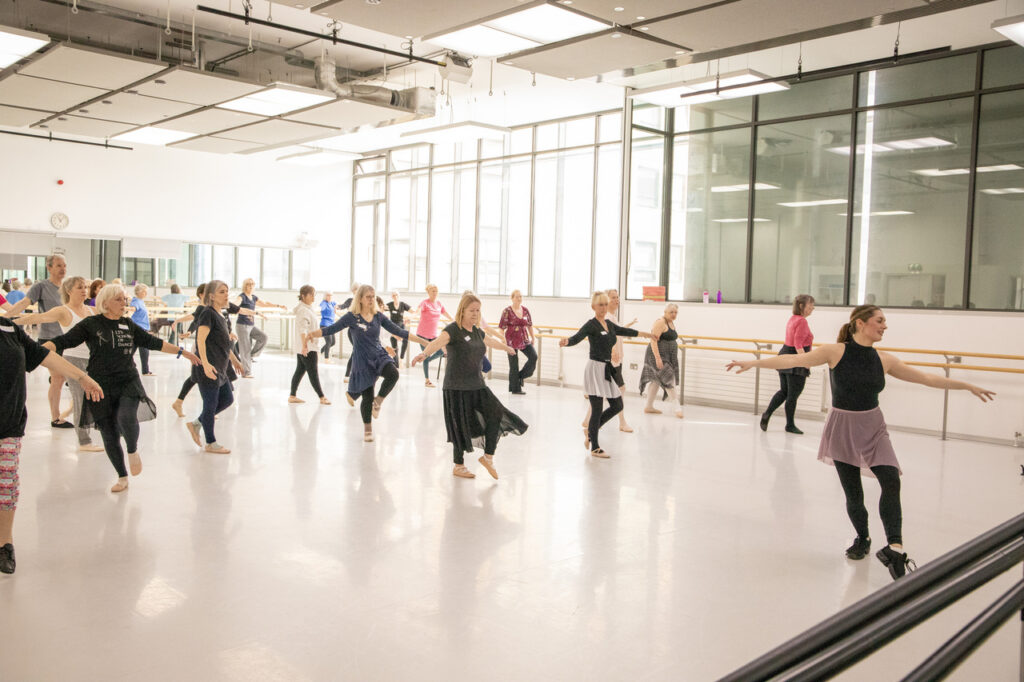
Finding suitable dance venues in rural Suffolk has been another significant hurdle for Turner Smith, as has earning the trust of her Silver Swan students despite her young age. ‘When all the participants are over 55, and you’re a teacher [in their early 20s], they’ll think “hang on a minute, you don’t feel the same way I feel in my body,”’ Turner Smith says. Yet listening carefully to feedback and offering plentiful options for adapting movements to individual bodies has helped abate fears. The same ‘trust issues’ emerged for Muschaweckh, even when teaching younger dancers. ‘Naturally parents want the best for their children,’ she says. Often, ‘they think an experienced teacher is someone who is older and done more recognised stuff.’
For Gledhill, accruing work has been tricky. ‘In the beginning it was lots of bitty bits for lots of different people, which was hard to balance,’ she says. Combined with the fact that training, maintaining registered teacher status, and taking part in continual professional development all come at significant cost, this can all cause financial strain. ‘I was fortunate to move back in with my parents who were very supportive,’ says Turner Smith. ‘If I’d had other financial responsibilities, it would have been very difficult.’ Stress and burnout are also risks. ‘Because I’m so passionate, I give 150% and sometimes struggle to maintain a healthy work-life balance,’ says Muschaweckh.
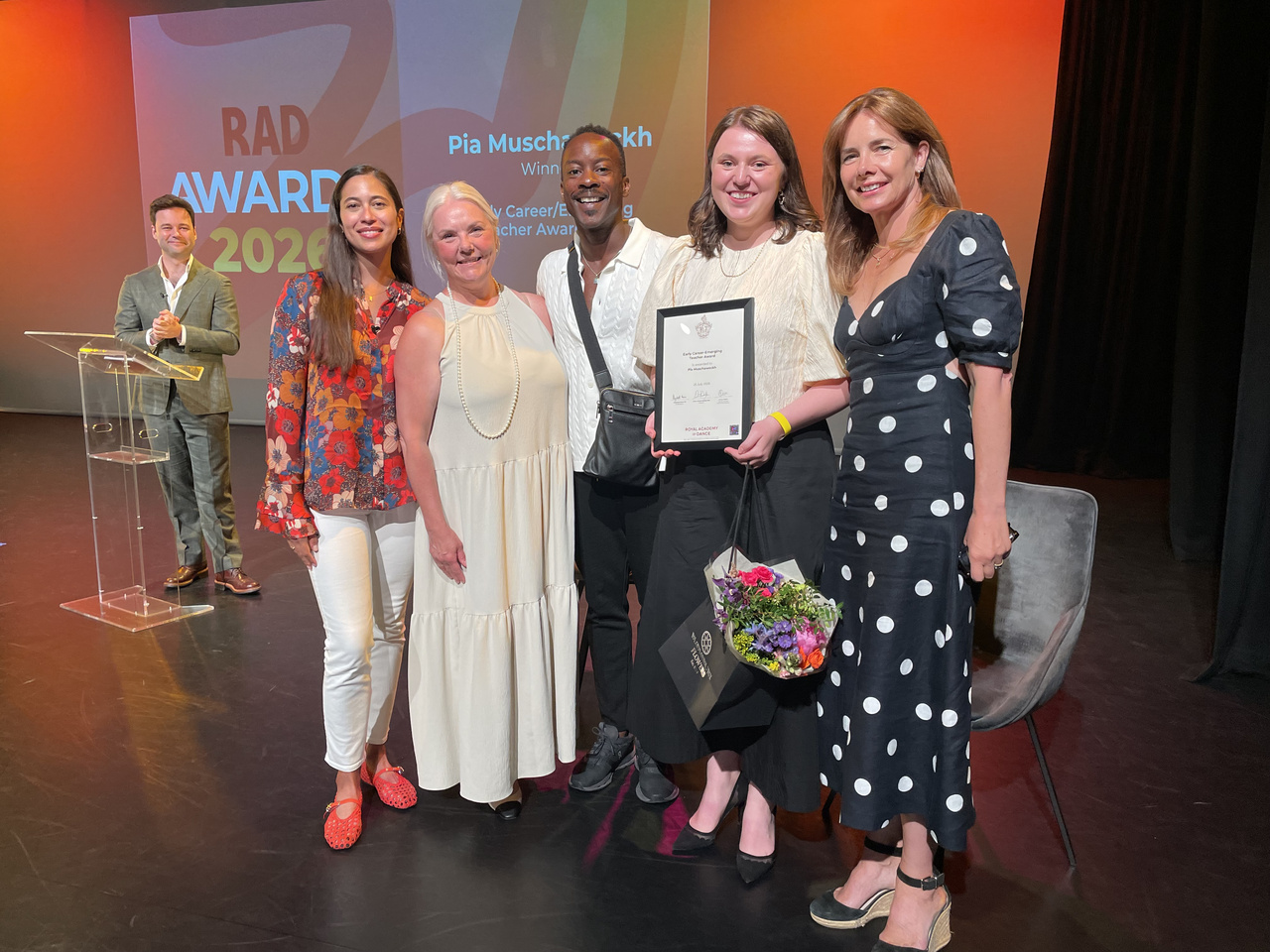
Against this backdrop, the RAD award provides valuable encouragement. ‘Teaching dance is not like other workplaces,’ adds Turner Smith. ‘Ultimately you’re making a lot of difficult decisions on your own. When you’re still learning, to be recognised and told you’re doing a good job is very reassuring.’ This is especially the case for young teachers beyond RAD’s London base. ‘Being nominated was an incredibly emotional moment,’ says Coimbra. ‘I hope it shines a light on the wonderful work done by dance teachers in Portugal and encourages other early career teachers to believe that their work can have an international impact.’
While the RAD award nomination has been a career highlight, these teachers find many other rewarding moments in their work. For Gledhill, these range from putting her first students through their ballet exams – ‘it’s a full circle moment, because that’s what I grew up doing!’ – to being part of the pilot of the RAD’s new Musical Theatre syllabus.
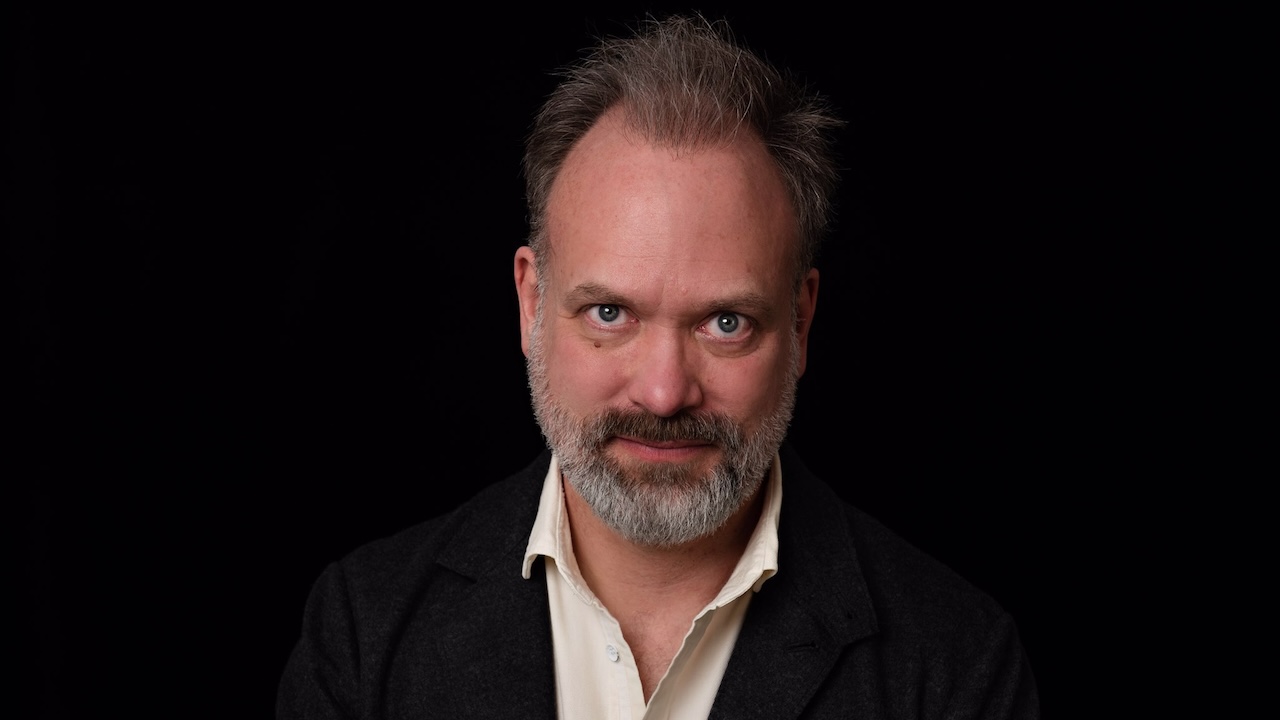
‘A child gaining confidence or saying my studio is their happy place means more than any award’
Luisa Coimbra
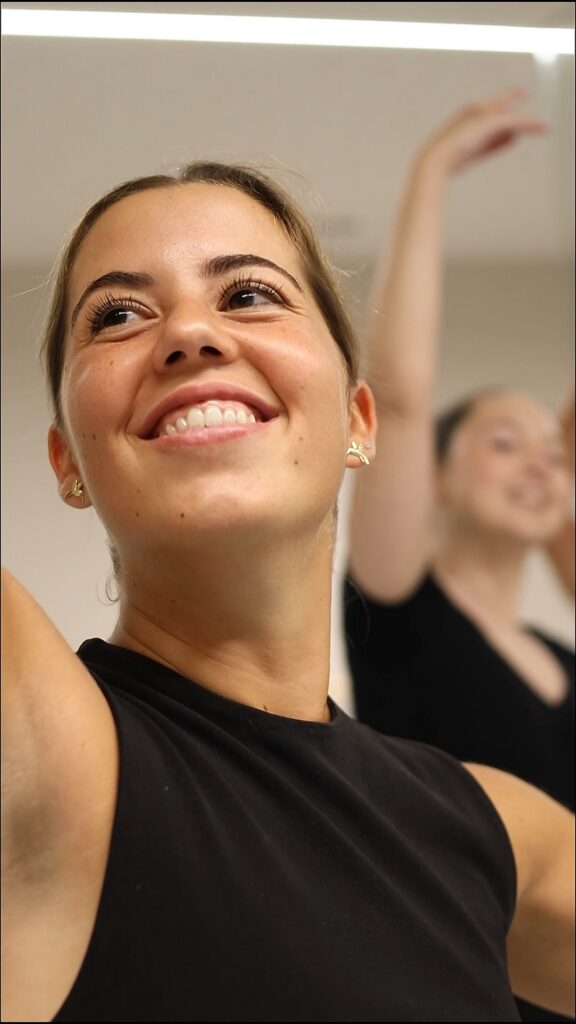
Yet the most rewarding moments ‘are often the smallest ones,’ says Muschaweckh. She describes finding joy in seeing students ‘nailing their first pirouette, or crying before class but coming out with a big smile because they’re proud of themselves.’ Coimbra agrees. ‘Watching a child gain confidence, seeing an adult achieve something they never believed they could, or hearing someone say that my studio has become their happy place means more than any award,’ she says. That sense of purpose will carry them into the next phases of their careers – whether that means starting their own schools, expanding their geographical reach or pursuing master’s degrees. As Muschaweckh says, ‘as a teacher, you never stop learning.’

Emily May is a Berlin-based arts writer and editor specialising in dance and performance. Her work appears in publications including The New York Times, Financial Times, TLS, Frieze and ArtReview.
Ellis van der Does is a Dutch illustrator and designer based in Amsterdam. ellisvanderdoes.com