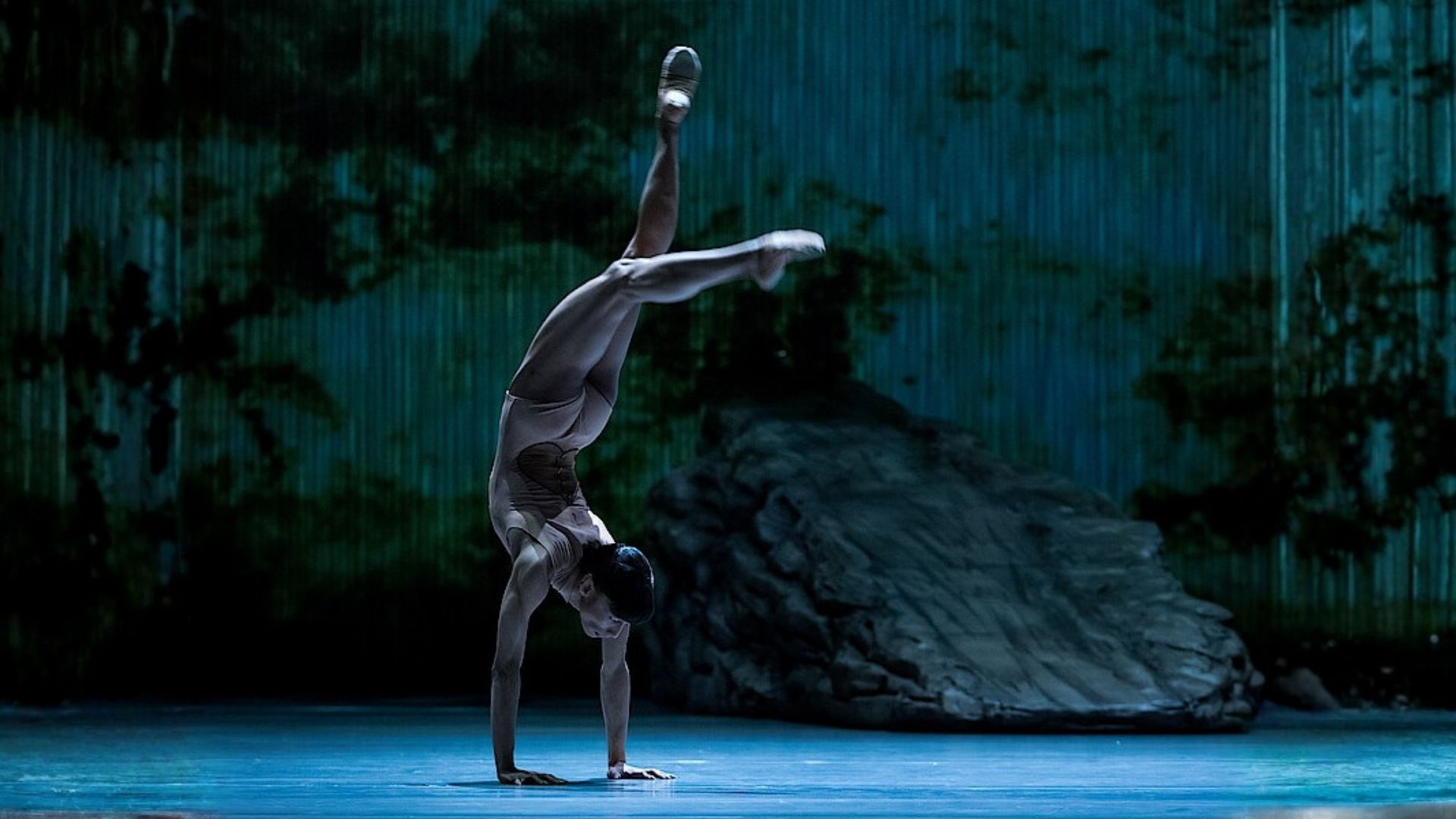
The Margot Fonteyn International Ballet Competition and the Bedells Bursary are the RAD’s flagship events and two of the world’s most prestigious ballet competitions. Dedicated to promoting and rewarding excellence in young dancers, for many they act as a stepping stone into professional careers. Founded in 1931 and 1979 respectively, the competitions are steeped in history. But that doesn’t mean they’re not open to change.
As of 2025, a key development in both competitions has been the reclassification of two required variations. Instead of being labelled ‘male’ or ‘female’, they are now listed as with or without pointework, allowing dancers to decide what suits them best, regardless of gender. ‘It’s very much about allowing the candidate to present themselves in the way that they would like to be seen,’ says RAD Artistic Director Alexander Campbell. The third variation, the ‘Dancer’s Own’ that candidates can choreograph themselves, has also evolved, and is no longer required to be performed en pointe for female-identifying dancers.
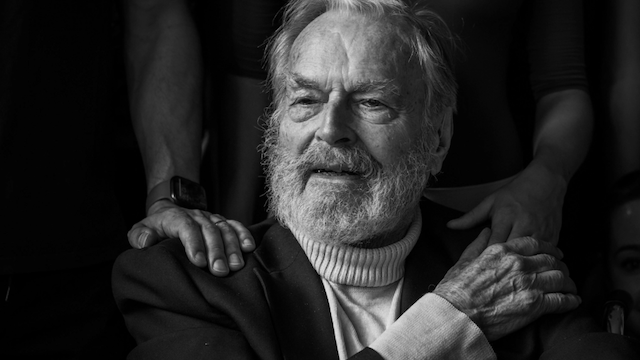
‘We’re allowing candidates to present themselves in the way they would like to be seen’
Alexander Campbell
The benefits of these changes were apparent at last year’s competitions. ‘Dancers were able to find their own voice through the use of different vocabulary,’ says Alex Lowe, the RAD’s Deputy Artistic Director. Being able to see personalities shine through was particularly helpful to the judges when deciding who should receive scholarships to specific schools. ‘The choices they made gave us more information to match them to the right context,’ says Lowe.
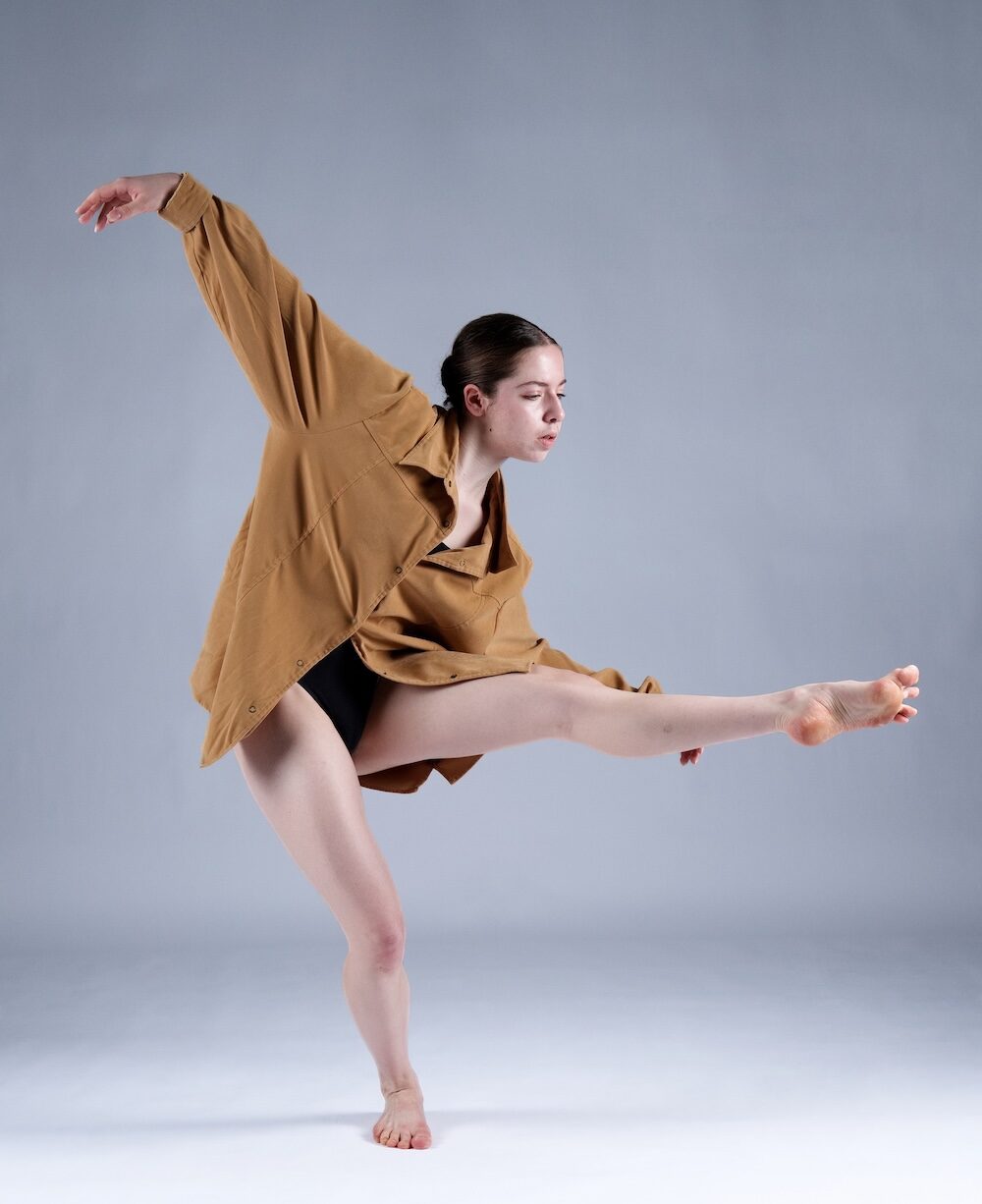
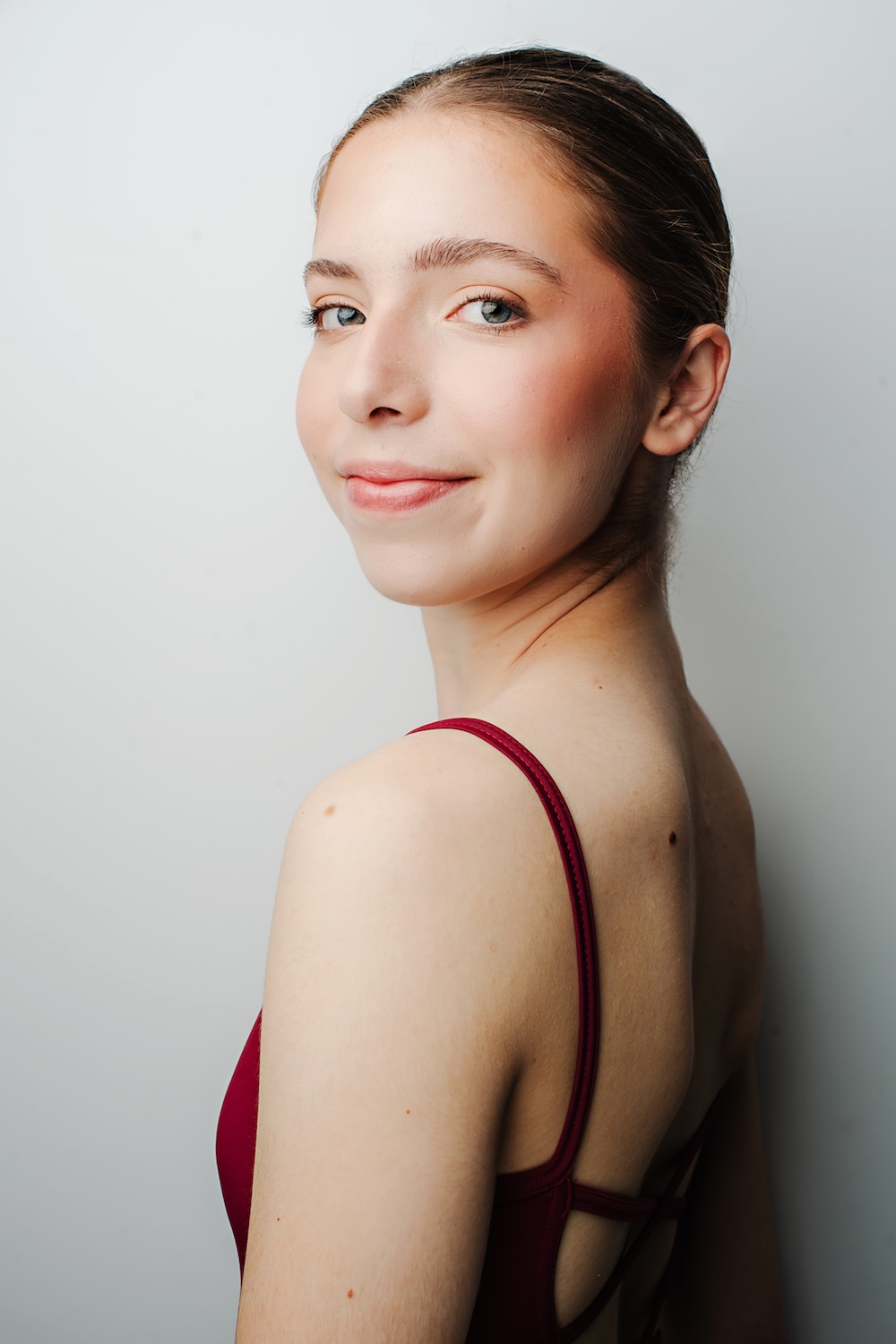
‘Male variations have a different kind of virtuosity: it expands the repertoire you can perform’
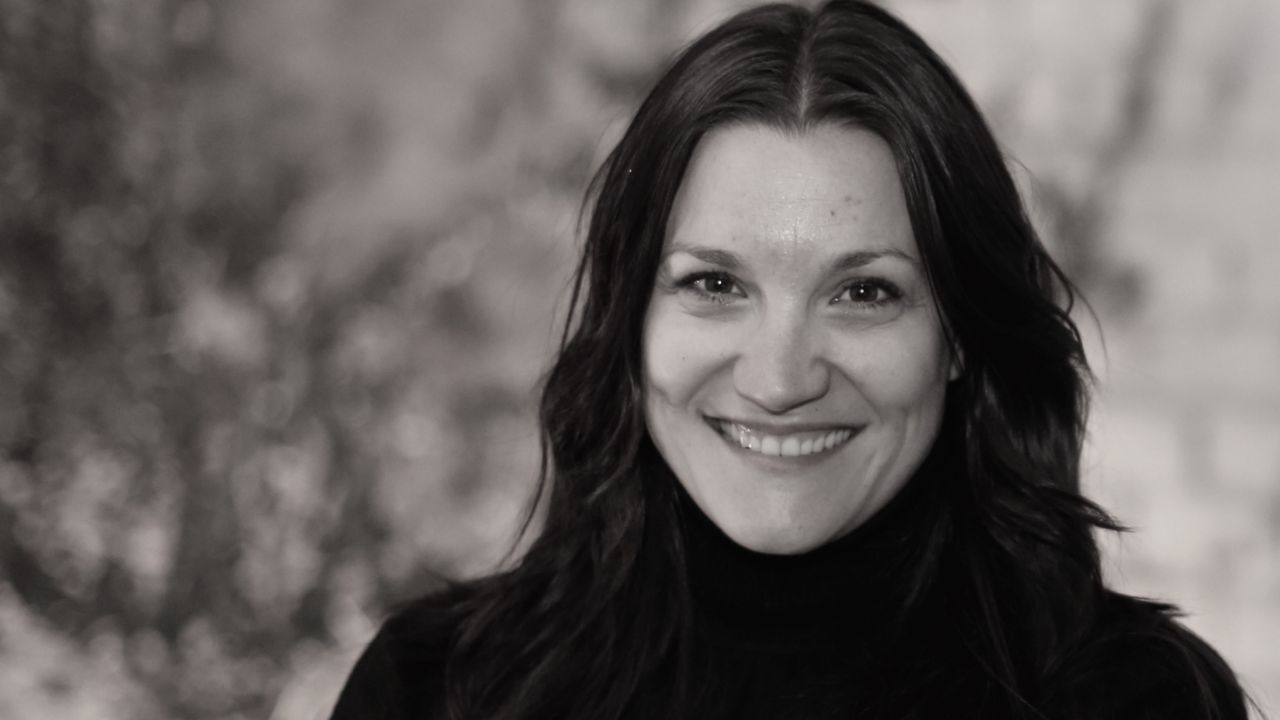
Meghan Lehmann
19-year-old Meghan Lehmann was one candidate who made use of the new variation categories at last year’s Fonteyn in São Paulo, Brazil. A student at the École Supérieure de Ballet du Québec, she chose to perform her classical variation en pointe, and her commissioned variation – choreographed by Brazilian dancer and Royal Ballet principal Mayara Magri – without. For Lehmann, the non-pointe variation’s focus on character, inclusion of floor work and a typically male manège, offered her the chance to receive the widest range of feedback and develop her versatility. ‘Male variations have a different kind of virtuosity to them, which expands the repertoire you’re able to perform.’
Greater flexibility at the RAD’s competitions is beneficial for trans and non-binary dancers, too. Yoyo Wilson, also 19, is a non-binary dancer who participated in the Bedells and Fonteyn in 2022 and 2024 respectively, before the new variation categorisation was launched. Then a student at Tring Park School, Wilson’s teachers encouraged them to do all of their variations on pointe, thinking this would give them the best chance at success. ‘I’d only started doing male training at the end of Year 10, and didn’t have as much experience in that area,’ they say on a call from China, where they are now training at Beijing Dance Academy.
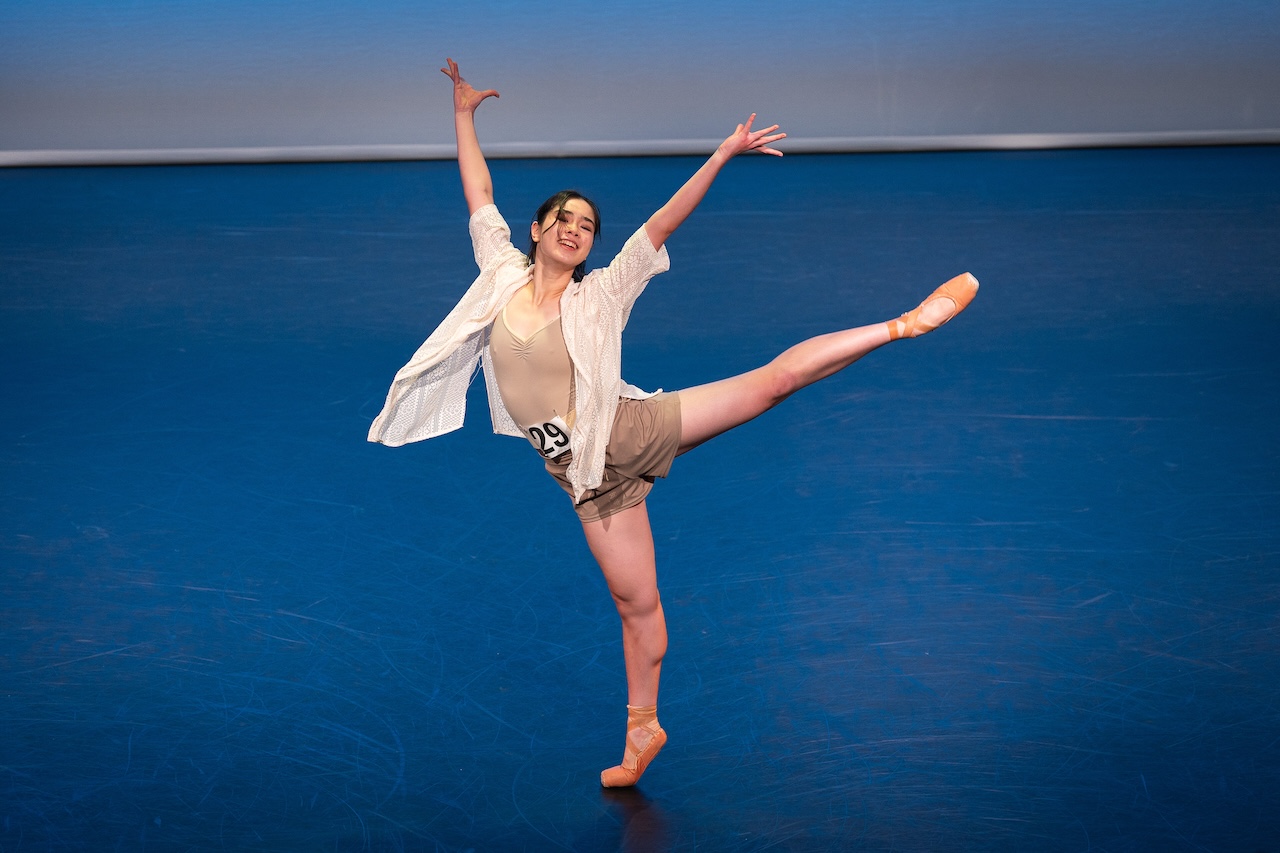
‘It’s quite a new thing to identify as non-binary, so I completely understand if in some cases I have to choose [between one gendered style or the other],’ Wilson continues. ‘But if there had been the option [in the competitions], I might have explored doing my neoclassical variations on flat.’ When they heard about RAD’s new approach, ‘I was like, wow that’s amazing. I’m so glad the RAD are pushing these boundaries.’
RAD’s new approach reflects broader shifts in the professional world. Pacific Northwest Ballet (PNB), for example, is a leading company challenging ballet’s binary approach to technique and gender. Pointework is available at their school to anyone who wants to train in it, and since 2021, all roles in the company have been classified as ‘pointe’ or ‘flat’ rather than ‘female’ and ‘male.’ This followed a recommendation from dancers in the company whose training did not match their birth gender. ‘We were referring to women and men, and some felt like they were not included in that representation at all,’ says Peter Boal, PNB’s artistic director.

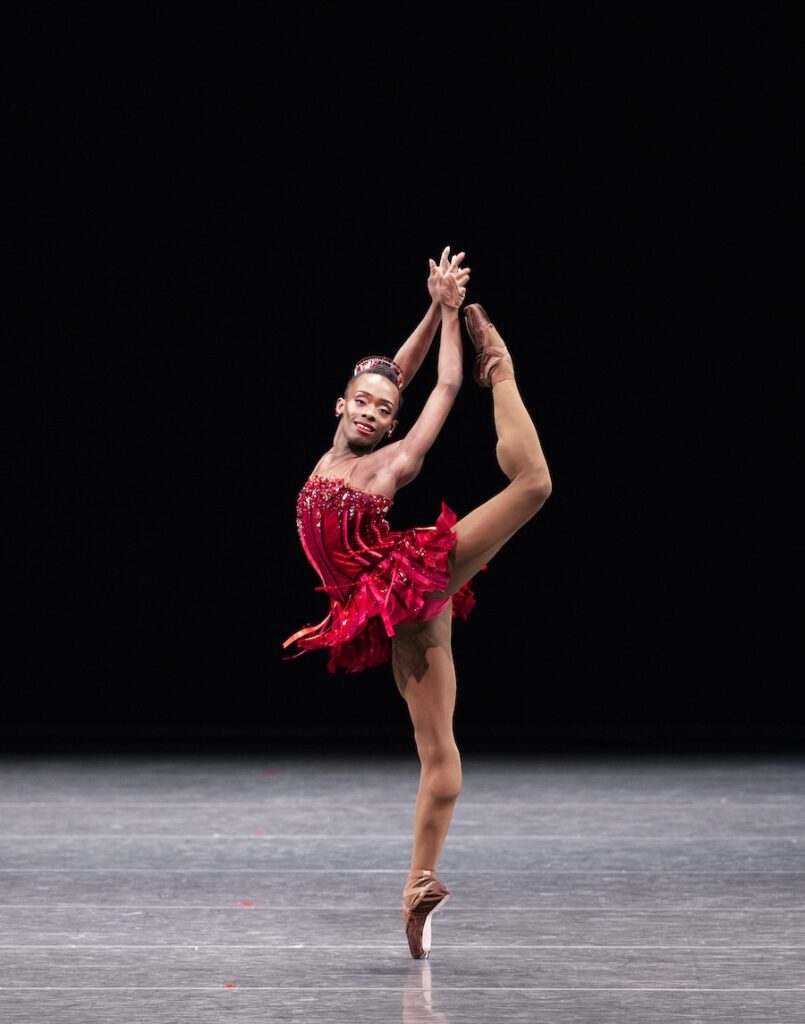
While there was some confusion about the designations at first, ‘after not too much time, everybody got so accustomed to it.’ Now, along with a normalisation of same-gender partnering, it is second nature. ‘One dancer who was a leader in this process is [soloist] Ashton Edwards,’ says Boal. Edwards, who uses they/them pronouns, only started training on pointe aged 18, but progressed quickly. ‘We had a tonne of choreographers who were really curious about Ashton’s abilities,’ Boal adds. ‘They were super excited about forging new ground with someone working in a new way.’ PNB’s audiences are also supportive: ‘they just want to see thrilling dancing.’
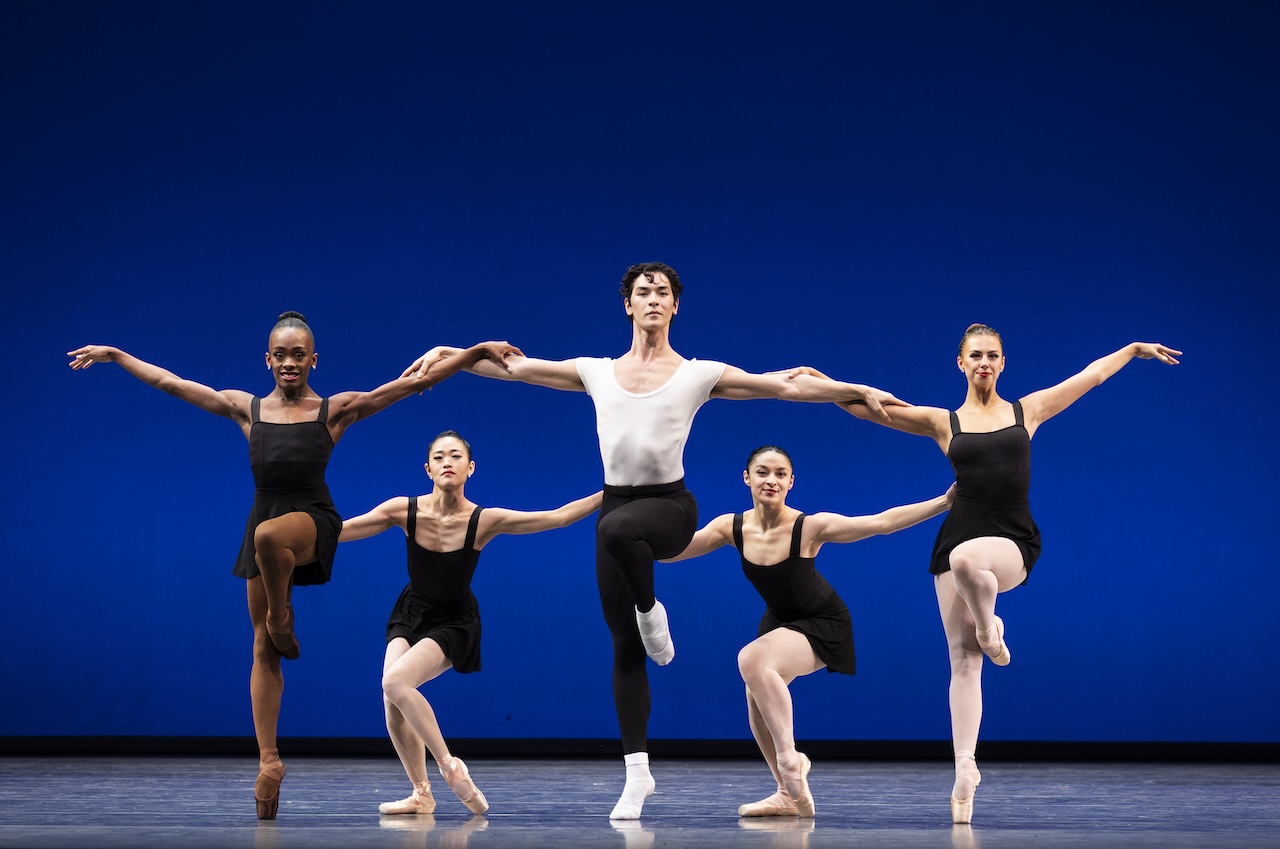
Unsurprisingly, PNB has experienced greater challenges with casting for classical ballets than for new creations. ‘We’ve had stagers come in that are quite apprehensive,’ says Boal. ‘But I don’t think it’s their business to know the gender identity of the people executing the choreography. It’s our job to dance the steps to the standard the ballet requires. End of sentence.’ One classical milestone was Edwards’ first Aurora in The Sleeping Beauty in February 2025. ‘They had worked so hard. It was a great moment.’
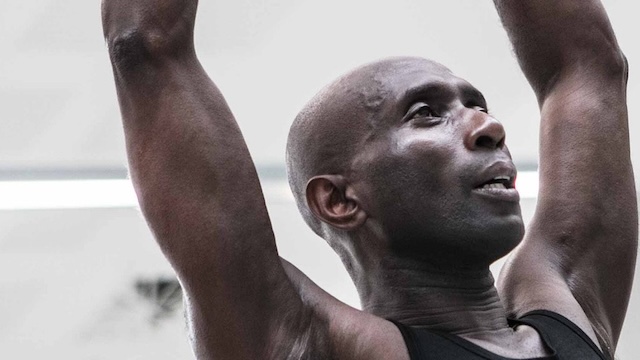
Another Fonteyn favourite was Leroy Mokgatle, who at 15 won both the gold medal and the Audience Award when the competition (then called the Genée) was held in London in 2015. A decade on, Mokgatle is non-binary and uses she/her pronouns. Now a Staatsballett Berlin demi-soloist, she originally trained as a male-gendered dancer in South Africa, but began studying on pointe at the European School of Ballet in Amsterdam.
‘It came very naturally to my physique, and was more suitable for me artistically,’ she says, describing herself as ‘a lot more feminine than the other guys.’ For a while, Mokgatle considered taking growth hormones and bulking up at the gym to increase her chances of male roles, yet support from teachers and fellow students helped her realise she wanted to pursue a career dancing female, or ‘en pointe,’ roles. ‘I wasn’t openly gay at the time, but I wasn’t in the closet either. It went hand in hand with how my life was changing.’
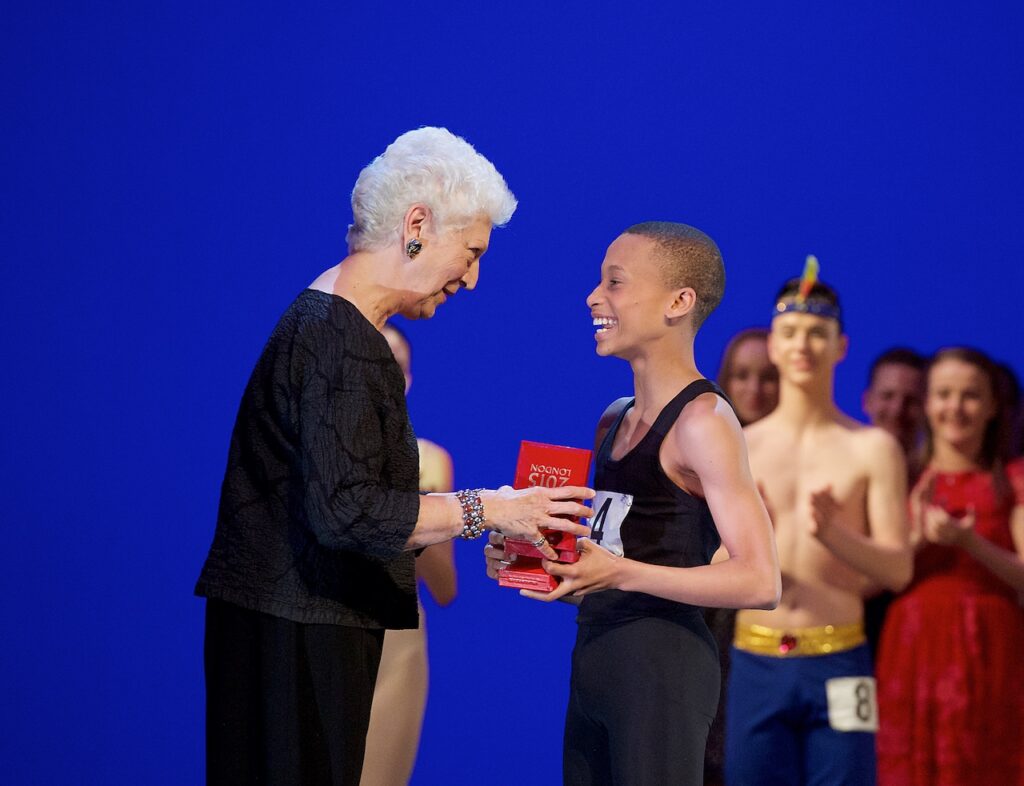
During her first professional contract with Béjart Ballet in Switzerland, Mokgatle asked Christian Spuck – then director of Ballet Zürich – about his thoughts on welcoming non-binary dancers. ‘I immediately had the feeling he was open to it,’ she says, explaining that she joined Ballet Zürich after auditioning on both pointe and flat. Spuck was keen to discuss solutions to any potential challenges Mokgatle might face. Later, as Artistic Director at Staatsballett Berlin, he introduced a more inclusive environment; Mokgatle joined the company in 2023. Classes are divided into pointe and non-pointe work, three bathrooms in the company’s facilities accommodate different gender identities, and Mokgatle’s costumes are adjusted to provide a more feminine cut and additional padding.
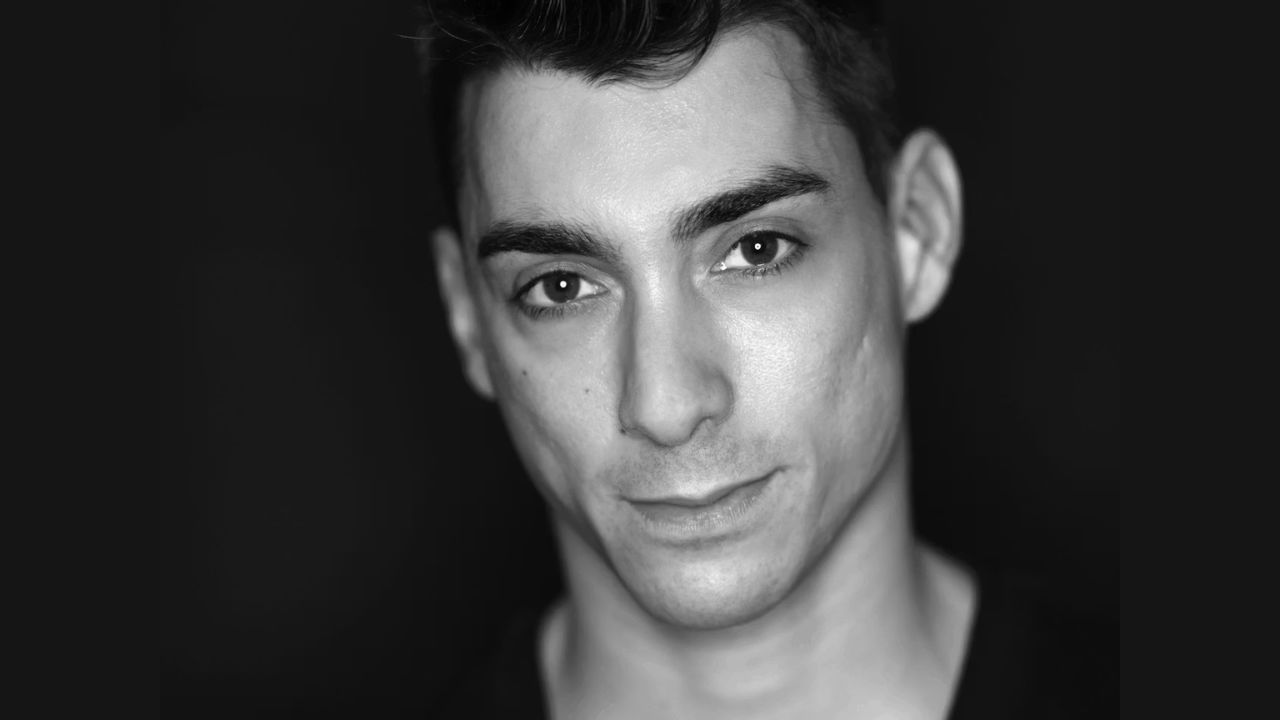
‘Ballet shouldn’t be about fitting in – it should be about broadening the spectrum’
Leroy Mokgatle
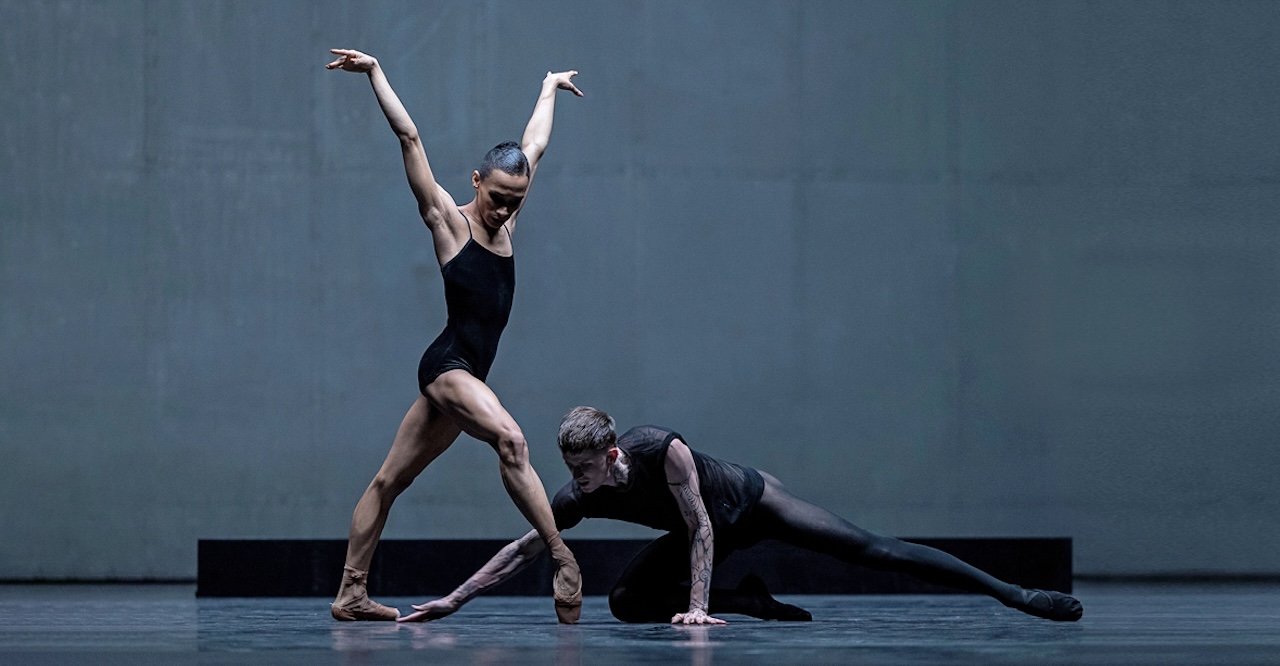
Despite this support, the road hasn’t been easy for Mokgatle. ‘The Eurocentric standard of what a female-identifying ballerina should look like is brutal,’ she says. And for non-binary performers, expectations are even more layered. ‘We’re expected to fit in aesthetically with the ladies. But it shouldn’t be about fitting in – it should be about broadening the spectrum and including all body types.’ Reaching a level of classical technique that feels on par with her fellow pointe dancers has been another significant challenge, which Mokgatle appreciates as a rite of passage. ‘We can’t just walk into a space and disrespect all the work women have done for generations. We have to be initiated,’ she says.
That initiation has paid off, as Mokgatle has performed roles she never imagined. These include dancing one of the fairies in The Sleeping Beauty, or the Four Small Swans and pas de trois in Swan Lake. In neoclassical work, which Mokgatle feels her body is best suited to, she has particularly enjoyed performing William Forsythe’s Blake Works and Approximate Sonata. ‘If I was born a few generations before I’d have been dancing in Frankfurt with Forsythe for sure,’ she says, wryly. As it is, she has just won the Theater Gemeinde Berlin’s Daphne Prize for an outstanding young performer.
Looking back, Mokgatle laments not having had the opportunity to perform a pointework variation when competing at the Prix de Lausanne in 2016. Although she won the Scholarship and Audience Favourite Prize, ‘I felt like there was another side I could express. We were just so limited at the time.’
There are still hurdles to overcome, yet the RAD’s new approach to variation classification is a significant step towards allowing that freedom of expression for all dancers. The one piece of advice Mokgatle would give to aspiring candidates, and non-binary dancers in particular? ‘Remember the true reason you’re there – to better yourself, and to improve your artistry to the level it cannot be questioned.’
RESOURCES
Emily May is a Berlin-based arts writer and editor specialising in dance and performance. Her work appears in publications including The New York Times, Financial Times, TLS, Frieze and ArtReview.