Remember to dance

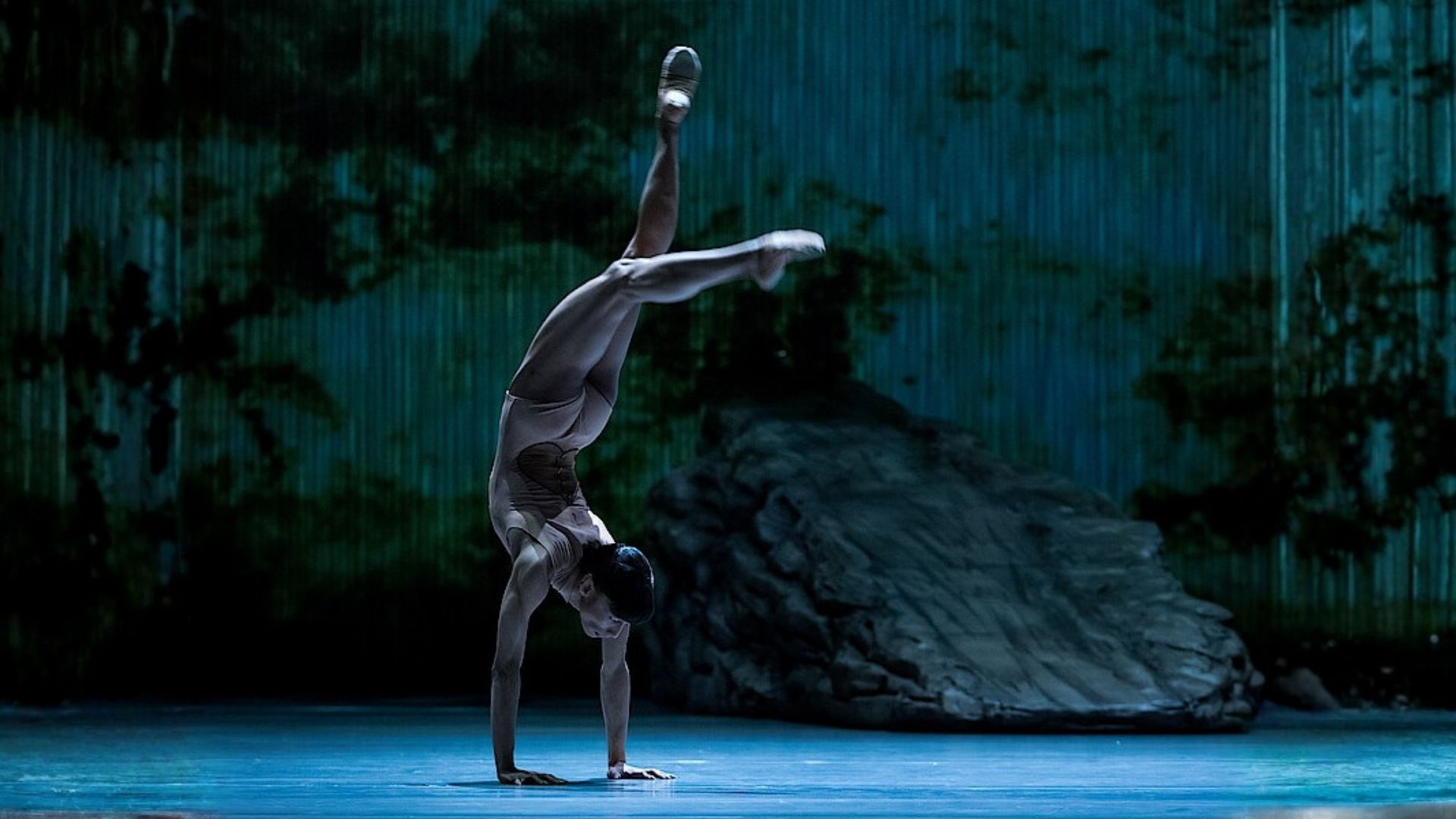
How can young dancers unlock their energy on stage? Alexander Campbell suggests some tips from his own performing experience.

Towards the end of last year, I had the pleasure of working with RAD students in the Margot Fonteyn International Ballet Competition and the Bedells Bursary. It was an uplifting and motivating experience, and I am grateful for the commitment, energy and passion that they brought to proceedings. 

As well as observing the participants in a ballet class and their chosen classical variations, we also watched them perform their Dancer’s Own variation, a piece choreographed for or by them – and a wonderful opportunity for them to demonstrate their skills.

We have recently changed the requirements for Dancer’s Own: people no longer need to perform the variation in pointe shoes should they have already opted to perform their classical variation en pointe. We hope to allow participants greater freedom to demonstrate their personal strengths and skillset, and to match the realities of professional ballet dancers today – they need to be able to do everything!

As I worked with the students last year, it struck me that virtually all of them presented much more confidently in their Dancer’s Own than in their classical variations. I’m not talking about whether or not they were smiling – it was in the way that they engaged their whole body, attacking movements and space with an energy and zip that wasn’t always evident in their classical work.

‘I wonder if we too often focus on not getting things wrong, rather than using our energy and dynamics’

Why is this the case? Of course, ballet’s technical demands are specific and very difficult to get right. But I wonder if we too often focus on not getting things ‘wrong’, rather than giving ourselves the best possible chance of achieving the difficulties by using our entire bodies, the energy and dynamic from the movements that come before and after a particularly tricky step or section. Learning to harness momentum has, in my experience, been key to unlocking those challenging passages. 

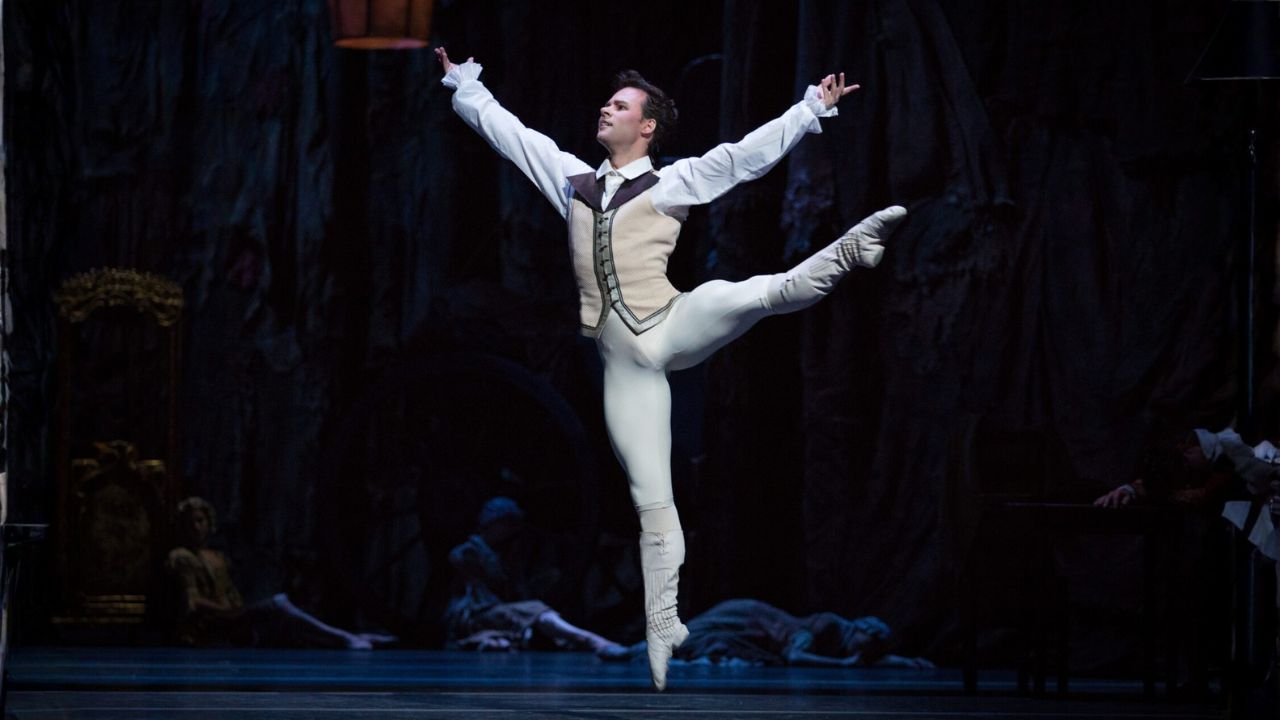
It may sound simple, but when I was struggling in my career as a dancer, I would often tell myself: ‘Remember to dance’.  It brought me back to the essence of what I was doing, prompting me to listen again to the music or to think about my character. When I aimed to stick the pose arabesque as Des Grieux in Manon, for example, was I trying to display my own flawless technique or was I demonstrating the character’s growing confidence as he approached Manon? Focusing on these things helped me remember what the choreography and steps were designed to do – to allow me to dance! I look forward to many more RAD dancers sharing that confidence and freedom in this year’s competitions.
SEND YOUR FEEDBACK
Previous
Why Dance Matters post

Evie Templeton

Dance Gazette

Read more

REST OF Issue 15 – Feb 2026

Inside RAD post Inside RAD

Celebrating Pavlova

Spanish choreographer Avatâra Ayuso’s latest ballet is about the famed dancer Anna Pavlova. She discusses elevating women in dance, reimagining Pavlova – and the RAD’s role in her research.

Dance Gazette

RAD Q&A post RAD Q&A

Daniel Kraus

After a performing career with English National Ballet and others, Daniel Kraus achieved the Professional Award and Diploma in Benesh Movement Notation with Benesh International. Now a choreologist at the Royal Ballet, has Benesh changed the way he sees dance?

Dance Gazette

Big Picture post Big Picture

Sir Peter Wright

The producer, director and RAD Vice-President turns 100 later this year.

Dance Gazette

Playlist post Playlist

Aletta Collins

Aletta Collins is about to choreograph a new production of Strauss’ opera Salome – including the infamous Dance of the Seven Veils. But what music means most to her?

Dance Gazette

Advice Bureau post Advice Bureau

Paul Liburd

Curiosity and enjoyment: the keystones of advice from the dancer, teacher and judge of the Bedells Bursary 2025.

Dance Gazette

Why Dance Matters post Why Dance Matters

Evie Templeton

The star of the hit Netflix series Wednesday on RAD training and dancing with Lady Gaga.

Dance Gazette

features

A whole new world

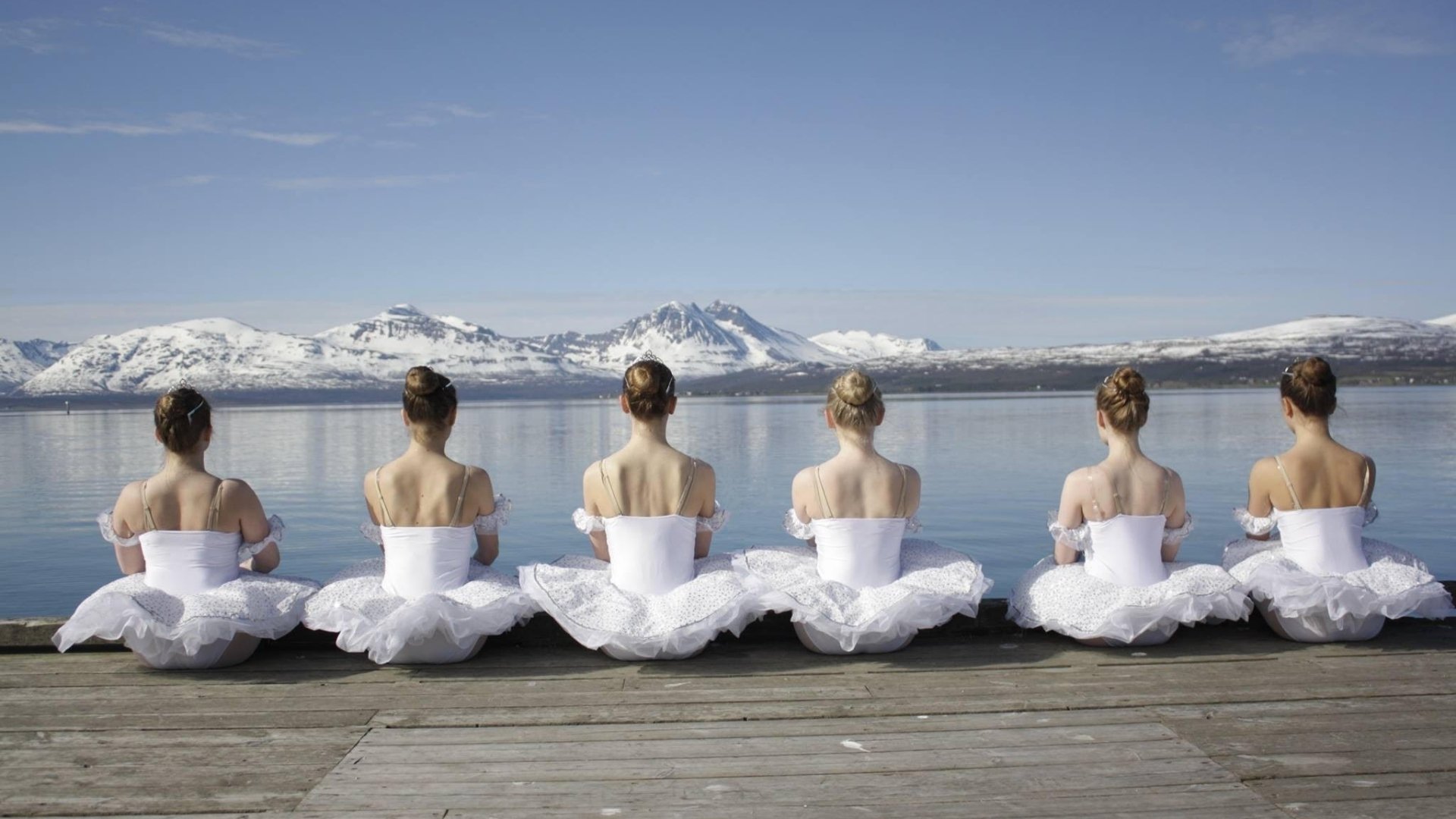
RAD exams are held across the world. Natasha Tripney goes in search of four far flung schools – including the most northern and southern locations for RAD exams – to learn why these milestones matter to them.

Natasha Tripney

interviews

Defying gravity

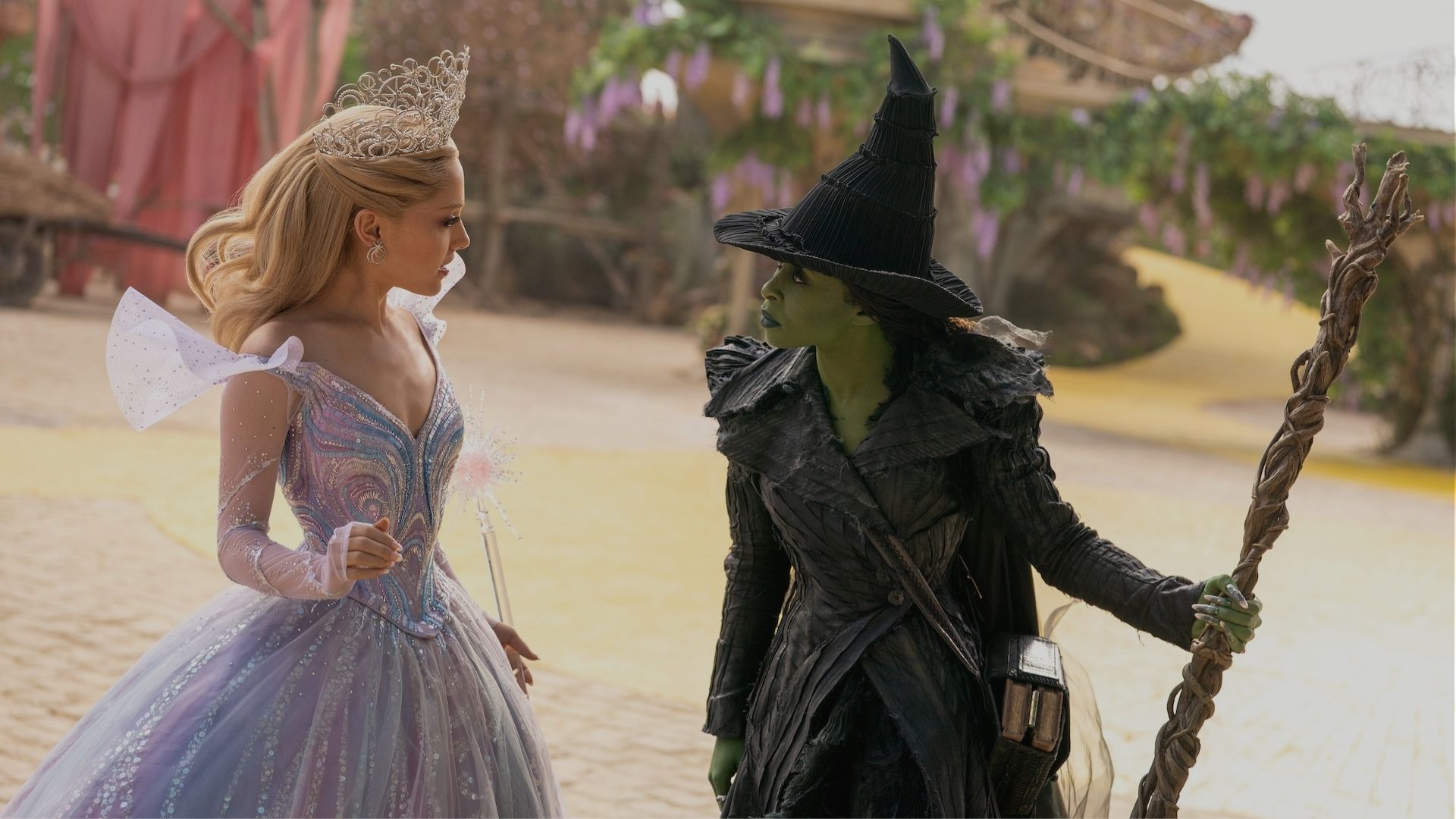
From tap dancing on the street to making Wicked move – choreographer Christopher Scott is an advocate for all kinds of dance. But, asks David Jays, doesn’t he crave an Oscar?

David Jays

features

Baby steps

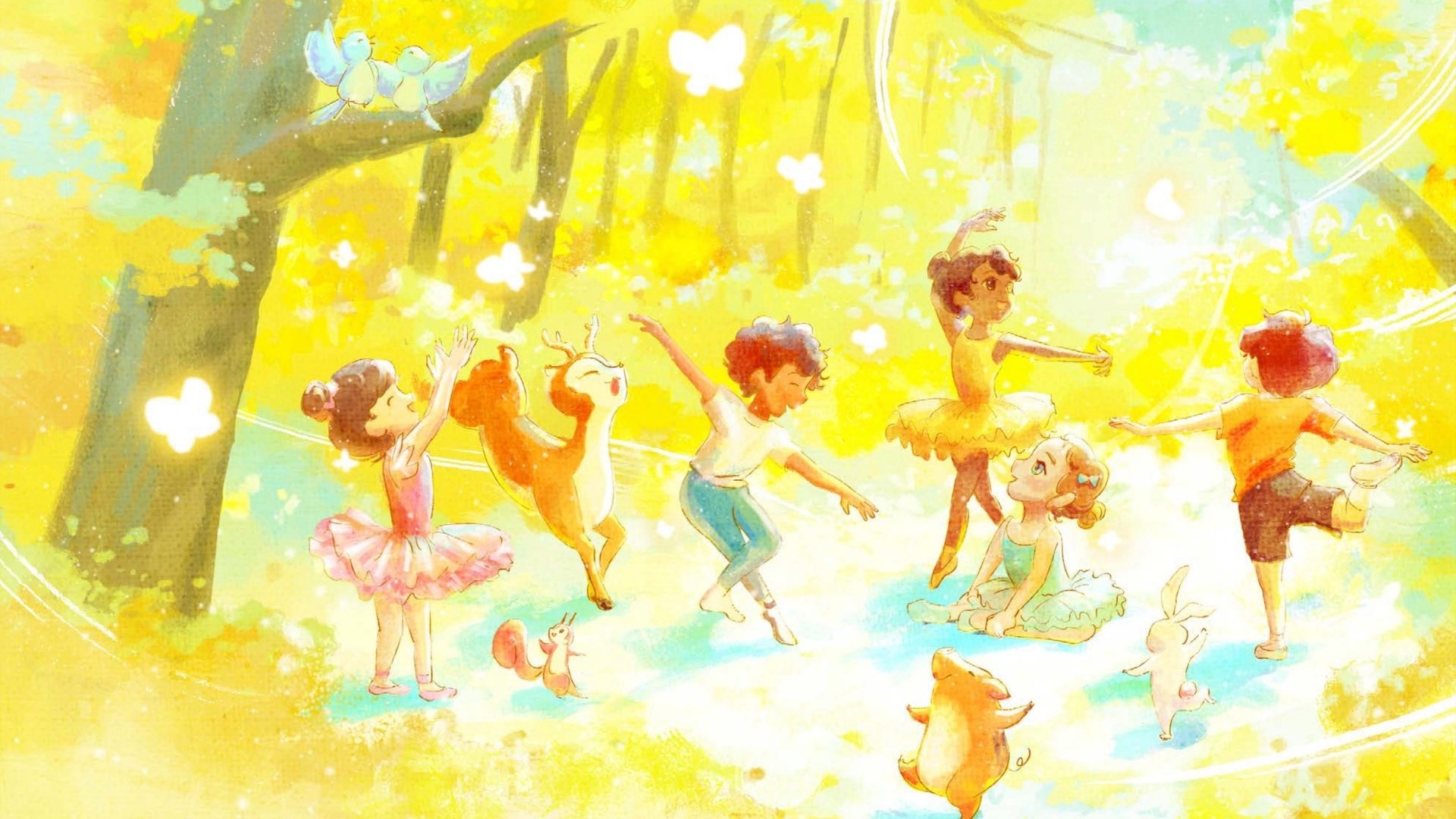
How do you introduce very small children to dance? Lyndsey Winship meets the teachers awakening young imaginations.

Lyndsey Winship

reports

Pointe of departure

Solos in the RAD’s flagship competitions are now classified as with or without pointework rather than male and female. Emily May explores what this means to dancers, and how it reflects change in the wider ballet profession.

Emily May

interviews

Art surgery

Art is good for you, says Professor Daisy Fancourt – aiding both physical and mental health. She explains her ideas to Anya Ryan – and you can read an exclusive extract from her new book.

Anya Ryan

reports

Up from the streets

Tens of lost, orphaned and runaway children arrive each day at India’s New Delhi rail station – all hoping for a better life. Sally Howard visits a project that’s making their dance dreams come true.

Sally Howard