There aren’t many careers where you’re considered ‘older’ once you pass 30 and a ‘veteran’ if you make 40, but the life of a professional dancer is a brutal and physically demanding, albeit immensely rewarding one.
For those of us who enjoy dancing as a pastime or means of staying fit and socially connected, dance is an enormously fulfilling pursuit that can be enjoyed into your 70s and beyond. But our bodies change over time, resulting in vastly different physical and mental health challenges at each stage of a dancer’s life: whether you’re a principal artist with the Royal Ballet or simply taking evening classes at the local scout hall.
I spoke with three experts who work with dancers’ physical and mental health to explore the challenges dancers face at every stage of their dancing lives: from childhood to old age.
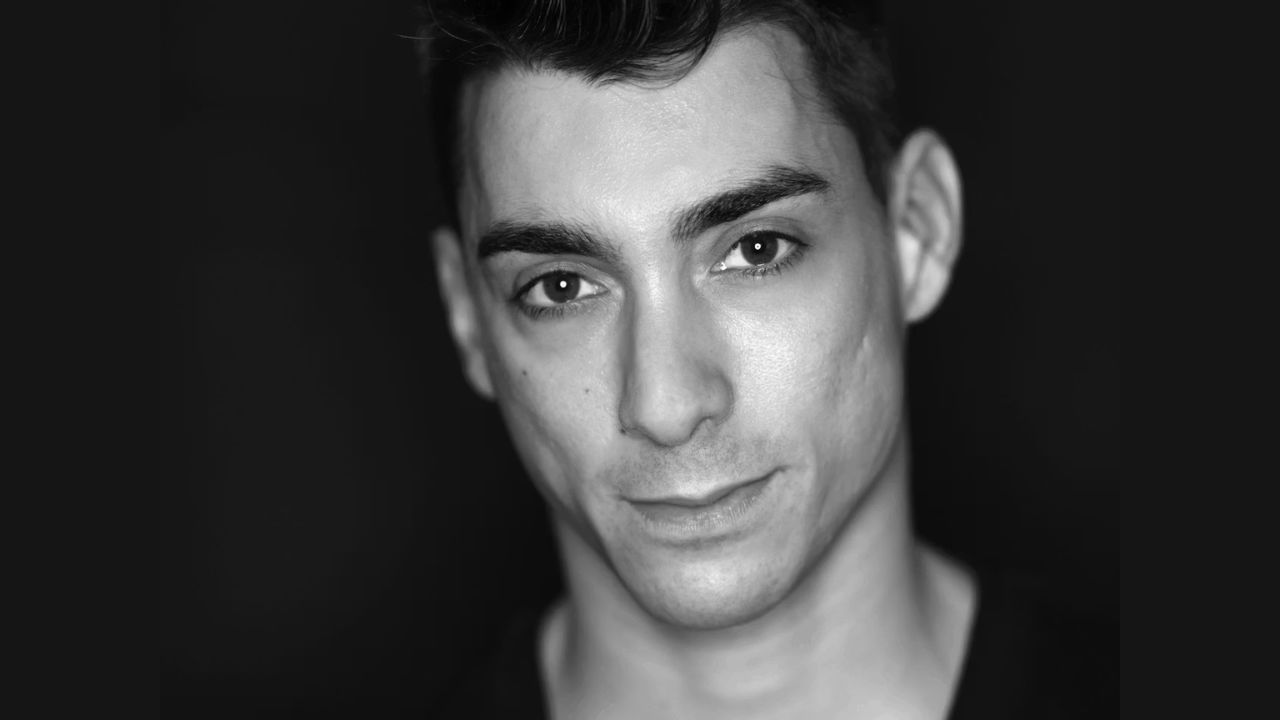
Michelle White was a keen young ballerina, until injuries steered her towards a career in dance physiotherapy. She joined Queensland Ballet (QB) in 2018 as a company physio and in 2023 became Head of Performance Health. She is also studying for a Masters of Health and Medical Research.
Dr Rachel Ward, a former professional dancer, has numerous tertiary qualifications and is Associate Professor in the Department of Health Sciences at Sydney’s Macquarie University. She is also the founding director of Reward Dance where she teaches the RAD’s Silver Swans ballet programme.
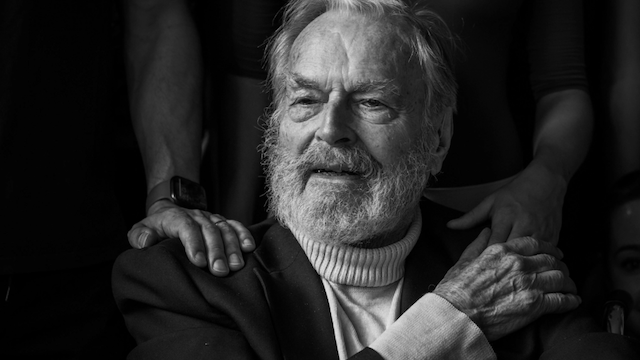
Terry Hyde has been immersed in ballet his whole life, performing with the Royal Ballet, London Festival Ballet (now English National Ballet) and in musical theatre. He pivoted into financial and business management, then retrained as psychotherapist/counsellor, launching Counselling for Dancers in 2016.
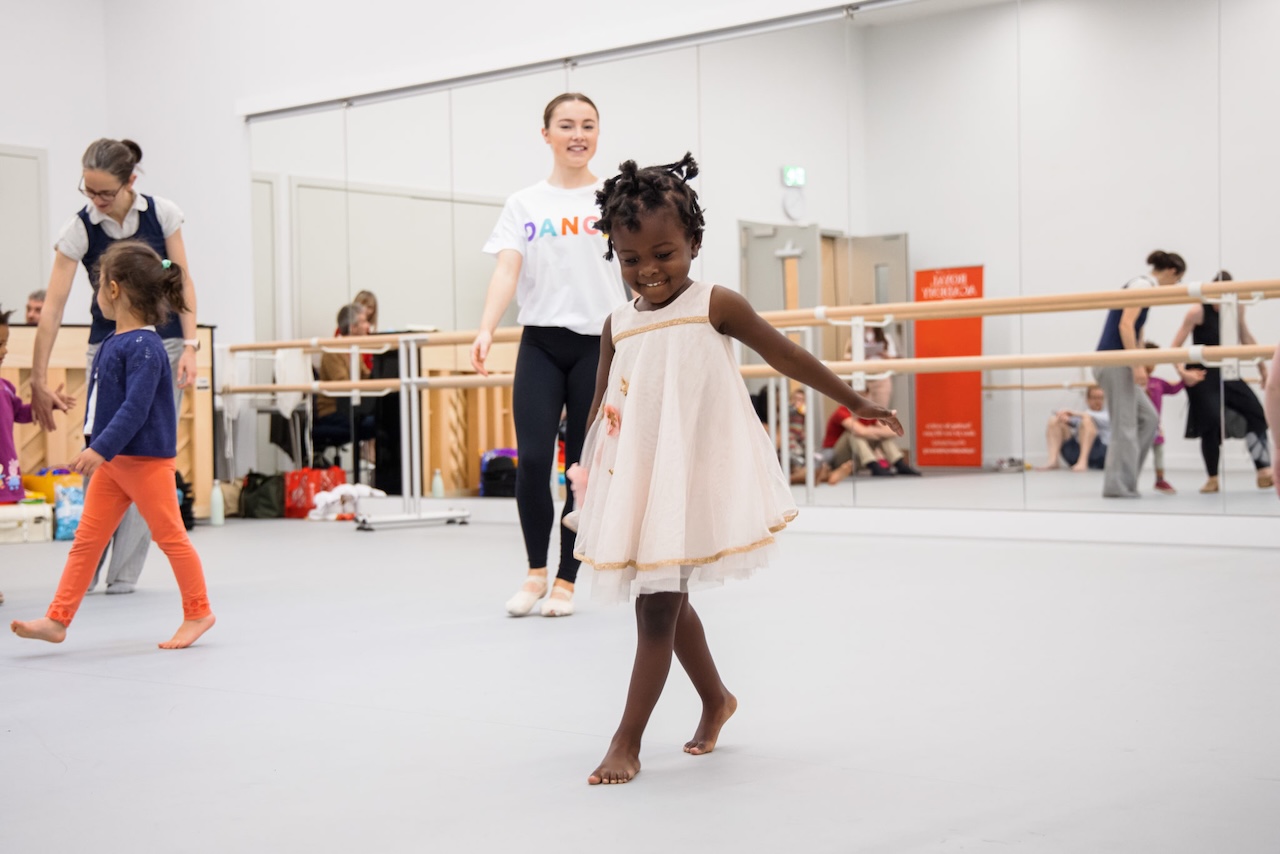
Develop and grow: toddlers into adolescence
For young dancers, the biggest and most constant health challenge is growth: bones, muscles, tendons, coordination and flexibility are constantly changing, and the onset of puberty only exacerbates this. We all grow and develop at different rates, which becomes particularly relevant as students prepare to go en pointe.
‘Pre-pointe assessments are key, and the challenge for kids is to build enough strength to be able to cope with pointe shoes. Sometimes that can be disappointing if they’re not quite ready,’ says Michelle White. ‘Posterior ankle impingement or metatarsal overload [are common injuries] if their feet aren’t strong enough to take the load.’
Common mental and physical health challenges for adolescents includes their daily juggle. Without access to an in-house health team they need to manage their own injuries – physios may give them additional exercises while they’re also managing schoolwork and after-school sport. ‘Their mental load comes in through managing mental fatigue, school-related stress and trying to become a dancer,’ White says.
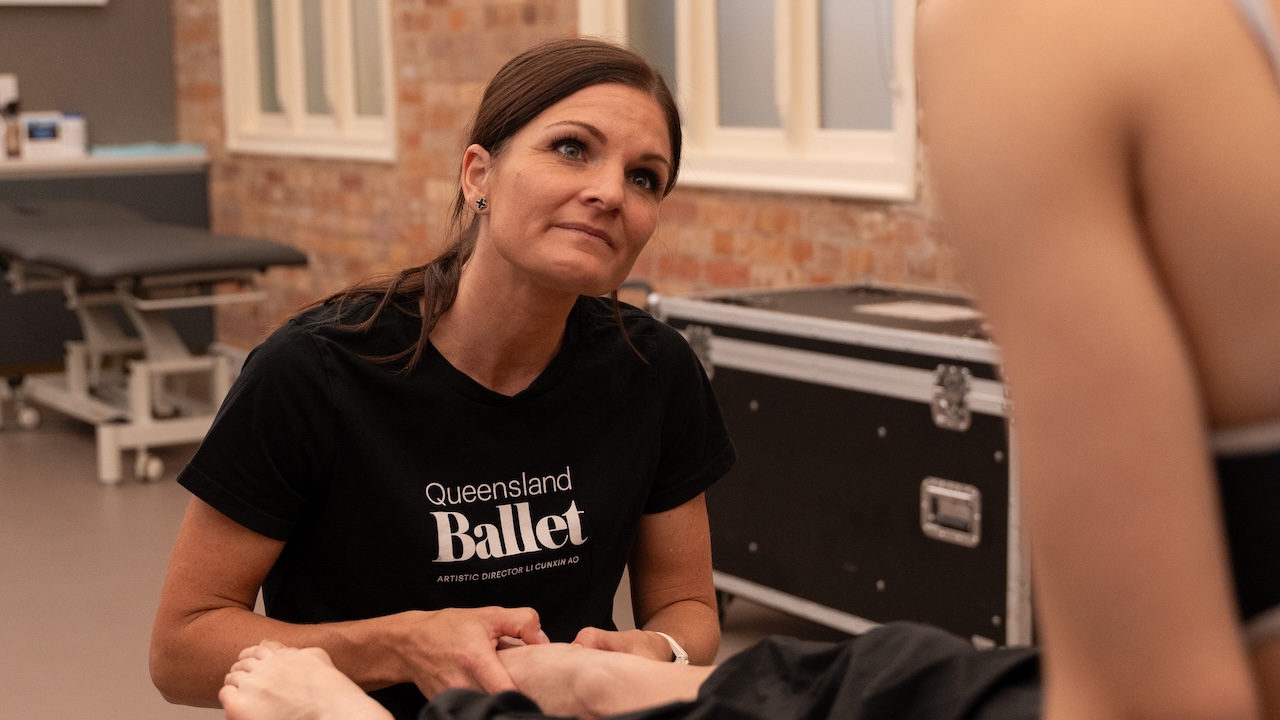
‘We try to focus on prehab – preparing dancers as best we can’
Michelle White
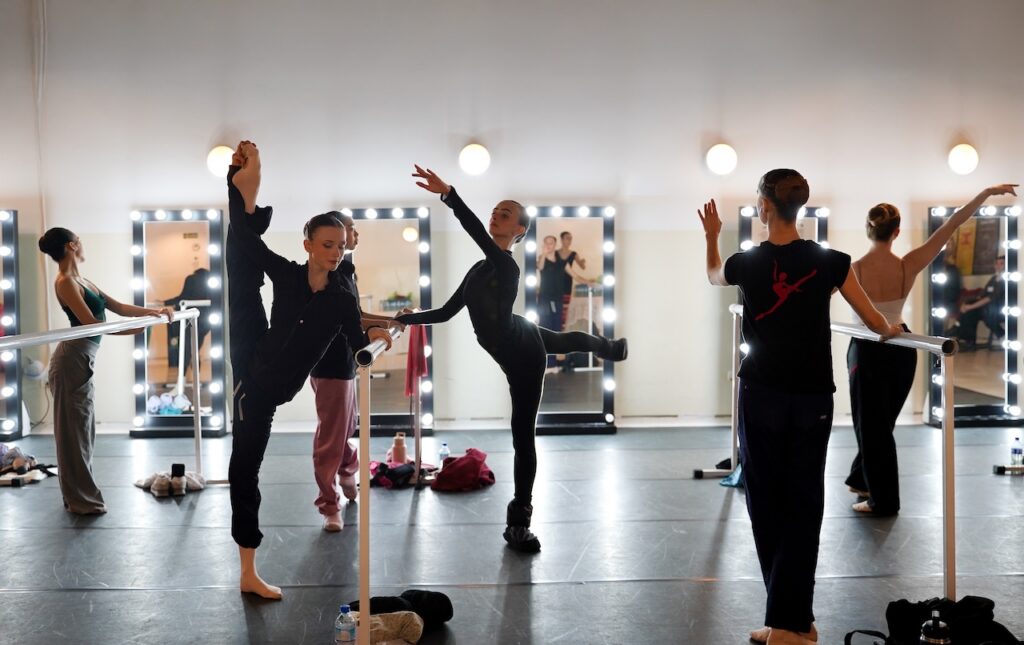
Rest and recovery: professional dancers
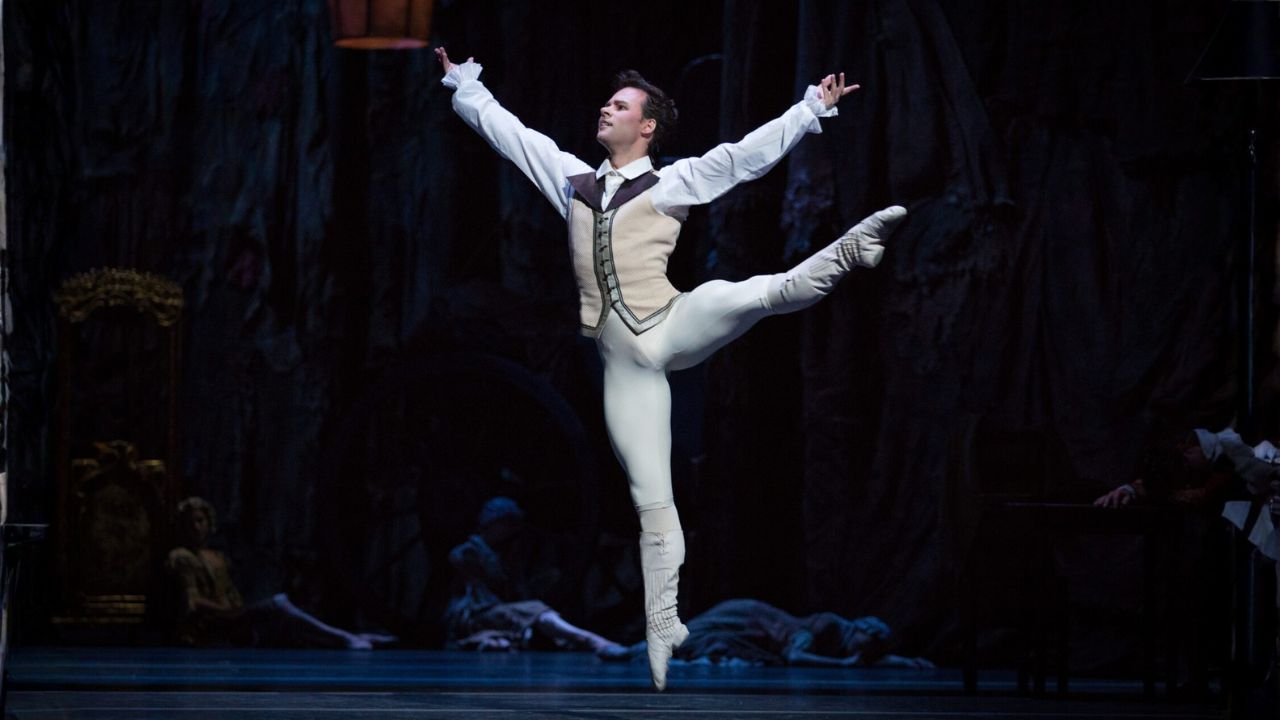
Classical ballet for professionals is repetitive and relentlessly demanding. Companies typically rehearse several different productions during the day while performing at night, so prioritising rest and recovery is challenging. Nutrition and sleep are key. At Queensland Ballet, ‘our team tries to focus on prehab – preparing the dancers as best we can for the upcoming season as the repertoire varies from classical to contemporary,’ says White.
Foot and ankle injuries are most common, including jumping-related damage, particularly with classical repertoire. The annual crowd-pleaser The Nutcracker, for example, requires the rats to run en pointe, so ‘making sure their calves and feet are as strong as possible and they’re not too fatigued by year’s end is important.’
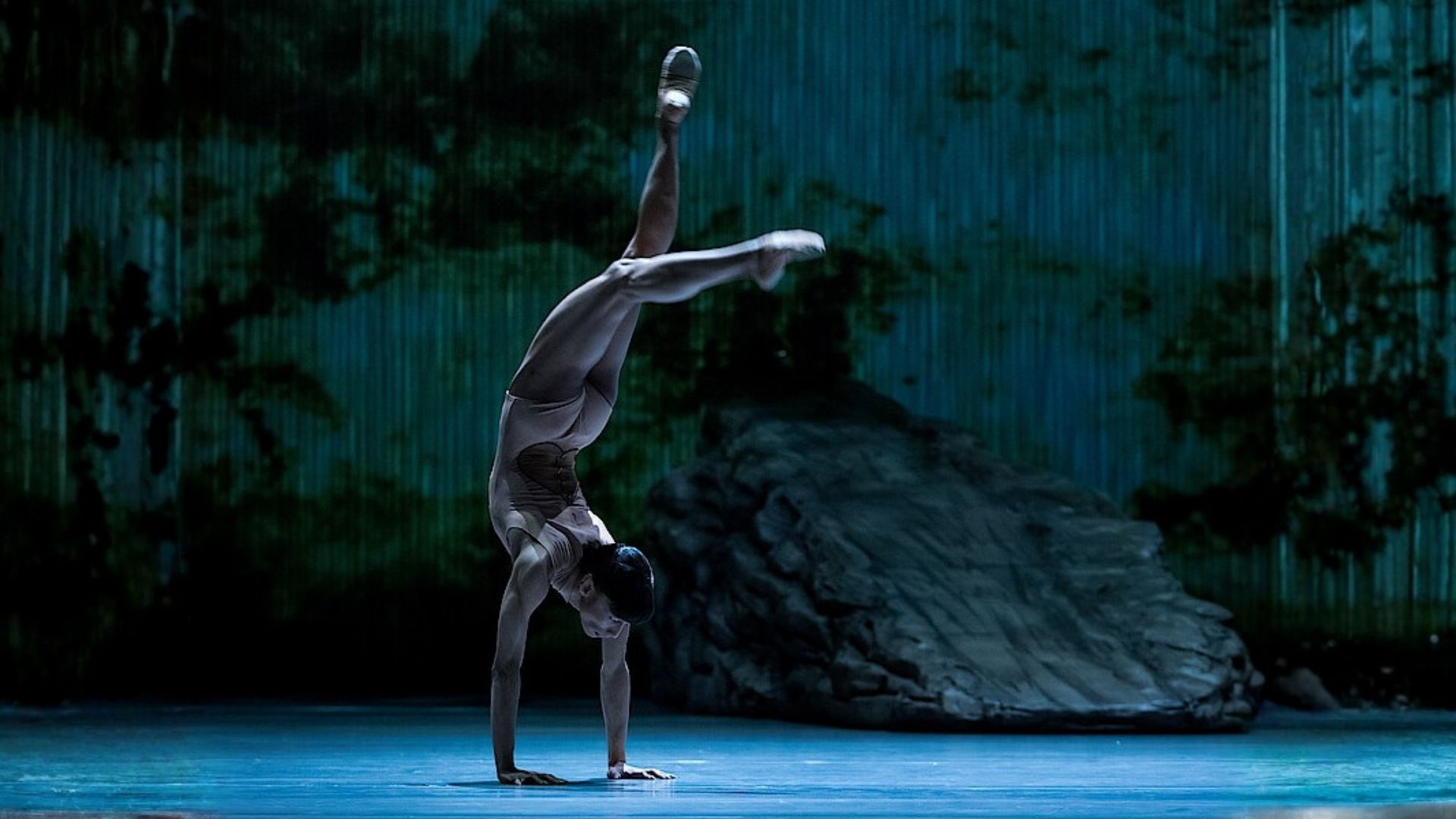
Contemporary work may see more back and neck injuries resulting from extreme movements (deep lunges, big backbends, non-standard lifts), leading to thoracic fascia, joint and irritational injuries. ‘The valuable part of having a health team on site is we can pick up dancer niggles before they become injuries and have open conversations with the artistic team,’ says White.
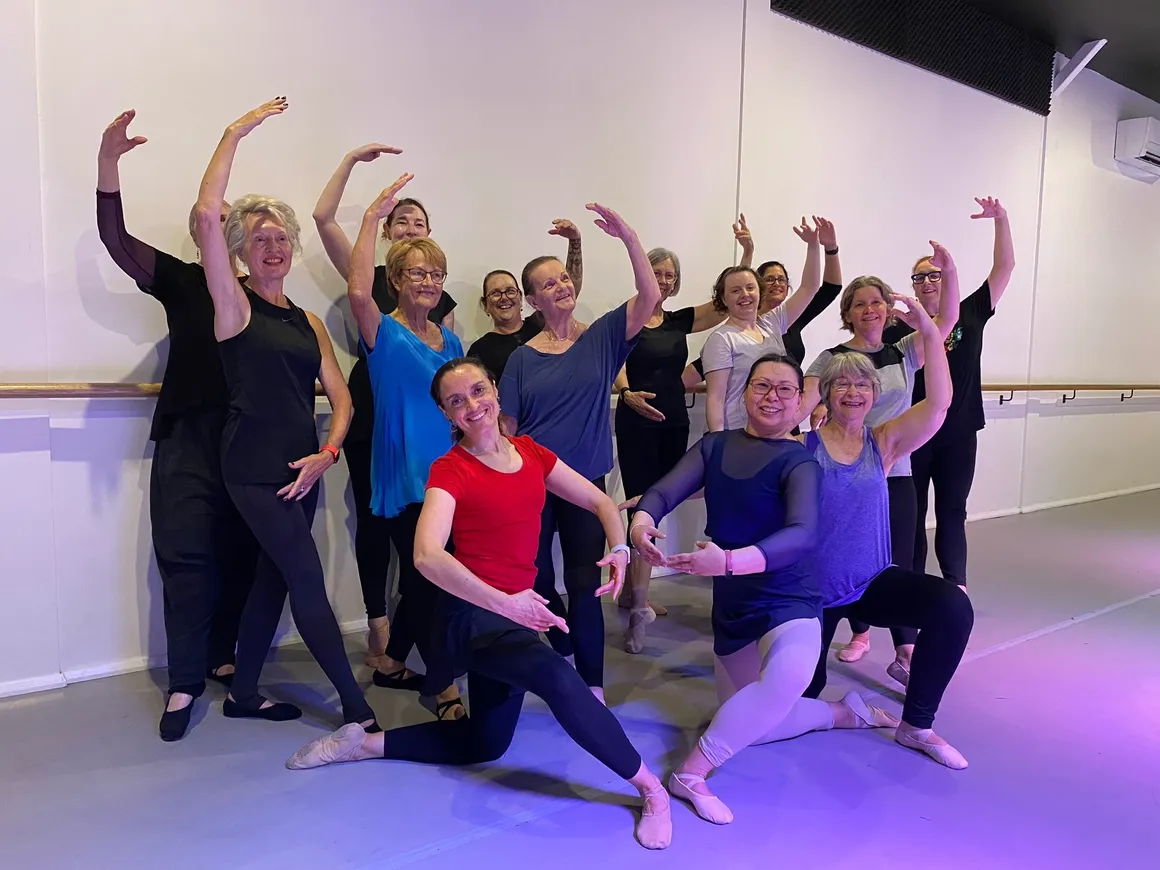
‘Ballet is bodyweight strength training’
Rachel Ward
Overcoming the fear: older dance students
There are myriad definitions of ‘older’ when it comes to dance: the RAD’s Silver Swans, for example, is for people over 55. Recently there has been a welcome increase in seated dance for people with restricted mobility or balance issues. Rachel Ward has taught Silver Swans classes since 2018 and looks to fill what she sees as a gap in the market for peri-menopausal and menopausal women who are still relatively young, fit and keen to address some of the issues caused by their rapidly changing bodies, through dance.
‘As we age there’s an inevitable decrease in muscle and bone strength and balance,’ she says. ‘For [middle-aged] women, combined with a reduction in oestrogen and progesterone there are also changes in metabolism and body composition.’ Common physical challenges and health niggles include joint degeneration (knees and hips) and tendonitis linked with hormonal changes that can cause muscular weakness. Osteopenia and osteoporosis are also common.
If that sounds depressing, there’s good news: dance is a very effective – and enjoyable – solution. It offers ‘resistance training and cardio to maintain muscle strength and build bone mineral density,’ says Ward. Her classes for students over 70 involve jumps such as changement and échappé in addition to strength work at the barre. ‘Ballet is bodyweight strength training,’ she says.
No less important is the cognitive benefit that comes with taking on a new physical and mental challenge: remembering physical combinations, developing spatial awareness and social connection. ‘Dance covers all those health domains: physical, psychological, social and cognitive. And for people who haven’t danced before, it’s overcoming the fear of doing something new.’
Positive change: mental health challenges
As a professional dancer-turned-psychotherapist Terry Hyde is well-placed to know the myriad mental health challenges that can accompany life as a dancer.
Traditionally, professional dancers are instructed to be mentally and physically tough and to conceal pain. ‘We’re taught from a young age: it’s a tough career, you’ve got to work through your injuries, work through your mental health issues, that showing them is a sign of weakness,’ Hyde says. ‘Dancers grow up with fear, they’re trained in fear and perform in fear, as professionals.’
He is pleased to see this changing, as he witnessed recently when leading mental health self-care workshops for teachers and trainees through the RAD. While graduating dance teachers treat their students and dancers with more respect, dancers themselves increasingly assert their right to better treatment.
Among adolescents, eating disorders and anxiety stemming from perfectionism are something Hyde treats regularly, although he argues anxiety is a symptom: ‘a psychotherapist will work with what’s going on underneath.’ He believes social media has a huge amount to answer for in mental ill-health among adolescents. ‘It’s terrible for comparison,’ he says, asking how many times someone records themselves before posting their perfect pirouettes. ‘It’s not real. And it’s nice to see some professionals now posting their mistakes.’ He derides a growing obsession with dance competitions, shared widely on social media: ‘it creates hell for people with performance anxiety.’

‘Therapy was the best thing I’d ever done because I worked through all the rubbish’
Terry Hyde
Injuries too can affect mental health. Left untreated, Hyde says, the mental fallout from injury can result in overwhelm, burnout or depression. He also believes that dance attracts a high percentage of neurodiversity, including ADHD and autism, given the comforting regularity and predictability that accompanies dance training. ‘Dance is very black and white – you’re either in the right or wrong position – and repetitive. Anxiety creeps in when you’re out of control – changes to the rehearsal room or in casting. Things have to be in the right place.’
Performance anxiety is common among professional dancers, while for mature professionals there’s often difficulty accepting age and lost flexibility, strength and endurance. ‘It’s about accepting the body you have now isn’t the body you used to have,’ says Ward. ‘The muscle memory and skill are still there but your muscles, joints and bones are different and can’t necessarily do what you want them to. It’s a definite mental health challenge.’
Preparing for retirement can bring with it a huge loss of identity, the tightknit circle of friends and colleagues you have worked with for decades suddenly gone. ‘There have been times when dancers are carrying long-term injuries and we’ve had to suggest they might look at options other than dance,’ says White. ‘From a physical perspective we make sure they finish well, providing contacts for external health care.’
Hyde initially dismissed the weekly therapy sessions he had to undergo in his Jungian training. ‘But I hadn’t dealt with the grief of losing my identity as a dancer. I buried it and would walk out of the room if dance came on the television. Therapy was the best thing I’d ever done because [I worked through] all the rubbish and negative things that had built up.’
Positive change is slowly emerging: the stigma of mental health is abating, and dancers are becoming more open. All the experts I spoke with agreed on the need for equitable access to mental health support, alongside open discussion. ‘That’s what I’m aiming for,’ Hyde says, ‘that you talk about going to your therapist the way you talk about going to the gym. That would be wonderful.’
Watch
Ballet for Seniors at Queensland Ballet
RESOURCES
Jane Albert, an author and journalist specialising in the arts, is a regular contributor to The Australian, Good Weekend, Limelight and 10 Magazine, among others.
Sing Yun Lee is an artist and illustrator based in Essex specialising in painting, drawing and collage.