When did you start dancing?
My mother was director of the conservatoire of dance in Madrid. I started ballet when I was eight years old, but wasn’t taking it seriously – it was decided that I didn’t have enough grit or commitment to be a ballet dancer. But when I was around 13, I asked for a second chance. A few years later, the Royal Ballet performed in Madrid and held auditions for the Royal Ballet School. They gave me a scholarship, I came to London – and 27 years later, I’m still here.
Did you have the dance career you hoped for?
Oh, much more than that. I had a wonderful career and got to a level that I never thought possible. When I retired from dancing during lockdown, I left with my heart full.
Did you encounter Benesh as a dancer?
We had a fantastic choreologist at English National Ballet named Yuri Uchiumi – I was impressed at how meticulous she was in all her rehearsals. Even back then, I thought: if I’m ever a repetiteur, that’s how I want to be. When I was thinking about retiring, I told my then director, Tamara Rojo, that I wanted to teach the company’s rep. She said it’s a good idea, but it would be great if you studied Benesh first. Something clicked, like, this is meant to be.
Does notation involve a different way of thinking?
Rudolf Benesh was a mathematician, so it’s very analytical. As a dancer, you think in a more visual way, so Benesh allowed me to think about movement in a different way.
At first I found the training extremely hard – not just the notation, but finding time to study when I was still dancing. Benesh itself was really hard at the beginning: you’re learning a whole new language with its own specific vocabulary and rules. Luckily, I had fantastic teachers at Benesh International who were with me every step of the way.
Has learning BMN changed the way you think about ballet?
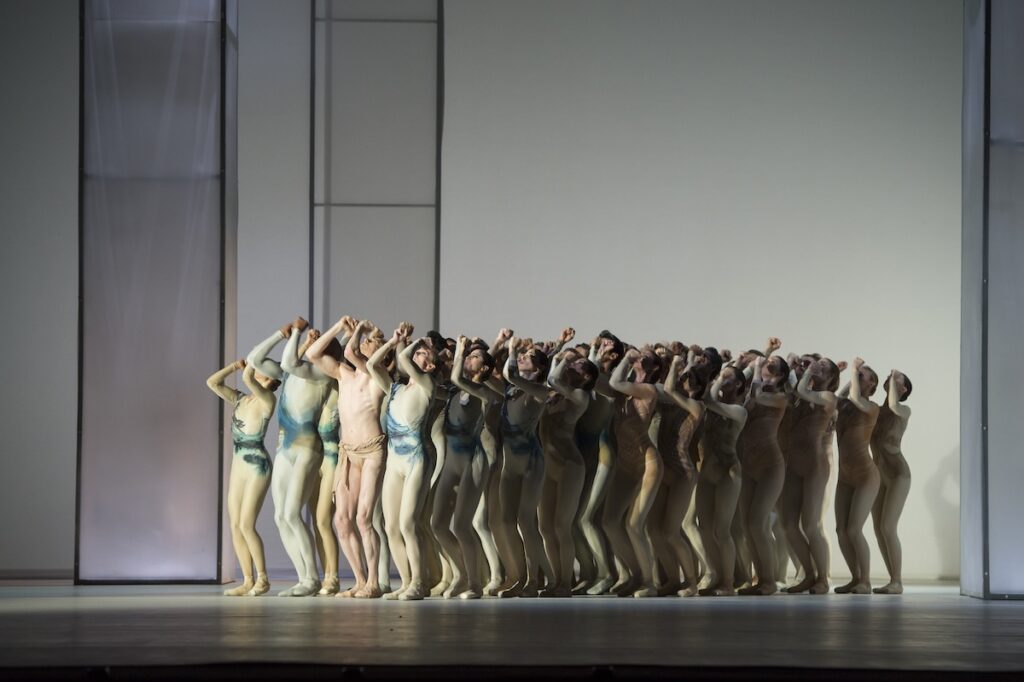
As a dancer, you know the story and you know your part, and that’s it. As a choreologist, you have a more complete view of a ballet – everything from music to props, lighting and sets, and you need to know every single part. Now I see what’s on the paper – especially in the big numbers and group pieces with intricate patterns. I think in lines, dots and dashes.
You have been involved in the Frederick Ashton Foundation Shadowing Scheme – what are the challenges with Ashton’s ballets?
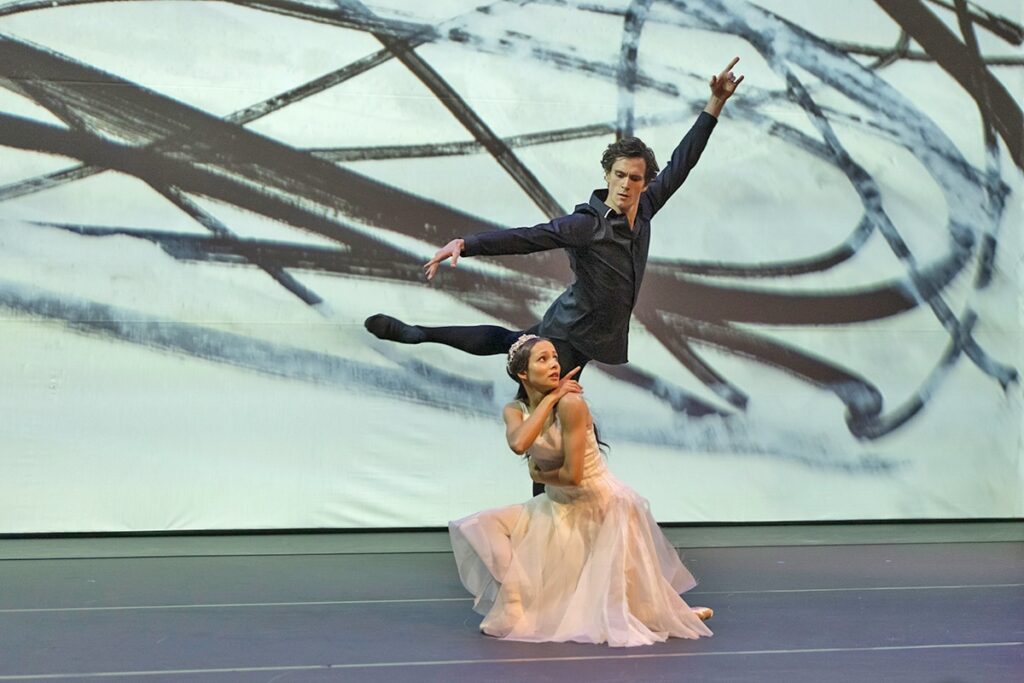
A lot of Ashton is not notated. We have to decipher the surviving notes, which has been really interesting, especially with Hamlet and Ophelia, which was one of the first things we did with the Ashton Foundation. Annotation is a live document. Nothing is set in stone and you have to be open minded, though I always try to go back to the original as much as possible. That’s why notation is so important.
What are the highlights of your notation career?
The first time that I taught anything for the Royal Ballet is a day I’ll never forget. It was the prologue for The Sleeping Beauty. At my first rehearsal, I had the whole ballet staff, Kevin O’Hare (the director), and everybody watching me. I thought, if I survive this, I’ll survive anything. Luckily, it went well.
Another highlight was teaching MacMillan’s Requiem – it’s such a beautiful piece. When you’re a notator or repetiteur, you’re so involved in counts and steps and making sure that people are in the right place, so it’s hard to take a step back and watch the piece as a whole. I remember watching the opening night in awe. It was almost a religious experience.
Notating Crystal Pite was a challenge. I wasn’t used to notating contemporary work or big groups that move in such a specific way. I also loved staging Ashton’s La Fille Mal Gardée last year. I felt a lot of responsibility and made sure that I learned it properly, to pass on all this knowledge from generations. I wanted to do a good job.
What advice would you give a dancer who is considering training in BMN?
Benesh is an incredibly powerful tool for anyone who wants to become a repetiteur or stager or learn more about the history of a piece. If you want a more complete, clear and precise way of staging a ballet, then learn Benesh. If you want to learn what the choreographer intended, learn Benesh. And if you want to contribute to future generations of dancers and choreologists by notating and preserving the dance pieces of today, then learn Benesh. Don’t be intimidated, and persevere.