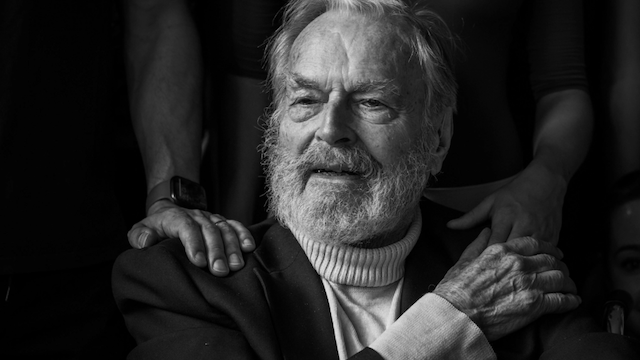
Sir Peter Wright

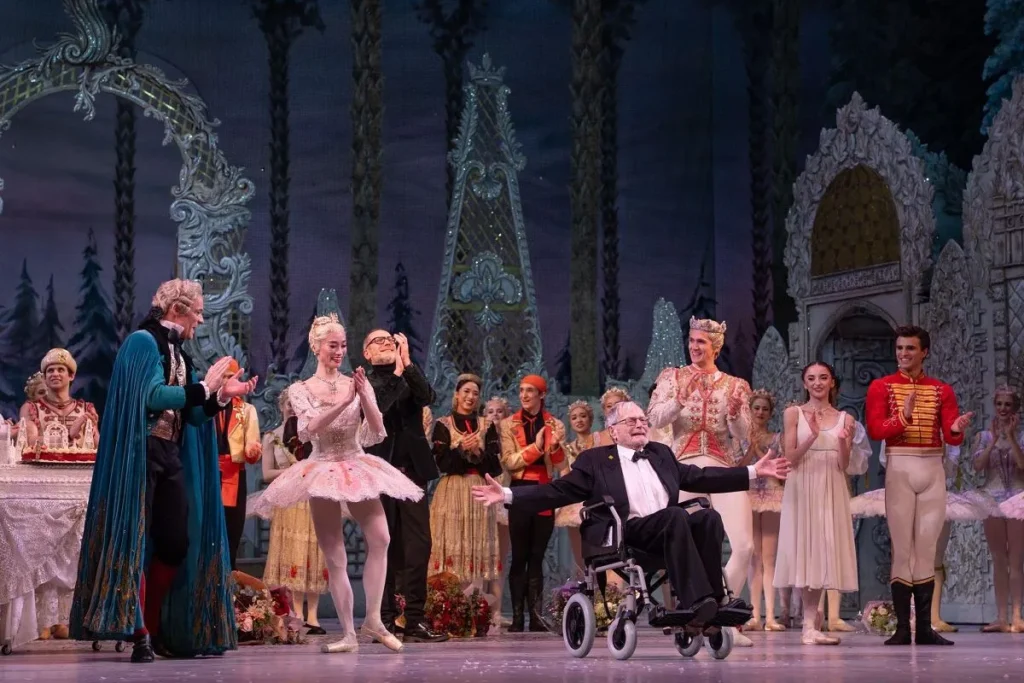
The producer, director and RAD Vice-President turns 100 later this year.

Sir Peter Wright, RAD Vice-President and former President of the Benesh Institute, has entered his 100th year. Ten years ago, Dance Gazette marked his 90th birthday with an interview about his extraordinary career – here are some highlights.

What’s marvellous now is that it seems to have become accepted for men to pursue a career in dance. I had considerable difficulty. When I was 16 I was very good at ballroom dancing and loved hopping around. Then my mother took me to see the ballet and I loved it. I saw Henry Danton in the spotlight, surrounded by beautiful women, and thought, that’s what I want to do.

Then the trouble began, because my father was dead against it. He was a chartered accountant and a Quaker, and sent me to Bedales. Eventually, I ran away from school with a friend. It was February, freezing cold, and we had no money – we lasted two nights in a cow field. It was hell. But my father realised how much I wanted to dance and said he would give me my blessing, but no money.
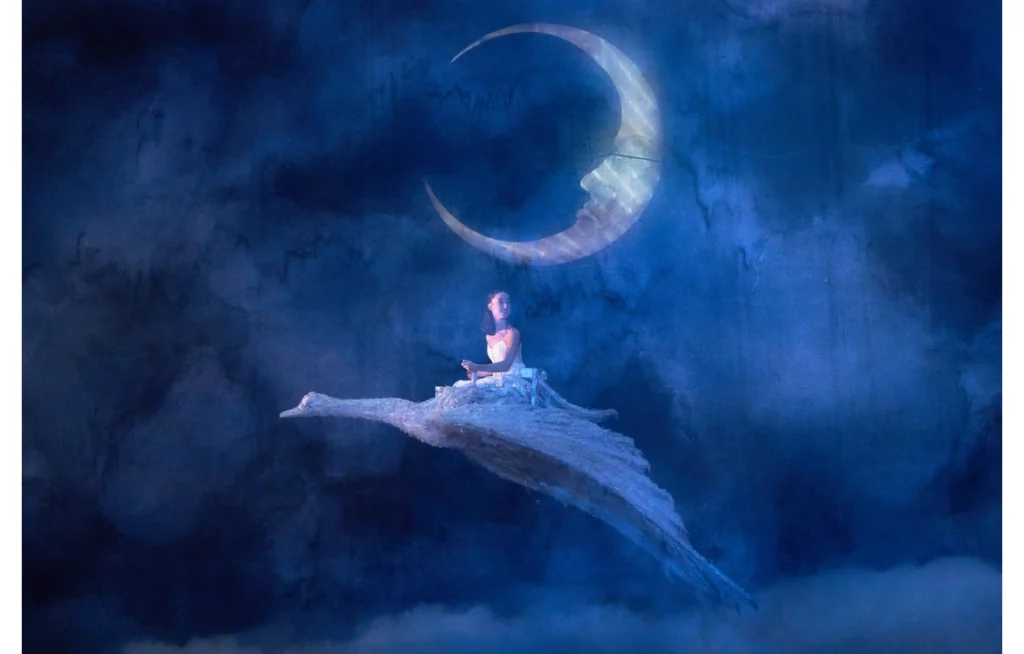
I never went near a ballet school. As an apprentice with Ballet Joos, I spent all day in the theatre. I learned about all facets of theatre, but it was a hopeless way of training, because there was never enough time. 

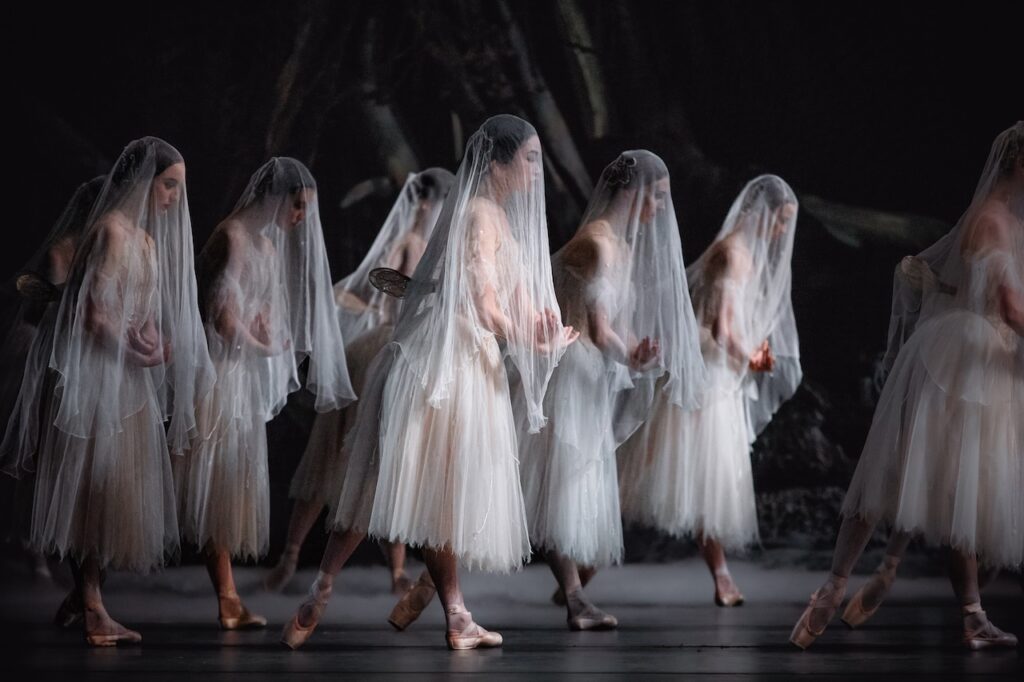
I didn’t plan to stage the classics – John Cranko pushed me into it. He gave me marvellous opportunities at Stuttgart Ballet, and told me to stage Giselle. I said, ‘I don’t like Giselle, I never have.’ But he gave me six weeks to research and I came back to Stuttgart dead keen. I was lucky to have Marcia Haydée as Giselle, and it caused a big stir. 

I love the classics, but was able to look at them from the outside. If there was anything I found boring I found ways to change it. You’ve got to be fairly brutal. Theatre should never ever be boring.

Running a company isn’t easy, but I found a good way of communicating with the staff, which is essential. You have to know the dancers well and not be afraid of honesty. It’s no good leading people on.

It took a long time, but finally getting the Sadler’s Wells Ballet up to Birmingham (as Birmingham Royal Ballet) in 1990 was absolutely wonderful. I was on quite a high. I reluctantly had to leave BRB due to serious illness, but it was well on the way to becoming a great company.

I was President of the Benesh Institute, and am a great champion of Benesh Movement Notation. What it’s done for ballet is marvellous, and I always encourage dancers to learn it. Ultimately, I hope the day will come when dancers learn their parts before rehearsals start.

My wife, the dancer Sonya Hanna, was a great help. She put everything in proportion: ‘For God’s sake, Pete, it’s only a ballet!’
SEND YOUR FEEDBACK
Previous

REST OF Issue 15 – Feb 2026

Inside RAD post Inside RAD

Celebrating Pavlova

Spanish choreographer Avatâra Ayuso’s latest ballet is about the famed dancer Anna Pavlova. She discusses elevating women in dance, reimagining Pavlova – and the RAD’s role in her research.

Dance Gazette

RAD Q&A post RAD Q&A

Daniel Kraus

After a performing career with English National Ballet and others, Daniel Kraus achieved the Professional Award and Diploma in Benesh Movement Notation with Benesh International. Now a choreologist at the Royal Ballet, has Benesh changed the way he sees dance?

Dance Gazette

Playlist post Playlist

Aletta Collins

Aletta Collins is about to choreograph a new production of Strauss’ opera Salome – including the infamous Dance of the Seven Veils. But what music means most to her?

Dance Gazette

Advice Bureau post Advice Bureau

Paul Liburd

Curiosity and enjoyment: the keystones of advice from the dancer, teacher and judge of the Bedells Bursary 2025.

Dance Gazette

Why Dance Matters post Why Dance Matters

Evie Templeton

The star of the hit Netflix series Wednesday on RAD training and dancing with Lady Gaga.

Dance Gazette

Director’s cut post Director’s cut

Remember to dance

How can young dancers unlock their energy on stage? Alexander Campbell suggests some tips from his own performing experience.

Alexander Campbell

features

A whole new world

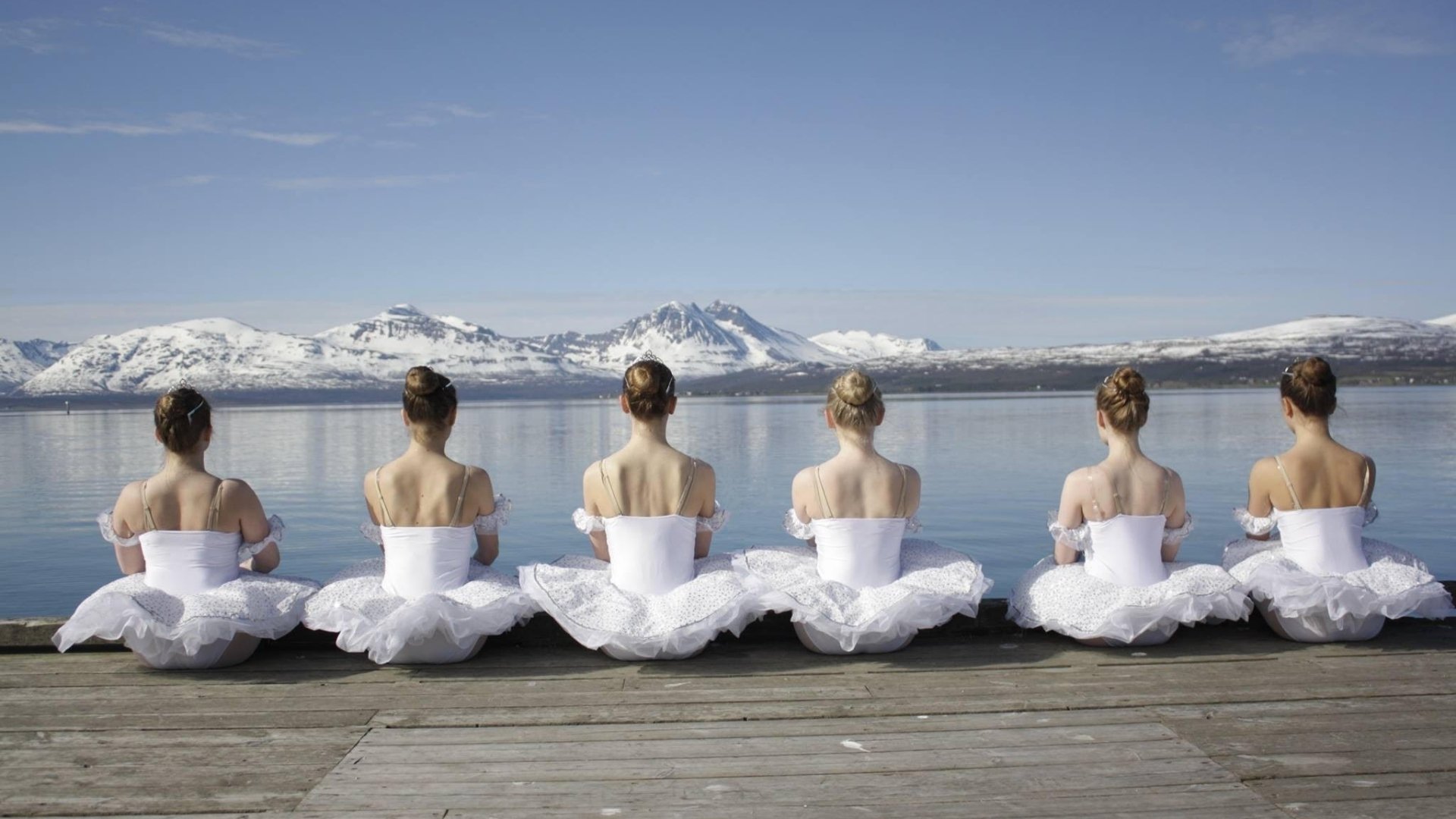
RAD exams are held across the world. Natasha Tripney goes in search of four far flung schools – including the most northern and southern locations for RAD exams – to learn why these milestones matter to them.

Natasha Tripney

interviews

Defying gravity

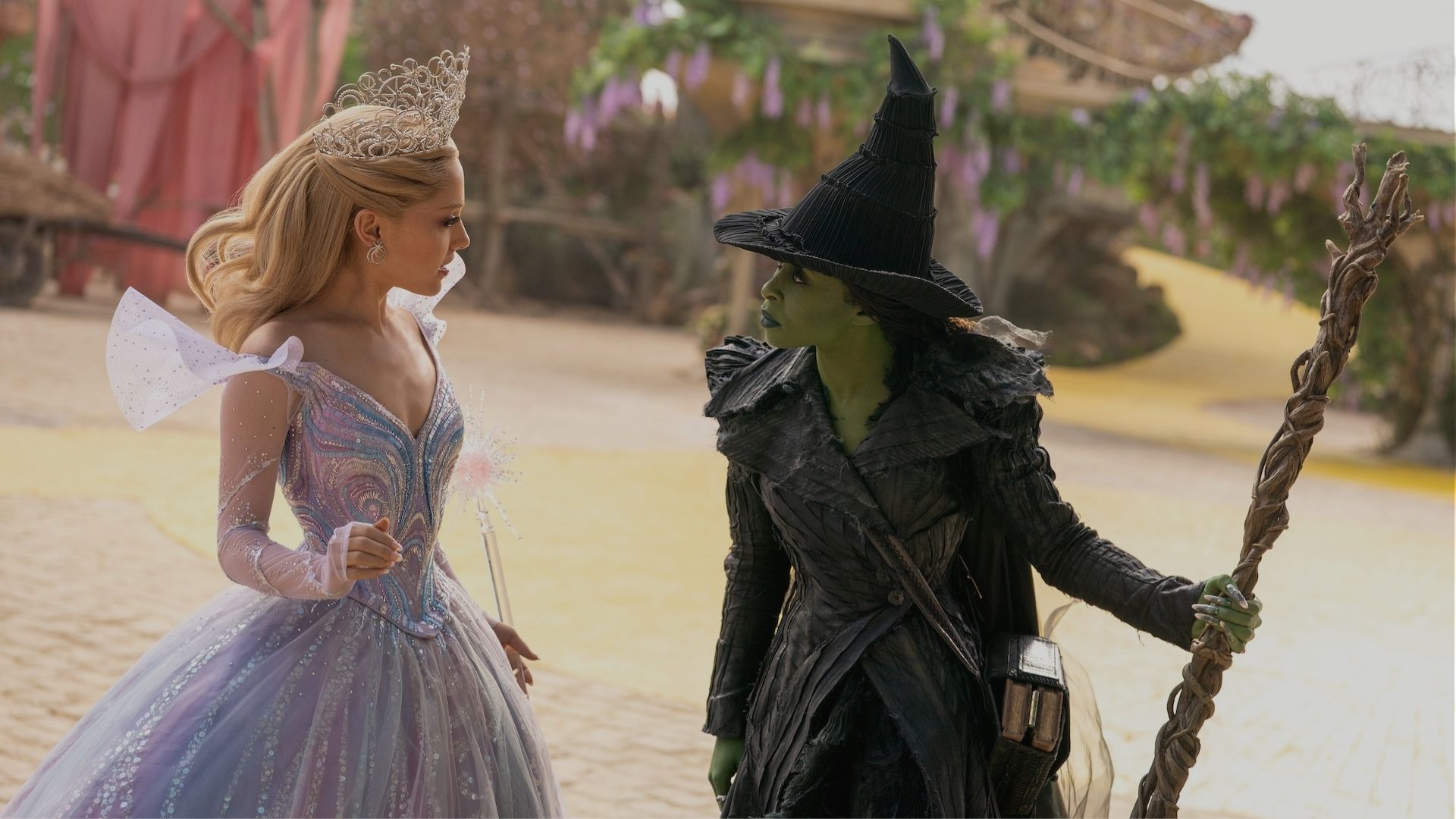
From tap dancing on the street to making Wicked move – choreographer Christopher Scott is an advocate for all kinds of dance. But, asks David Jays, doesn’t he crave an Oscar?

David Jays

features

Baby steps

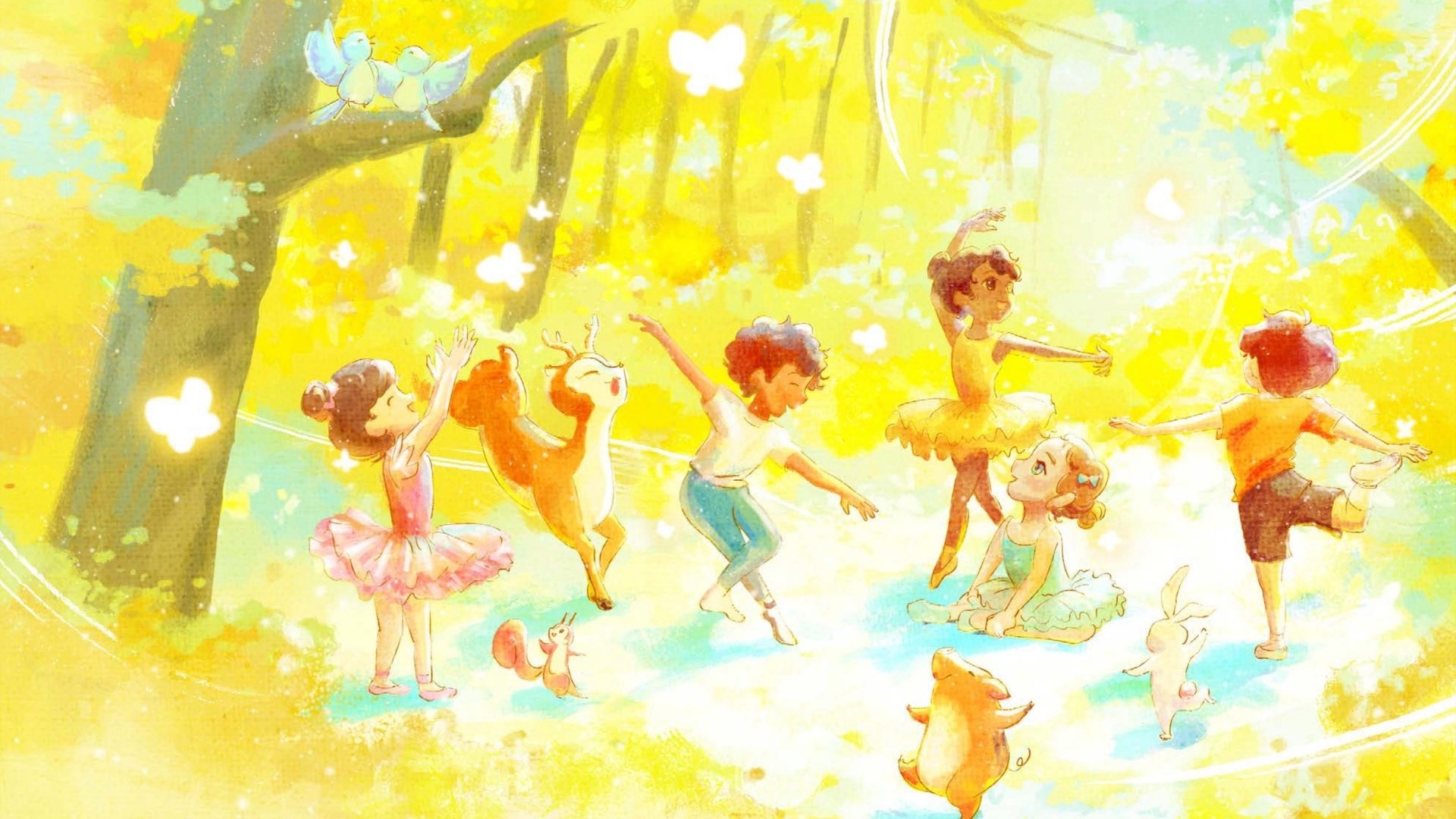
How do you introduce very small children to dance? Lyndsey Winship meets the teachers awakening young imaginations.

Lyndsey Winship

reports

Pointe of departure

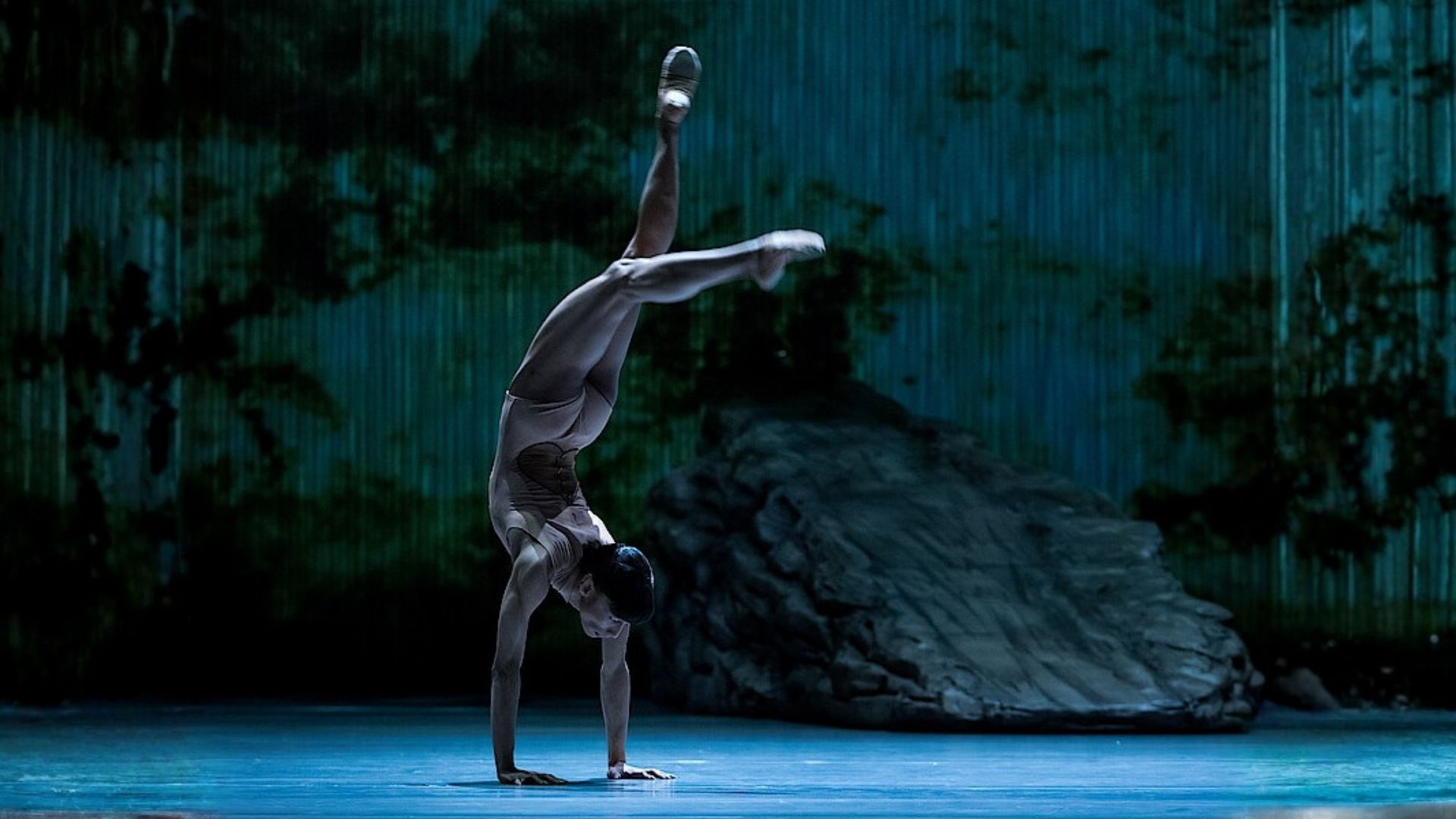
Solos in the RAD’s flagship competitions are now classified as with or without pointework rather than male and female. Emily May explores what this means to dancers, and how it reflects change in the wider ballet profession.

Emily May

interviews

Art surgery

Art is good for you, says Professor Daisy Fancourt – aiding both physical and mental health. She explains her ideas to Anya Ryan – and you can read an exclusive extract from her new book.

Anya Ryan

reports

Up from the streets

Tens of lost, orphaned and runaway children arrive each day at India’s New Delhi rail station – all hoping for a better life. Sally Howard visits a project that’s making their dance dreams come true.

Sally Howard