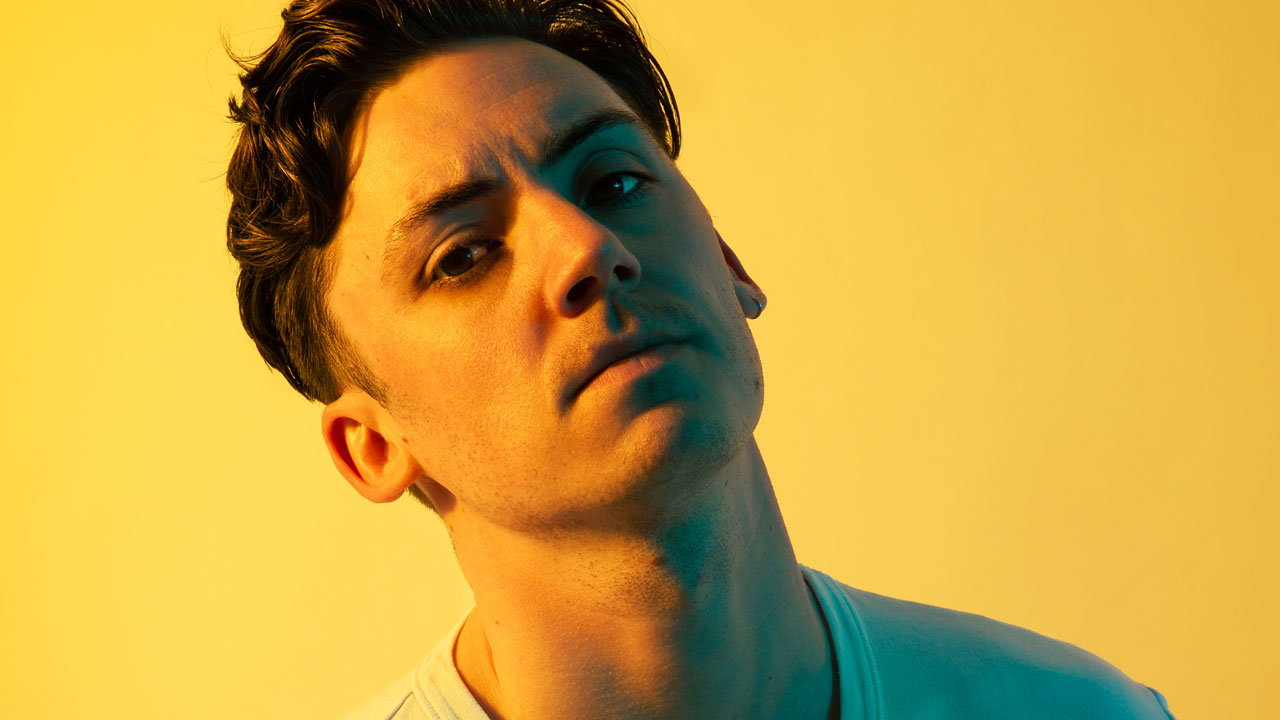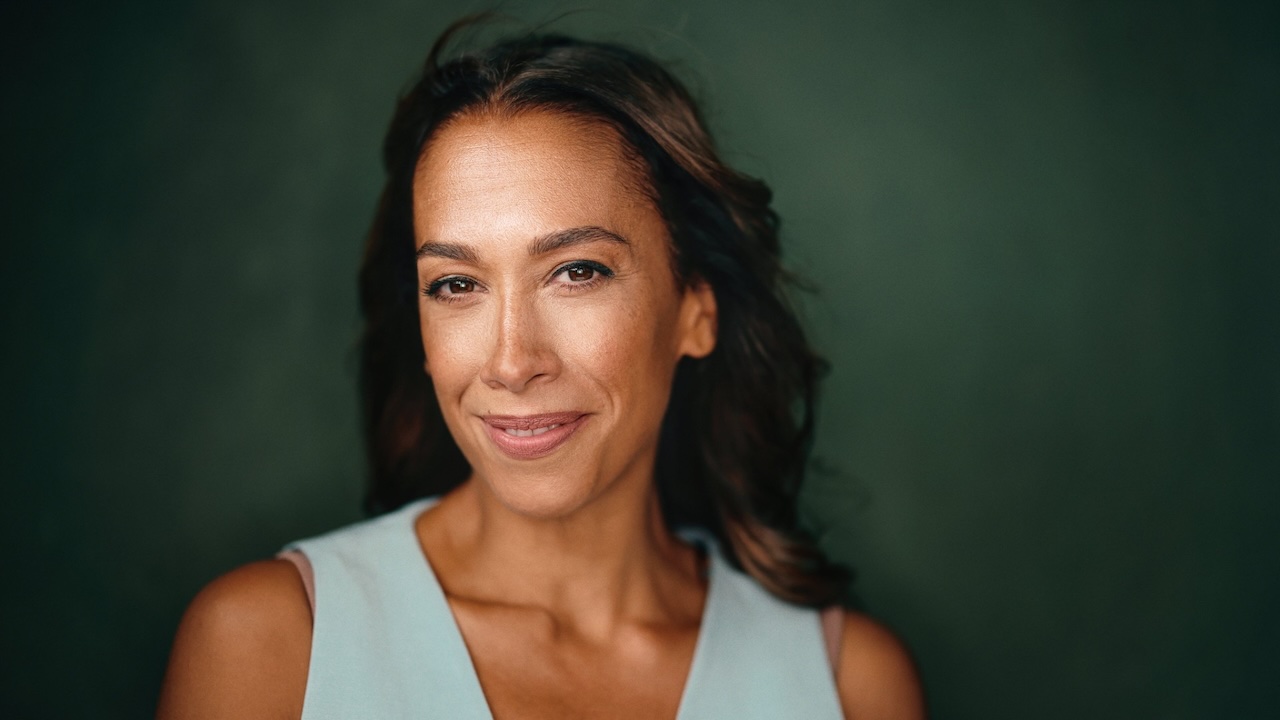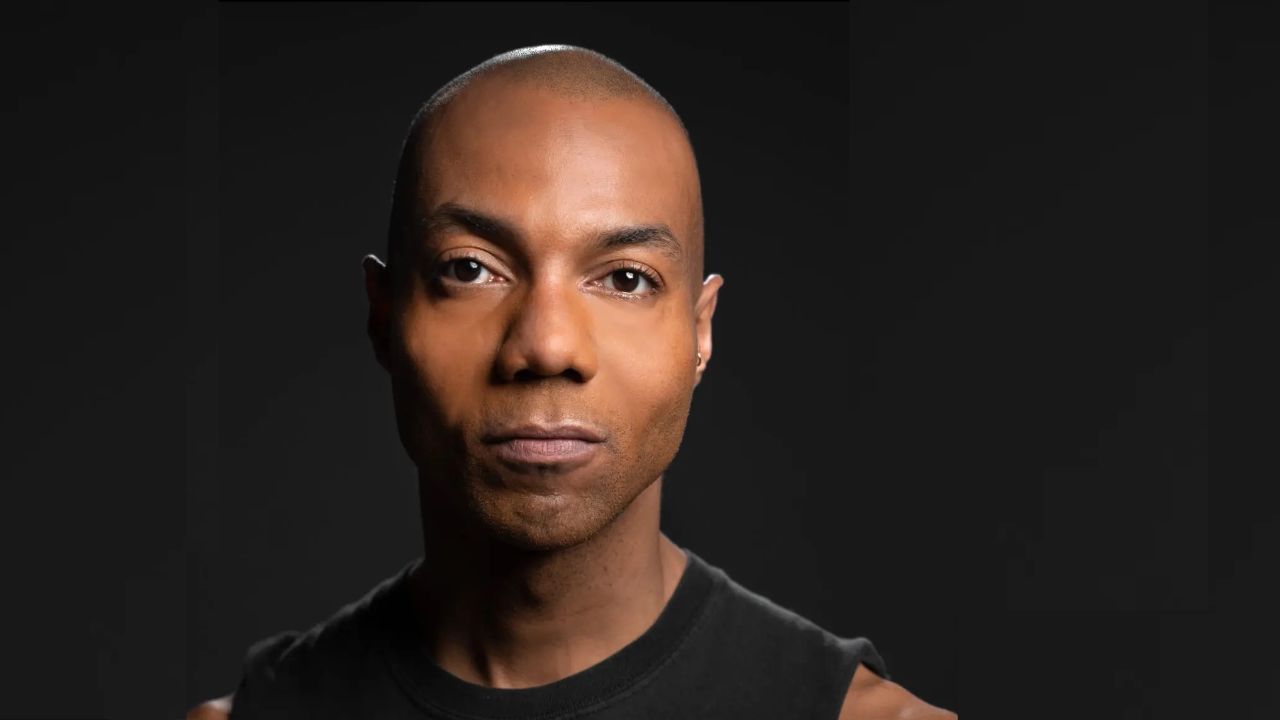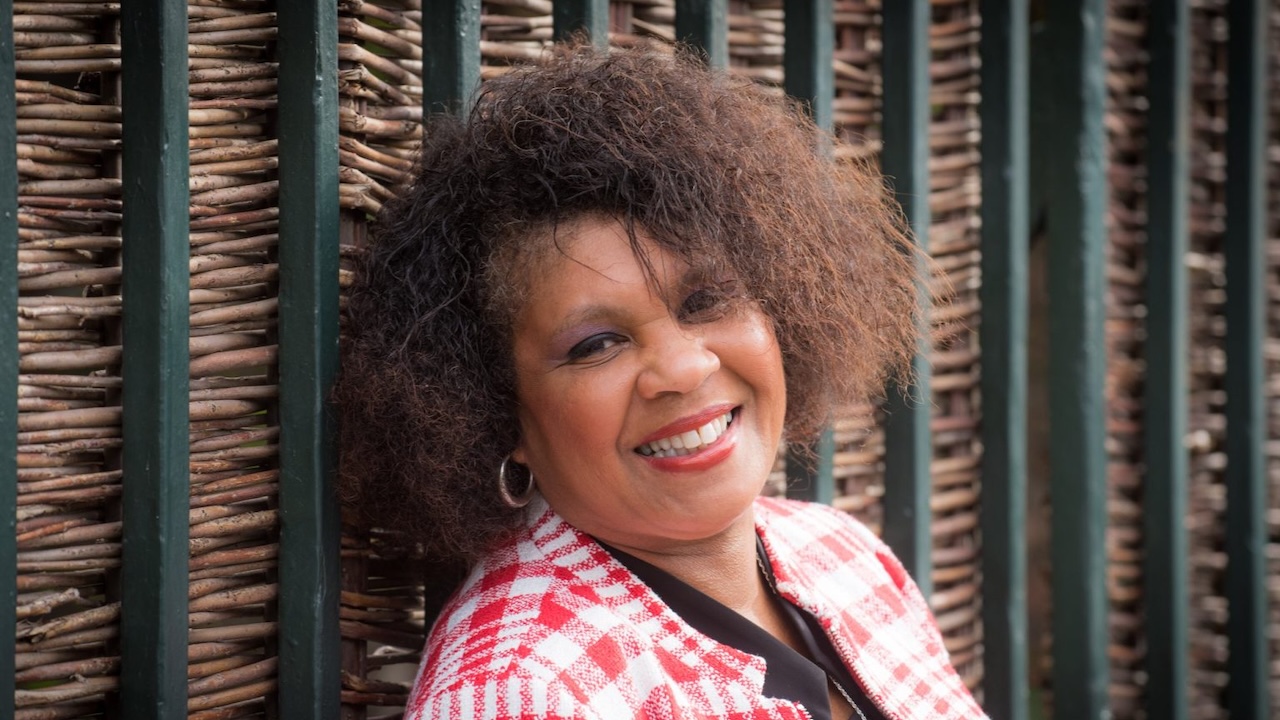
‘Fosse is Fosse,’ laughs Julia Cheng when we meet to discuss her recent foray into the world of musical theatre. ‘And if you want Fosse, I’m not your person: I can only be me.’
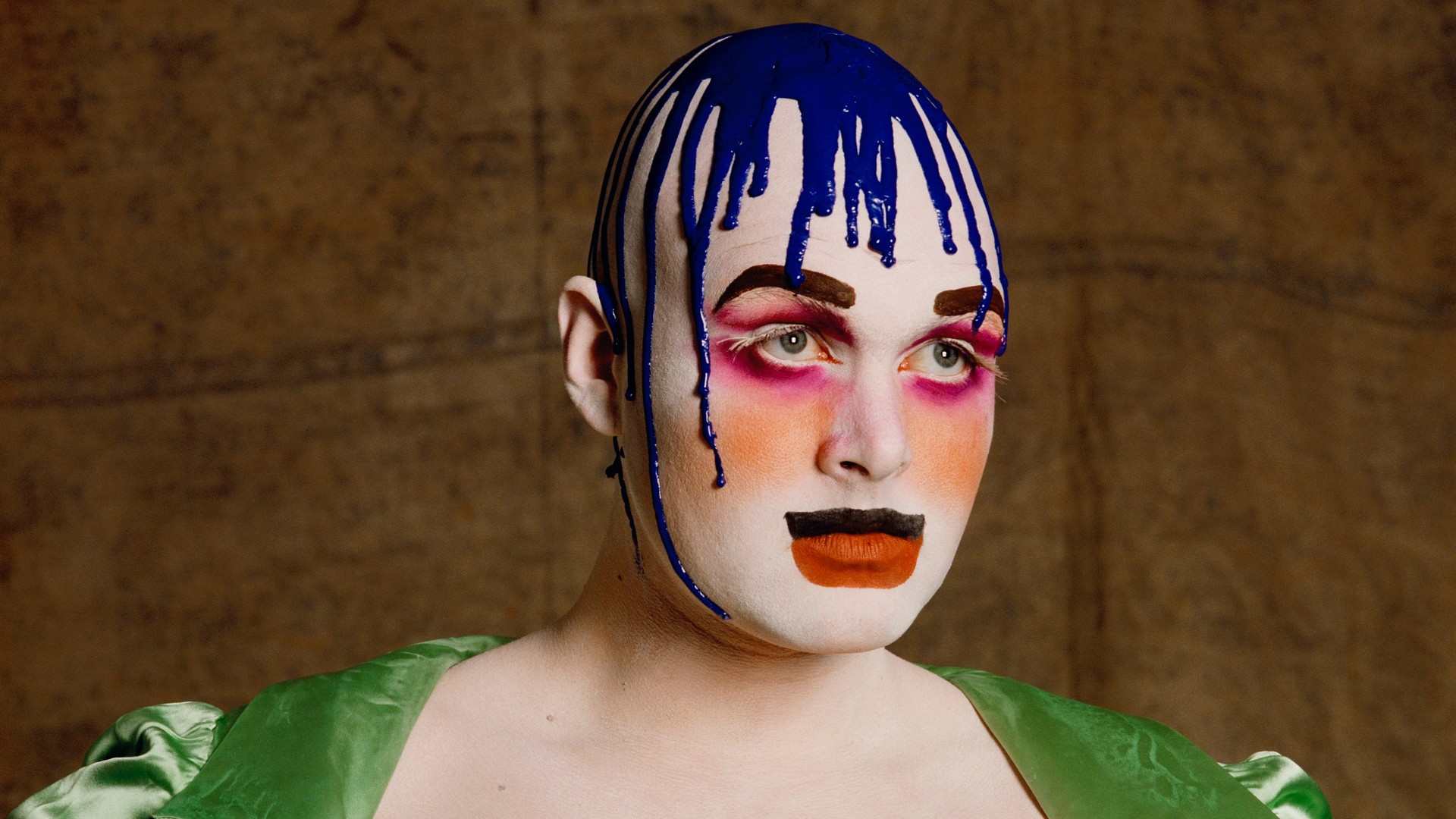
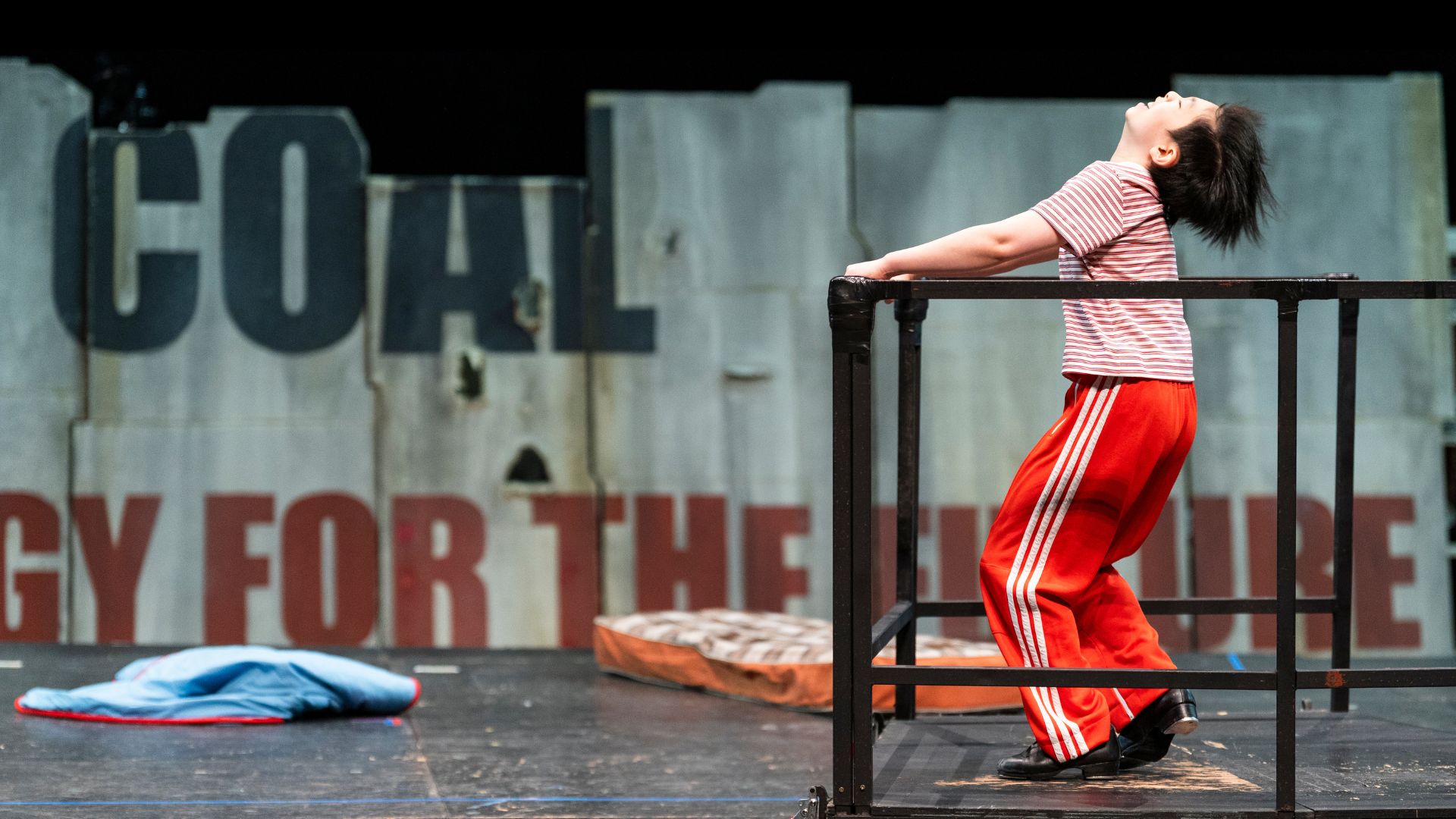
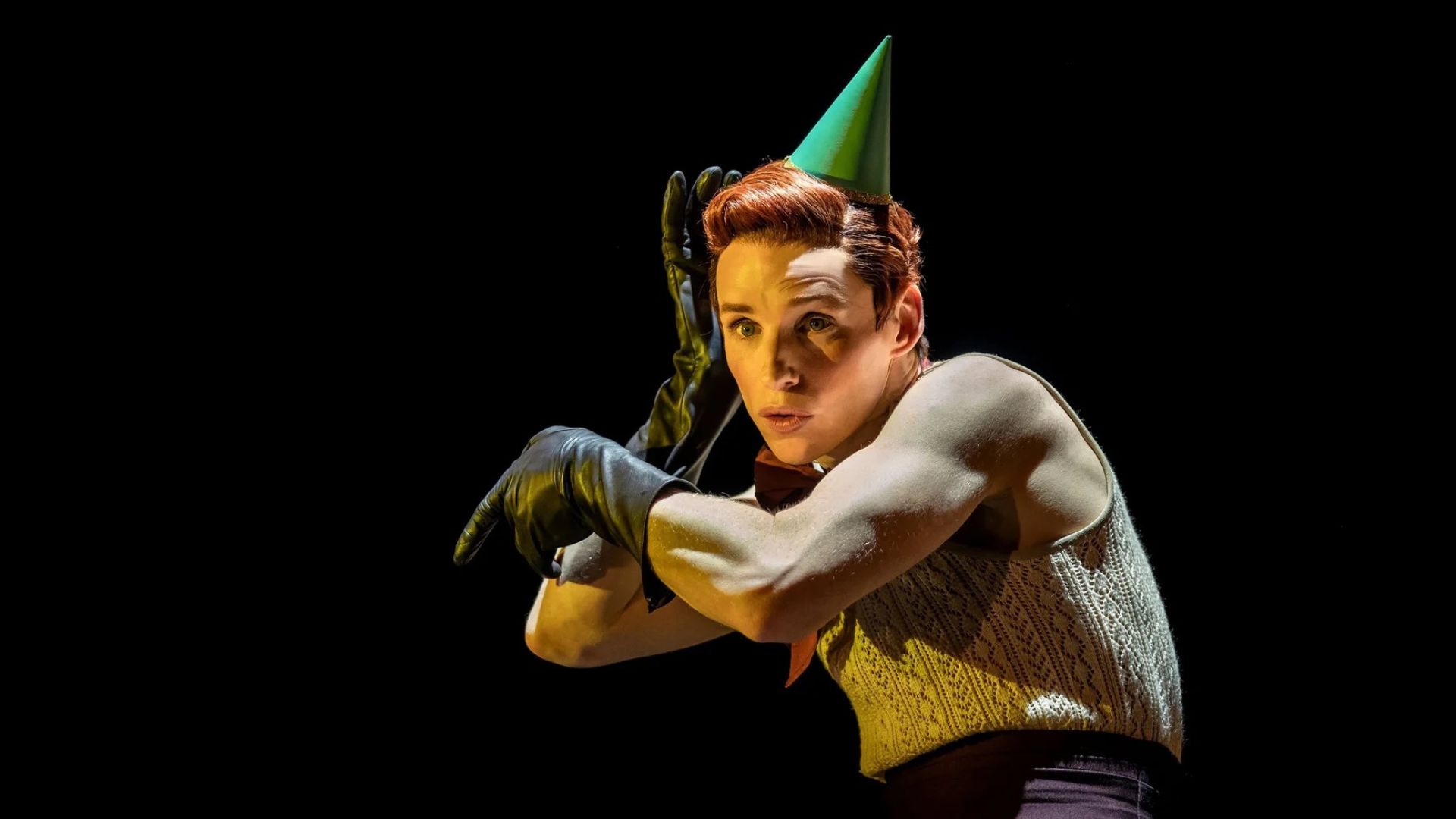
This self-assurance will come as little surprise to those who have seen her choreography for Cabaret, which opened in 2021 with a cast headed by Eddie Redmayne and Jessie Buckley, or Fiddler on the Roof, which toured the UK and Ireland in 2025 following its original outing at Regent’s Park Open Air Theatre the previous summer. Cabaret transferred to Broadway in 2024; Fiddler will play in Sydney later this year.
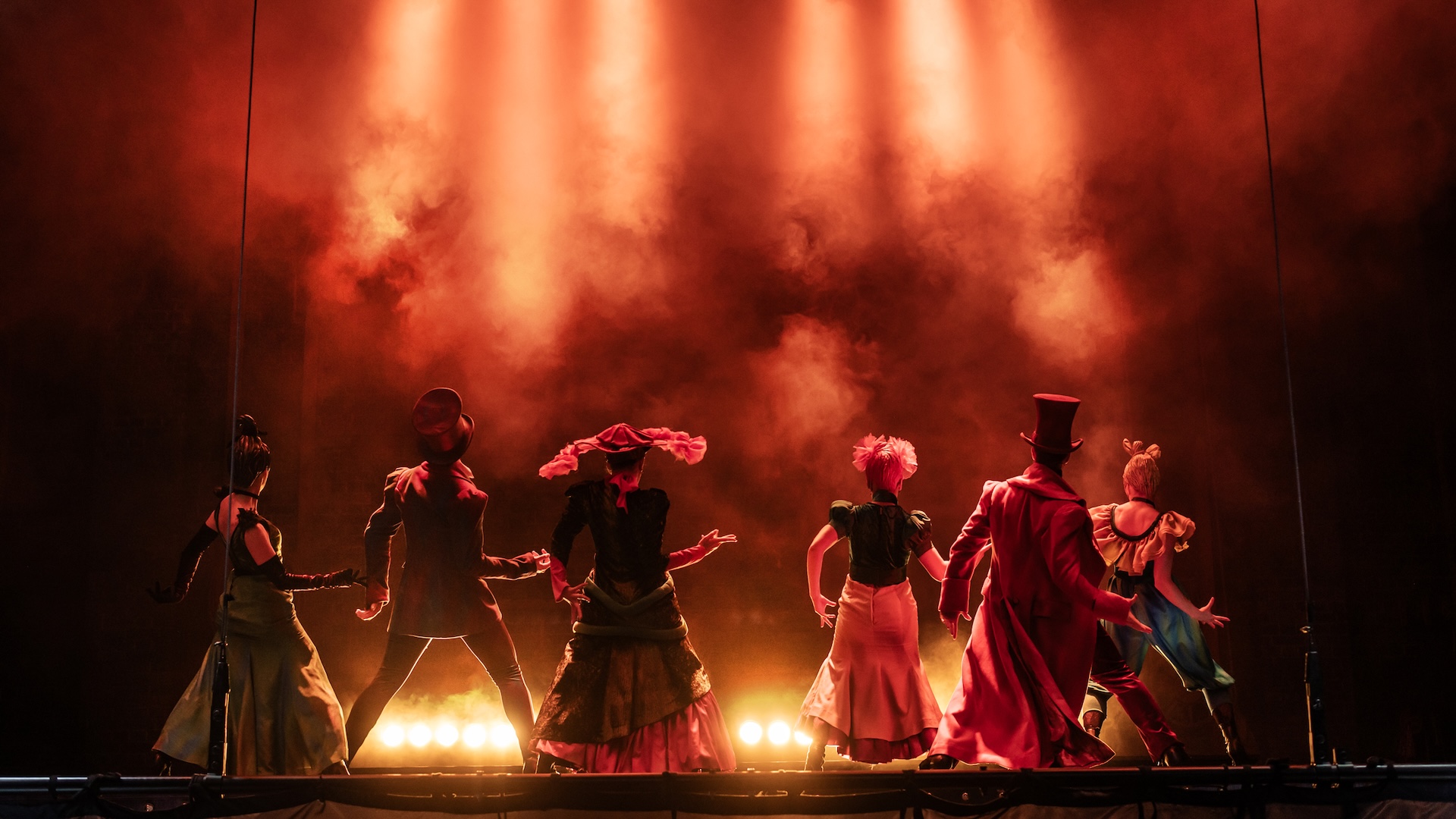
Both shows radically rethought the dance language of each piece, with Cabaret descending into a slickly decadent underworld and Fiddler reaching for a vivacious naturalism. And both were roaring successes, with Cabaret winning seven Olivier Awards and Fiddler scooping three of its own, plus an impressive 13 nominations including Best Theatre Choreography.
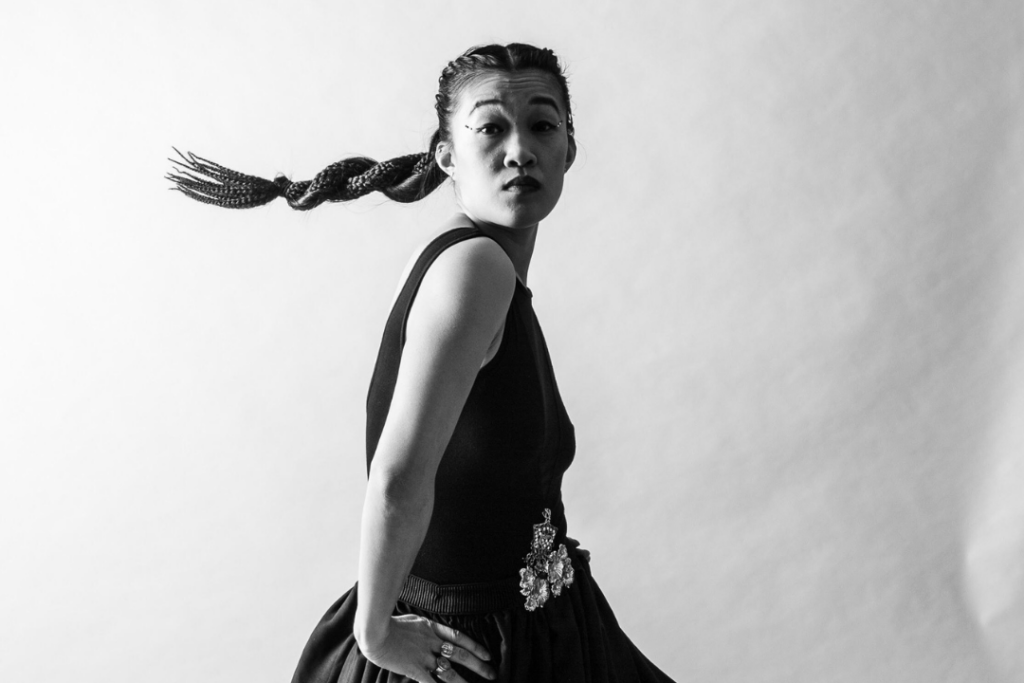
‘If you want Fosse, I’m not your person: I can only be me’
Julia Cheng
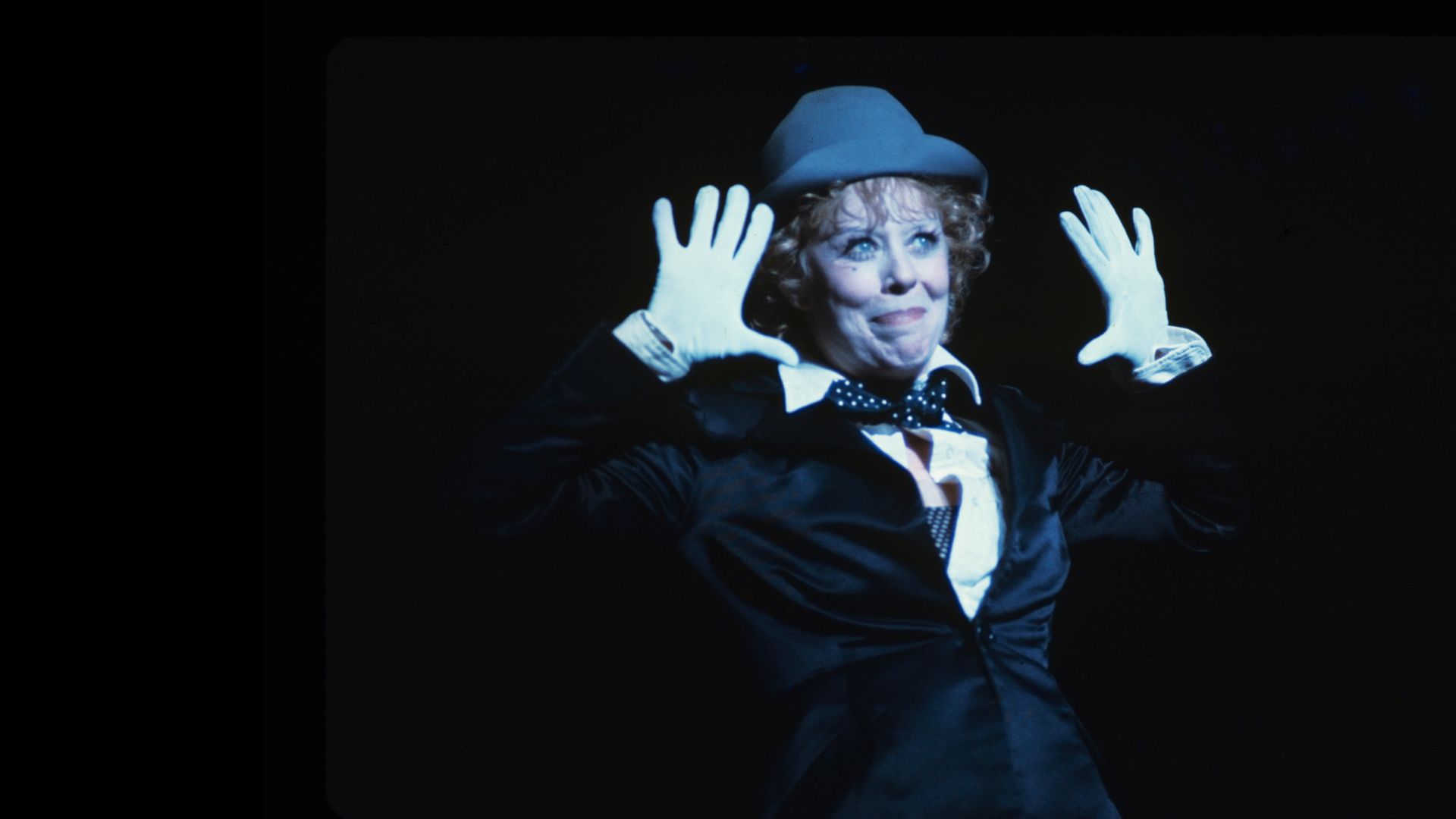
The delivery of an authentically new choreographic style on both occasions is all the more fascinating given that both musicals were, until now, strongly associated with the iconic choreography of two titans of modern dance. In Cabaret’s case, Bob Fosse’s suspenders-and-stilettos moves for the 1972 film stick in the cultural memory, as do Jerome Robbins’ dance numbers for the original 1964 Broadway production of Fiddler. How, then, does a contemporary choreographer free herself from this weighty performance-history baggage to create her own work?
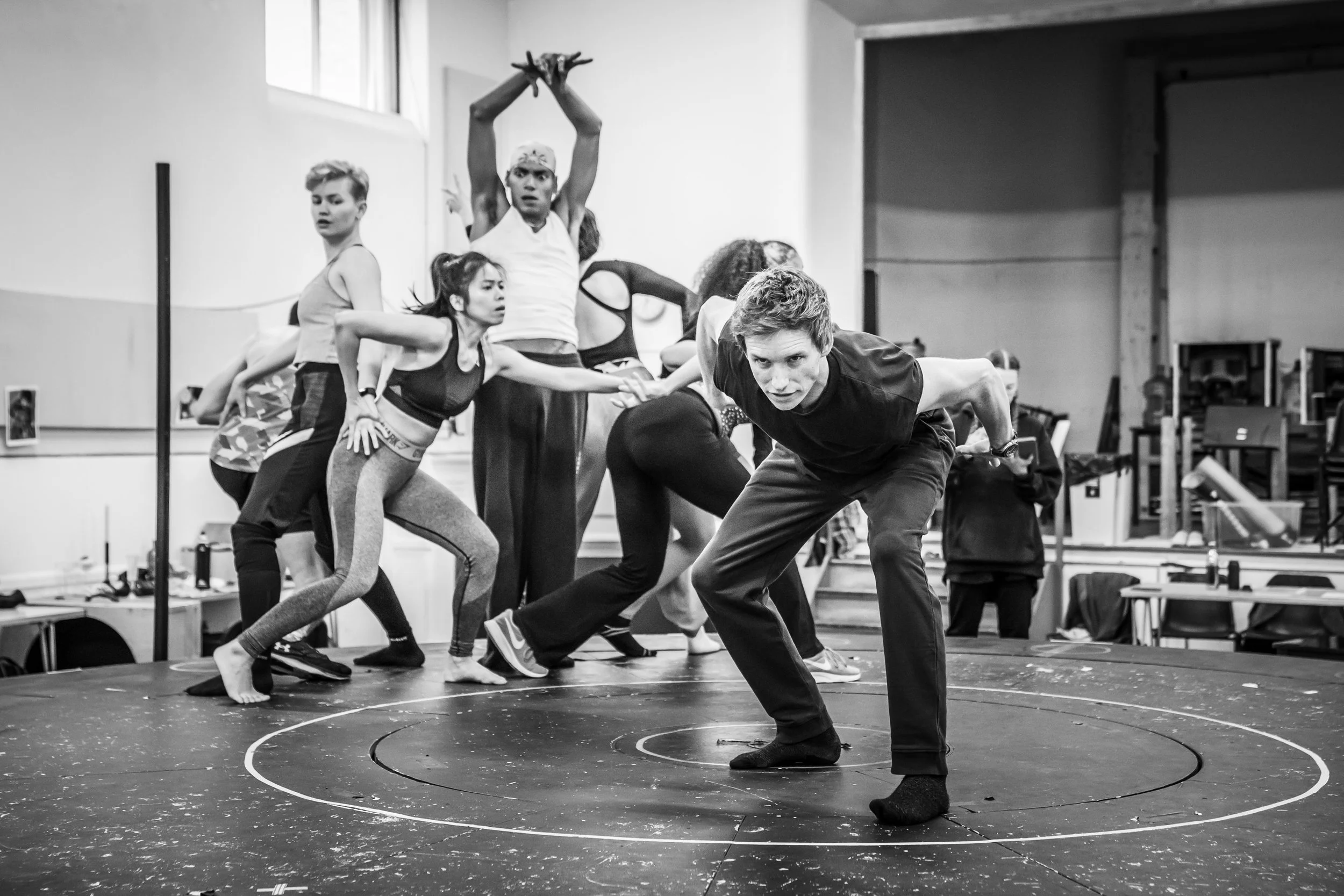
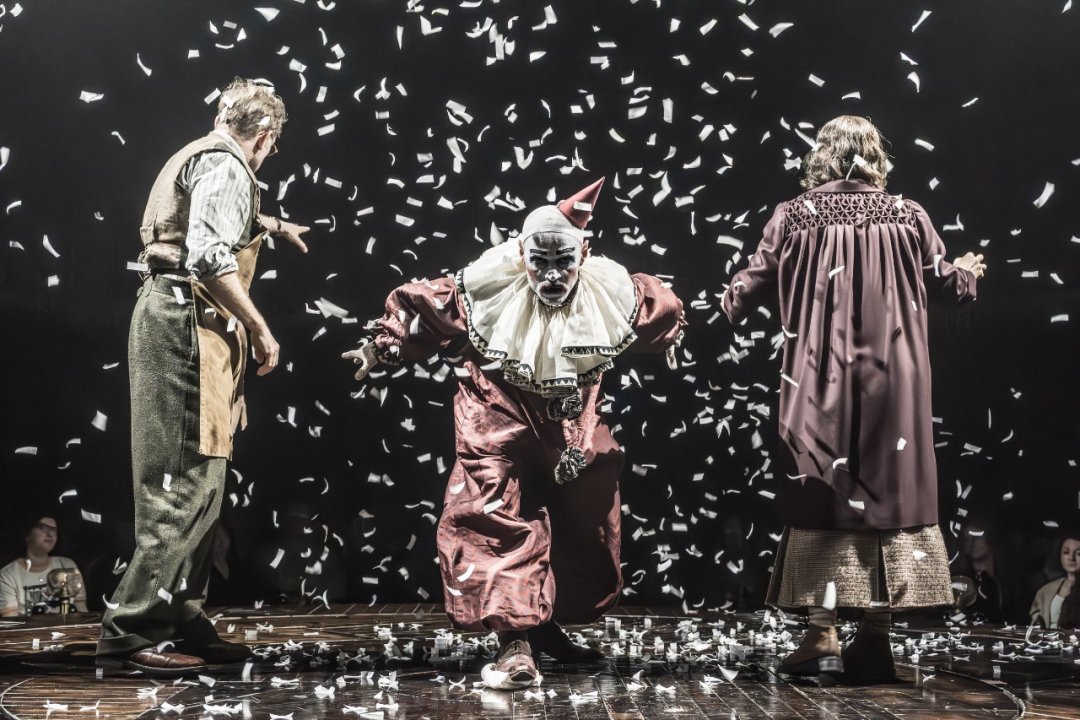
Cheng’s approach to both shows combined respecting what came before with utilising her own research, tastes and cross-genre dance background. ‘On our first Zoom call, Rebecca [Frecknall, director of Cabaret] was very honest with me that her vision was not the bowler hats and canes and fishnets, it was something different to that,’ remembers Cheng.
Yet this insistence on originality didn’t quite equate to a wholesale rejection of the Fosse posse aesthetic. Instead, Cheng found small ways to artfully nod to the show’s history. ‘My “thing” was also about honouring Fosse, and there are a couple of moments [in the show] respecting it with a little gesture,’ she explains.
In Fiddler on the Roof, this blend of the old with the new is perhaps easier to spot as Cheng decided to retain one of the musical’s most famous passages: the Robbins-trademarked Bottle Dance. ‘My first decision was whether I include the Bottle Dance or not,’ says Cheng, who was unfamiliar with the musical until approached by Jordan Fein to choreograph it. ‘I watched it and was like: that’s iconic, you have to include it! So that was my classic section that I felt you have to honour. We could have had all new choreography or retained all of the original – instead, we kept the Bottle Dance but everything else was new.’
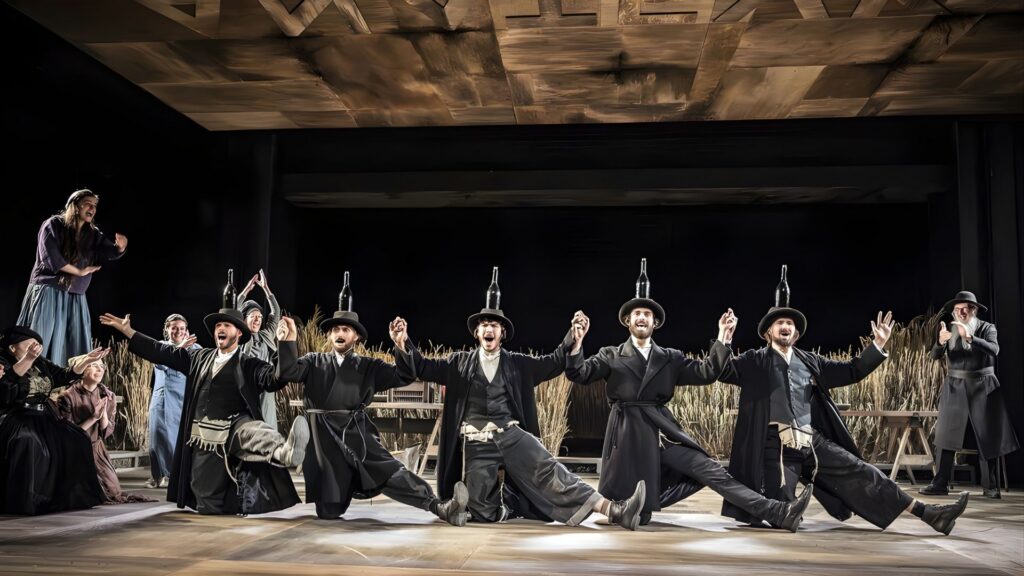
‘I watched the Bottle Dance and was like: that’s iconic, you have to include it!’
Julia Cheng
Her appreciation of the history of each musical didn’t end with the work of those previous choreographers. Cheng also did a considerable amount of wider research into their historical and social backgrounds, the fruits of which became her initial sources of inspiration. With Cabaret, this preliminary research included exploring the world of Weimar Berlin and the real-life characters who enlivened its heady cabaret scene. She also sought inspiration from the visual artists who were part of the vibrant artistic landscape in pre-Nazi Germany.
With Fiddler, the research had a similar historical grounding: it included, for example, reading multiple books on Tevye, the linchpin of Fiddler on the Roof, and sourcing early recordings of the musical. But it also had a more personal aspect. Cheng’s early discussions with Fein made her passionate about the director’s intense familial relationship with the material. ‘He came to my house and talked about how it’s such a deep thing for his family, how everyone had watched it growing up and how much it meant,’ she recalls. ‘And I really wanted to honour his connection to it as a work.’
With her British-Chinese heritage, Cheng was aware of her limited knowledge of the Jewish traditions that underwrite Fiddler and initially thought she should seek out an expert in Jewish folk dance to work as her associate. But after being reassured by Fein that there would already be a Jewish consultant to check things with – plus the option of running anything by him – Cheng instead focused on talking to members of the company and seeking out recordings of real-life events, particularly Jewish weddings, to understand their rituals and customs. ‘One cast member actually had a wedding during our process,’ Cheng shares. ‘She sent me some of her wedding stuff so I could see it, and that influenced the wedding dance.’
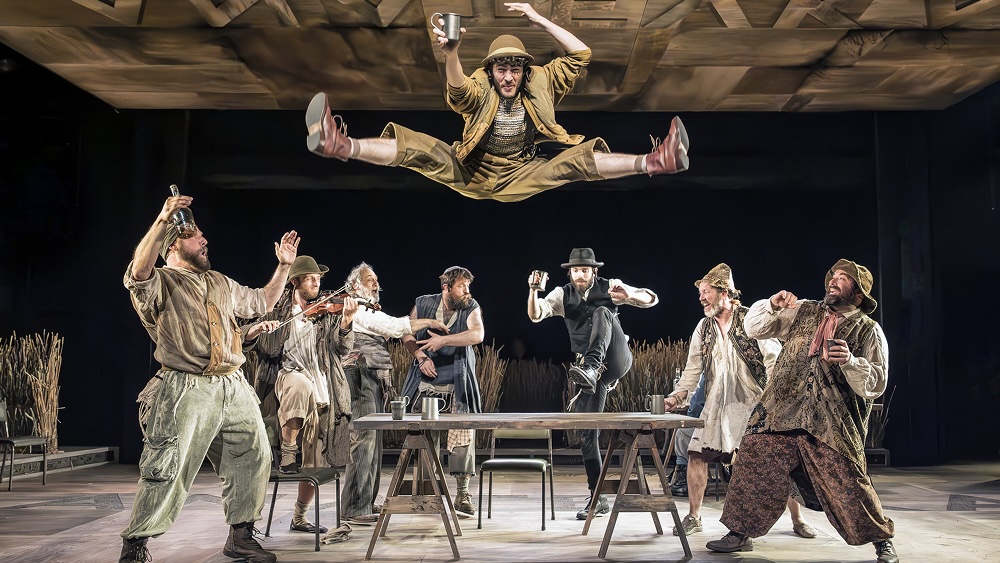
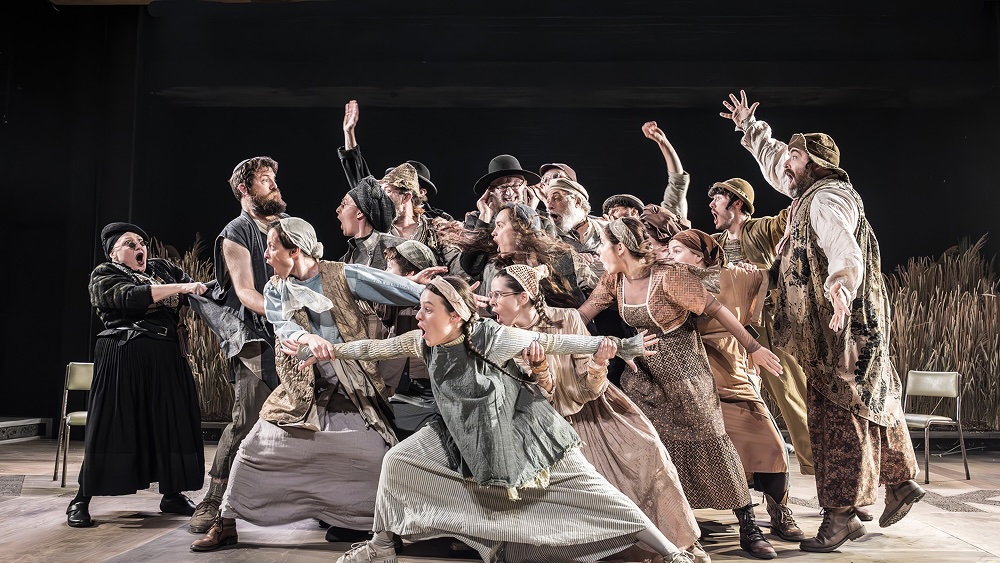
‘Cabaret is the show world, but Fiddler is about a community’
Julia Cheng
That same famous scene was also subtly shaped in another very personalised way. ‘Jordan told me a story about when his family were at a wedding and his five uncles were all dancing and doing this particular step and it broke the ceiling!’ laughs Cheng. ‘So I put that move into the wedding dance and called it the “Fein Step”. It was like: BOOM!’
Borrowing from real-world situations where dance functions in a non-professional context was a very deliberate decision. Cheng and Fein understood the movement world of Fiddler to be highly organic – the expressive outlet of a multi-generational society who danced to celebrate, entertain and connect with each other. This contrasts heavily with the ultra-stylised environment of the Kit Kat Club. ‘Cabaret is the show world,’ explains Cheng. ‘But Fiddler is about a community. The Bottle Dance is the only really performative moment because it’s for the wedding, but everything else is about the people and their gestural language.’
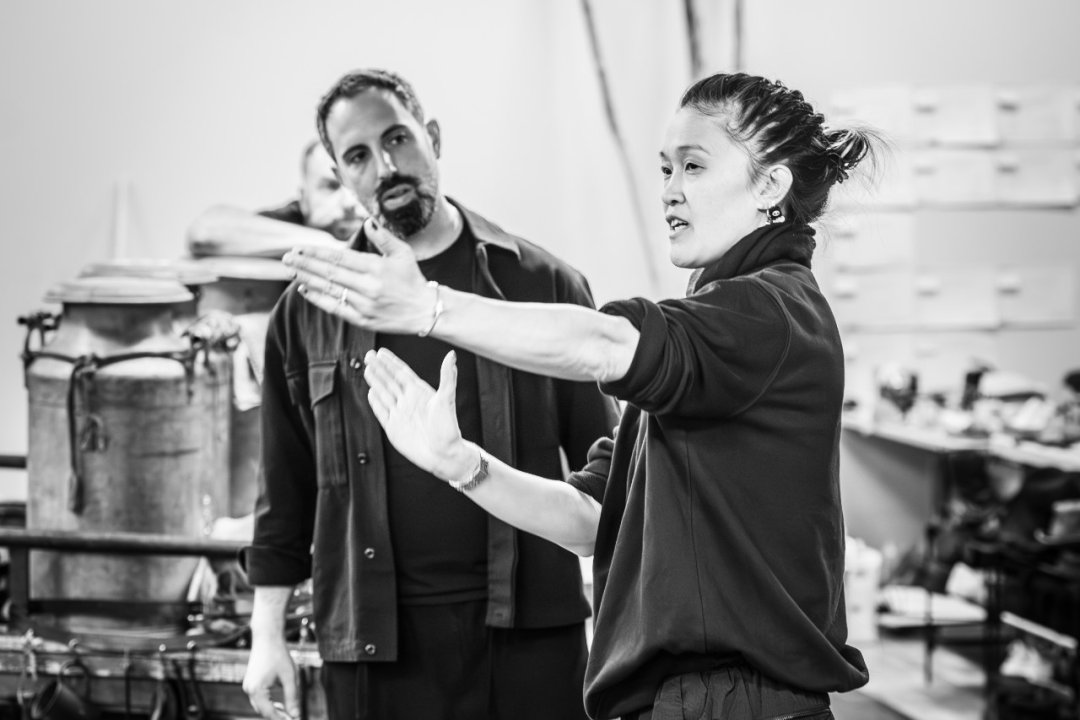
The same could also be said for Cheng herself and her choreography. Swirled within all this studious research into history, culture and religion is Cheng’s own unique understanding of movement. Unlike many professional dancers and choreographers, her background doesn’t include a childhood spent at the barre quickstepping through grades and certificates. In fact, she was turned down to study dance at college and university due to her lack of prior formal training. Undeterred, she studied privately as a young adult before teaching hip-hop classes and later moving to New York to continue her training. It was here that she discovered waacking, a subcultural style of dance invented in the gay clubs of 1970s Los Angeles. In a bid to establish a waacking scene in the UK, Cheng founded House of Absolute, an all-female collective who have since performed at venues including Sadler’s Wells.
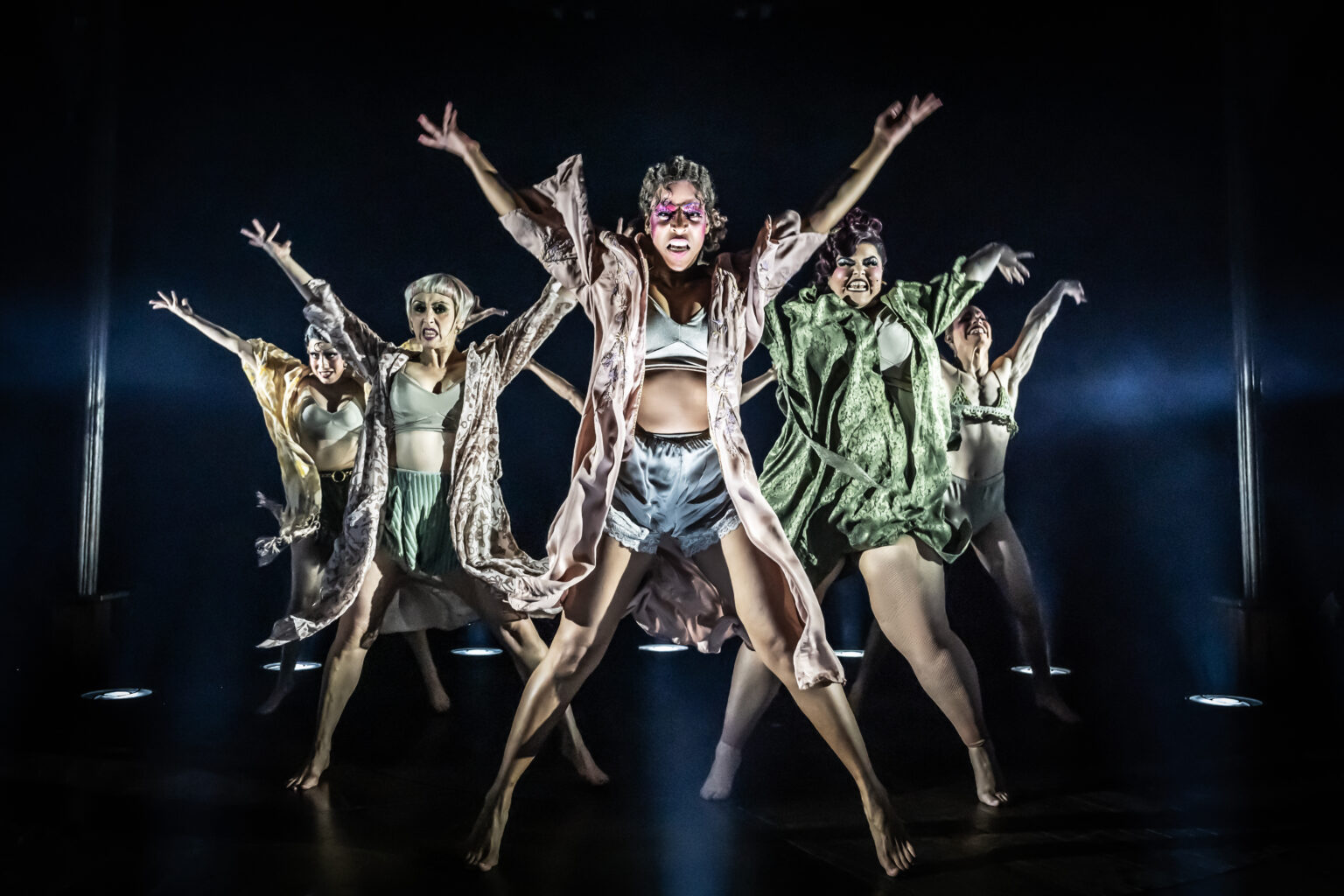
And it was from here that she drew inspiration for a part of Cabaret that is absolutely and purely ‘Cheng’: she turned the kick line into a waacking line. ‘I was thinking, OK, the kick line: kicking… but why not make it a waacking line?’ she explains. ‘I felt like it was honouring the gay culture that formed that dance by putting it into this commercial theatre and this piece of musical theatre when it comes from this underground club scene. I’m proud of that because it’s part of my history but also the history of other people. It’s about movement and humanity, and it’s a form of dance that came from oppression.’
Watch
Eddie Redmayne and the Cabaret cast at the Tony Awards
The Bottle Dance from Fiddler on the Roof
Rosemary Waugh is an art critic and journalist for titles including the New Statesman, Time Out and the TLS. Her first book, Running the Room: Interviews with Women Theatre Directors was published in 2023.