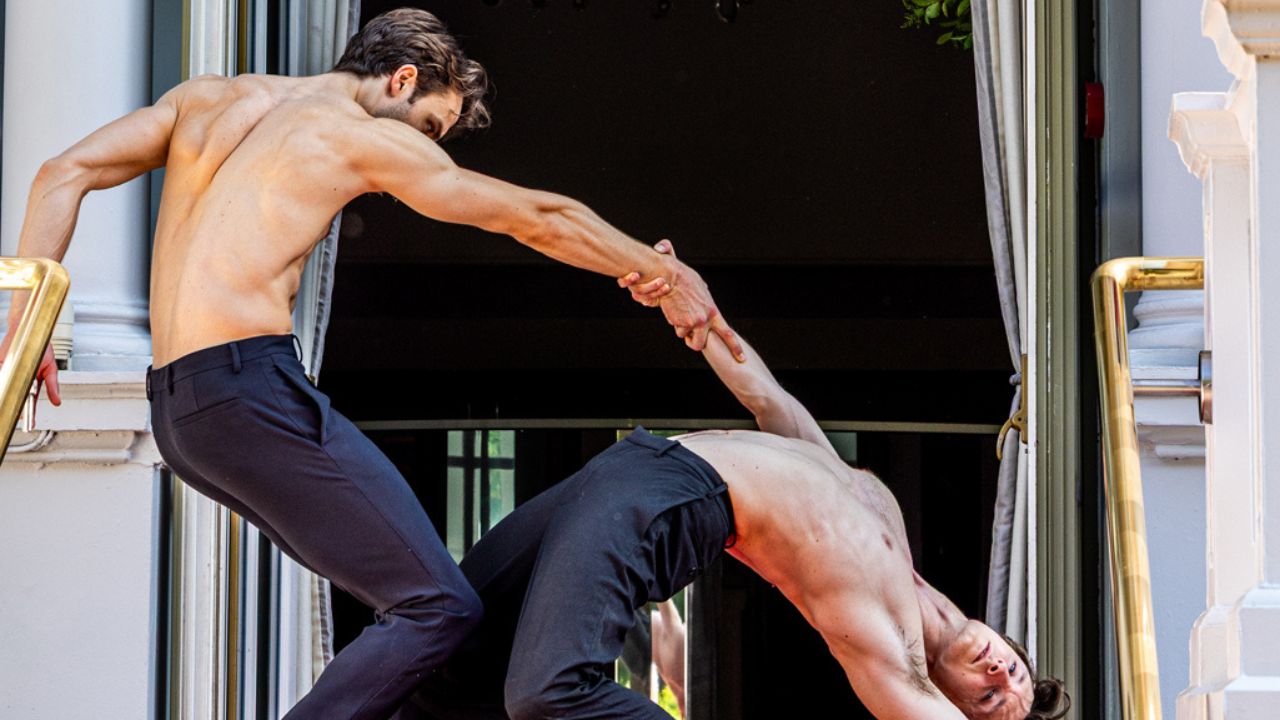
How do you understand a city? You can do worse than follow its dance. To learn more about São Paulo, which hosts the RAD’s Margot Fonteyn International Ballet Competition this year, Dance Gazette asked award-winning photographer Pablo Albarenga to track different forms of dance across the city and across the day: from RAD ballet class through to late-night clubbing.
Albarenga, who moved to São Paulo from Uruguay four years ago, describes it as ‘a crazy city, a city that you both love and hate. It is complex in terms of inequality and social justice: the contrast is very stark, between people going to the beach in helicopters and others living in the streets. It’s always crowded – every hour is a traffic jam – but it’s a city full of people, from everywhere and from very different backgrounds.’
Dancing was one way that Albarenga made connections in his new home. ‘The vast majority of people have difficult lives,’ he explains. ‘So when they go out to have fun, they make the time count. There is an openness in people here, a kind of carnival feeling. When it’s time to have fun, people go all in.’


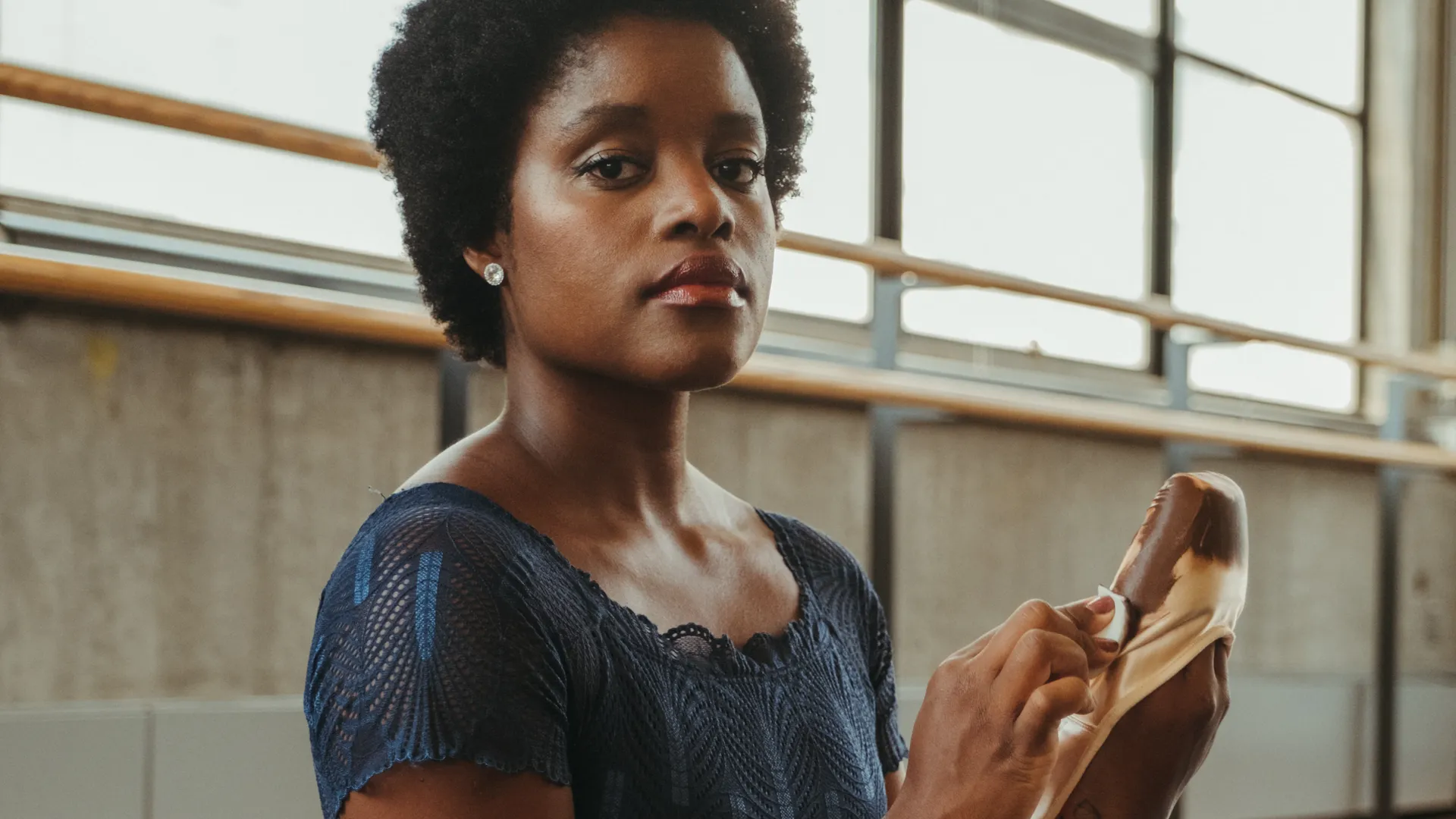
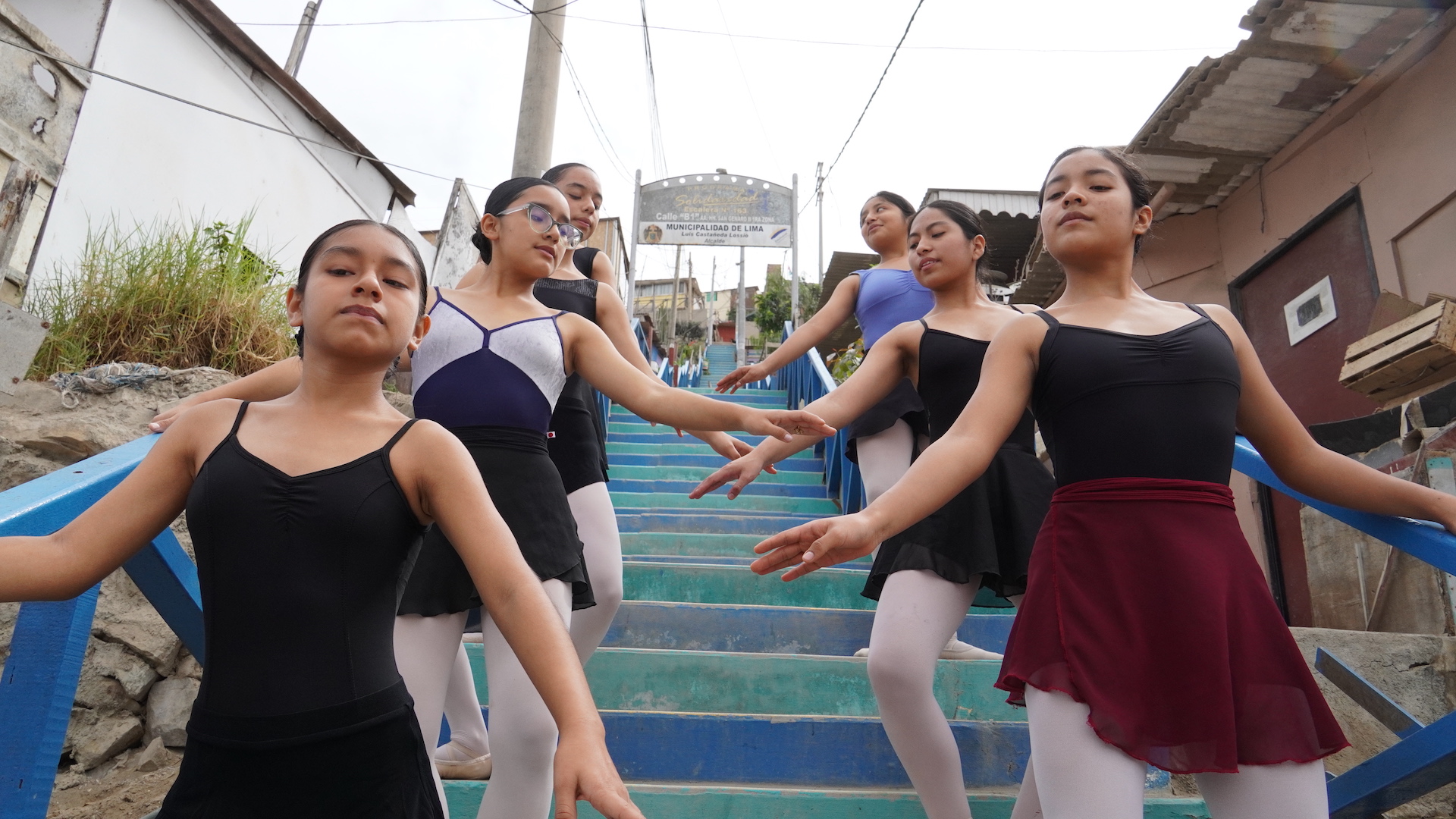
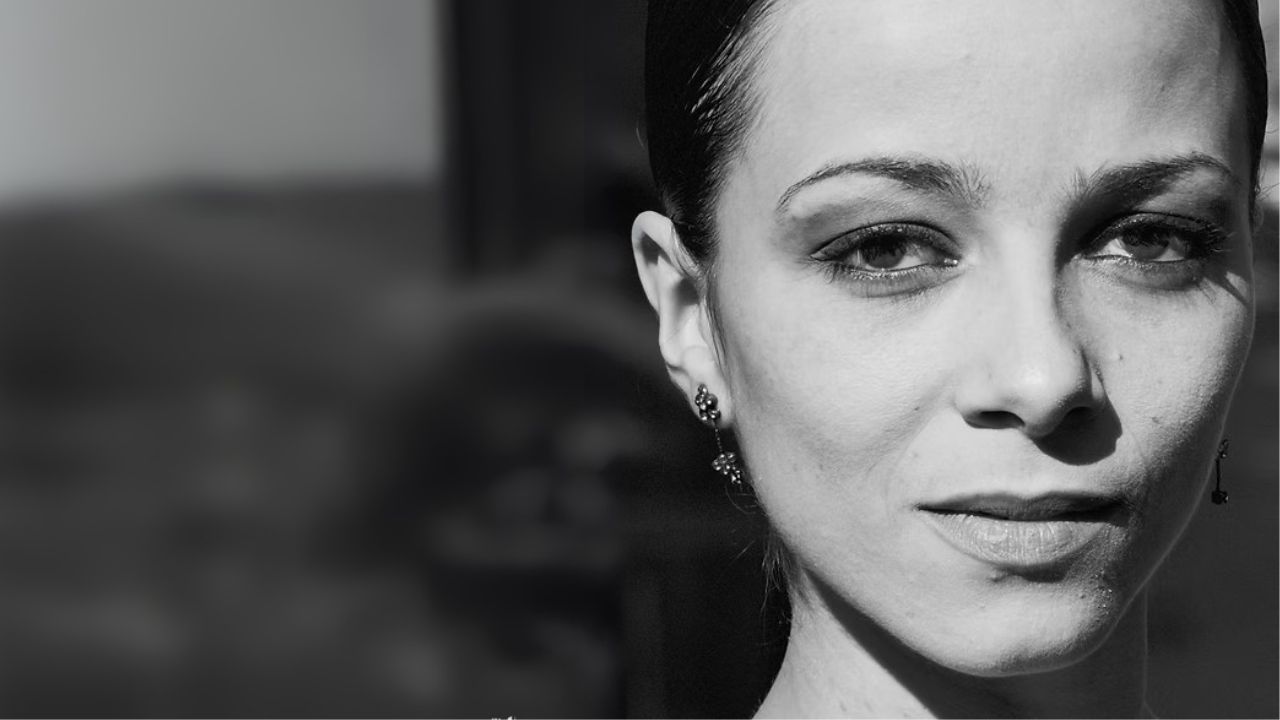
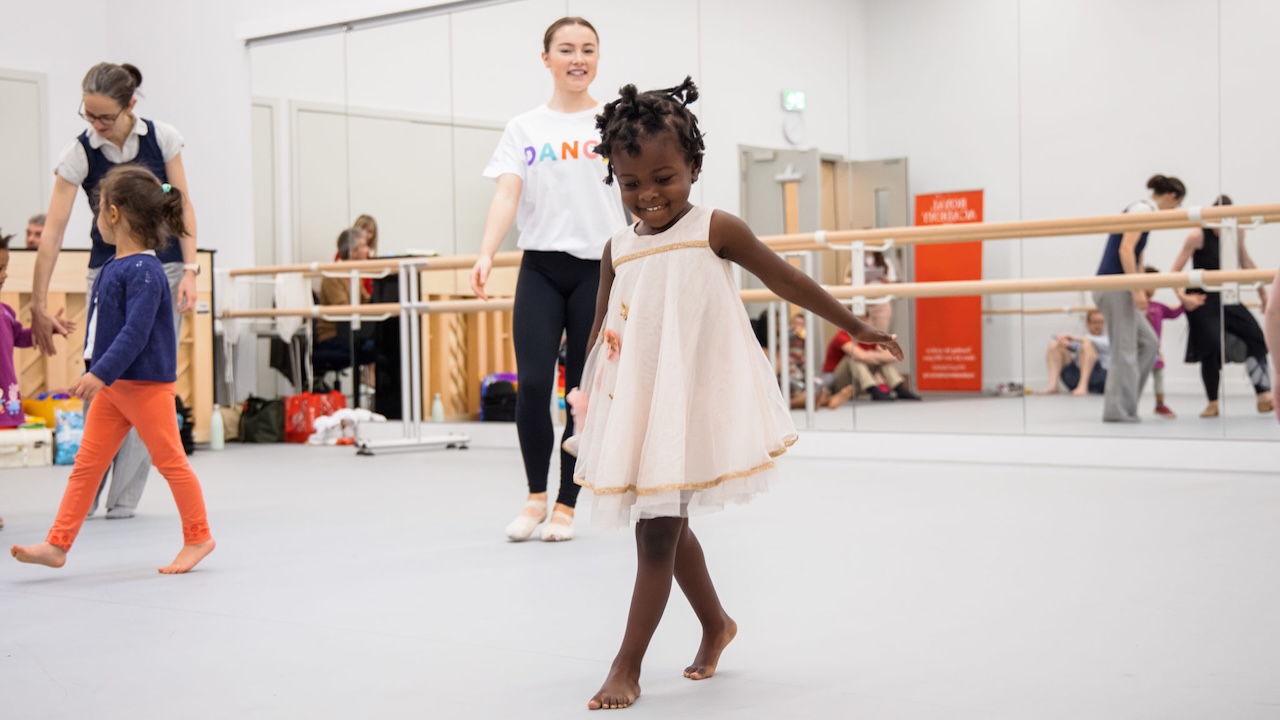
RAD ballet – Stephanie Alvarenga, Estúdio de Ballet Cisne Negro
What I cherish most about my ballet classes is witnessing transformation – from the simplicity of a demi-plié to the grandeur of a grand allegro. It is truly moving to observe the light that radiates from someone’s face as they enter the studio and as they leave. It feels as though they transcend themselves, as if they are reborn. Even amidst the sweat, effort, dedication and focus, that transformation remains visible. They truly shine.
For me, dance is a profound way of discovering oneself. Each day it offers a new challenge, a fresh beginning. It transforms our deepest, most hidden emotions into movement. To dance is to discover oneself with every step, every class – an endless journey that makes us more sensitive, more human and complete.
São Paulo overflows with energy and diversity. It brings together countless cultures, languages and ideas, creating a unique atmosphere that is both vibrant and inspiring. It is this blend that makes it such an extraordinary place to live – and to dance.


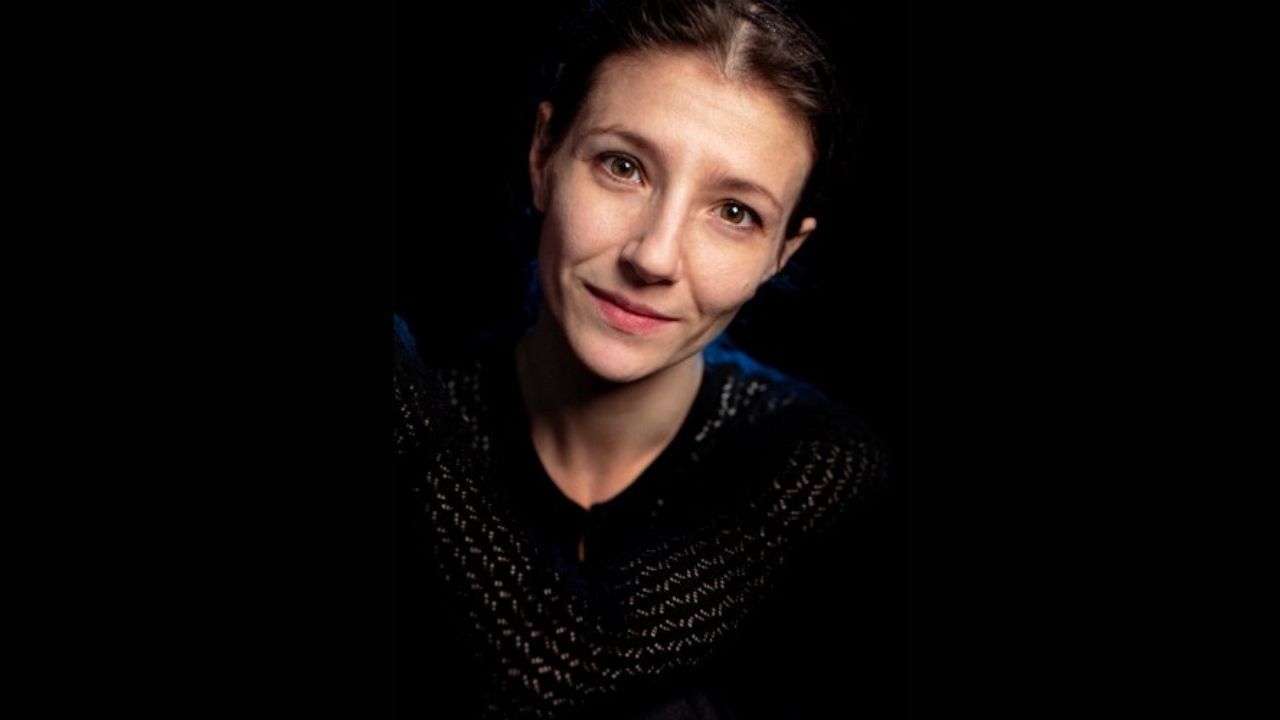
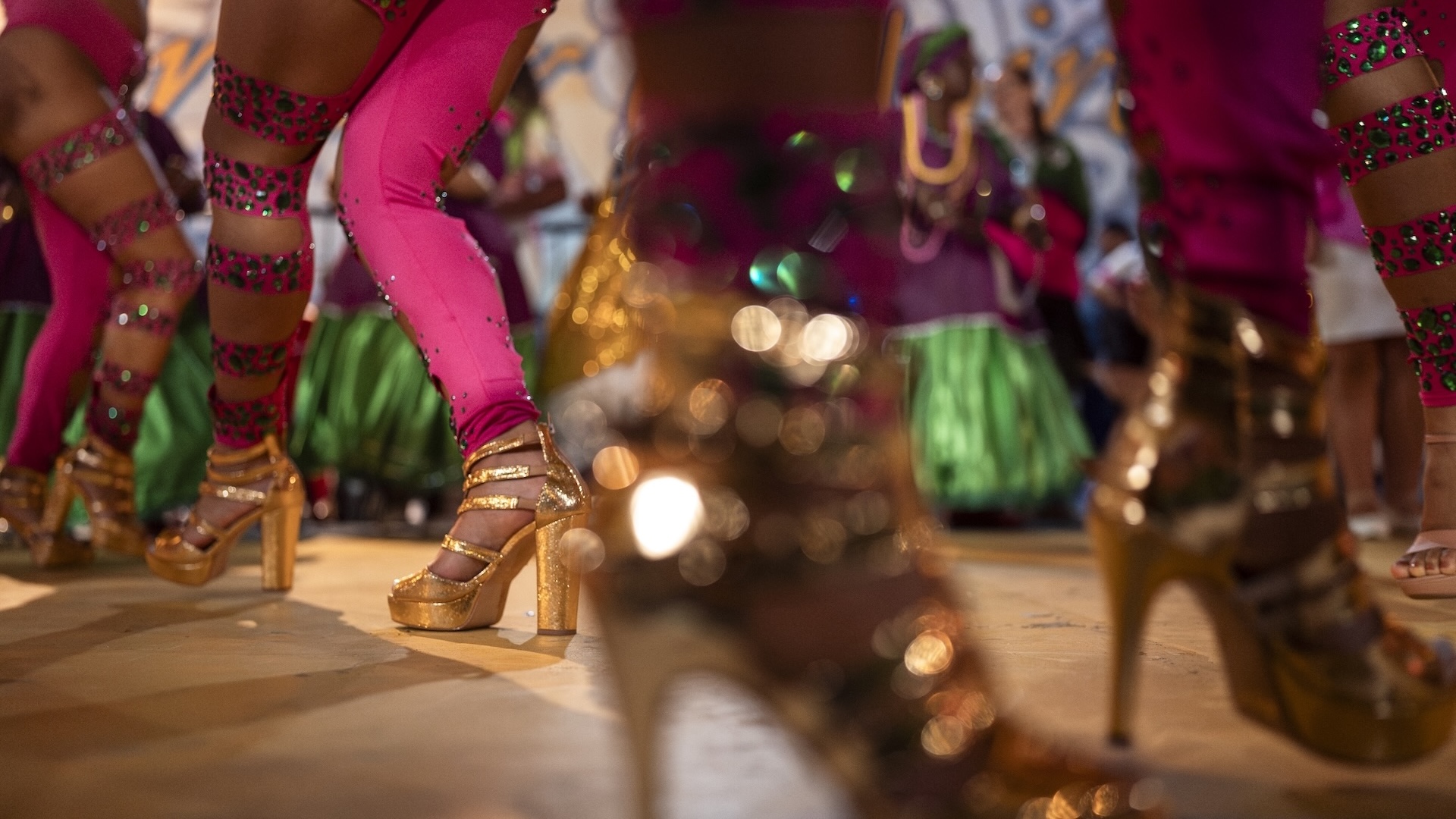
Samba – Carina Moreira, Barroca Zona Sul
What enchants me most about Barroca Zona Sul is the feeling of family. Here we don’t just create art and prepare for Carnival: it’s a place where all ages and backgrounds come together to the same rhythm. The energy, the drumming, the dance – and above all, the people – make our Faculdade do Samba a unique and vibrant space.
In samba, dance is so much more than movement: it is identity, memory, resistance and celebration. Every step carries a story, every sway is a piece of our culture pulsing through us. For me, dancing is the most beautiful way to connect with others and to keep the soul of our people alive. Samba is the heartbeat that makes this connection possible.
São Paulo is immense in every sense: modern, fast-paced, but full of tradition. It’s a city that brings together people from everywhere and turns this mix into culture. For us in samba, São Paulo is both stage and audience: it amplifies our passion, and the warmth of the people transforms every rehearsal and parade into something unforgettable.


Dancing in the park – Estêvão Arruda, MoveBregaFit
Dancing outdoors is an experience that blends freedom and energy. Freedom, because that is what we feel when we dance, and energy, because of the exchange with the people around us, who admire and share their thoughts as we surrender our bodies to dance.
During this rehearsal, I was with my dance group, MoveBregaFit, which incorporates elements of brega-funk, born in the favelas of Pernambuco. All members of the group see each other as family. Our essence is to strengthen each dancer’s individuality through what we share – growing together, both professionally and technically.
As a major metropolis, São Paulo has given me countless networking opportunities. When Pablo Albarenga found us dancing in the park, we had come to the city for a FitDance convention that gathered more than 500 instructors from across Brazil and South America. Small gestures, like Pablo seeing our art, bring us joy and motivation to keep going in this field, which remains challenging due to the lack of recognition it often faces in our country.


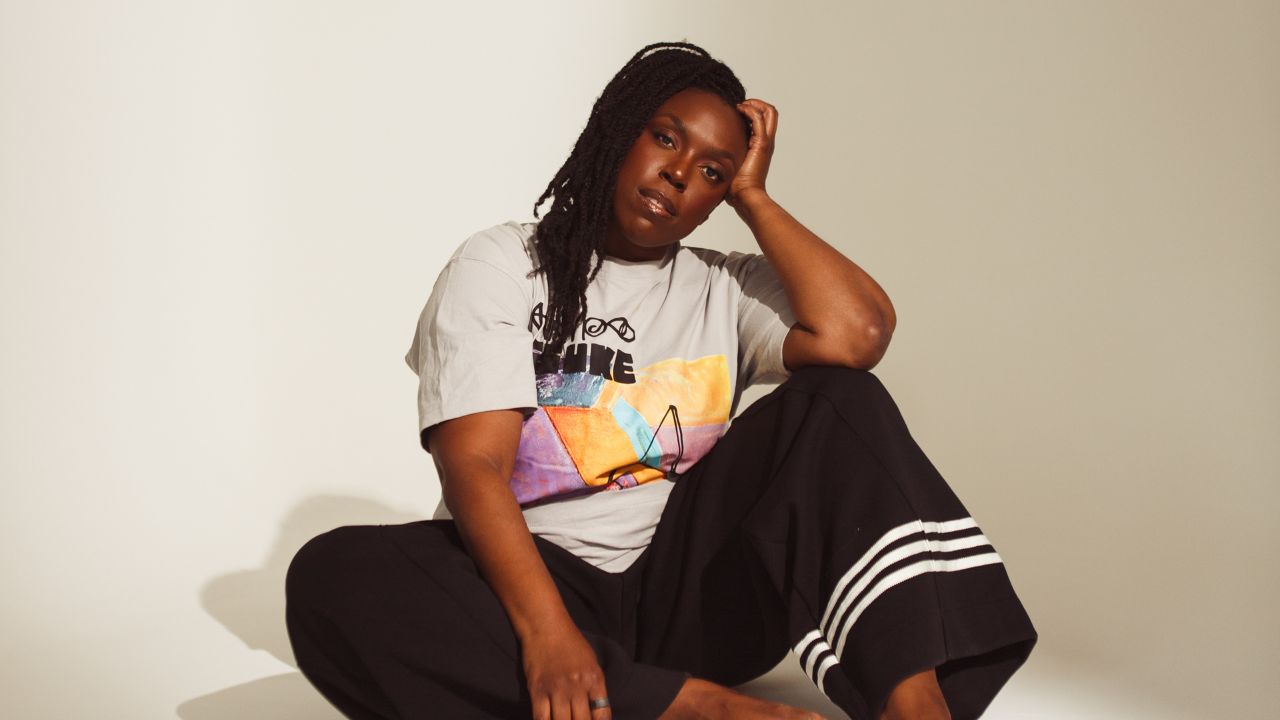
Nightclub – Ana Coutinho, Forró Sapatão
I am an art educator, photographer and cultural producer. I created Forró Sapatão to embrace a diverse and inclusive perspective. Bringing the rhythm of forró [a traditional partner dance] to lesbian, bisexual, transgender and non-binary communities inverts long-established aspects of the dance in Brazil. We’ve been featured on Brazil’s largest broadcasters and recognised by São Paulo City Council. Beyond celebration, we connect music, dance and social impact – through classes, more than 1 ton of food has already been donated to indigenous communities.
Partner dancing promotes the union of bodies. It encourages a mission of uniting people, bringing bodies closer together and connecting human beings, at a time when social and physical distance is ever greater. Dance between two people has the power to dissolve barriers and build loving and happy spaces.
São Paulo is the country’s financial capital and attracts many people from different states in Brazil. Every weekend, we can enjoy Brazil’s north-eastern culture with forró, reggaeton with its Latin American connections, but also northern carimbó or even Rio samba. São Paulo offers opportunities, and the dancing crowd embraces the spectacle.


Pablo Albarenga is a documentary photographer and National Geographic Explorer, based between São Paulo and Montevideo. He was named Photographer of the Year at the 2020 Sony World Photography Awards.