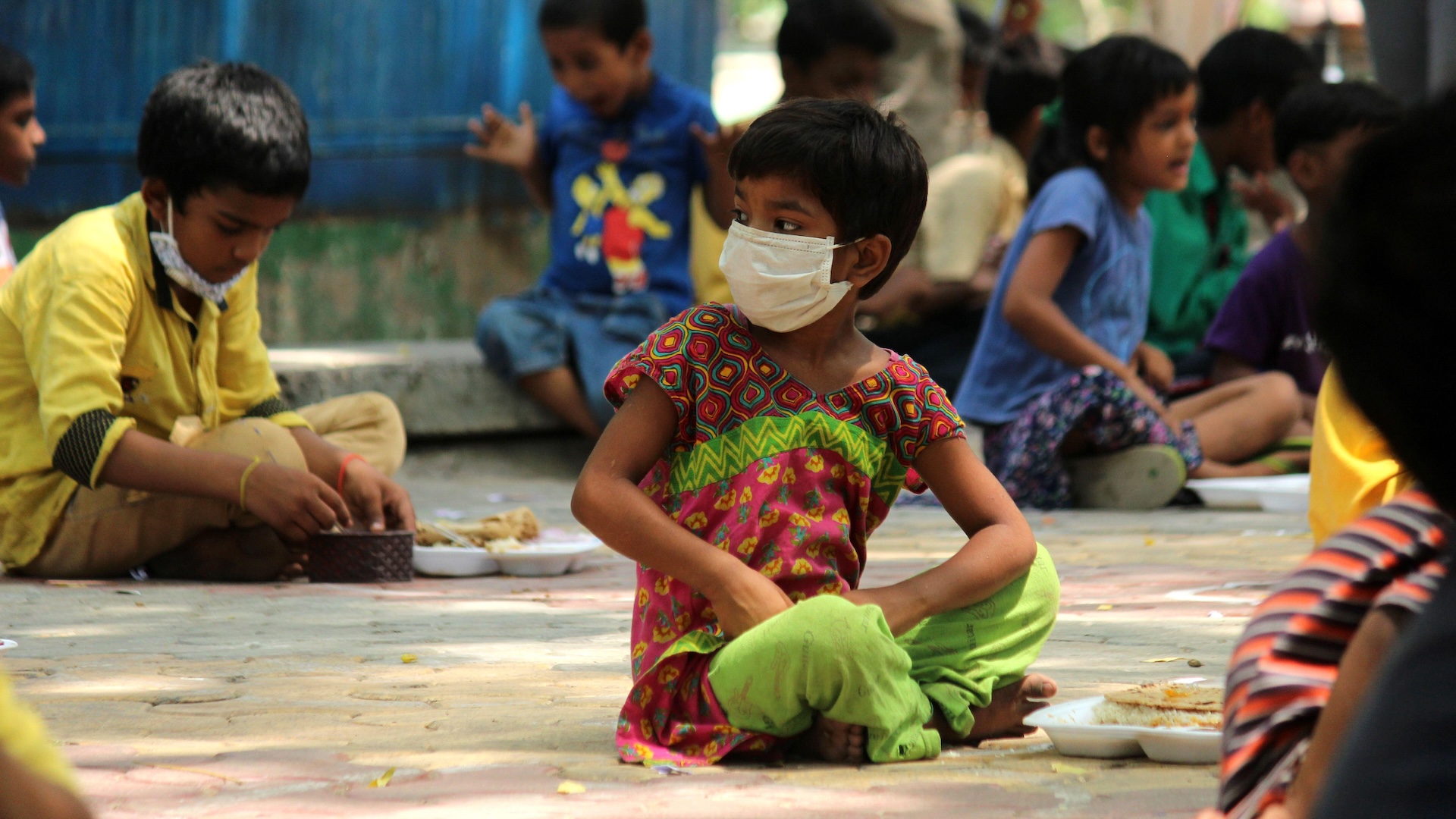
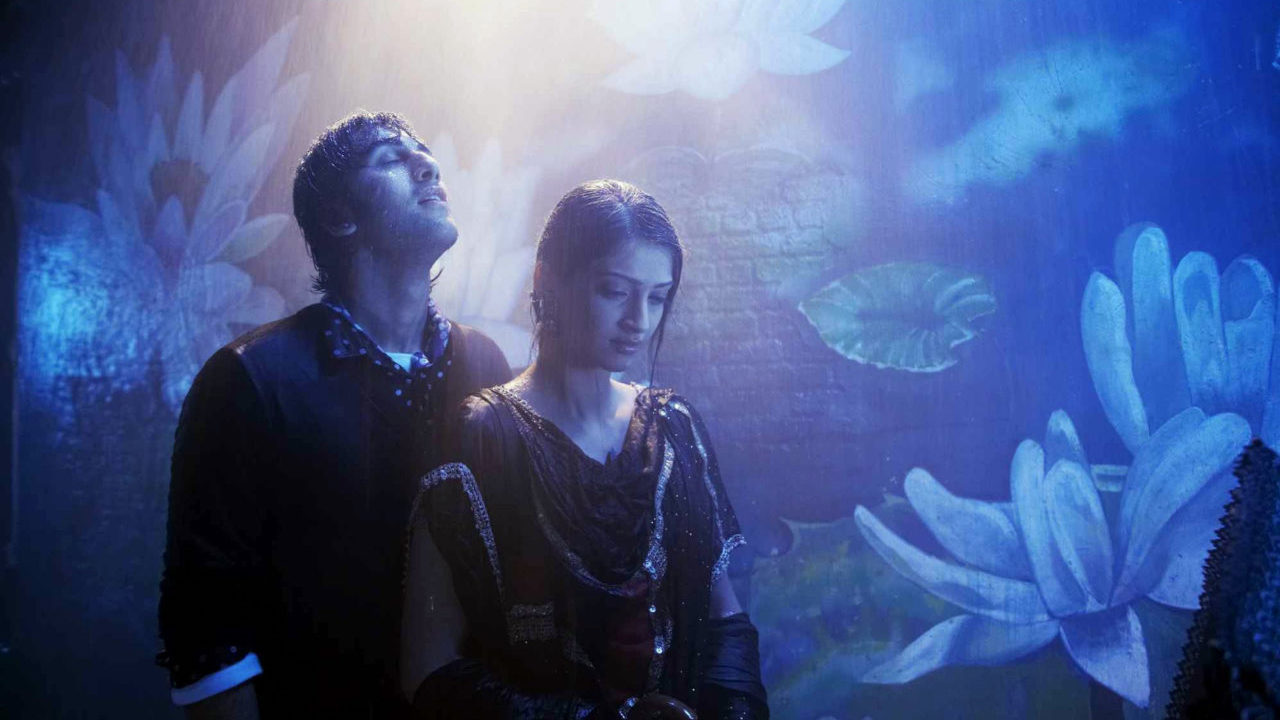
Visit a cinema near to the thronged streets of New Delhi on a weekday afternoon and, among the covert couples and university students, you might see an arresting sight: small figures with unkempt hair, crisp clothing and, on closer inspection, dirty hands and fingernails. On the screen above their heads, feet strike the ground in emphatic rhythm, anklets chime and shoulders roll with flirtation or fury in the classic hook steps of Bollywood dance.
In India, a nation of ancient hierarchies, Bollywood dance is a great leveller. On screen, for a brief and brilliant moment, servants dance beside princes; crowds of strangers mirror lovers’ movements; everyone shares the same heartbeat.
‘Our outreach teams very often find street children in local cinemas,’ says Aarav Kumar, 24, also known as Bobby, a professional actor and dancer, and a graduate of Salaam Baalak Trust, a charity helping street and working children in the Indian capital.
‘Usually the kids will steal cheap new clothing from a rag market and use proceeds from begging to enter into the cinema,’ he continues, as we walk though the narrow streets of medieval Old Delhi, scented with incense from Jain temples and the bubbling ghee of roadside snack stalls. ‘Cinemas are warm in winter and cool in hot summers,’ Bobby continues. ‘But it is also a place they can dream.’
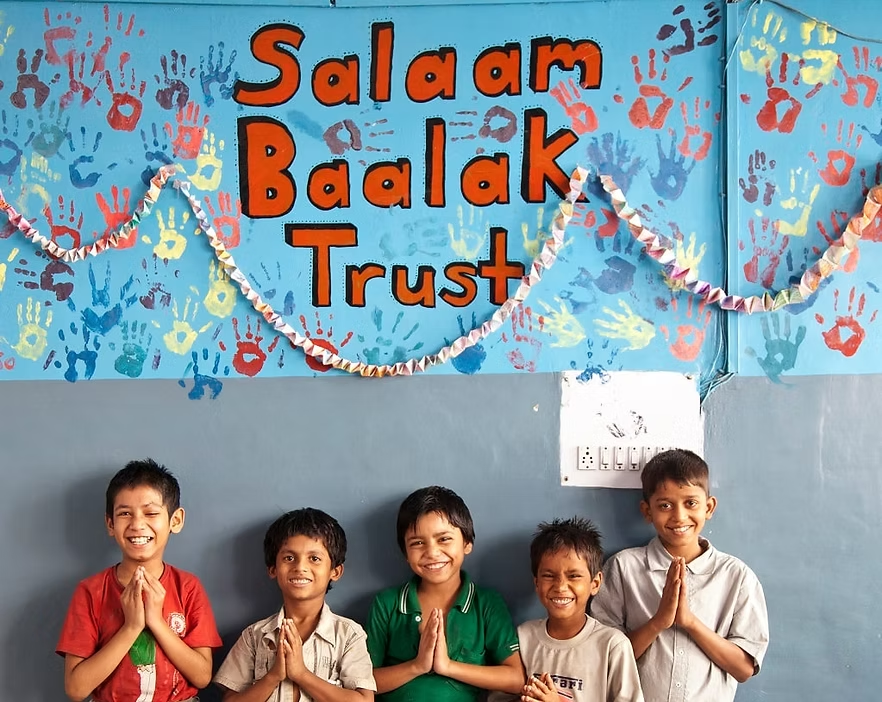
Salaam Baalak Trust was founded in 1988 with seed funding from the proceeds of Mira Nair’s film Salaam Bombay! which depicted the harsh realities of street children’s lives in India’s commercial capital, and led to nationwide outrage. Salaam Baalak translates as ‘a salute to a child’: initially the charity ran a small outreach operation at the central New Delhi rail station, where charities estimate that 40 lost and runaway children arrive each day, to be absorbed into the vast communities of homeless people who camp near the city’s transport hubs. The trust now runs five full‑time residential shelter homes and 13 day care centres across Delhi. Its initiatives include the Salaam Baalak City Walk, where former street children guide visitors around New Delhi Railway Station and historic Old Delhi, sharing their experiences as they walk. Bobby is leading my street tour today.
‘Our outreach teams often find street children in cinemas – a place they can dream’
Bobby
Pausing beside the stall of a street cobbler, whose sign proudly advertises ‘working for 70 years on this very place’, Bobby tells me his own life story. Now aged 24, he came to Salaam Baalak aged nine via another child shelter, when his single mother could not afford to raise Bobby and his two elder brothers. ‘This was also a time when child welfare committees removed children from single mothers,’ he says.
From an early age, Bobby aspired to become a performer with the gravitas of Shah Rukh Khan, the charismatic veteran actor known for signature dance moves such as the ‘romantic lean’ and exuberant dervish-like spinning. However Bobby was most interested in fusion forms of Bollywood, hip hop, b-boy and salsa dancing. His career highlights include A Pause in Youth (युव विराम), a social drama exploring disillusionment among rising India’s youth and being a contestant on TV talent shows Dance India Dance and Dance+. Bobby returned to his mother’s care in his teens, through a government support scheme for single parents, and continued as a day student at the trust. ‘Being in Bollywood was my mother’s dream but her life was too hard, so she is very proud of me,’ he says.
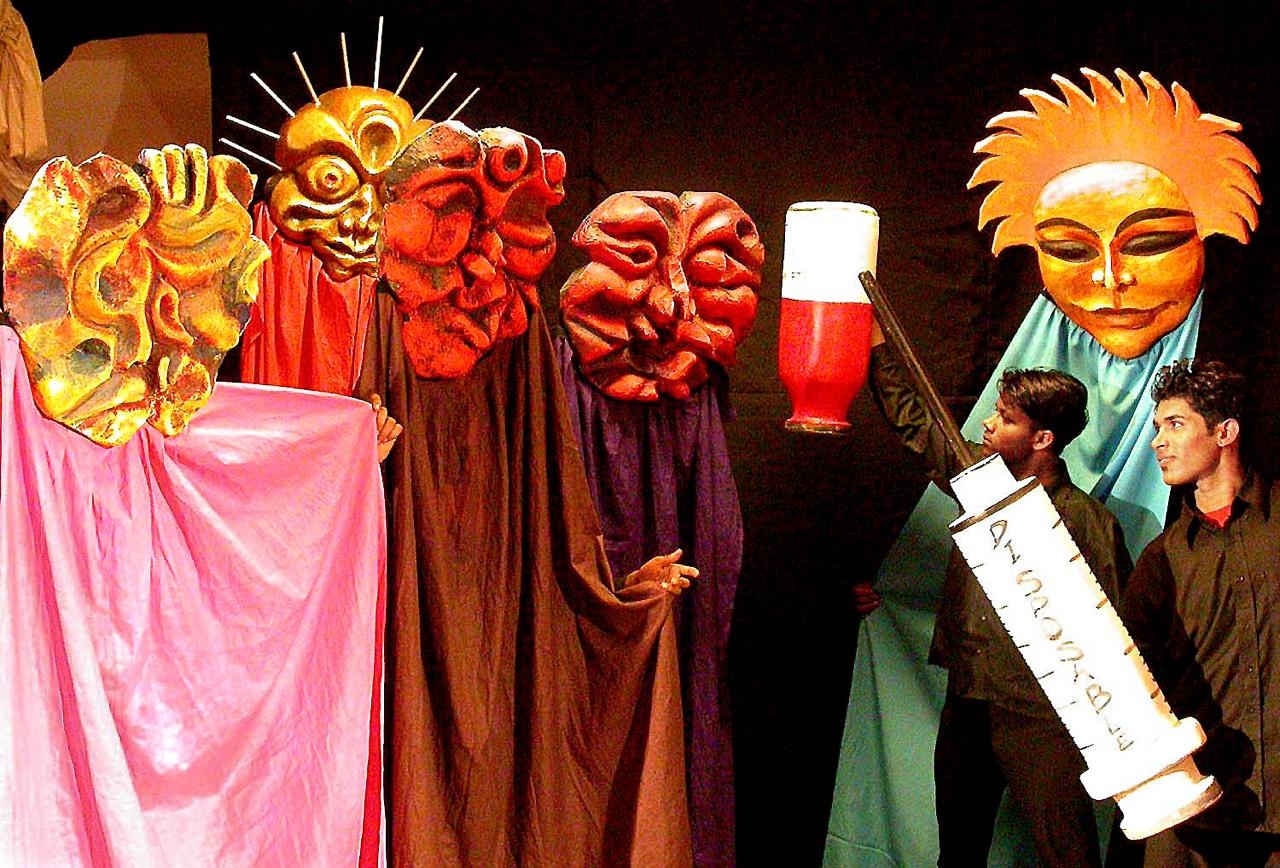
As well as counselling, national-standard schooling and family reunification where appropriate (through the trust’s lost children bureau), Salaam Baalak equips its charges with vocational training in fields including technology, handicrafts, small business and, for a small but notable cohort, the performing arts, through weekly dance and acting lessons. The trust’s graduates include Mumbai-based Bollywood and street dancer and actor Avinash Kumar; popular choreographer Rohit Verma; and Pankaj Gupta, a dancer and choreographer on touring shows such as Interpreting Tagore, inspired by the works of Nobel laureate Rabindranath Tagore.
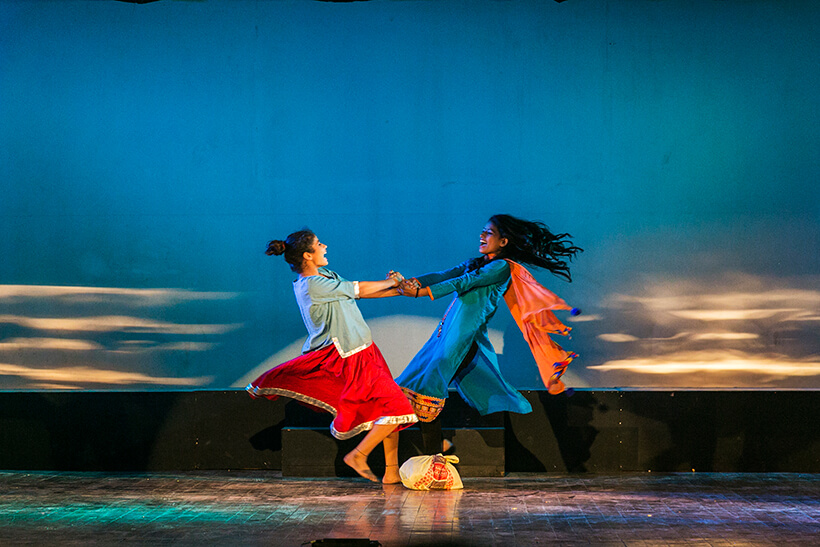
‘Being in Bollywood was my mother’s dream but her life was too hard’
Bobby
‘Zero to hero’ is a clichéd phrase in popular India, used to denote the rags to riches tales of poor rural kids beating the odds. With classical Indian dance, Bollywood and competition dance scenes booming in a rising India, there are opportunities for ambitious young performers. For those who lack social capital, and adult steering, there are also risks. Too many vulnerable street kids and orphans think they will make it in the arts by reaching Mumbai, the movie production capital – but often end up being pulled into street life, begging rackets and criminality.
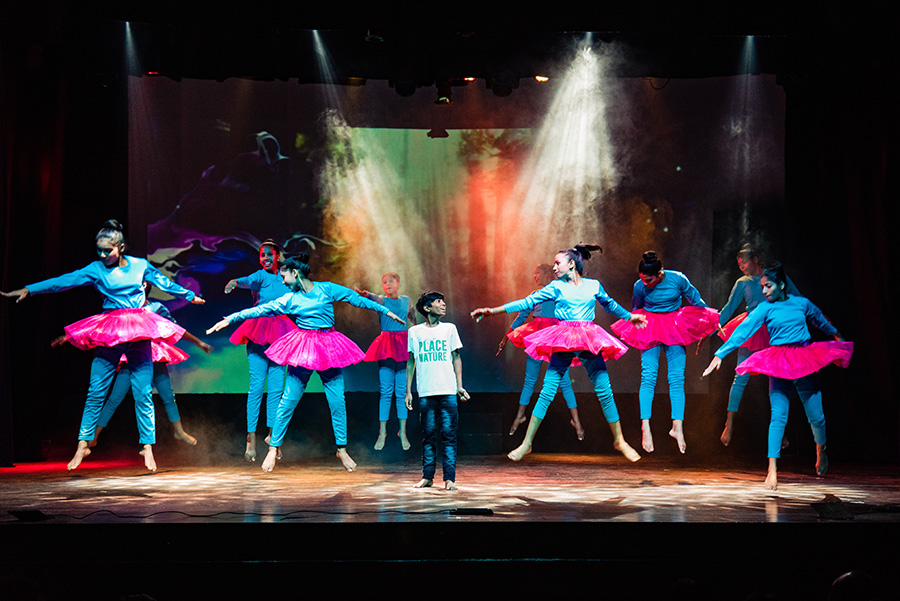
Ballet, by contrast, is the preserve of children of India’s metropolitan elite. ‘It is not a traditional Indian style, so classes are expensive,’ Bobby says. Even for classical Indian dance forms such as Bharatanatyam from Tamil Nadu, and North Indian Kathak, entry routes are usually resource-dependent, although bright spots include scholarships provided to underprivileged students by the Institute of Classical & Modern Dance in Mumbai, and Dance Out Of Poverty, an Indian non-profit that offers free dance education to children living in slums in Delhi, Mumbai and Hyderabad.
A few days later I speak to Pankaj Gupta, 36, a former Salaam Baalak shelter child who arrived at the trust aged eight. He had run away from Firozabad in Uttar Pradesh after his mother fled his violent alcoholic father, who had forced Gupta to work long hours in a bangle-making factory. Gupta’s brother, who had been sent to work in a dhaba (roadside restaurant) was discovered by an NGO and referred to Salaam Baalak 130 miles north in Delhi. After being taken back to Firozabad by his father, Gupta again ran back to Delhi as a train stowaway and was eventually raised at one of the trust’s residential centres.
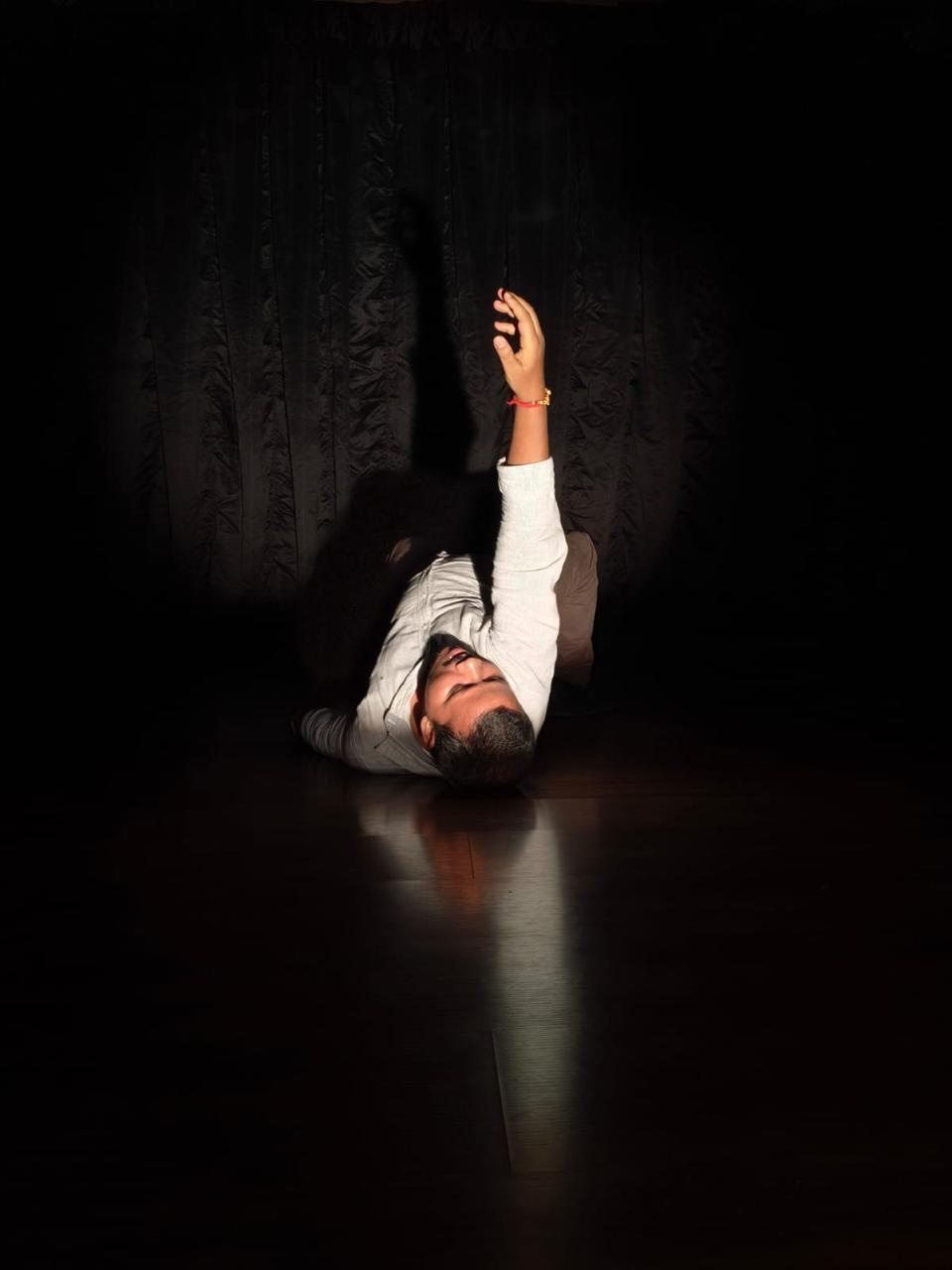
‘Performing is no easy choice but if you are passionate and work hard you can make it’
Pankaj Gupta
He pursued theatre and dance training with the trust’s support ‘and the utmost passion’ in 2007 and went on to perform globally with the company of contemporary dance pioneer and choreographer Astad Deboo. He has since starred in mainstream Bollywood musicals, in Delhi Crime, a Netflix drama based on a notorious 2012 gang rape case, and as an acting coach on the 2025 Oscar-nominated short Anuja. He also directs the trust’s annual play featuring children in its shelter. ‘I feel really grateful about the path my career has taken,’ Gupta says. ‘Performing is not an easy choice in life but I say to children like me that if you are passionate and work hard you can make it.’
A few days after the street tour I visit Apnagharopen, one of the trust’s residential shelters for boys. Here, programme director and teacher Kavita Bhatt shows me the boys’ dormitories, a medical treatment room where new arrivals are treated for malnutrition and infectious diseases, and a classroom where a maths lesson is underway. Dressed in sweatshirts and bobble hats, the students are small for their age; most wear the telltale facial scarring borne of street life.
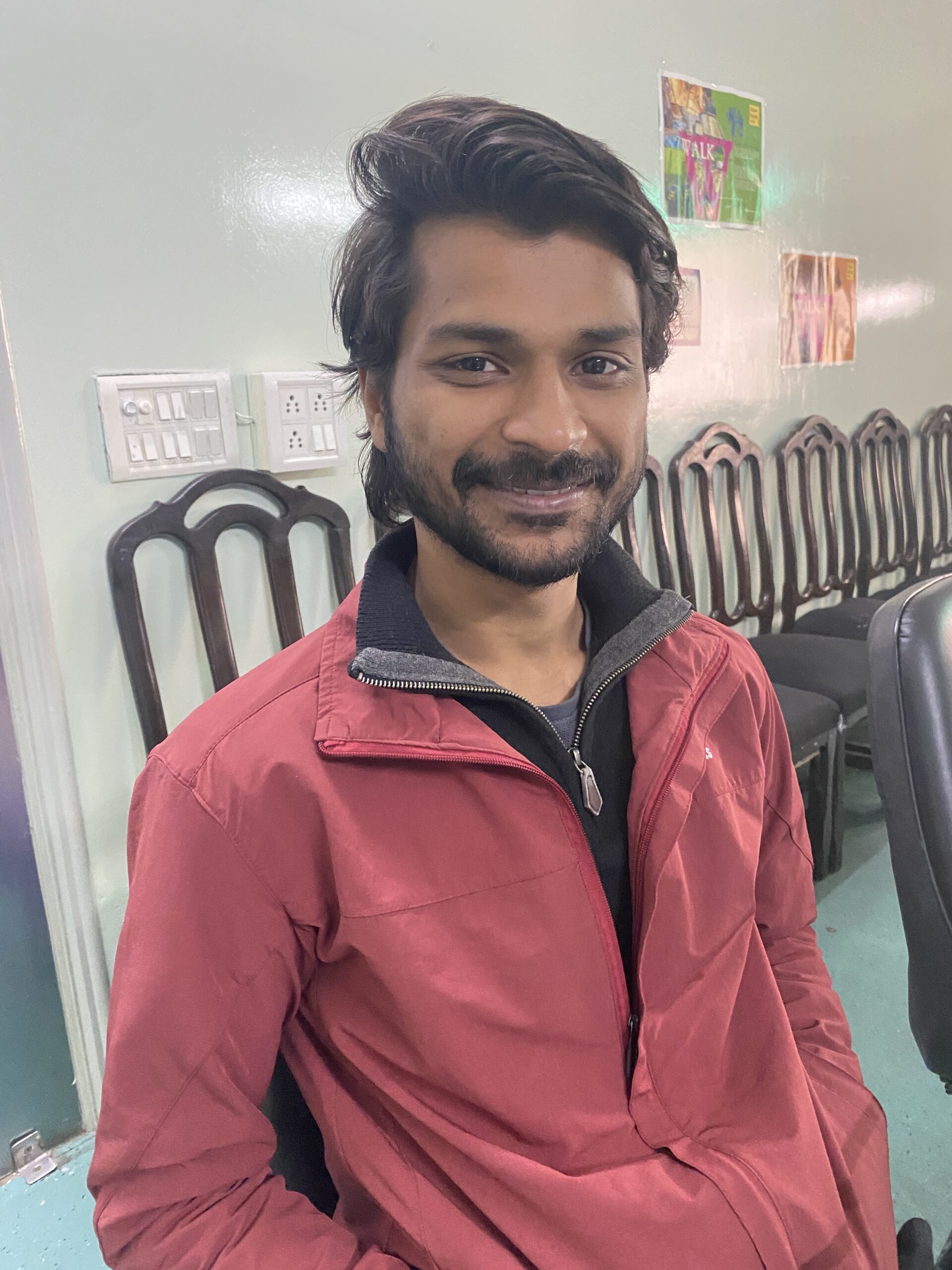
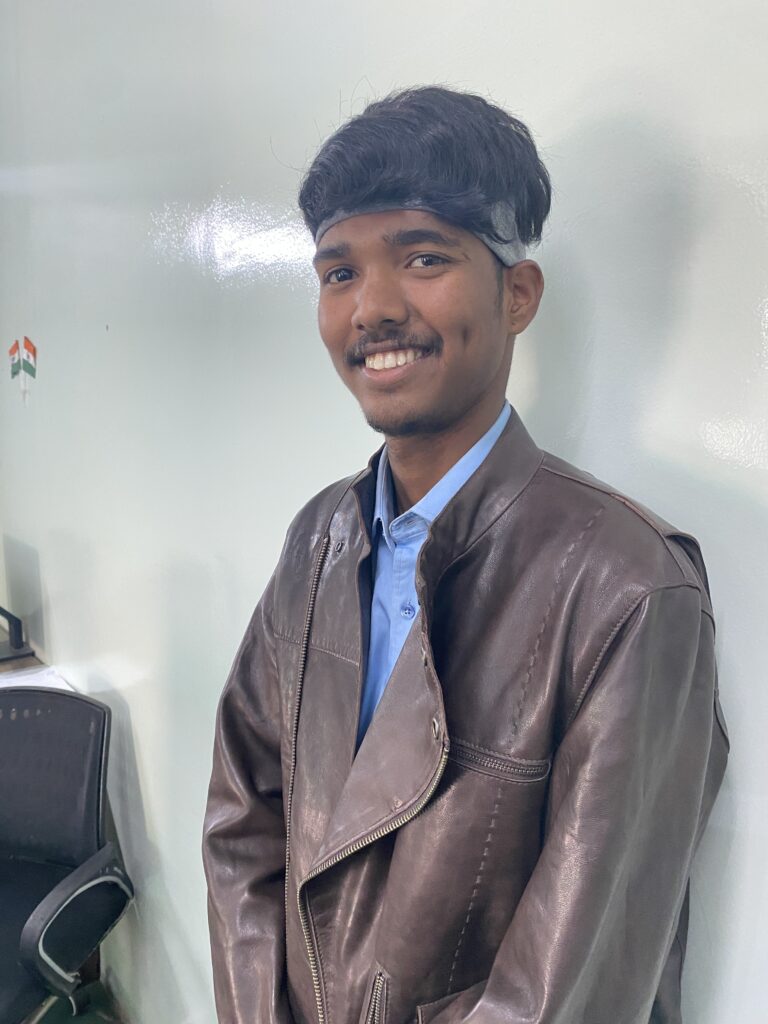
At the trust’s nearby head office I meet Arjun, 16, a cheerful teenager with a wide smile. Aged six, Arjun ran away from beatings at the hands of his father and lived on the streets in Bengal. Erroneously accused of street theft, he was taken into a juvenile correction home in Lucknow. Eventually making his way to Salaam Baalak in Delhi, he has learned to read, write, speak English and dance. Arjun, he tells me, also aspires to become a professional dancer or sports coach. His hero is Prabhu Deva, the innovative movie choreographer nicknamed India’s Michael Jackson. ‘His style is like water and I want to dance that way too,’ Arjun smiles.
Today, as every day, hundreds of unaccompanied children will arrive at India’s major transport hubs – some lost or orphaned, others fleeing abuse. Without intervention, street children are at high risk of child labour and exploitation, diseases such as TB and diarrhoea, and early mortality. Happily, their odds are improving thanks to organisations such as Salaam Baalak Trust, who offer not just shelter and sustenance, but the luxury of a place to dream.

‘Bombay has this relentless, crazy energy.’ Broadening access to dance in India.
Read moreSally Howard writes for the Sunday Times and others, and is author of The Kama Sutra Diaries and The Home Stretch.