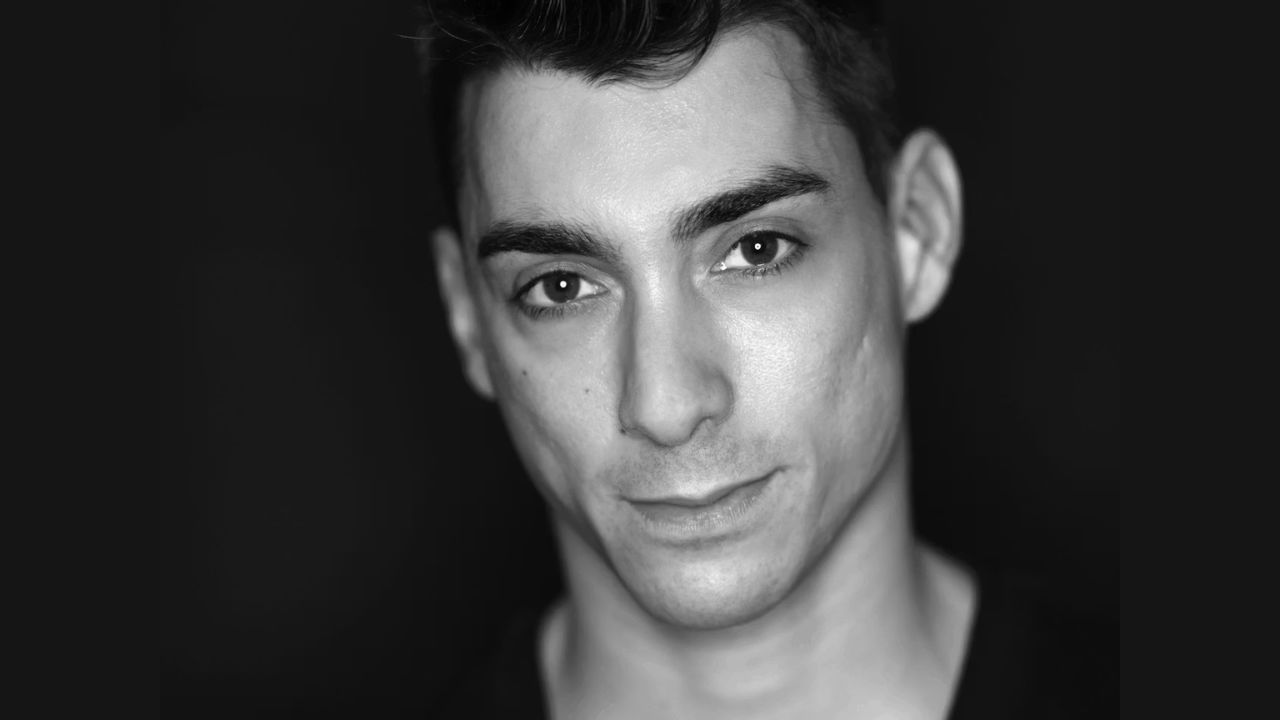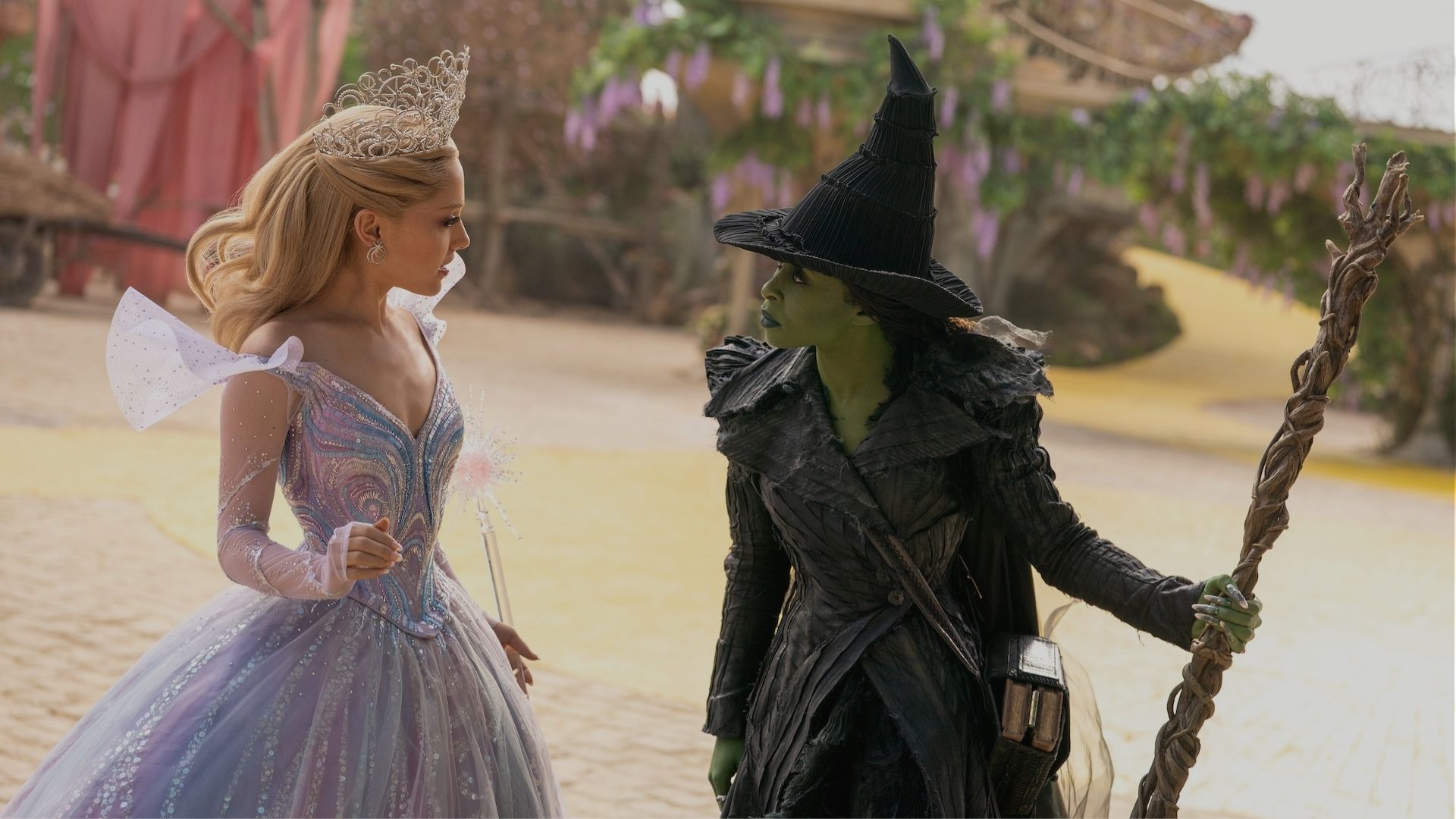
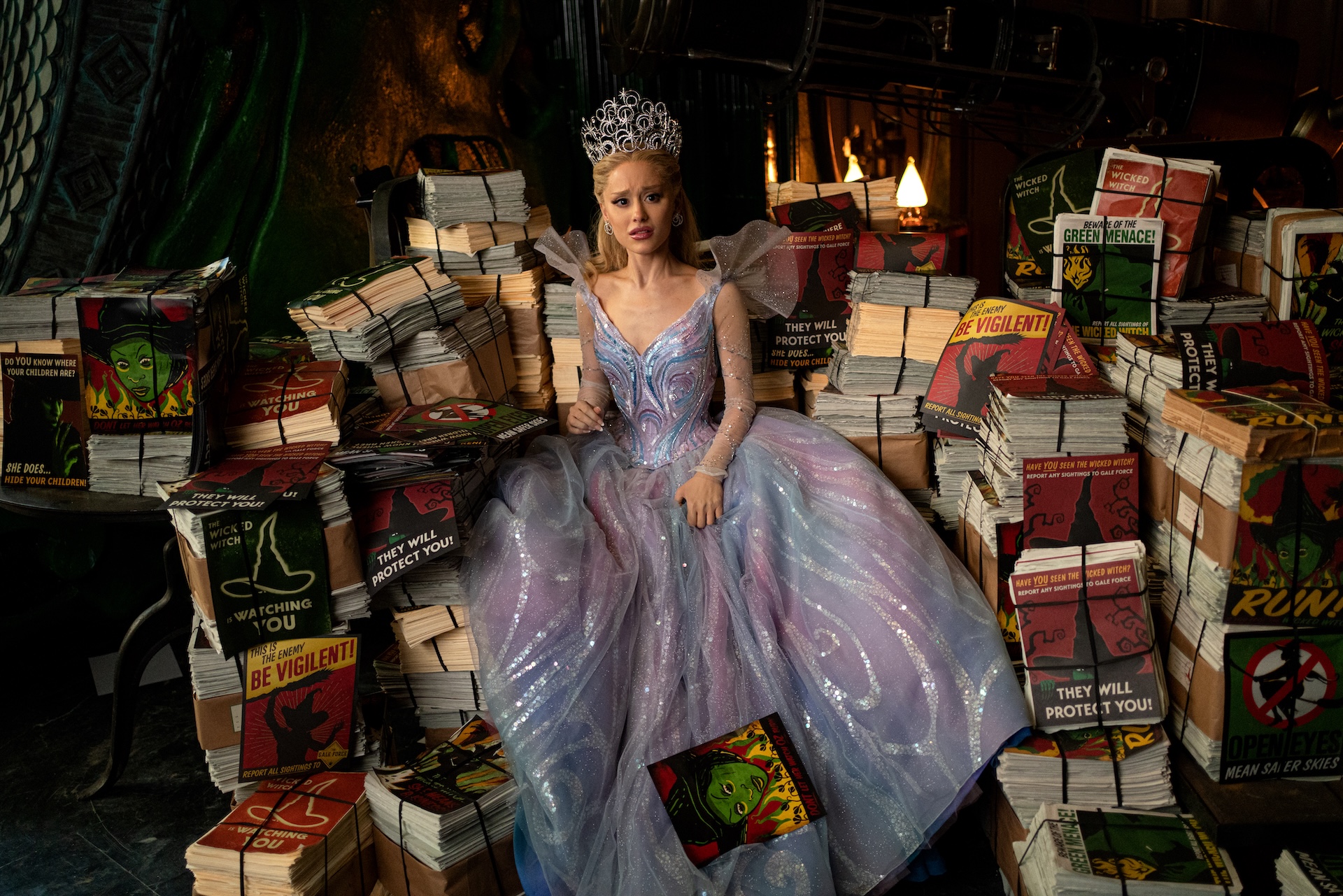
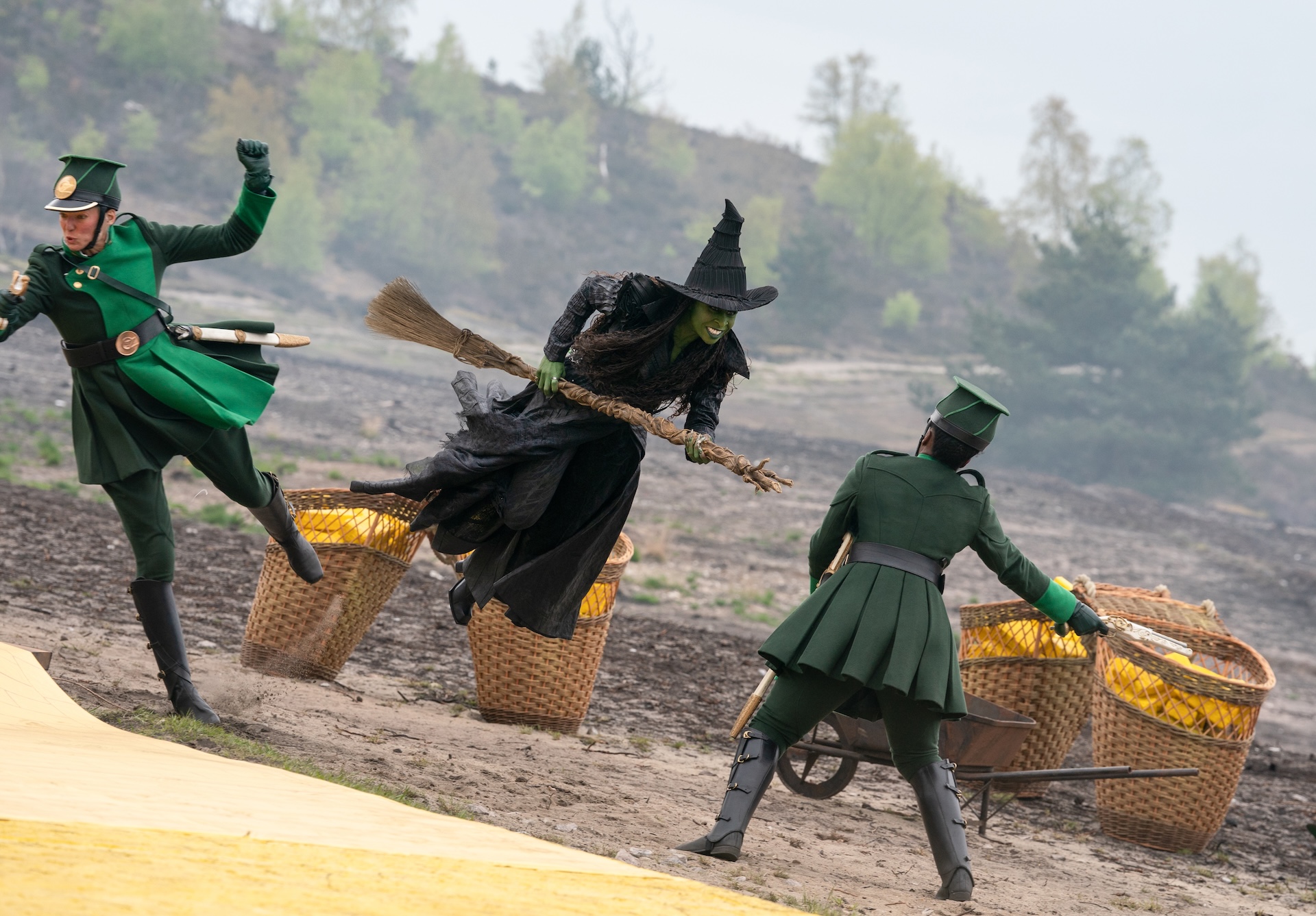
‘From tap dancing on Third Street Promenade to choreographing across a yellow brick road in Oz is crazy.’ Christopher Scott is reflecting on a wild ride of a career. Oz and the yellow brick road we know about – you’d have to live under a rock to miss the hullaballoo around the two Wicked movies, for which Scott choreographed Cynthia Erivo, Ariana Grande and a whole pack of munchkins.
But Third Street Promenade? That’s the Santa Monica esplanade where Scott came of age. His mentors, tapping twins John and Sean Scott (no relation), taught him the art of gathering a crowd and opening their wallets. ‘That’s where I learned everything,’ he recalls. ‘They would start shuffling around on the board, creating a little bit of noise.’ Scott has since created attention-grabbing dance on tv’s So You Think You Can Dance, for artists such as Miley Cyrus and Gloria Estefan, and for hit film musicals In the Heights, Wicked and Wicked: For Good – but he pays tribute to his hard-hustle beginnings. ‘I am very aware of an audience. You have to pull them in, because if you don’t, you’re not paying the rent. That was very freeing, knowing that if worst comes to worst I can go out and perform, and I won’t starve.’
‘Getting spectators to open their wallets is an art form’
Christopher Scott
Street performance is, Scott admits, ‘an ultimate confidence builder – or it can break you. It’s an audience that didn’t buy a ticket. They will walk off in your face. Every day you track how much people enjoy the show based on how much money you got in that bucket. You have to make them feel lucky that they got this unexpected little gift – to get them to open their wallets is an art form.’ Today, he’ll still stop, watch and drop something in a street artist’s bucket.
Already a fan of Wicked on stage, Scott knew what he was getting into: ‘I felt the pressure, but if I thought about how easy it is to screw this up and upset the fans, I don’t know if I’d have got through it, to be honest.’ Setting aside memories of Wayne Cilento’s ‘genius’ original choreography, he sought out specialist associates and over 300 dancers, ‘from all different backgrounds.’ Many of his picks for specific scenes came from street dance: unlike Broadway hoofers, ‘they didn’t have to sing or do all the different styles of choreography, or partner people.’
Scott hopes to push the envelope of dance for musicals. ‘I have a thought that I never really got to express,’ he says. Musical theatre dance, he muses, already includes jazz, modern and tap. ‘When I do a musical like Wicked, if I can bring street dance in, then we shake up what you consider musical theatre dancing. You should pull in whatever makes sense to tell that story in the most authentic way you can.’ Broadway should look to street dance, he argues, ‘because the level of artistry and storytelling in that community is top notch. A lot of times when I work with street dancers in musicals, they’re like, we never thought we’d be in something like this. Which is crazy to me. Flexing is as Oz-y as it gets! Bone breaking, popping are as Oz-y as it gets.’
‘If I bring street dance into Wicked, we shake up musical theatre dancing’
Christopher Scott
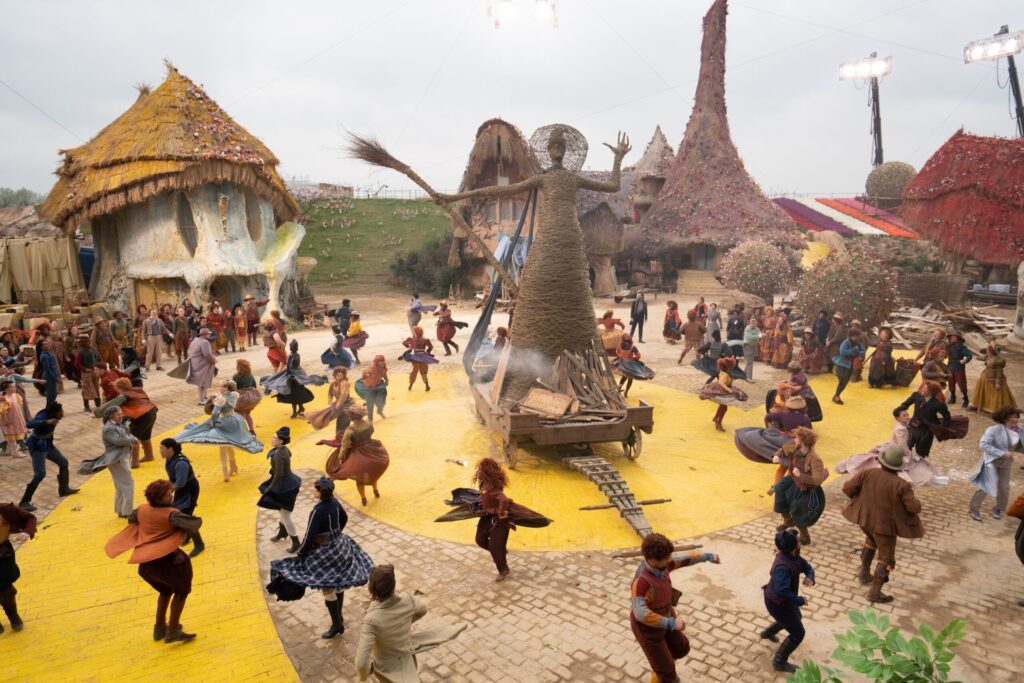
Scott’s favourite dancers, he smiles, are already ‘bending reality through movement.’ Wicked may be magical, but Scott’s movement is notably stompy – the sequences are often quite literally grounded. Locating reality in movement is his job, he says: without it, ‘I can’t even create, to be honest, I get blocked.’ Take the opening number, No One Mourns the Wicked: ‘it feels like a war has just ended, in the community’s mind,’ says Scott. ‘When wars end, people go on the street and they dance. People sing, they protest, they’re out in front of government buildings – it’s not fake.’
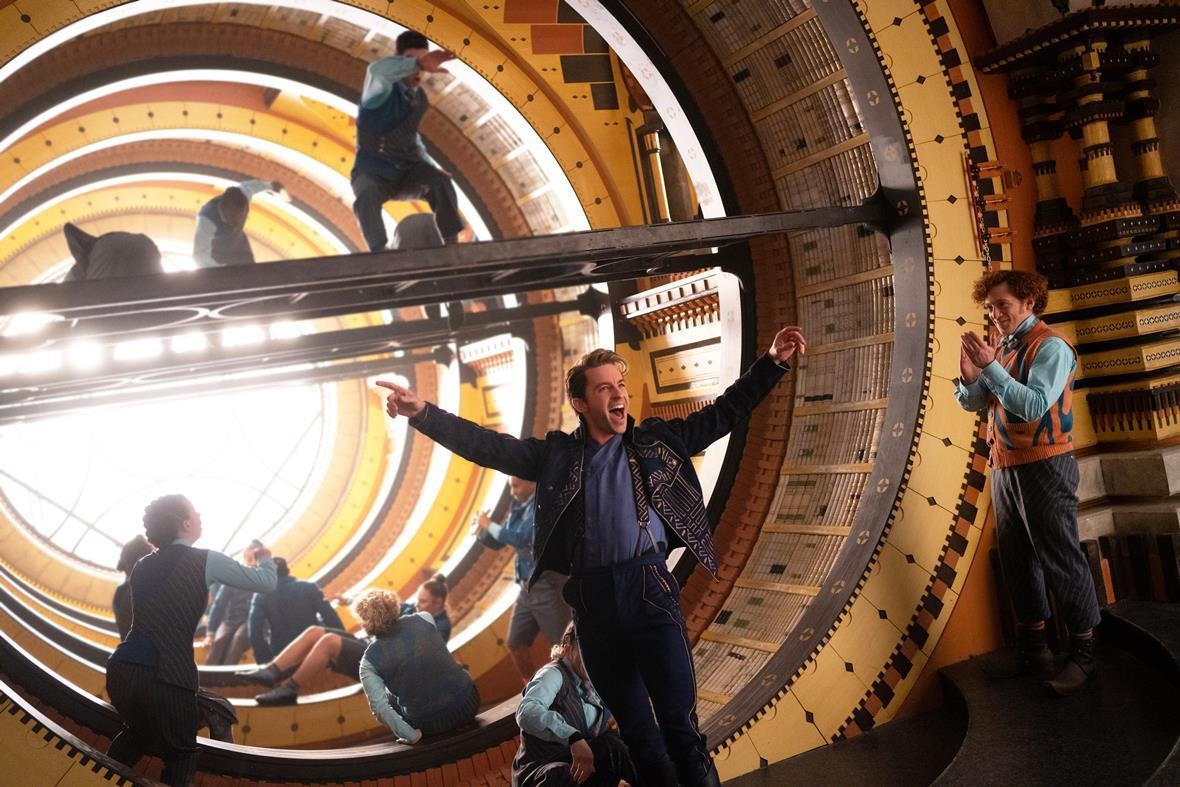
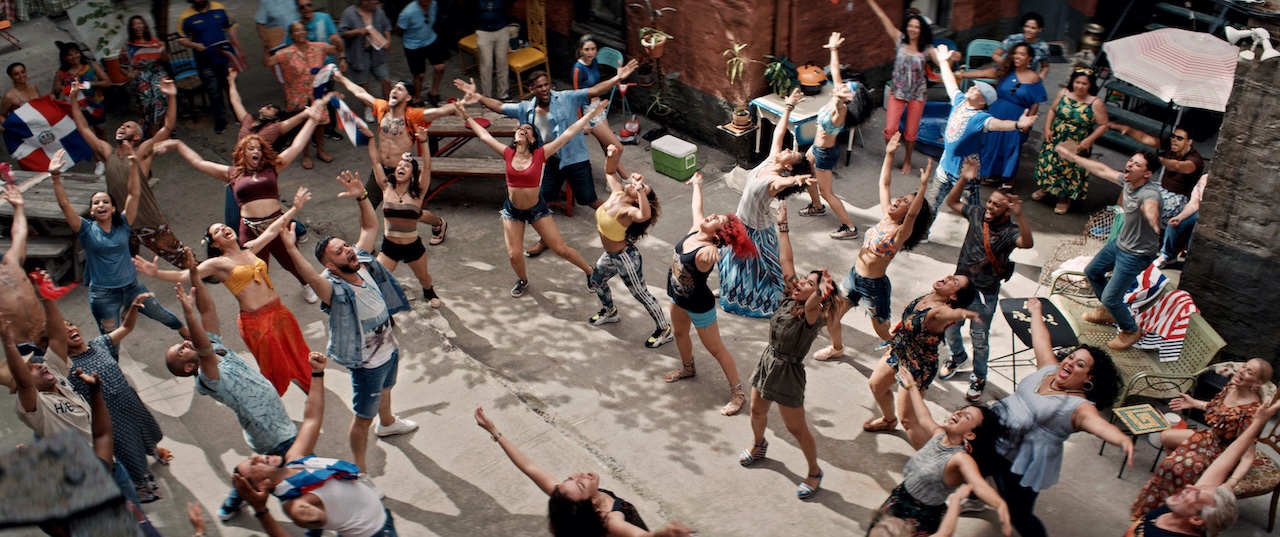
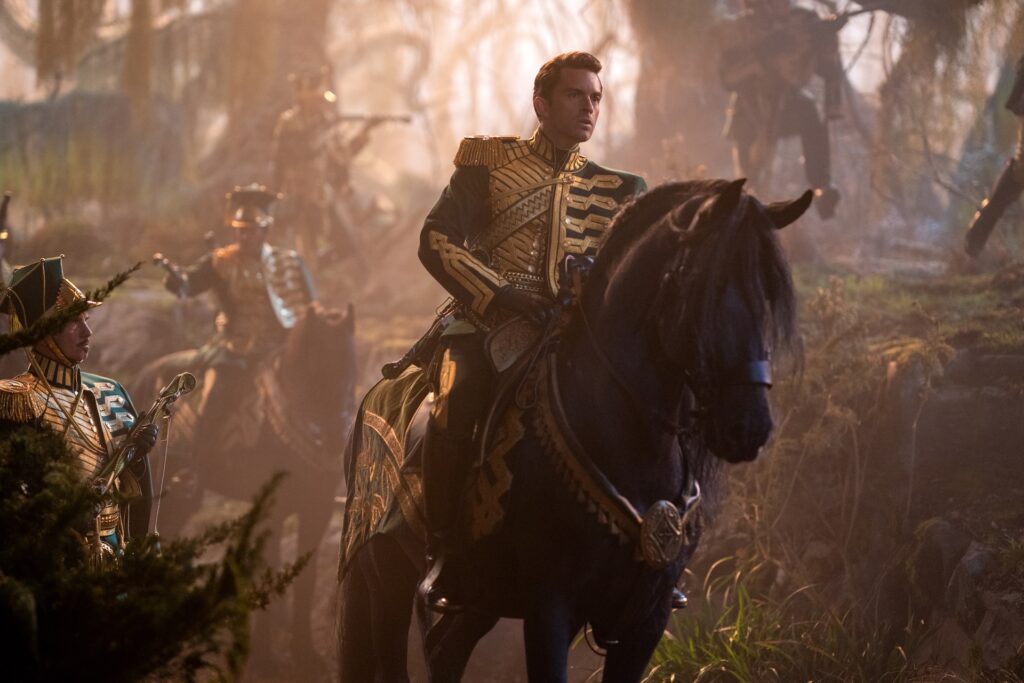
The story ranges through varied settings, where Scott ‘could be moved by whatever culture feels right’ – from structured, military Winky country to Munchkinland, ‘which felt very working class, rooted in ritual.’ His Munchkins draw on Latin dances, while popping, one of his favourite hip hop styles, emerges in One Short Day, the song which introduces the Emerald City. ‘It’s a metropolitan city, so let’s show styles born in those spaces.’
Cynthia Erivo shares Scott’s street dance background – she has worked with famed London crew Boy Blue. Her request to him was: ‘go hard on me.’ He adds, ‘those women [Erivo and co-star Ariana Grande] were carrying so much, on their shoulders and in their bodies and their brains. But Cynthia and Ari never told me, Oh, we’re good. Never. They always want to do it again, because they know how important it is. It was a dream, man.’
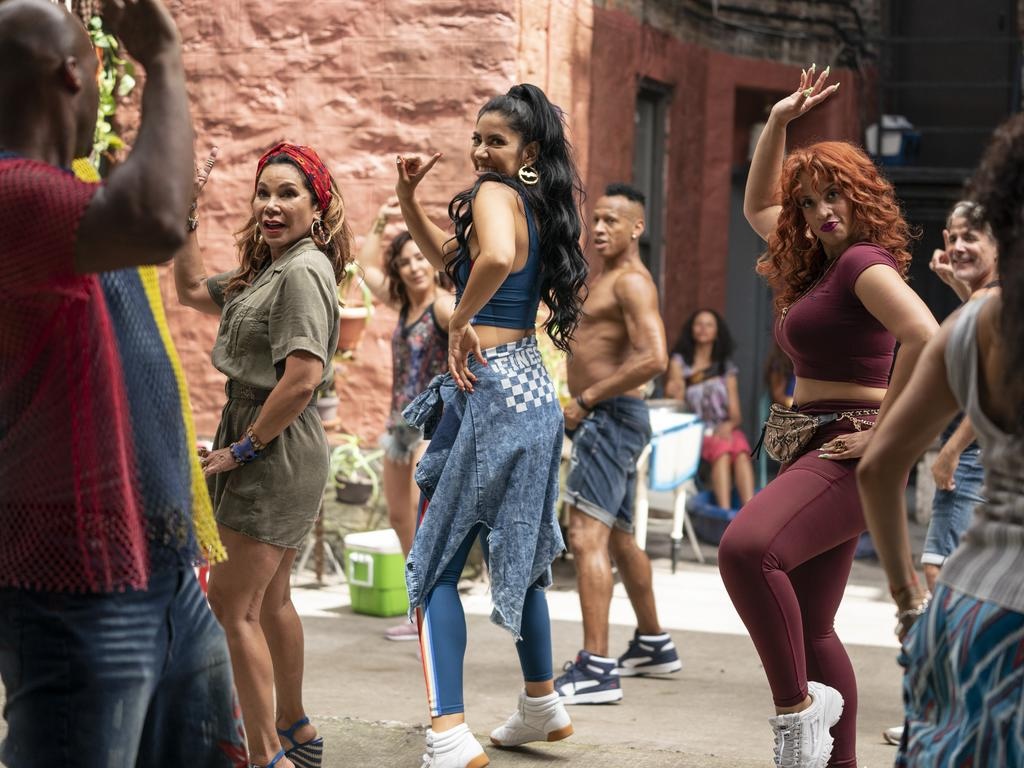
Before street dance, before the movies, Scott grew up in Maryland. ‘If you had told me back then that I would have been a dancer, I would have laughed in your face.’ When his mother moved the family to Los Angeles ‘for a better life’, Scott initially joined the Hollywood High School track team to escape dance classes: ‘I ran as fast as I could, not to dance.’ But he soon snuck into rehearsals of West Side Story. ‘I started learning all the dances, and they ended up putting me in the show. I hit the stage, and I got that feeling – this is where I belong.’
More than the spotlight, Scott was drawn to a sense of community. ‘I’m watching everybody help each other. They’re teaching each other the dances, going over the music, blocking it together. It felt like such a nurturing space.’
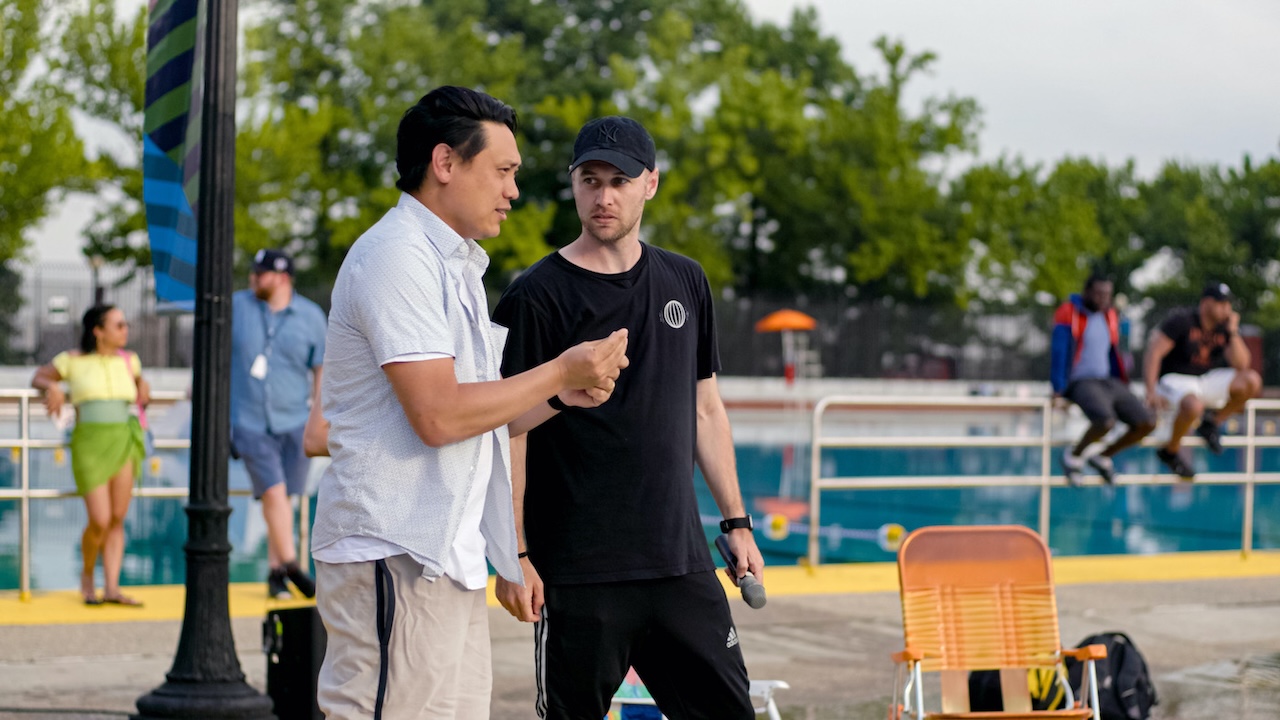
Scott’s choreographic career took shape through the tv competition So You Think You Can Dance. ‘I would get big, burly truck driver guys coming up to me – people that don’t often feel like they’re spoken to through dance.’ His decisive collaboration is with director Chu, starting with Step Up 2: The Streets and the web series LXD: Legion of Extraordinary Dancers, which began with Chu musing, ‘I see dancers as superheroes. The superpower is the dance.’ ‘Talk about a defining moment,’ Scott sighs. ‘We’ve been working together now for 18 years.’
Despite scaling up from web series to world’s biggest movie, he says, ‘it feels the same. Doing it with Jon makes it fun.’ What makes Chu a dance-friendly director? ‘His mom put him in tap class – he’s a theatre kid. Jon was deeply affected by dance, he saw it as a necessity for storytelling. I developed my voice as a choreographer through conversations with Jon. The movement has to make sense to the story, not the other way around.’
‘I’m on a lifelong journey to tap into the power of dance’
Christopher Scott
Scott seems to have never met a dance style he didn’t like, ‘I feel very seen!’ he says. ‘There’s no reason not to like a dance style, man. Once you start to know where dance comes from, you get the reality that this is important to somebody. So why wouldn’t you like it? It opens that door of curiosity.’ On In the Heights, the choreographer Eddie Torres Jr was his guide to Latin dance, and its roots in the slave trade. ‘He opened my eyes to how deep it all goes – this stuff is way bigger than us.’
‘Now,’ he continues, ‘I’m on a lifelong journey, to tap into the power of dance and the way it can connect people and heal.’ His mother and sister are activists, but he has located his own sense of purpose. And is there a thread running through Scott’s varied projects? ‘I go back to the street performing days. Street dance changed my life, because you meet people and see their level of thought process through dance. You start to understand how crafted these dances are – built out of black and brown communities that needed these dances to survive and express themselves. It set me on a path to honour it in every job I do.’
We speak as the annual film awards bandwagon is rolling. Wicked: For Good will, like its predecessor, be in the conversation – but no major awards, including the Oscars, recognise choreography. Is Scott frustrated that he can’t compete for a gilded statuette? ‘It’s less about the shiny thing, and more about being represented at the highest level, because that’s what the Oscars does.’ Last year, he loved watching nominees discussing their craft: costume, editing, music. ‘I wish I could have that space,’ he admits, ‘because I feel like in the industry as a whole there’s a lack of understanding for what choreographers do. I have to educate every chance I get. We are a part of telling the story, but have to keep pushing our art form.’
Watch
Oz and much more: Christopher Scott’s choreography
Listen
Christopher Scott on Why Dance Matters