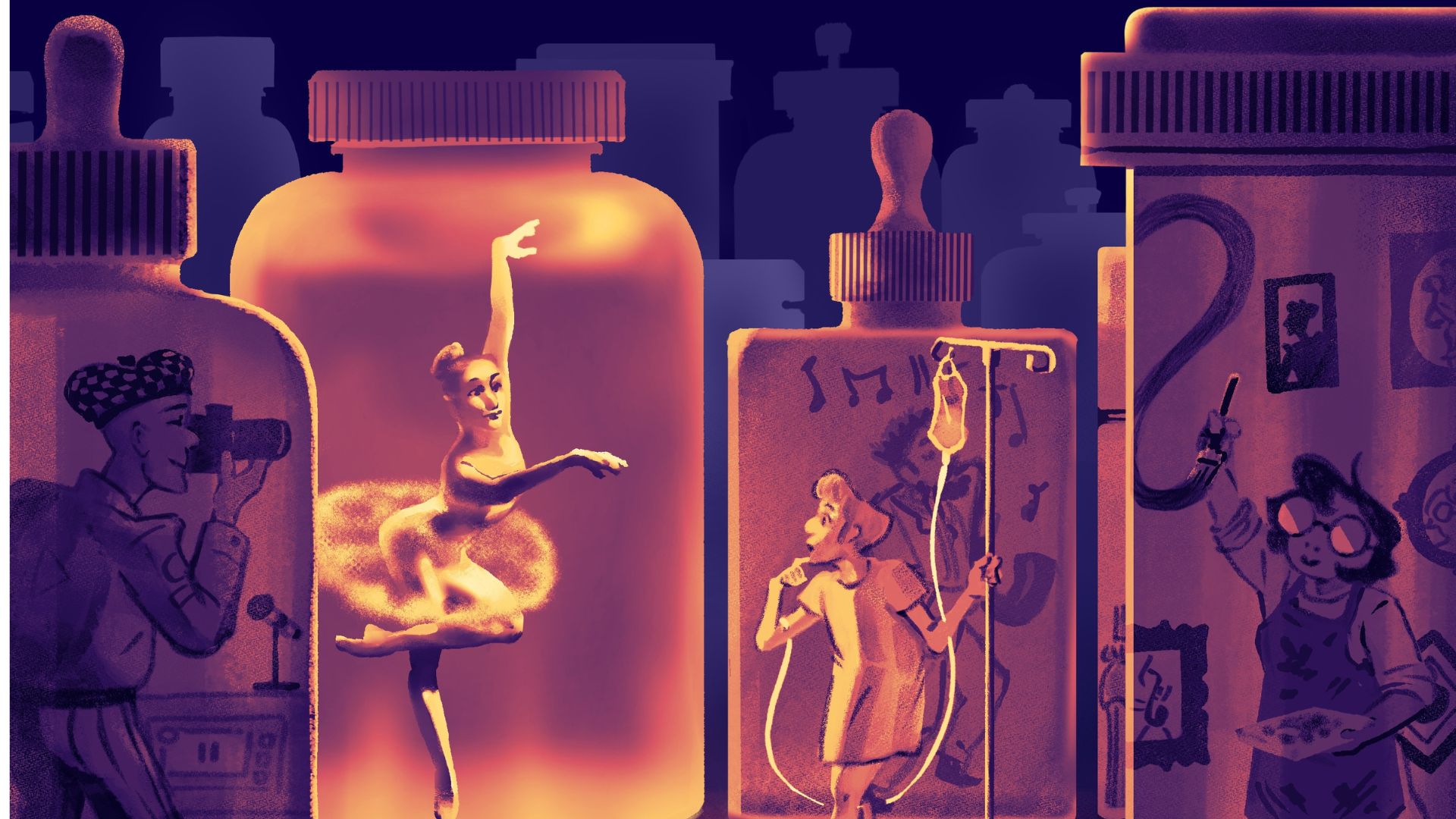
As a member of the Royal Academy of Dance, I’m sure you know the many gifts dance can give a person. For performers, it strengthens the body while sharpening the mind and offers a rare space for self-expression; for audience members, it is an opportunity to slow down and be taken in by entrancing rhythms, gestures and stories. What you might not know, however, is that decades of scientific research now also show dance to be a powerful tool for unlocking health and happiness.
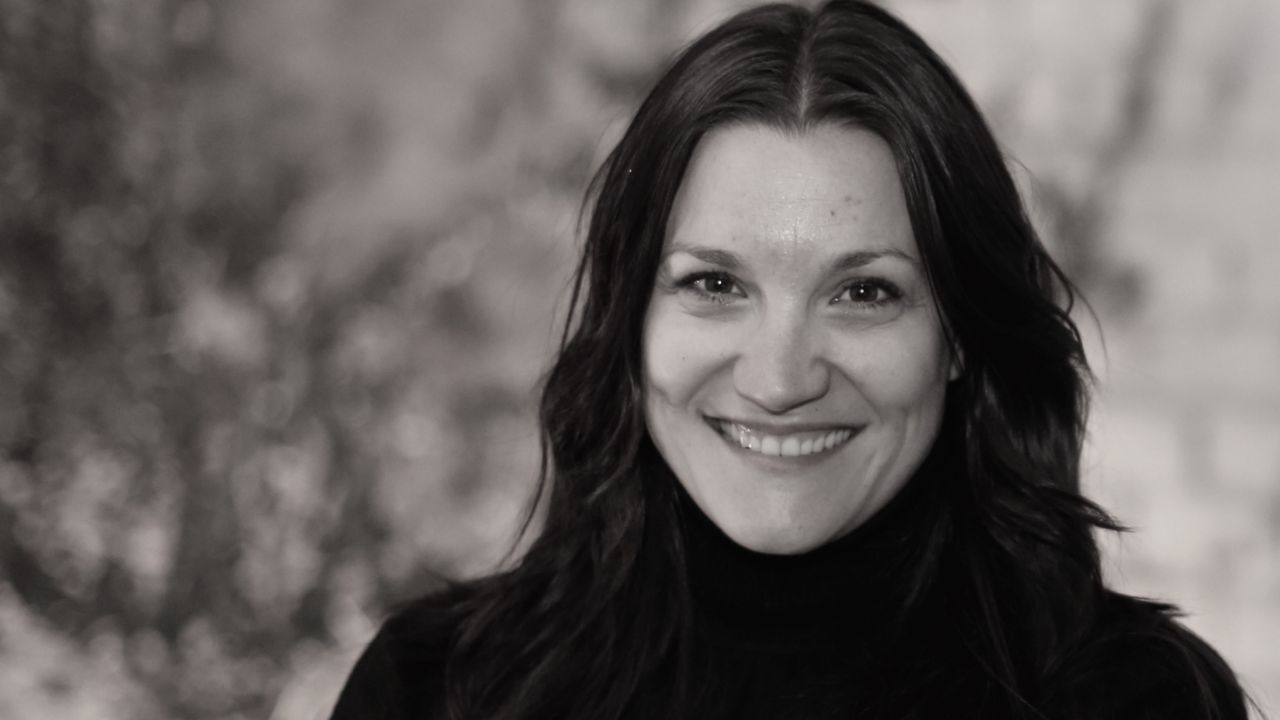
‘There are clinical trials that directly compare dance with exercise,’ explains Daisy Fancourt, Professor of Psychobiology and Epidemiology at University College London. ‘Looking at outcomes such as mobility in Parkinson’s disease, stroke recovery, cardiovascular health and mental health, they actually find better outcomes for dance than for other forms of physical activity, suggesting it supports additional mechanisms.’
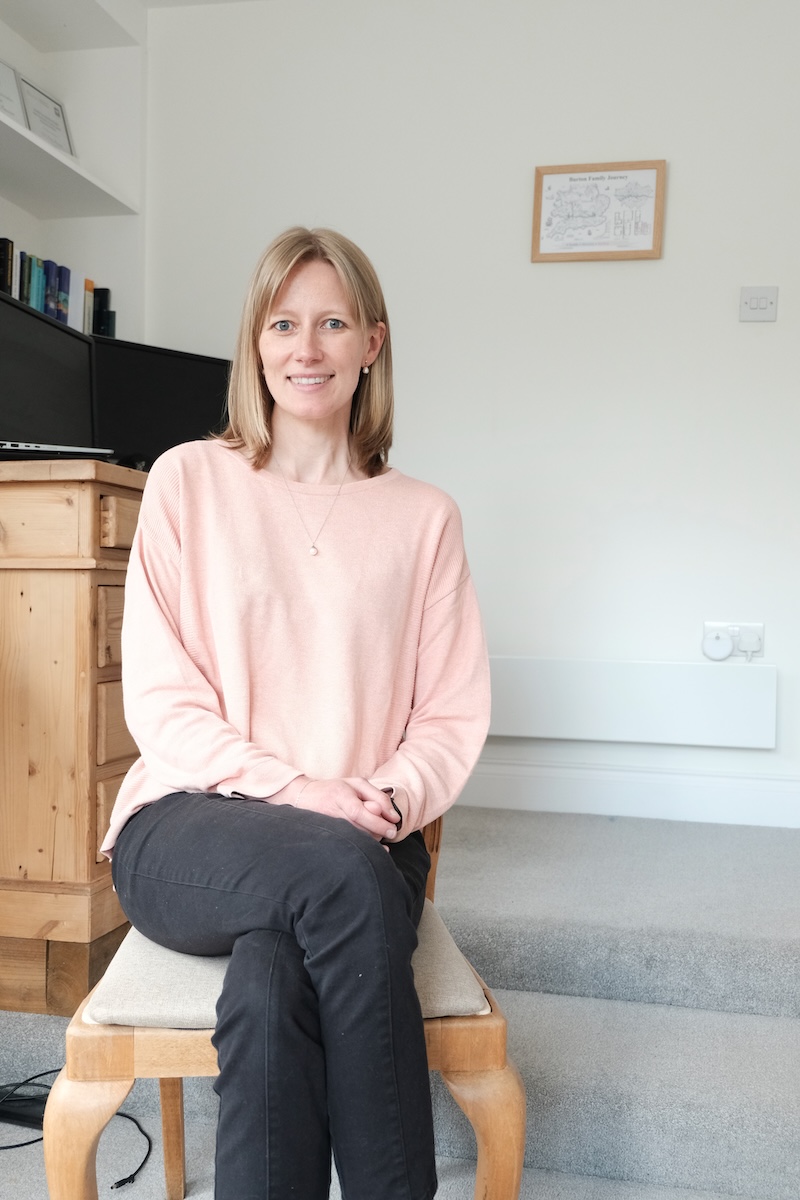
‘Clinical trials find better outcomes for dance than for other forms of physical activity’
Daisy Fancourt
Fancourt is uniquely placed to make this case. Her new book, The Art Cure, draws on decades of scientific studies to argue that the arts are not a luxury or mere pastime, but a vital contributor to mental, emotional and physical well-being. ‘Anecdotes of the healing powers of the arts across the past two millennia abound,’ Fancourt writes early in the book. ‘Music, dance and art have stopped wounds, quelled plagues, restored the ability to walk, cured tarantula bites and even awakened patients from the dead.’ But her aim here is to separate enduring myth and romanticism from measurable, reproducible evidence – to understand not just whether the arts can heal, but how, when and why they do.
‘Whereas many drugs have only a couple of ingredients that trigger a few core mechanisms, the arts can trigger dozens of mechanisms at any one point. It’s not so much a bridge between two chasms as a web,’ Fancourt writes. Across The Art Cure’s chapters, she maps the myriad ways that engaging with the arts – from active participation to attentive watching – can reduce stress, improve mood, support brain and body health, and even shape long-term behaviours that help us flourish.
‘I was one of those young people who could never pick between the arts and sciences,’ she recalls. ‘I did a music degree at Oxford and was a professional pianist, but I missed the science immediately. So I left university and went into the NHS, designing arts programmes at Chelsea and Westminster Hospital, which included some fantastic dance activities.’
Her book is not specific to dance, of course. But Fancourt describes it as ‘a particularly interesting form of exercise.’ ‘Because it is exercise, it’s not surprising that we see relationships between dance and both mental and physical health outcomes,’ she says. ‘But actually, it is so much more than that.’
Dance, she explains, combines physical exertion with creativity, aesthetics, emotion and meaning. It is multisensory, engaging music, movement and, often, social connection all at once. As a result, it activates not only the muscles, but brain regions involved in reward, memory, empathy and anticipation. Unlike many forms of exercise, dance asks participants not just to move, but to interpret, express and feel. Despite not being a dancer herself, Fancourt talks fondly of her young children, who request a disco at home at every opportunity. ‘Children engage so naturally in dance, and it’s something that we often become much more self-conscious about as we get older,’ she says.
Still, Fancourt knows better than most that the loss of this sense of ease can be quietly damaging. Her research paints a compelling picture of the benefits of a lifelong relationship with the arts, including dance. ‘People who engage regularly with the arts have a reduced risk of developing depression, chronic pain and falls, age-related disability, even dementia and other chronic diseases,’ she explains. ‘And this is independent of physical activity or other healthy lifestyle behaviours, as well as wealth, demographics or personal background. Essentially, we can say that engaging with the arts is a health behaviour – one that directly affects our “healthspan”, the length of time we remain free from disease, and even our lifespan.’
‘When we’re watching dance, we’re giving our brains a cognitive workout’
Daisy Fancourt
Elsewhere, the book examines the distinction between participation and spectatorship. ‘Interestingly, going to watch dance has massive health benefits,’ Fancourt says. Beyond simply getting people out of the house and reducing sedentary time, being in an audience actively engages the brain’s reward and pleasure networks, increasing the release of hormones such as dopamine.
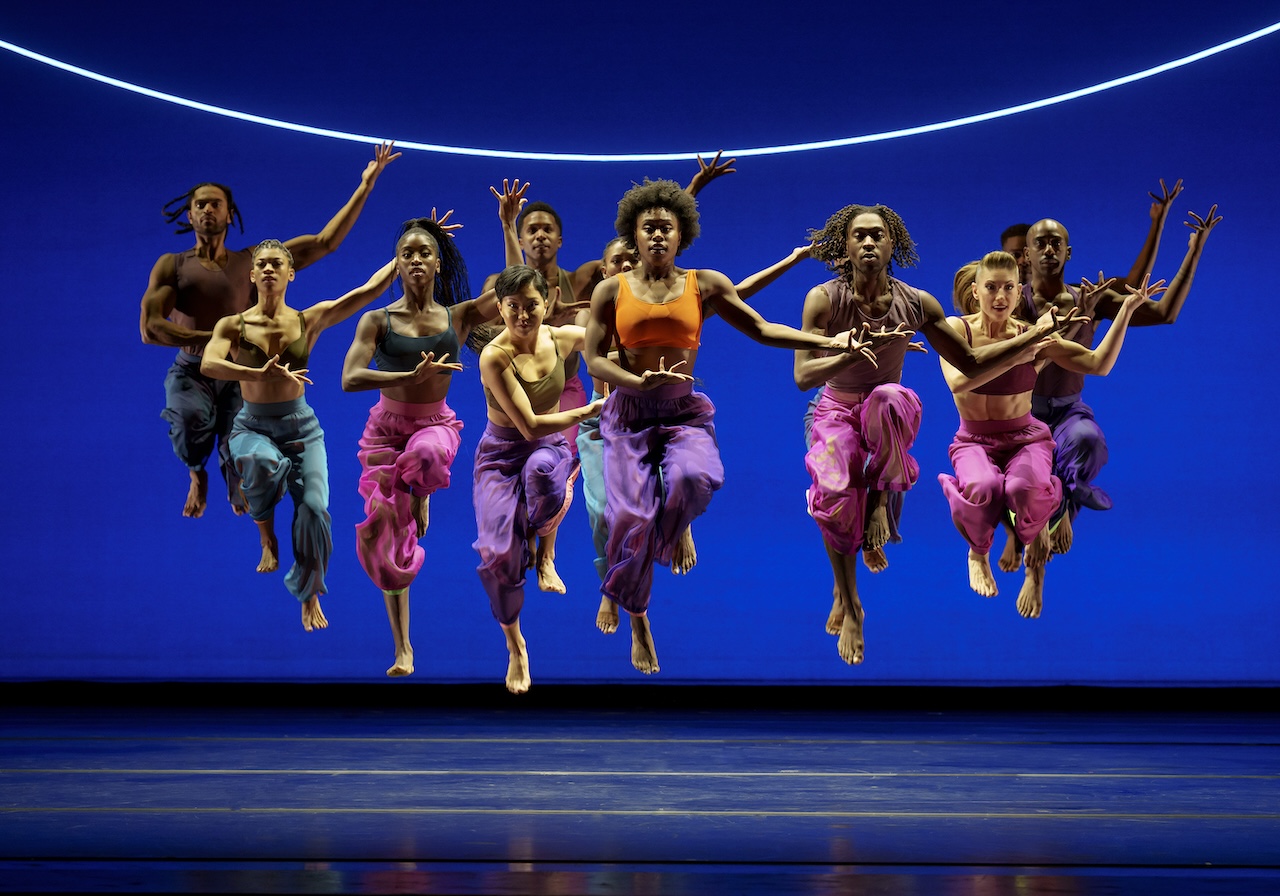
‘When we’re watching dance, we’re often mirroring some of the movements we observe within our own muscles,’ she adds. ‘And studies show that even imagining a response to music, without physically moving, can still bring benefits for motor coordination. We’re giving our brains a cognitive workout.’
Fancourt hopes the book will prompt a shift in public awareness, encouraging the arts to be understood as having the same relevance to health as exercise, diet and sleep. ‘I think this is the moment for that recognition,’ she says, ‘for a re-evaluation of the value we give the arts and the role they play in our lives.’ She wants the book to spark conversation and debate, but, above all, to change how we think about – and engage with – the arts in our own lives. She is optimistic about the direction of travel, too. ‘I feel like the momentum around recognising the health and well-being benefits is really building.’
The book does not simply make the case, however; it is also practical. ‘Every chapter ends with science-based tips on what people can actually do to benefit more from the arts,’ she explains. These range from small, everyday changes – such as increasing the frequency and variety of arts experiences, or paying more deliberate attention when listening, watching or reading – to broader guidance on choosing activities that feel meaningful, rather than approaching the arts as another health task to be optimised.
Still, Fancourt is firm that the arts should not be treated as a luxury. ‘We should be dedicating our time to them. As a society, we are simply not investing in the arts enough,’ she says. As we tie up our conversation, her argument about their value is clear. ‘Every pound that we cut in funding for the arts has consequences for health and for the health service.’
The daily dose
An exclusive extract from Daisy Fancourt’s new book
Even a few minutes of engaging in the arts can be sufficient to achieve short-term aims like regulating our emotions. But to experience longer-term improvements in depressive symptoms or feelings of anxiety, regular engagement – for example, an hour at least once a week for several weeks – is important. Many trials report clear benefits within six weeks, although results tend to continue improving if engagement continues for longer. Making the arts a regular part of your life can provide ongoing support.
There is no hard-and-fast rule about what type of activity is best. Choice is important here to find an activity that resonates with you and your sense of self. And it doesn’t necessarily have to be a bespoke programme aimed at improving mental health. A general community-based activity like singing in a local choir or participating in a book club or art class contains all the core ingredients that support improvements in mental health.
‘Be your own experiment. Put different arts activities where you can easily access them’
Daisy Fancourt
It does help to engage in the arts regularly as it produces a nice virtuous cycle – the more you engage with the arts, the more they help your emotion regulation, and the more you then want to engage. Be your own experiment. Put some different arts activities somewhere you can easily access them, whether it’s a mindful colouring book, some beads and string, or your favourite book.
Next time you feel your emotions are out of balance, try the activities and see which ones work best. Try to identify which type of sensory ingredients are most beneficial for you – visual, tactile, auditory or otherwise. When we expose ourselves to a greater diversity of arts experiences, we provide ourselves with more opportunities to broaden the way we think. But we should only do arts that we enjoy. It’s one of the (many) reasons why instead of just telling you to ‘attend a choir every week’, I’m providing you with the science to write your own prescription.
WATCH
Daisy Fancourt discusses the arts and public health
RESOURCES
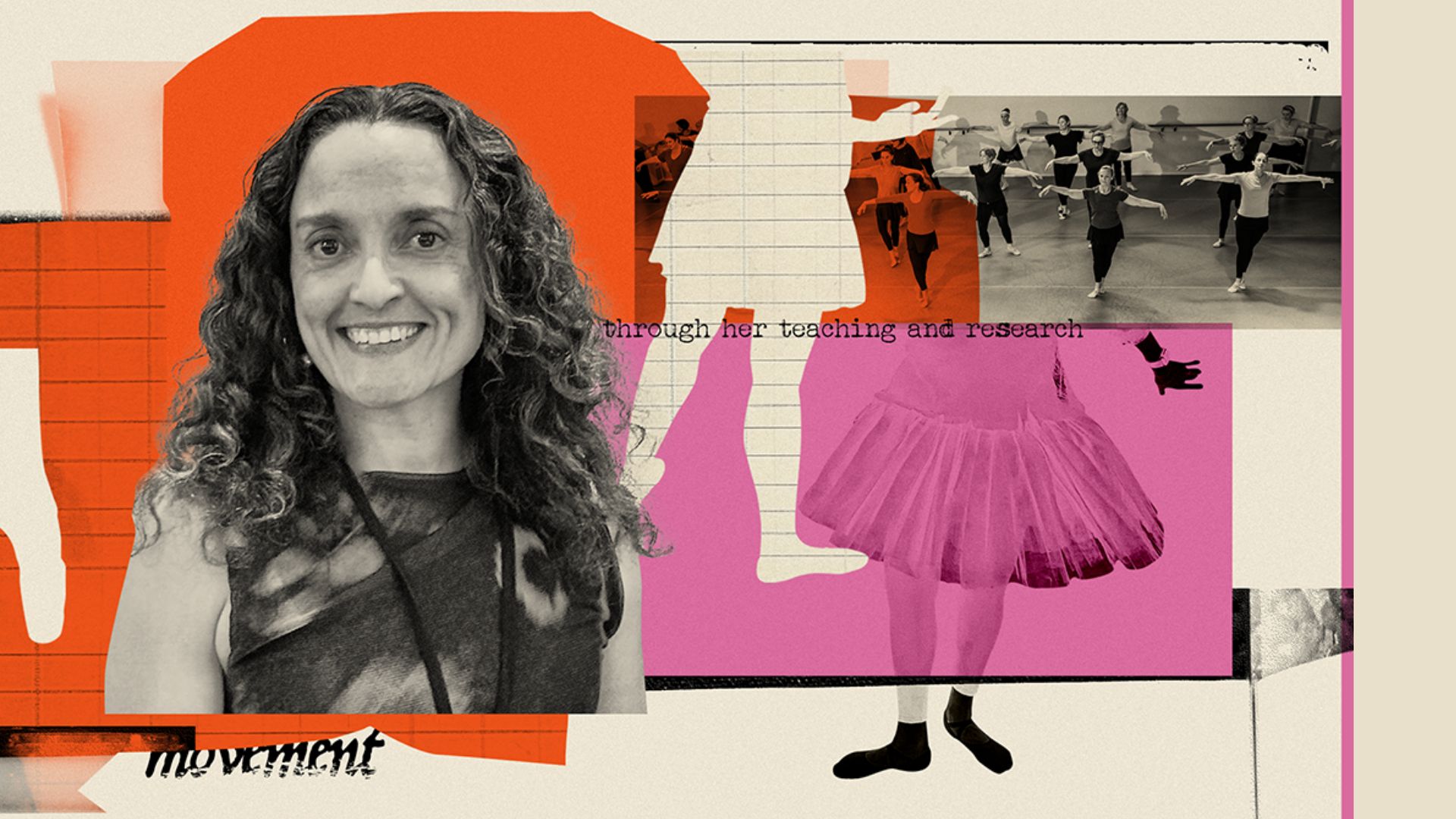
Anya Ryan is a culture writer and journalist.